Bruce, Tina and U2: 40 years and 10 unforgettable big Kentucky concerts
Last November, I was asked by a media friend to make a list. Having just hit the 40-year mark in writing about music for the Herald-Leader, the intention was to offer a rundown of the top concerts I’ve reviewed. I didn’t have much time to think about it. The request was made on Tuesday afternoon and required a reply by the next morning.
As such, I didn’t spend much time on it. Whittling four decades of shows to 10 favorites? I decided the less I thought about it the better. So I went with the first batch that came to mind and turned it in. Looking at it now, the choices were fine, but the idea of giving myself a second, more detailed crack at a list took hold.
So with the COVID-19 still shutting down the current concert world and a bit of the mid-winter blues kicking in, I’m devoting my columns for the next two weeks to a pair of roundups and recollections of my favorite shows from the years … er, decades gone by.
The first, which you have before you, covers the large-scale entries – arena performances, festival outings and the like. Next week, I’ll offer a list of club, theatre and small venue favorites from the past.
The entries on both lists are being presented chronologically, so one show doesn’t necessarily rank any above the others. And for the record, these are my favorite shows from the past 40 years as I view them at this moment. By the time you read this, it will very likely be different. With this kind of commentary covering this much music over such an extended chunk of time, the operative term can’t help but be “subject to change.”
Talking Heads
Memorial Coliseum - Oct. 18, 1983
A show from the fabled final tour of Talking Heads, the same one chronicled in Jonathan Demme’s landmark 1984 concert film “Stop Making Sense.” It began with David Byrne bouncing about a bare stage for “Psycho Killer” and concluded with a nine-member version of the Heads that included funk keyboard giant Bernie Worrell ripping through “Crosseyed and Painless.” The show made Memorial Coliseum seem like a massive discotheque.
Neil Young/Waylon Jennings
Rupp Arena - Sept. 22, 1984
The odd couple concert pairing of the century. Jennings stuck to his outlaw guns, delivering an oak-solid set for his fifth Rupp outing in seven years. Young, in his only Rupp show to date, gathered a seasoned troupe of players called the International Harvesters that included longtime steel guitar co-hort Ben Keith and Cajun fiddle great Rufus Thibodeaux to jam on country-leaning tunes that stemmed back to his Buffalo Springfield days.
Bruce Springsteen

December 11, 1984 - Rupp Arena
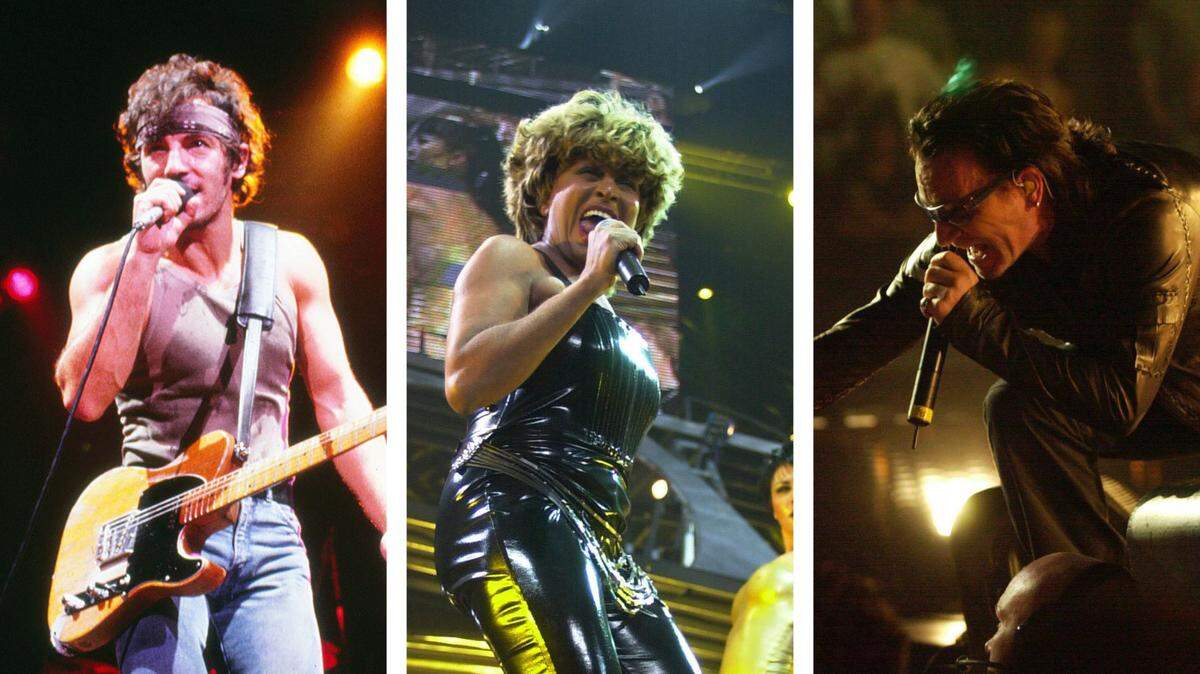
A blowout with The Boss at the height of his commercial popularity. The title track to his then-current “Born in the U.S.A.” album (the third of the record’s seven singles) opened the show. A cover of – what else? – “Santa Claus is Coming to Town” shut it down three hours later. Rumor had it that Springsteen was ill that night. If so, it never showed. This was arena rock offered at its most tireless, but joyous extreme.
Tina Turner
September 6, 1985 - Rupp Arena
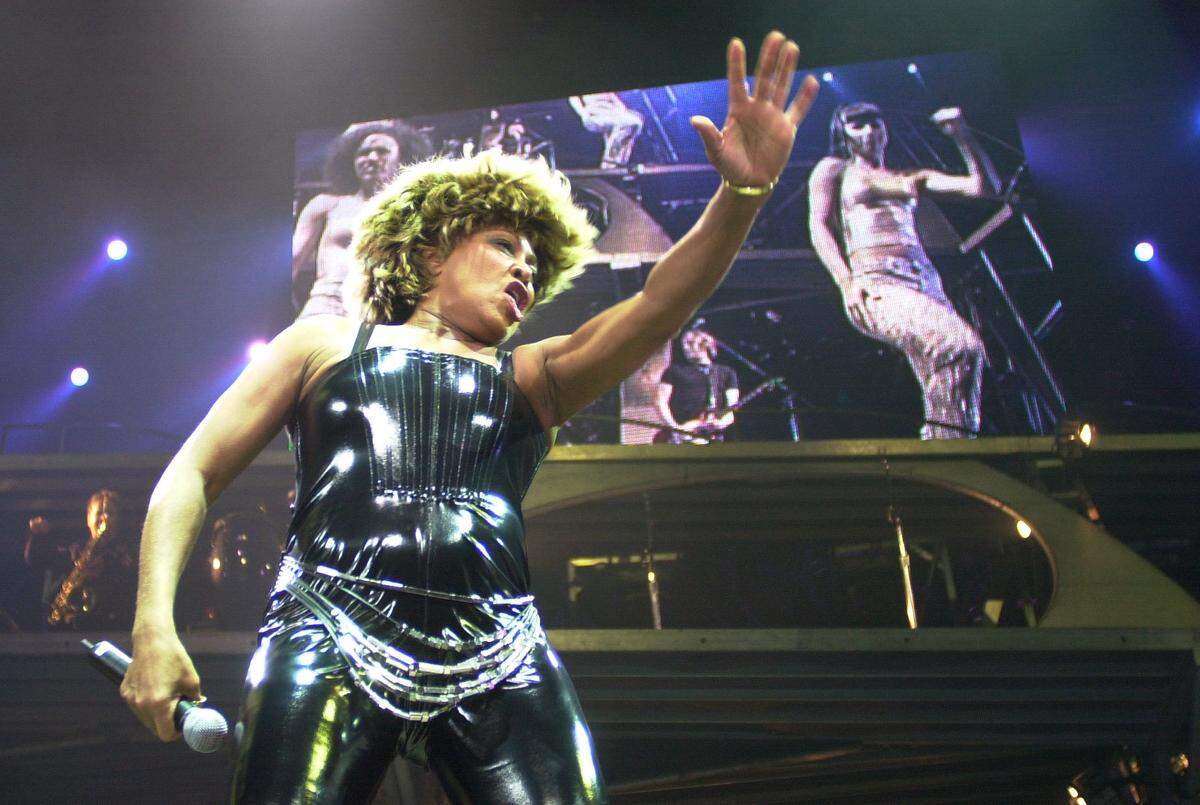
As with Springsteen, Turner’s Rupp debut was part of a moment in time – namely, the height of an astonishing career renaissance brought on by her “Private Dancer” album. Turner was 45 at the time and summoned as much volcanic gusto as accompanying bandmates half her age, transforming a cover of ZZ Top’s “Legs” into an emancipatory party piece. My lasting memory of the show: her electric smile. It was brighter and broader than a city skyline.
R.E.M./10,000 Maniacs
November 11, 1985 – Memorial Coliseum
A band on the brink of mainstream stardom, R.E.M. presented more of a large-scale séance than a rock concert. The Georgia band eerily mirrored the murky but eloquent atmospherics of its then current “Fables of the Reconstruction” album with singer Michael Stipe spending much the show draped in shadow and lo-tech lighting. Natalie Merchant and a then-unknown 10,000 Maniacs opened with a pop sound equally mystic but slightly sunnier.
Pink Floyd
November 7 and 8, 1987 – Rupp Arena
Pink Floyd emerged from extended purgatory in 1987 without Roger Waters. Still, a realigned 11-member lineup fronted by guitarist David Gilmour tore it up on the road with a string of sellout performances that included a two-night engagement at Rupp. There were special effects galore (including a bed that sailed over the crowd before perishing in a faux explosion), but nothing matched the drama of Gilmour’s combustible guitarwork.
B.B. King/Etta James
Sept. 9, 1995 – Kentucky Horse Park
Blues patriarch King brought his annual touring festival to the Horse Park for several successive summers during the 1990s. He was a week shy of turning 70 when this show was held. Though seated, he played with a soulful ease and command that was, befitting his name, regal. James tore through her set like an R&B typhoon, opening with “Feel Like Breaking Up Somebody’s Home.” Her presence was, shall we say, immediate.
Red Hot Chili Peppers/Foo Fighters
April 8, 2000 – Rupp Arena
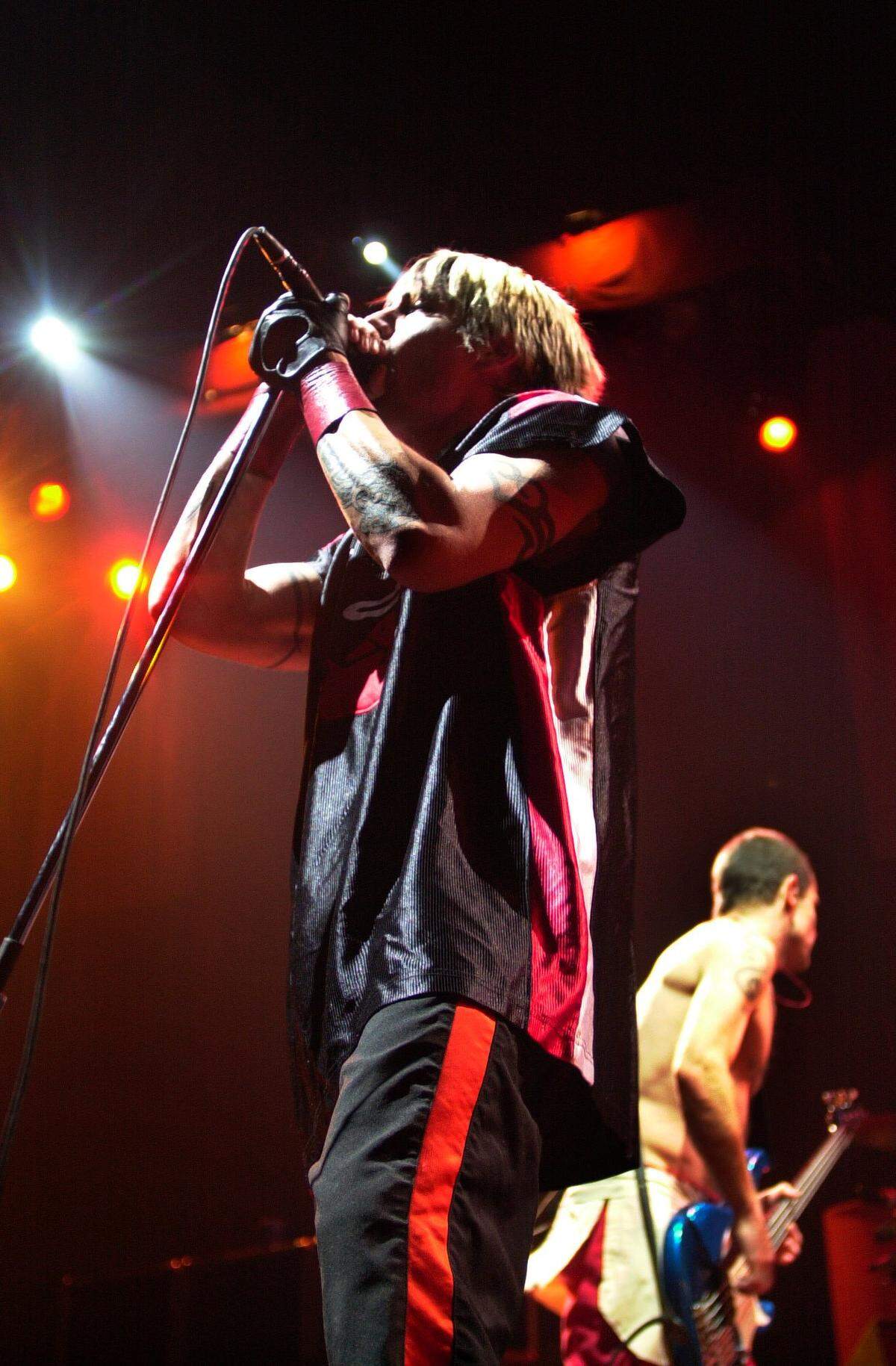
The Chili Peppers blended a sense of stage authority forged from being on the road for nearly two decades with the physical drive that has long fueled its brand of West Coast punk-funk. But it was the local debut of Foo Fighters that carried the night. Watching Dave Grohl being escorted through the arena crowd, sipping beers with patrons as his band ripped through “Stacked Actors,” defined a carnival mood as infectious as it was effortless.
U2/PJ Harvey
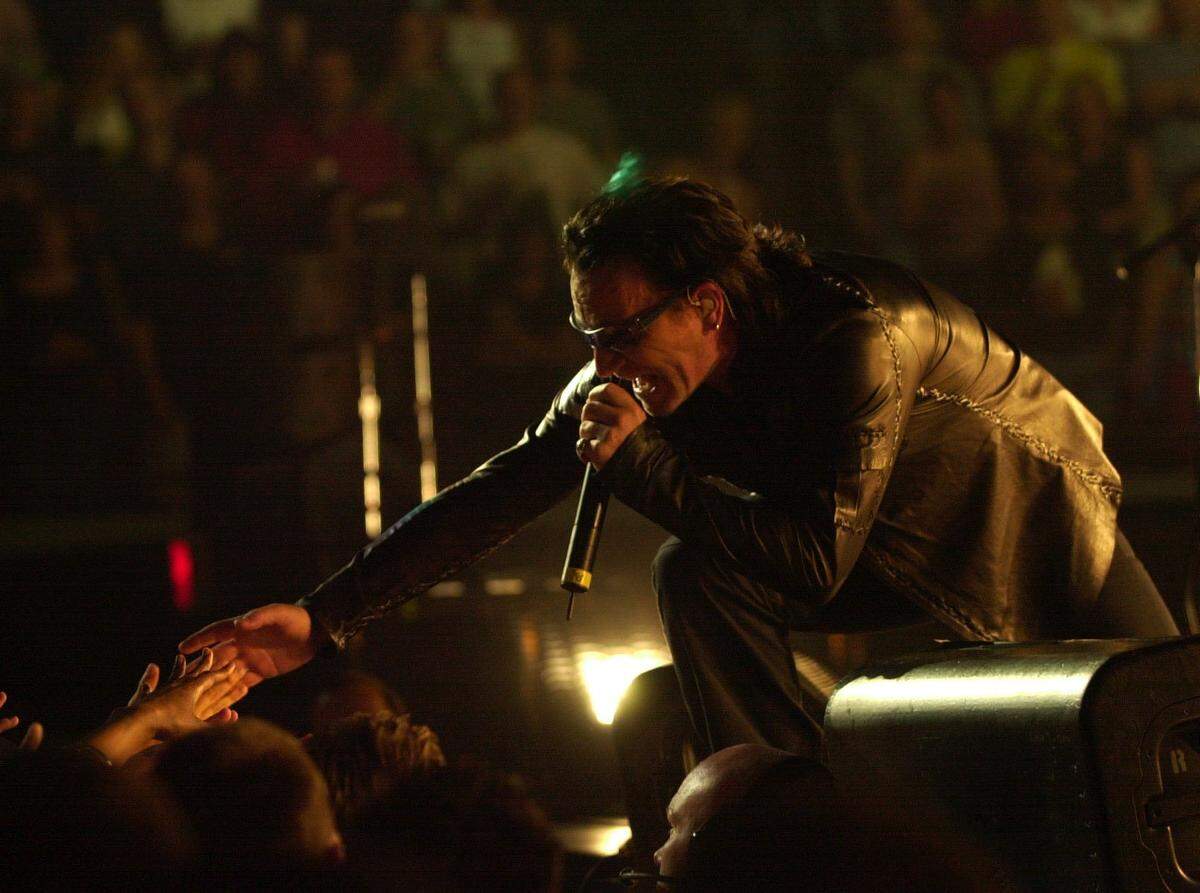
May 2, 2001 – Rupp Arena
Derby Eve 2001. On the same night, John Prine played a sold out show at the Opera House, Southern Culture on the Skids was onstage at Lynagh’s and U2 served up its first Rupp Arena concert in 17 years. Bolstered by the popularity of a back-to-basics album, “All That You Can’t Leave Behind,” the Irish band jettisoned the massive props of its stadium-sized Zoo TV and Pop Mart tours, signed on British songstress PJ Harvey as show opener and let loose with a no-frills Derby Eve bonanza.
Chris Stapleton/Marty Stuart/Brent Cobb
.JPG "181027StapletonPRC1162 (1).JPG")
October 27, 2018 – Rupp Arena
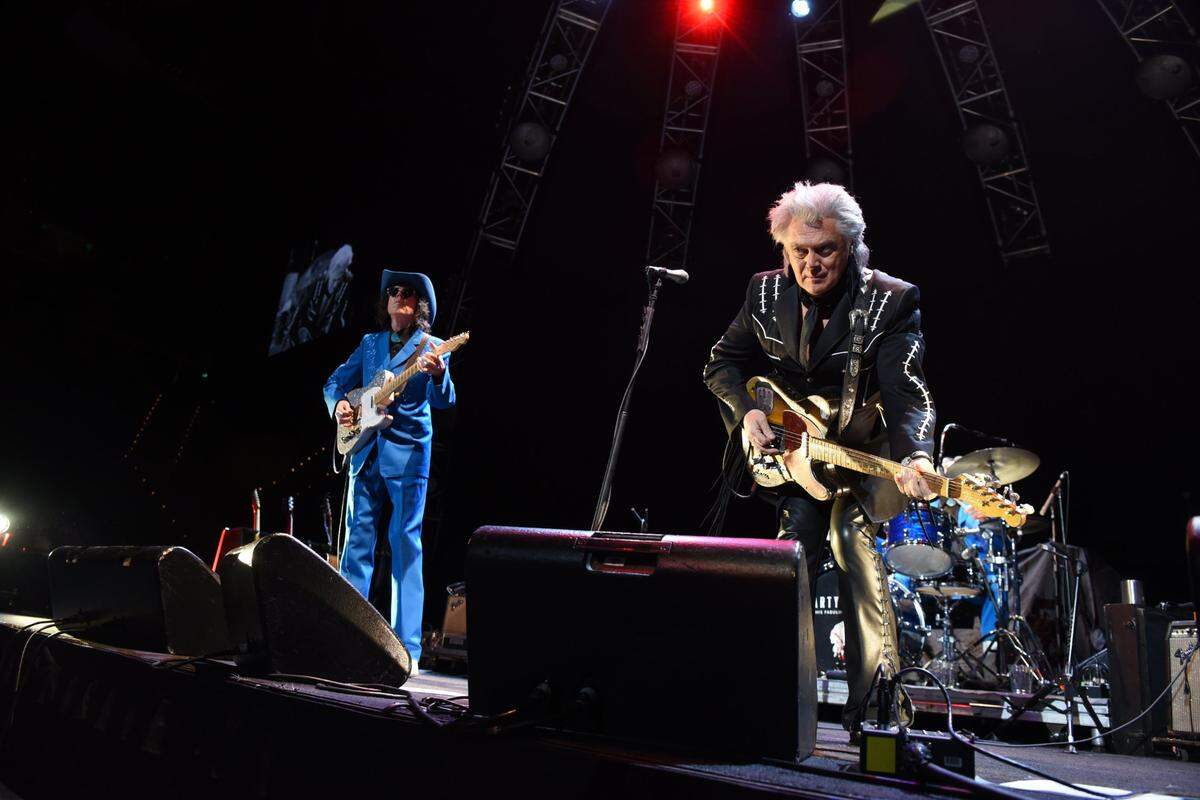
While country music has long been a mainstay component of Rupp Arena’s concert menu, seldom has the genre produced, top to bottom, a more engaging concert bill. All three artists represented different schools of traditionalism. Home state hero Stapleton proved a torchbearer of seasoned country-soul, Stuart served as a scholarly roots music statesman and newcomer Cobb introduced himself as a top shelf Southern song stylist.