
Appalachian musicians inspiration: Underage coalshooters and Blackjewel bankruptcy
To say that Kentucky has a complicated relationship with coal is putting things lightly.
Generations of miners worked to power the nation despite dangerous working conditions and long-term health effects like Black Lung.
Although the economic power of coal in Kentucky has waned, the mines still impact millions of people. In addition to the miners, local communities contend with water supply contamination. Appalachia itself has been forever altered by mountaintop removal.
Coal’s lingering effects are motivating a new generation of Appalachian musicians. Inspired by heroism, sacrifice, negligence and greed as well as musicians like the late John Prine, they are emerging with their own stories to sing about coal.
“‘Dark Black Coal’ was written with the mindset of never wanting my children to have to risk their lives for a paycheck,” said Logan Halstead, whose viral song channels the coal mining experience of his grandfather, father and uncle.
Other Appalachian artists like Eric Bolander, Cole Chaney and the Local Honeys are grappling with conflicting feelings about coal. Recently they are finding musical expression as the best way to bring awareness and inspire change.
Eric Bolander: ‘Cold Men’
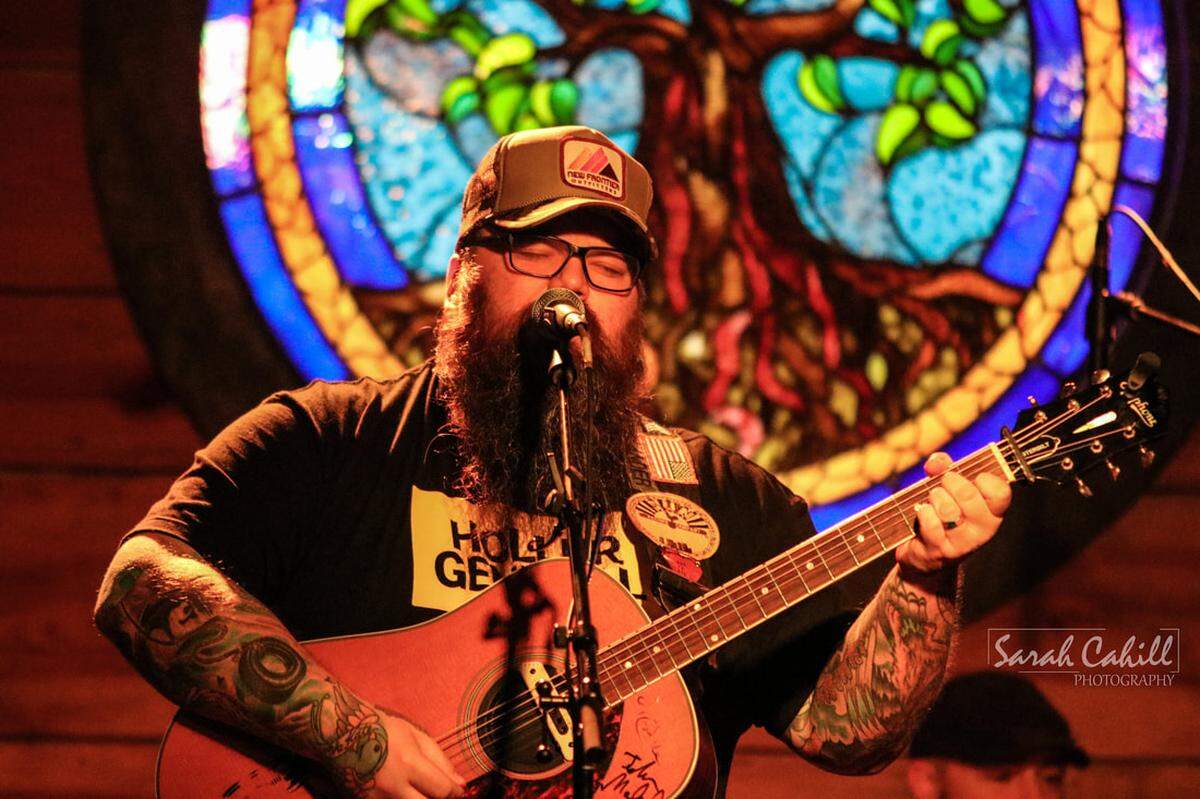
Even though his family has no history of working mines, singer-songwriter Eric Bolander couldn’t help but turn to music to voice his opinion on the abrupt 2019 bankruptcy filing by Blackjewel LLC. The West Virginia-based company left miners across Appalachia without their final paychecks and countless mines abandoned without proper restoration. The story made national news when miners in Harlan Co. formed a blockade outside the mine they once worked preventing coal trains from leaving.
The idea to write a song came after Bolander performed a benefit for the out-of-work miners at the Bell Theatre in Pineville. “Cold Men,” takes on the perspective of a little girl whose father worked for the mine and was suddenly laid off with no way to support his family. The song was released on Feb. 5, 2021.
“I was moved by the situation with those workers and the guts it took to stand up for themselves and others,” said Bolander, a Lewis County native. “I felt as a songwriter originally from small-town Kentucky that I had to write a song reflecting on this moment in history. These folks were wronged and deserve songs and stories written about them to help those in the future have enough courage to stand up for what’s right.”
Bolander hopes the song helps encourage others to stand up for what’s right, to be steadfast in their convictions and to be supportive of those looking to have their voices heard.
“Coal has been a very important industry for our country and the Appalachian region for many years and I have mad respect for those that have worked and still work the mines,” said Bolander. “But, there has been plenty of destruction and heartache associated with the industry that unfortunately has caused damage to some of the areas where those mines exist. Black lung and polluted waters didn’t happen accidentally and we should always be aware of poor conditions and bad company practices so that moving forward, regardless of the future for energy, we avoid making the same mistakes.”
Cole Chaney: ‘Coalshooter’
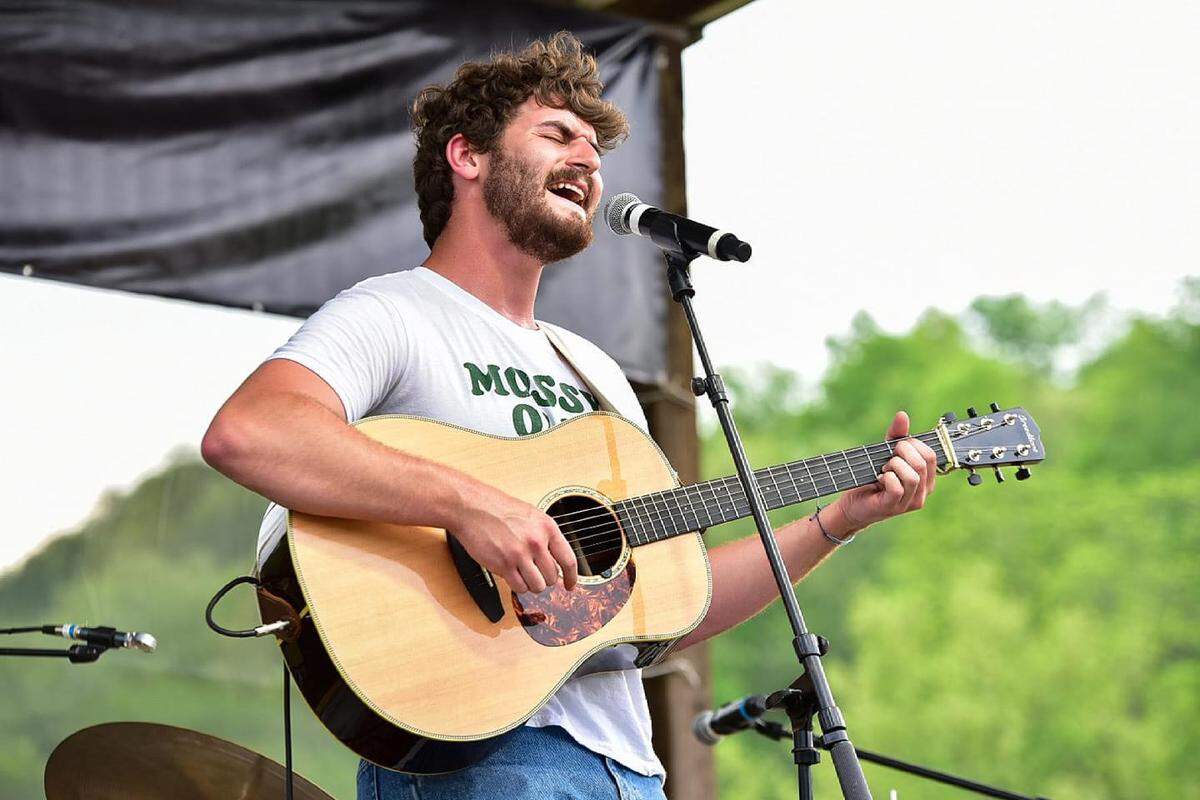
One of the young guns (but not the youngest) emerging in Kentucky’s music scene in recent months is Boyd County-born artist Cole Chaney. The 21-year-old comes from a family with strong ties to Eastern Kentucky’s coal mines that he incorporates heavily into his music.
“Coalshooter,” from his recent debut album “Mercy” tells the story of his second-generation Irish immigrant grandfather who was thrust into working the mines as a coalshooter when he was just 16 years old out to support his family.
“My grandfather grew up in the mines and saw people die and get maimed by rocks but he still talks about the work as something to be revered,” said Chaney. “Despite the harsh working conditions and bad treatment from the coal companies most of the workers were just doing what they had to to provide for their families. That’s why I have no respect for the coal companies, but all the respect for the miners themselves.”
One of the most dangerous jobs in the mines, coalshooters were restricted to being 18 or older at the time, something that Chaney’s grandfather was able to get around because his father also worked the same mine. The job utilized countlessyoung and nimble workers who had to rush through the caverns lighting fuses to set off the dynamite that would open up new parts of the mine. The high-stakes job resulted in many coalshooters suffering serious injury or death from falling rocks, badly timed fuses and accidentally setting off blasting caps from biting to activate them.
Although the job was treacherous, Chaney’s grandfather came away relatively unscathed despite nearly three decades working underground. Now 74, he continues to be a huge inspiration to Chaney and regularly tears up when he hears “Coalshooter” performed.
“There are generations who came before us who are way tougher than we can imagine and didn’t have much choice in what they did other than it being purely survival instinct,” said Chaney. “You had to do what was best for the greater good of your family. It’s really not much different than a 17-year-old getting shipped off to Normandy. You’re staring death in the face every day, sacrificing your body and future in order to raise your family out of a terrible situation.”
Logan Halstead: ‘Dark Black Coal’

Another newcomer to the scene is 17-year-old West Virginia based artist Logan Halstead, who only began playing live shows in March after a video of his song “Dark Black Coal” went viral late last year.
Based in Charleston, Halstead is well-versed in coal culture. His grandfather, father and uncle all worked in the mines at some point and Halstead channels the experiences of his family on “Dark Black Coal,” painting a picture of a rugged, blue-collar life that he hopes others will be spared. He sings, “Dark black coal / Take my soul / I owe it to you anyway / Just don’t let my children / Become the victims / Of the mountain’s evil ways.”
While Halstead hopes for a better, more prosperous future for Appalachia on “Dark Black Coal” he also yearns for more respect for those who’ve carried the burden of mining for coal and keeping the lights on for the rest of the country for generations.
Despite the decline in mining, Halstead said he sees the scars daily in the mountains he used to ride on flattened by strip mining and mountaintop removal.
“I’d like to think the coal companies are trying to give back to our environment, but when I still have friends living without clean water in 2021 because they live below a mine then it’s tough to get my hopes up,” said Halstead.
The Local Honeys
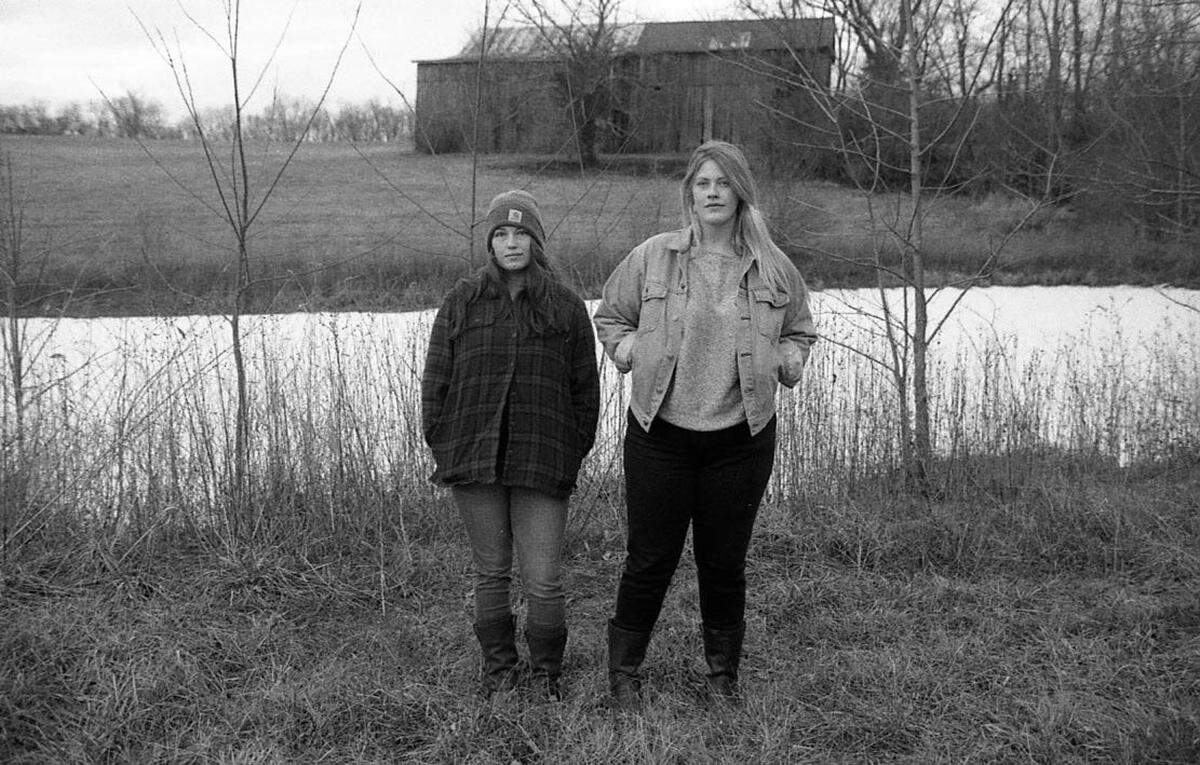
For years, the Local Honeys, centered around the duo of Montana Hobbs and Linda Jean Stokley, have been outspoken about environmental issues, coal company injustices and more in Appalachia.
In 2017 the Stokley-penned “Cigarette Trees” lamenting the woes of mountaintop removal took home top honors in the bluegrass category of the Chris Austin Songwriting Contest at the 30th annual Merlefest in North Carolina. Now the group is garnering recognition for two more songs, “Octavia Triangle” and “Dying To Make A Living.”
A stripped down, old-timey ballad, “Octavia Triangle” references a Pike County mine. The song was taught to the Honeys by one of their biggest musical mentors, Jimmy McCown, in what is likely his last ever recording before dying in 2020. Originally written by McCown’s mother, the song tells a tragic story of a love affair gone awry in the dark depths of the Octavia mine.
“This song means more to us than most and paints a haunting scene of regret in the coalfields of Kentucky,” said The Local Honeys in a Feb. 8 press release. “Jim left this world a better place in 2020 … We are honored to have had him as a friend, mentor and inspiration to share and teach the traditional music that makes us.”
The other song, “Dying To Make A Living,” came after the Honeys heard a traditional adaptation of the tune during a festival in Letcher County a few years ago. Soon thereafter they began incorporating the song, modernized by W.V. Hill and A.J. Mullins, into their shows. The decision to record it was spurred on by the Blackjewel miner protests from that summer.
“They literally dug the coal out with their own hands,” said Stokley in a YouTube video published on Feb. 4, 2021. “This fuel is being used to fuel the entire world, so why not take better care of your people? You’ve literally got people dying to make a living and breaking their backs.”