
Which is the real Morgan Wallen: What he says or what he sings?
How does that old saying go again? “There is no such thing as bad publicity.”
Making those words ring uncomfortably true today is country singer Morgan Wallen, who settles into Rupp Arena this weekend for a three-night engagement of nearly sold out concerts.
At the onset of 2021, Walden was sitting comfortably at the top of the charts with the release of “Dangerous: The Double Album,” a 30-song check list of requisite small-town themes and electric roadhouse sentiment.
In a review, Jon Pareles of The New York Times dubbed the record “an escape to rural Neverland.” “Dangerous” shot to the top of the Billboard country album chart as well as the trade magazine’s all-genre Billboard 200.
Then, in an instant, the Eastern Tennessee native took a single word and set fire to his career.
The cause: The TMZ airing of a video showing an inebriated Wallen shouting a racial slur – the “N” word, to be exact – after a night of partying.
The fallout came quickly. Wallen’s music was dumped from hundreds of radio networks, streaming services stopped offering his songs, touring plans were scrapped, videos vanished from stations like CMT, his record company suspended his contract and the Academy of Country Music declared him ineligible for consideration at its annual awards ceremony that April.
A few of Wallen’s contemporaries chimed in, too. Americana songsmith Jason Isbell, whose “Cover Me Up” was covered on “Dangerous,” called Wallen’s behavior “disgusting and horrifying.” Maren Morris, in response to a tweet by singer Kelsea Ballerini saying the incident “does not represent country music,” added, “It actually IS representative of our town.” The most sobering response, though, came from African-American country songstress Mickey Guyton.
“When I read comments saying, ‘This is not who we are,’ I laugh, because this is exactly who country music is. I’ve witnessed it for 10 (expletive) years,” Guyton said. “You guys should just read some of the vile comments hurled at me on a daily basis. It’s a cold hard truth to face, but it is the truth.”
How did audiences react? Simple. They made Wallen the biggest act in or out of Nashville. Already hearty sales for “Dangerous” bolted through the roof after the incident, cementing its place at the top of charts. The feat was especially stunning given how Wallen largely disappeared from public view after posting a five-minute video apology on Instagram where he accepted whatever disciplinary action the music industry deemed necessary and urged fans not to define him.
Wallen’s return to public performance came in Nashville at Kid Rock’s Big Ass Honky Tonk and Rock ‘N Roll Steakhouse in Nashville. For many onlookers, the May appearance was the peak of irony. Wallen was arrested for public intoxication and disorderly conduct outside the bar in May 2020.
A surprise appearance in Philadelphia at an Eric Church concert then placed Wallen onstage with a staunch supporter and collaborator. Still, in an April interview with Billboard, Church called Wallen’s use of a racial slur “indefensible.”
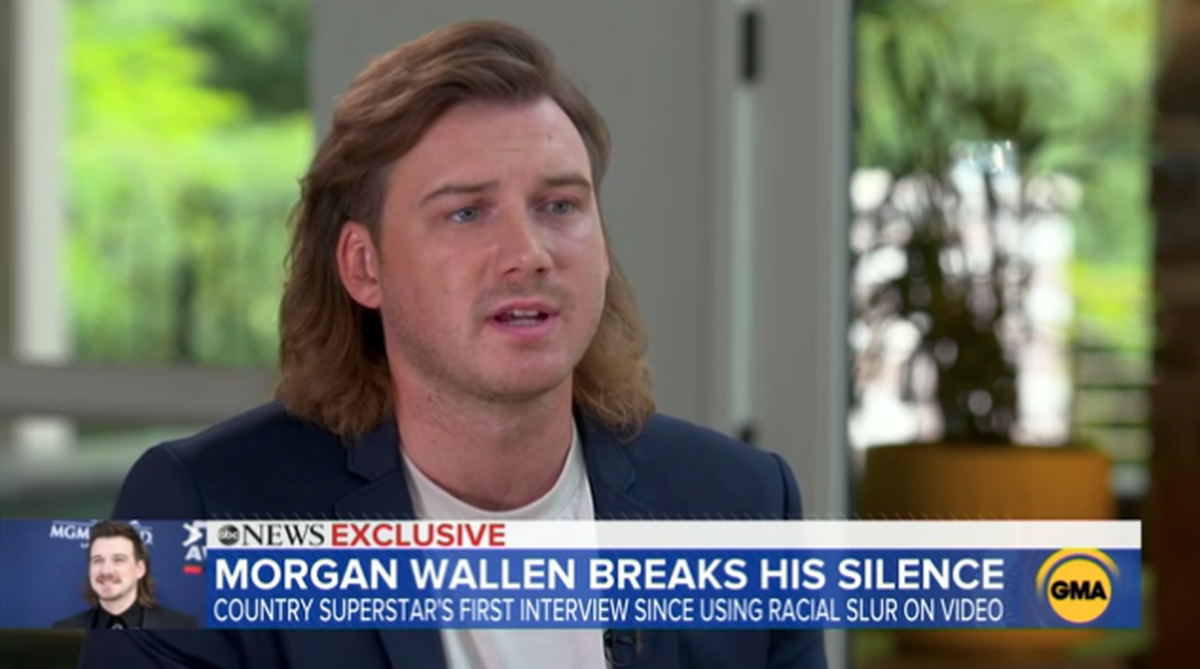
Lexington audiences seem to mirror the sentiments echoed by the rest of country music’s vast national fanbase. A three-night Rupp engagement with only a smattering of tickets remaining for each show certainly suggests a strong level of local loyalty. Makes you wonder what all the fuss about cancel culture has been about, too.
Here’s my take. Words carry weight. They carry the power to inflame and sometimes even sway emotions. They also have the strength to carry that weight through generations. Those who use them, even casually, even while intoxicated, have to bear the responsibility and consequences should they choose to set those words in motion.
Some words, especially disparaging racial slurs, were used with the kind of conversational frequency generations ago that triggered little, if any, reprisal. That, however, didn’t mute the impact upon the individuals those words were intended to hurt.
It certainly doesn’t justify their use today. “Well, in my day, everybody said them.” Well, no they didn’t. But even if your upbringing shrugged its collective shoulders at such slurs, the awareness in recent times by a more enlightened society surely has informed us how derogatory and damaging such language can be. Words matter. That’s why one word, in particular, serves as the focal point of the country music career we’re discussing here more than the music behind it.
I remember a long conversation with the father of a college friend during the late 1990s. Once a man of fairly hot temperament, age and a bit of self-examination had cooled his rage. His language, when I first met him, was often as racist as it was unrepentant. During this last talk (he died in 2001), he spoke at length of his regret in how he used to converse with young people, especially his son’s friends. His summation statement: “I’d like to think, since then, I’ve evolved on the subject.”
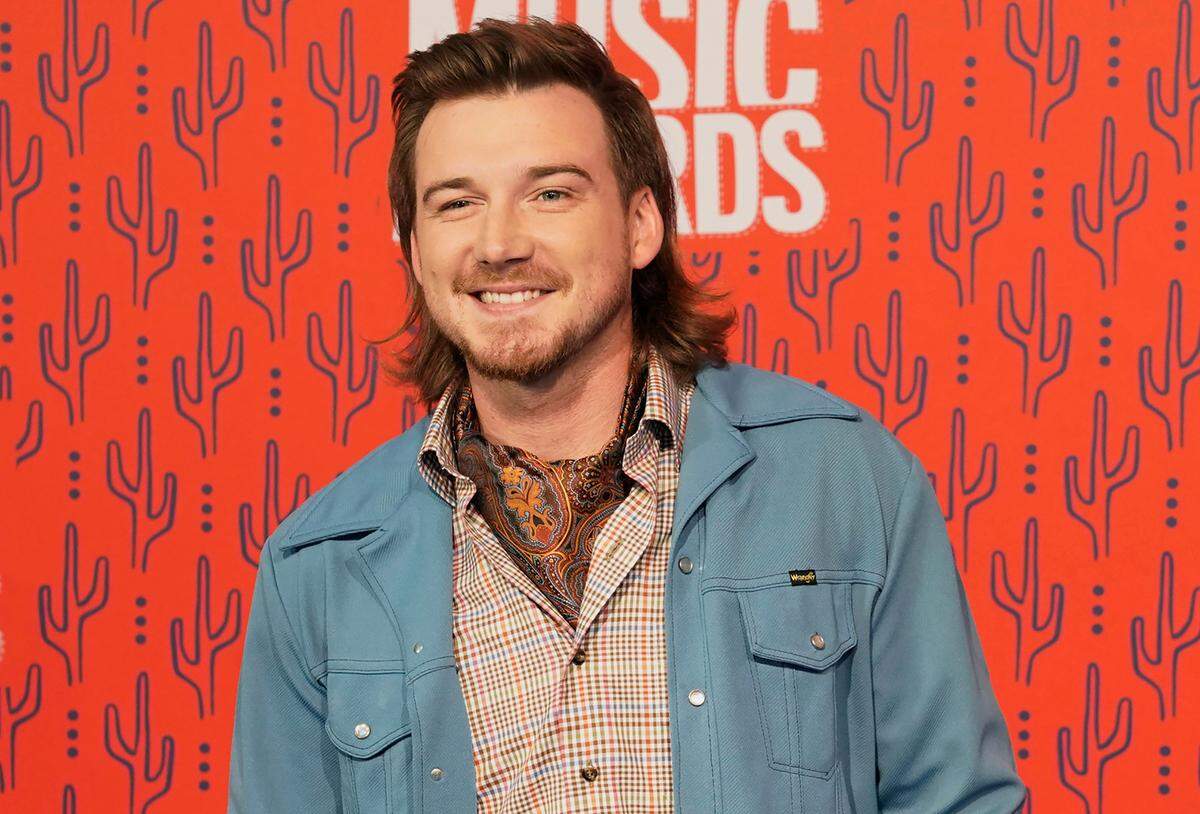
How this will all play out in Wallen’s case is hard to say. The level of quick stardom he has received can form pretty thick insulation from reality checks. One person who isn’t waiting for the answer is Isbell. As songwriter of “Cover Me Up,” he has received more than a few royalty checks since Wallen began favoring the song at his shows. Rather than accept it as blood money, he has donated all the income to the NAACP, cheekily tweeting this remark to Wallen’s fans:
“Thanks for helping a good cause, folks.”
Upcoming jazz concerts
Bonus concert picks of the weekend (and week ahead): The Origins Jazz Series has two shows coming up before taking a winter break until February.
On Dec. 3, Louisville saxophonist Meghan Pund performs with her quintet. This is Pund’s first Origins outing as a headliner, having played as featured clarinetist for the Ellington Nutcracker Suite in December 2019 and saxophonist for Brazukas in February 2020 (7 and 9:15 p.m., $20 for each performance, $30 for both.)
Then on Dec. 7, Lexington trombonist Brad Kerns headlines. A member of the Osland/Dailey Jazztet when he isn’t teaching at the University of Kentucky, Kerns recently issued a new recording titled “Tehillim.” It features improvisational music based on psalms (7 p.m., $10.)
Both performances will be presented at Base 249 at 249 E. Main. For tickets, go to originsjazz.org. Masks are required.
This story was originally published November 30, 2021 at 6:00 AM.