
Remembering Naomi: The Judds were a gift from Kentucky to the world of country music
It’s perhaps unavoidable that the passing of Naomi Judd in late April unlocked a sense of sentimentalism with country music audiences.
Family acts have long been at the heart of the genre’s DNA, enforcing the music’s unwavering sense of homespun tradition while championing a degree of vocal harmony that seems forever unique to blood relations.
The Judds certainly played into all of that with a kind of effortless authority. The now-famous story of mother Naomi raising daughters Wynonna and Ashley as a working single mom was relatable to families anywhere, whether they were part of the country music demographic or not. The duo’s rise to popularity was then an example of modern working-class life beating the odds and then some.
While the prevalence of family acts within the country and bluegrass music camps has always been hearty, the dominant ensembles were usually built around siblings or groups led in patriarchal fashion.
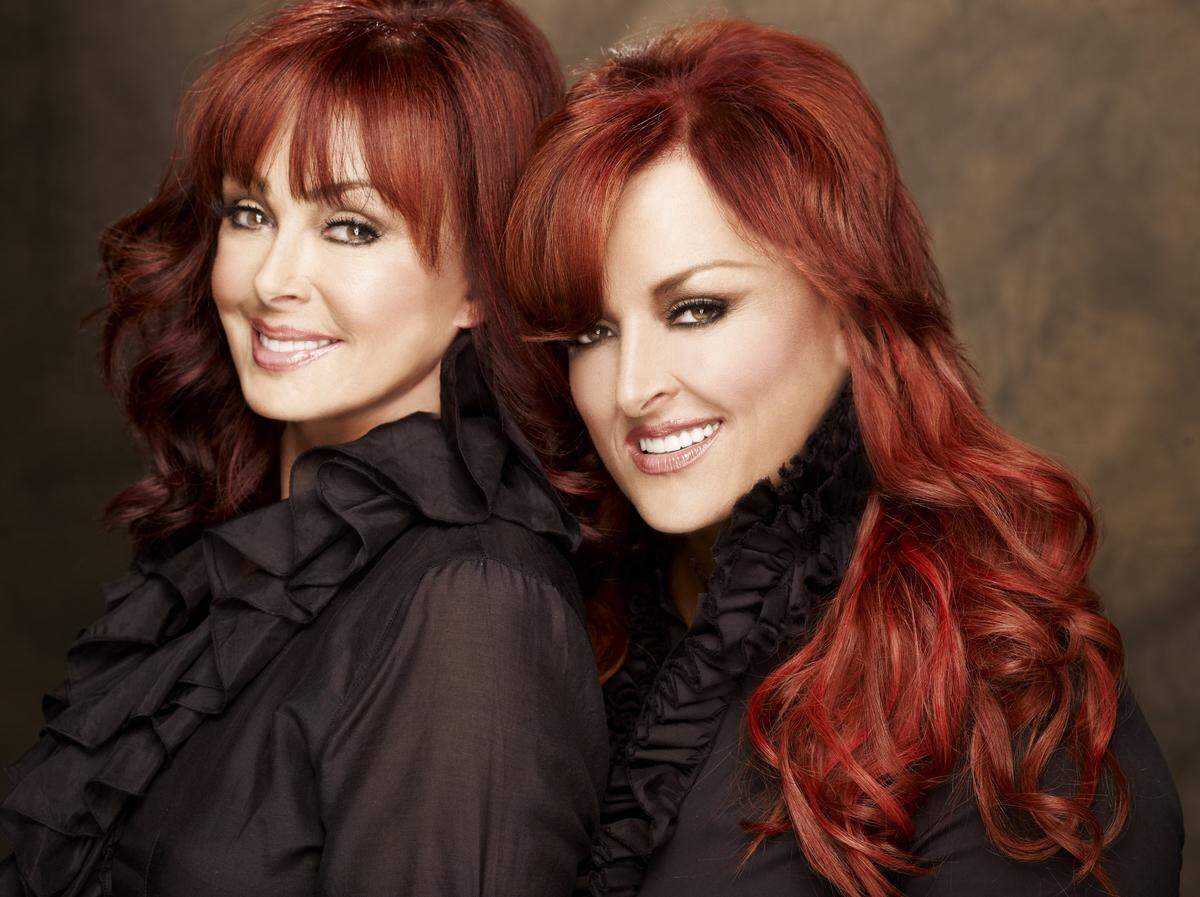
But Naomi and Wynonna as a mother-daughter band? That was considerably more novel. So were their resulting recordings, all of which placed Wynonna’s vocal gusto out front with mother Naomi’s harmony singing serving as the bedrock.
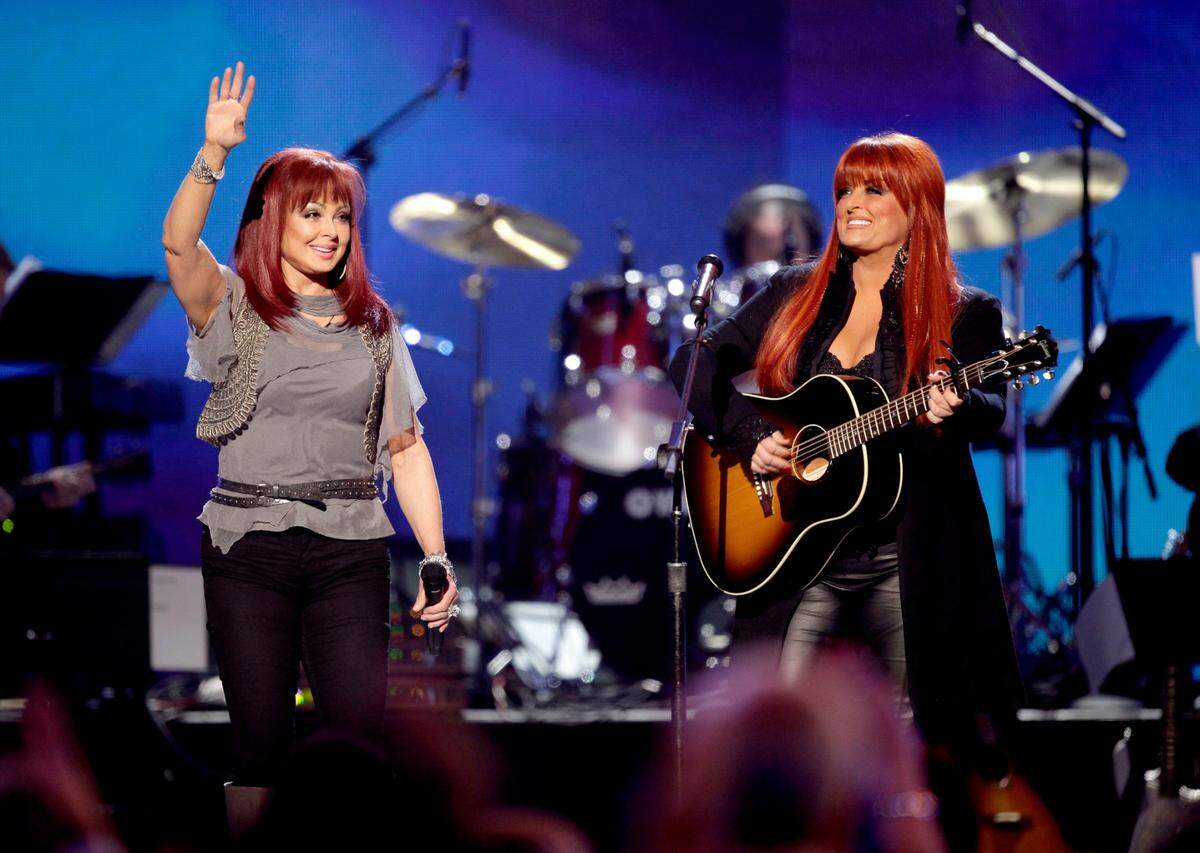
With barely 17 years of age separating them, though, their music reflected more the casual but candid intimacy of a sister act as opposed to that of a cross-generational co-op.
There were exceptions, of course. “Mama, He’s Crazy” is a mother-daughter confessional at heart, but when Naomi chimes in for the chorus, she is hardly a matriarchal presence. Her singing blends with Wynonna to create a river of effortless country wonder.
The audience took to it all, too. The 1984 single became the Judd’s first No. 1 hit as well as the first chart-topper by a country duo since The Davis Sisters’ version of “I Forgot More Than You’ll Ever Know” over three decades earlier.
The irony, however, is that the latter was not a family act. Despite the group name, singer Skeeter Davis (another Kentucky native) and Betty Jack Davis were not related. Mama, that’s really crazy.
Between 1985 and 1992, The Judds would take home the Grammy for Best Country Performance by a Duo or Group with Vocal five times. This wasn’t a mere flaunting of the duo’s commercial worth. The streak cemented a new traditionalist movement than ran through the’80s and largely finished off the slicker “Urban Cowboy” leaning honky tonk pop that ruled the charts and radio waves during the first half of the decade.
This traditionalist uprising didn’t begin with The Judds. It was instead part of an extended roots-savvy charge fueled by a trio of Kentucky bred acts.
Just prior to The Judds’ newly found stardom, Ricky Skaggs – a Lawrence County native who had cut his artistic teeth in the bluegrass troupes of Ralph Stanley and fellow Kentuckian J.D. Crowe - became a national sensation. He chalked up a string of 10 No. 1 country hits between 1981 and 1986 along with a trio of Grammys. His bluegrass roots were never deserted, though. Two of his Grammys were for a Crowe recording (“Fireball”) and a cover of a Bill Monroe classic (“Wheel Hoss”) while his version of Monroe’s “Uncle Pen” hit the top of the country charts in 1984.
On the other side of The Judds’ reign was arguably the strongest country innovator of the ’80s and early ’90s – Dwight Yoakam.
From the moment the Pikeville-born singer hit the charts in 1986 with an update of the Johnny Horton gem “Honky Tonk Man,” country radio was never the same. A bounty of hits, Grammys and assorted awards followed. More importantly, the creative gates Skaggs and The Judds had opened stayed open.
Yoakam would take country through accents of mariachi, vintage Southern soul and Elvis-inspired pop. But the traditionalist streak remained luminous. Thanks to an early career embrace of the country sounds brewing way out West in Bakersfield, Calif., Yoakam became the then-modern torchbearer for music pioneered by Buck Owens and Merle Haggard.
But here’s the curious thing. Skaggs had his bluegrass roots. Yoakam had his Bakersfield connection. Wynonna and Naomi Judd had, essentially, each other.
There was no obvious blueprint for their music to fall back on. Instead they spent the much of the ’80s and early ’90s developing a sound both delicate and assertive. It could be as sentimentally minded the generation-spinning 1986’s hit “Grandpa (Tell Me ‘bout the Good Old Days”), as openly celebratory as 1985’s “Girls’ Night Out” or as stylistic faithful as their 1987 cover of “Don’t Be Cruel.”
Wynonna provided the vocal command, but Naomi ruled the engine room as a tireless cheerleader and stylistic skipper for The Judds, providing much of the group’s charm and performance charisma, on and offstage.
As always, tastes and commercial shifted. Country music was always looking for the next big thing. In late 1991, with Naomi’s Hepatitis C diagnosis made public, The Judds played Rupp Arena during the final stages of what was promoted as a farewell tour. Their immensely extroverted opening act clearly signaled the more commercially mainstream direction that would carry country music through the rest of the decade. His name was Garth Brooks.
It’s a testament, of course, to the enduring musical legacy of The Judds that after the 1991 tour, the duo mounted several reunion outings – one of which was to have commenced this fall.
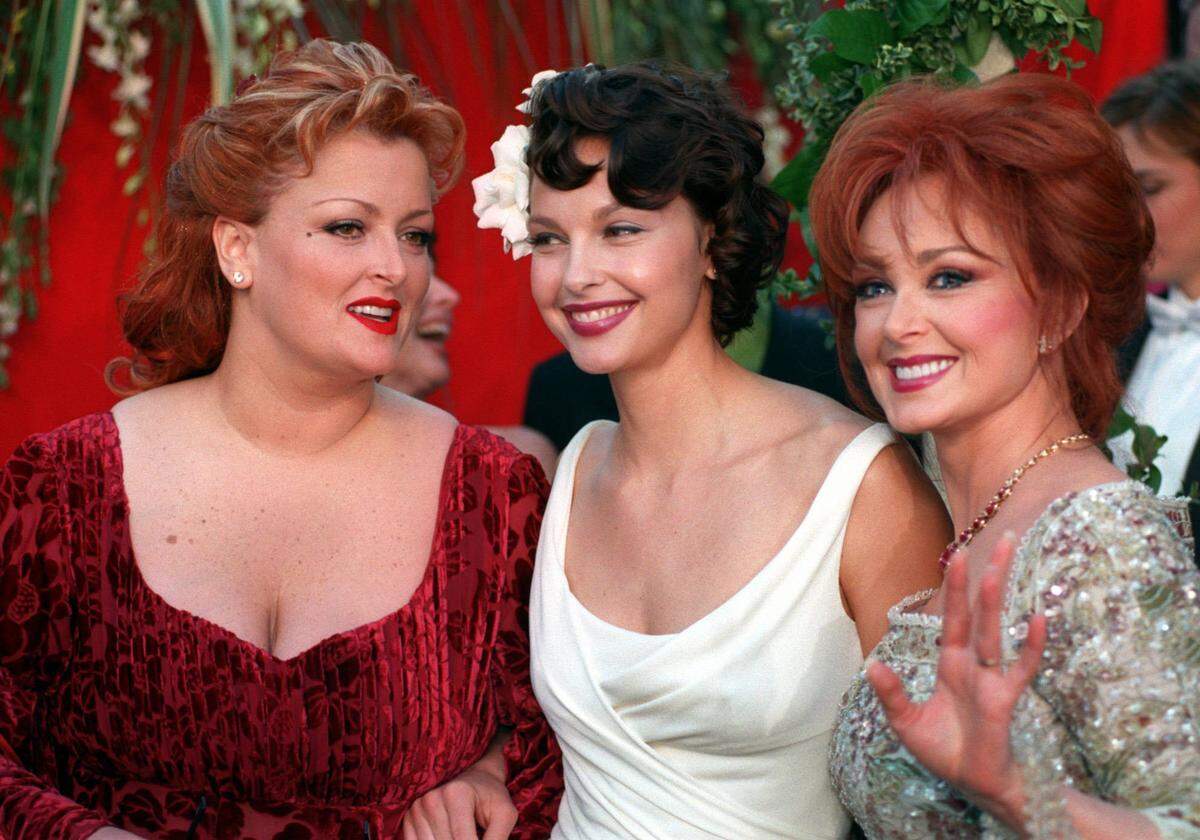
One can’t avoid the sadness surrounding Naomi’s passing, from its cause (on Twitter, Ashley Judd said, “We lost our beautiful mother to the disease of mental illness”) to its timing (on the eve of The Judds’ induction into the Country Music Hall of Fame). The former, especially, deserves even more serious and open discussion than it is now receiving. But we will leave that to another forum on another day.
For now, though, let’s remember what The Judds gave to country music – a sharp, sparkling slice of musical tradition rich in familial familiarity. It was Kentucky’s gift to a booming genre as well as a reminder of where the music’s roots extended and how enduring they remain to this day.