
What do Dylan, Stevie Nicks, Pink Floyd, The Boss have in common? The sounds of 1975.
It was halftime in the 1970s, an era when commercial pop was nearing a crossroads between the fashionable (and bankable) groove of disco and the upstart anarchy of punk. Even with that conflict brewing, the music that surfaced on a remarkable array of albums, all celebrating the 50th anniversary in 2025 of their initial release, were remarkably diverse.
We experienced the renaissance of a folk icon, the inauguration of an Americana priestess and the reinvention of a funk titan. Oh, yes — 1975 was also the year The Boss got a substantial promotion.
While this look back at the music of an era that might make a few of us, yours truly included, even more conscious of our deepening vintage, it’s also a testament to the staying power of truly exceptional music.
So here’s to the year that was: 1975. Its echoes still register profoundly within these 10 recordings.
Bob Dylan: Blood on the Tracks
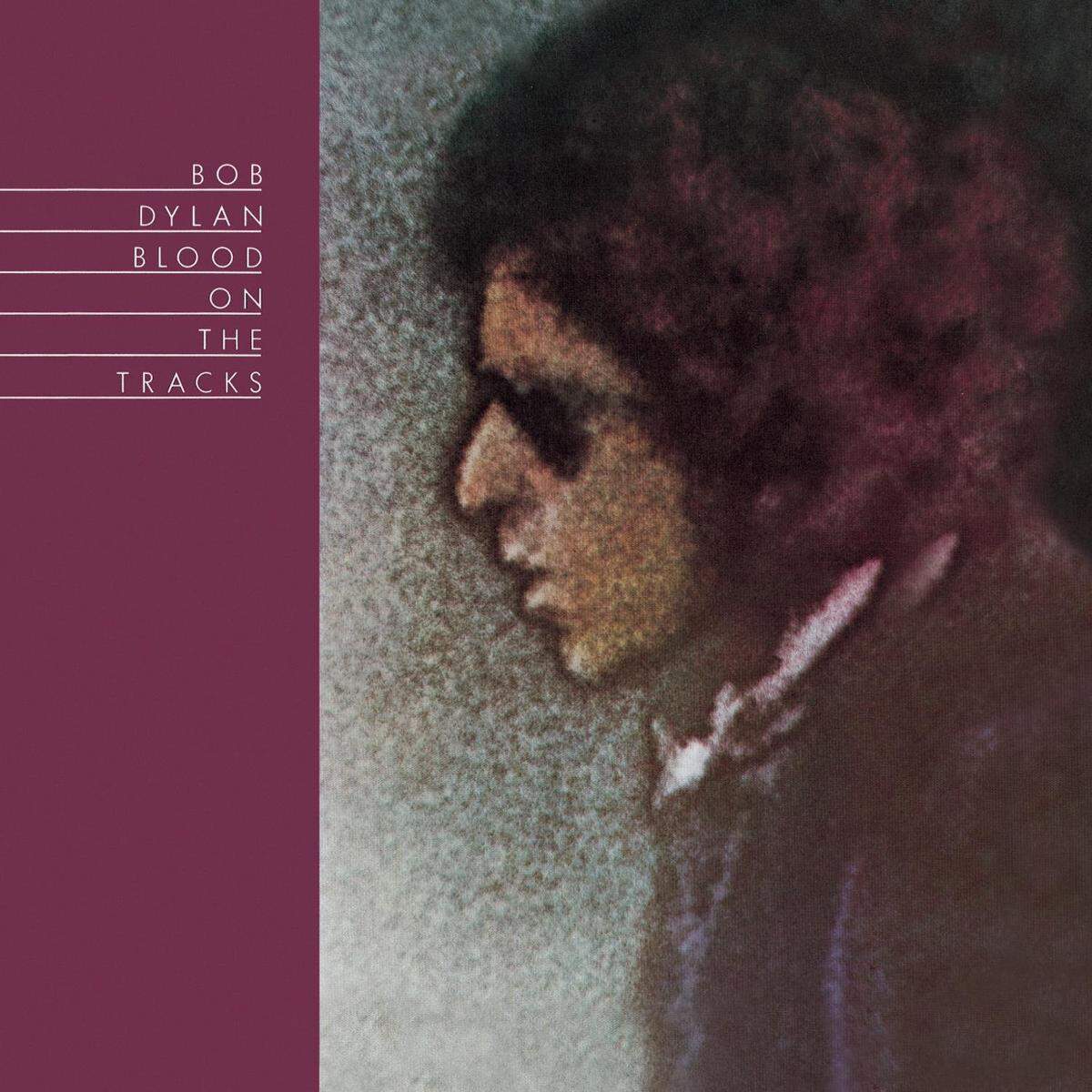
With so much attention this winter focused on “A Complete Unknown,” a biopic film set in the ’60s, it is perhaps easy to overlook the impending 50th anniversary of Bob Dylan’s greatest work of the ’70s. Light in timbre but volcanic in temperament, “Blood on the Tracks” is rightly cited as one of the all-time great break-up records — an intimate set of songs likely inspired by Dylan’s dissolving marriage to wife, Sara.
Emmylou Harris: Pieces of the Sky
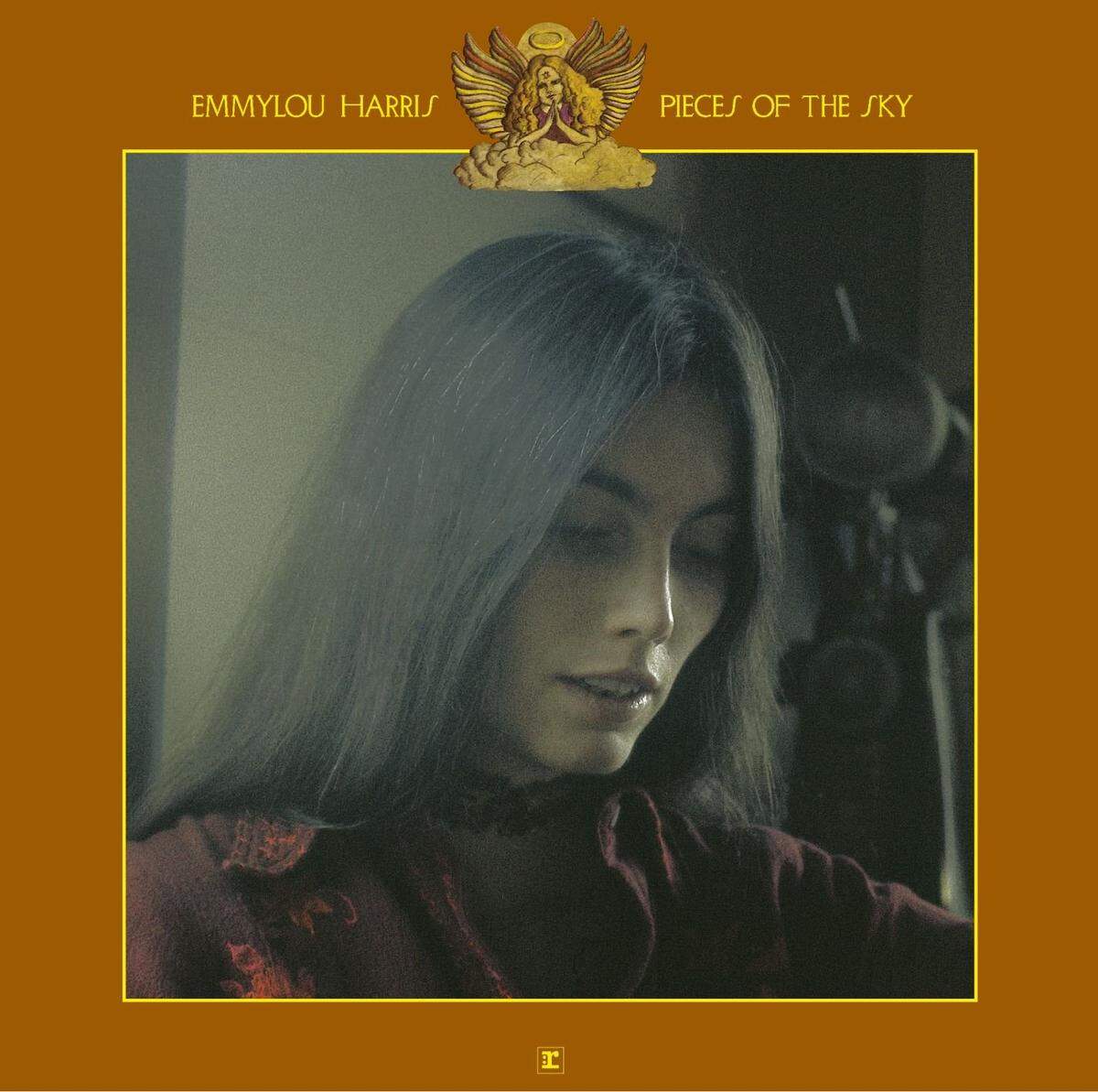
Though technically her second album (the first was a shaky folk-pop piece from 1970), “Pieces of the Sky” stands the rightful and righteous recording debut of Emmylou Harris. It picks up on the fringe inspirations of her late mentor Gram Parsons, tosses in a fresh slant on country tradition and tops it all with a vocal and narrative wisdom all her own. Chapter one in a storied Americana music career.
Led Zeppelin: Physical Graffiti
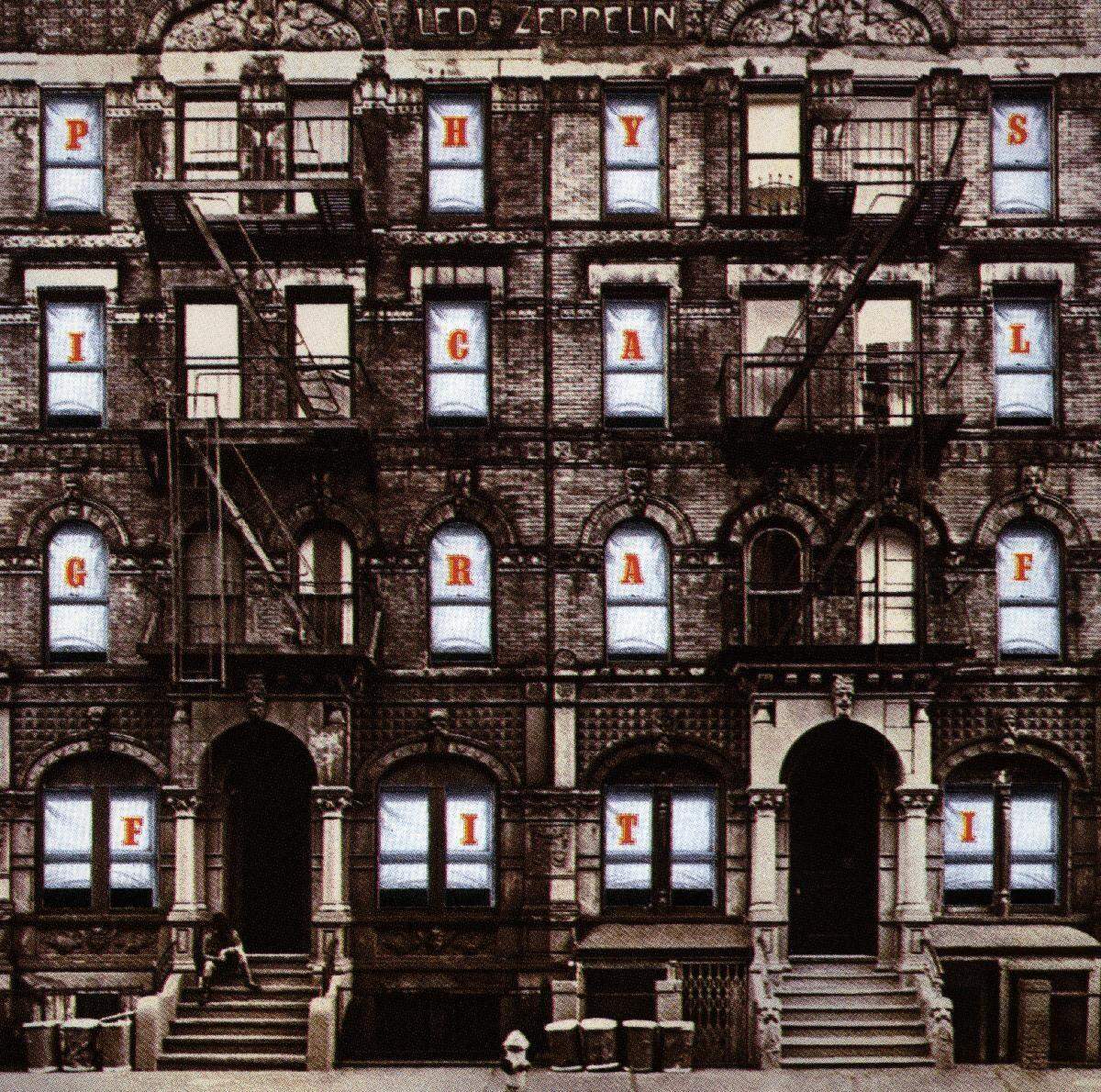
On “Physical Graffiti,” Led Zeppelin made everything big. Jimmy Page, Robert Plant, John Paul Jones and John Bonham let the hard rock tunes rock harder and longer while elements of folk, boogie and even prog bolstered the band’s already massive musical scope. An hour’s worth of new material with scraps from previous sessions added up to a record with a sound as monumental as the Zep’s popularity.
Earth, Wind & Fire: That’s the Way of the World
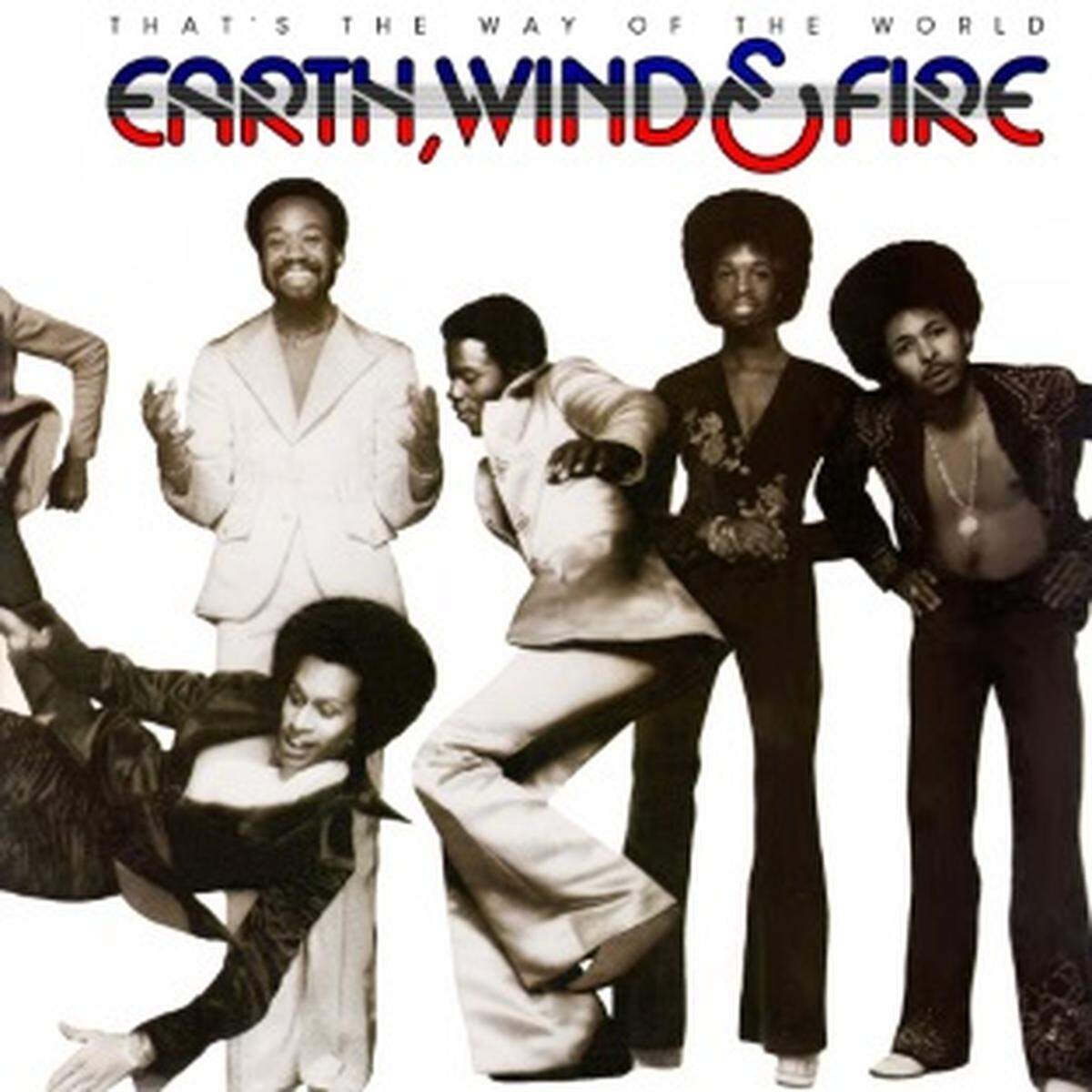
Flirting with crossover success while maintaining high visibility in early ’70s R&B circles, Maurice White and Earth, Wind & Fire hit pay dirt with their sixth album. Led by two huge singles, the Grammy-winning funk hit “Shining Star” and the album’s warmly affirmative pop-soul title tune, “That’s the Way of the World” opened audiences to what became one of the decade’s most popular band of groove merchants.
Jeff Beck: Blow by Blow
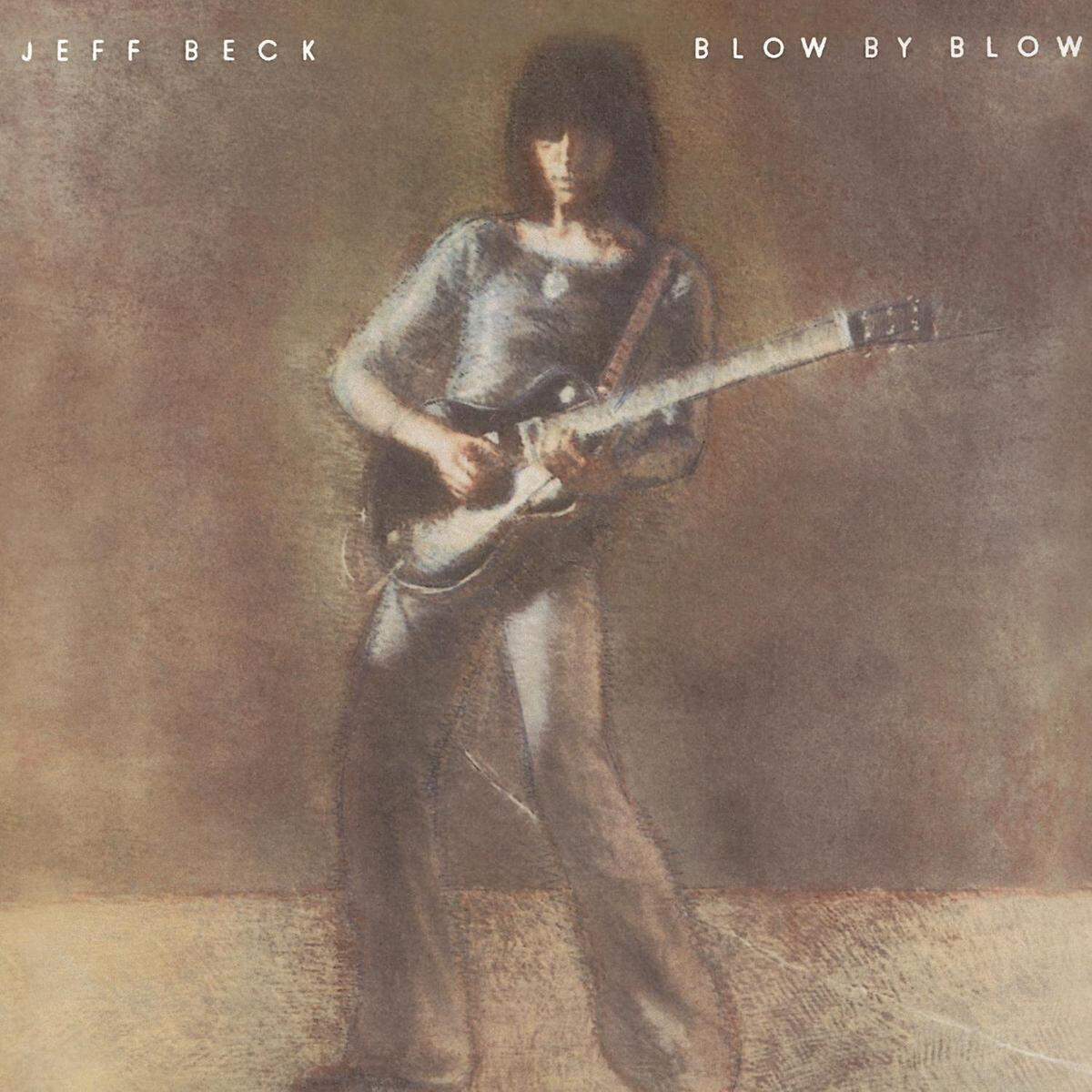
Properly ranked among the finest rock guitarists to emerge from England during the 1960s, Jeff Beck found that, after numerous group projects, he was at his best when he worked on his own. For “Blow by Blow,” his first true solo album, Beck jettisoned the vocalists, teamed with epic producer George Martin and embraced a booming jazz-fusion scene for one of the Seventies’ finest instrumental albums.
Fleetwood Mac: Fleetwood Mac
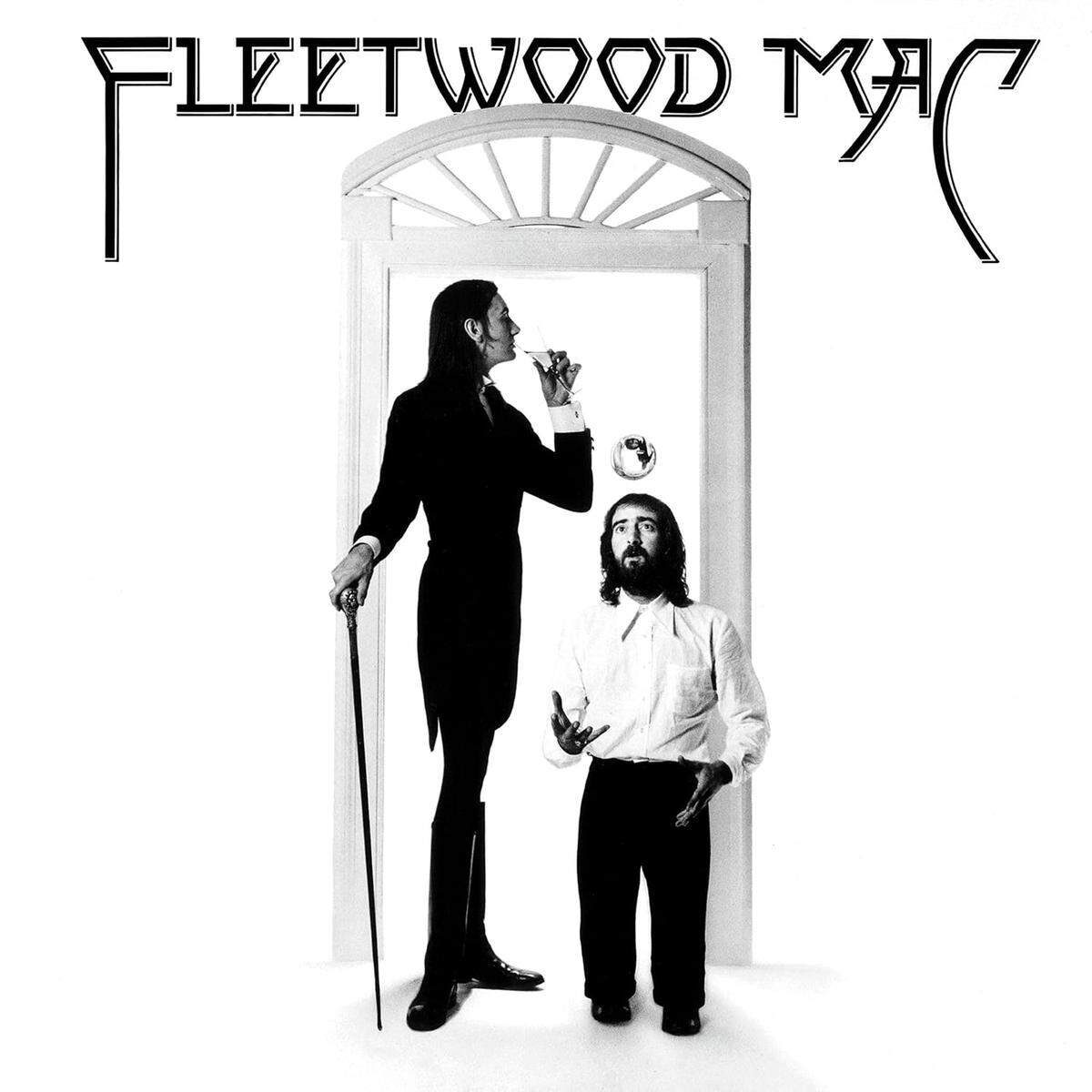
Fleetwood Mac had sped through numerous musical guises (and members) by the time its self-titled 10th album surfaced in the summer of 1975. That changed with the arrival of two California popsters: Lindsey Buckingham and Stevie Nicks. The resulting record would reign on the charts for over a year, sell in excess of 7 million copies and make the previously lumbering Fleetwood Mac an international sensation.
Bruce Springsteen: Born to Run
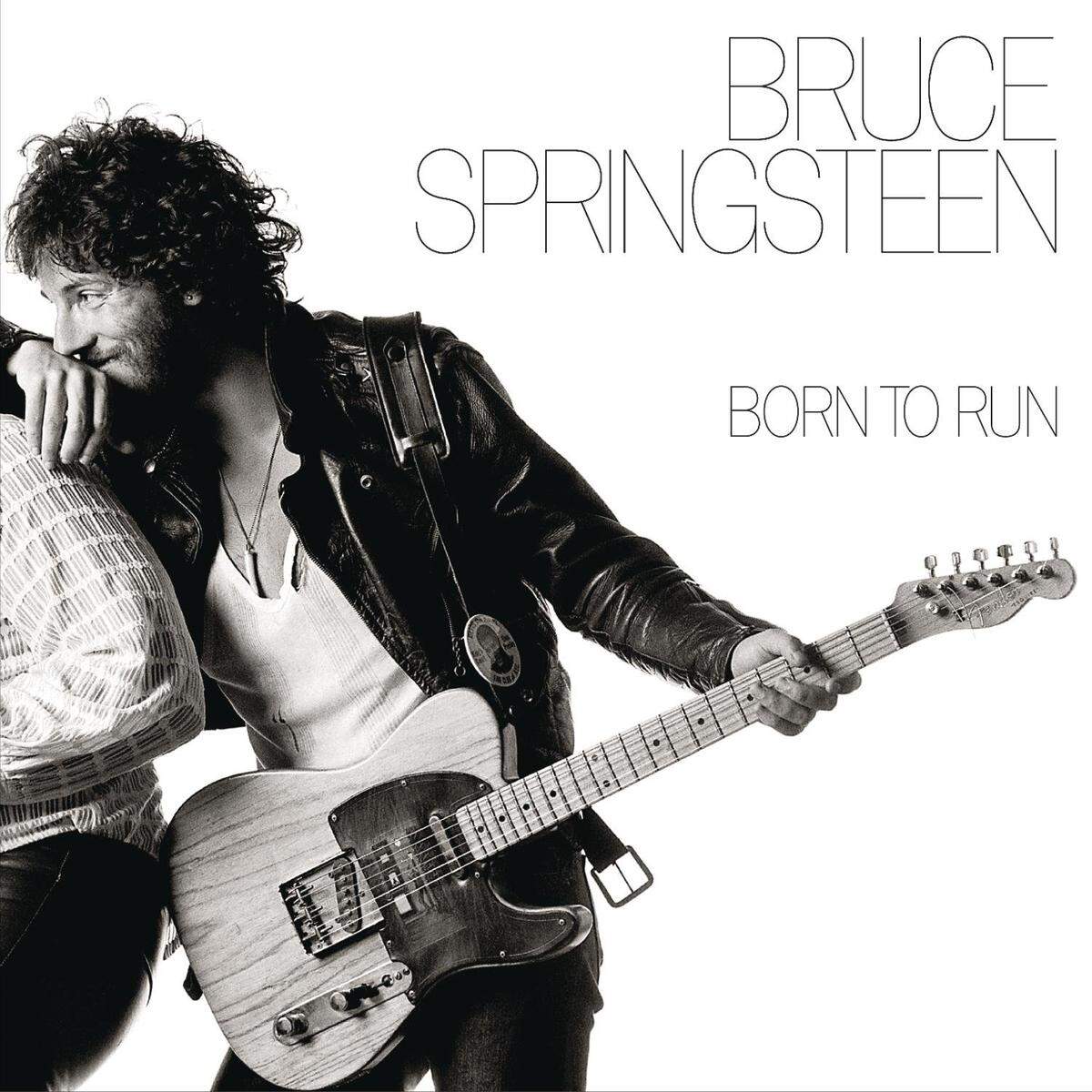
The hype machine worked overtime in the fall of 1975 for the arrival of Bruce Springsteen’s third album. It was productive enough to land The Boss on the cover of Time and Newsweek the same week. But “Born to Run” towered over the mightiest of hoopla. It took ultra-keen stories of youthful faith and restlessness and set them to a level of rock ‘n’ roll grandeur unmatched by any other artist of the day.
Pink Floyd: Wish You Were Here
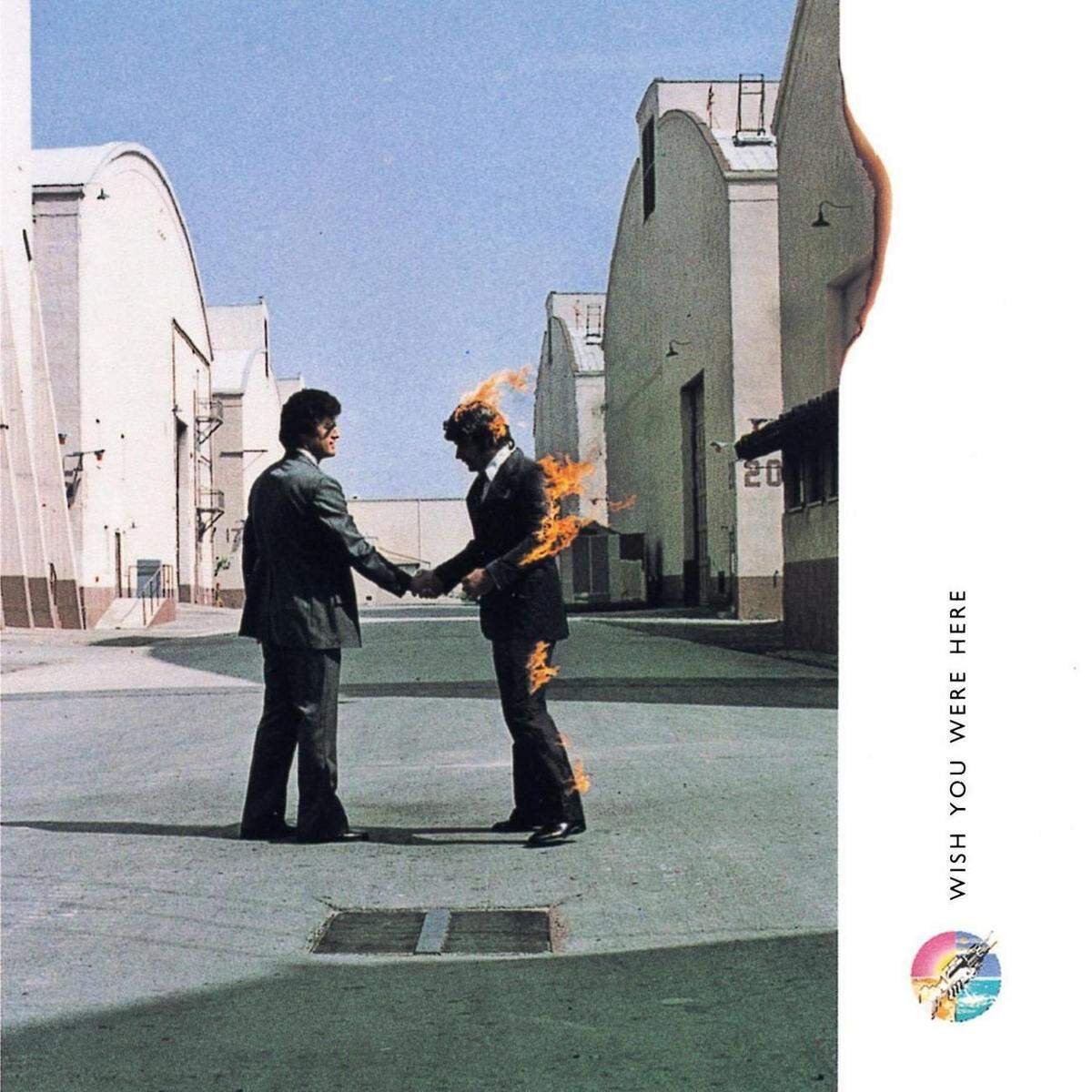
Two years between hit albums is nothing today. In the ’70s, though, it was an eternity. For Pink Floyd, such a layover was necessary to follow-up the 1973 watershed album “The Dark Side of the Moon.” Instead of that record’s expansive mix of prog and psychedelia, Pink Floyd went inside itself on “Wish You Were Here” for a beautifully mournful and eerily ambient requiem to its lost founder Syd Barrett.
Patti Smith: Horses
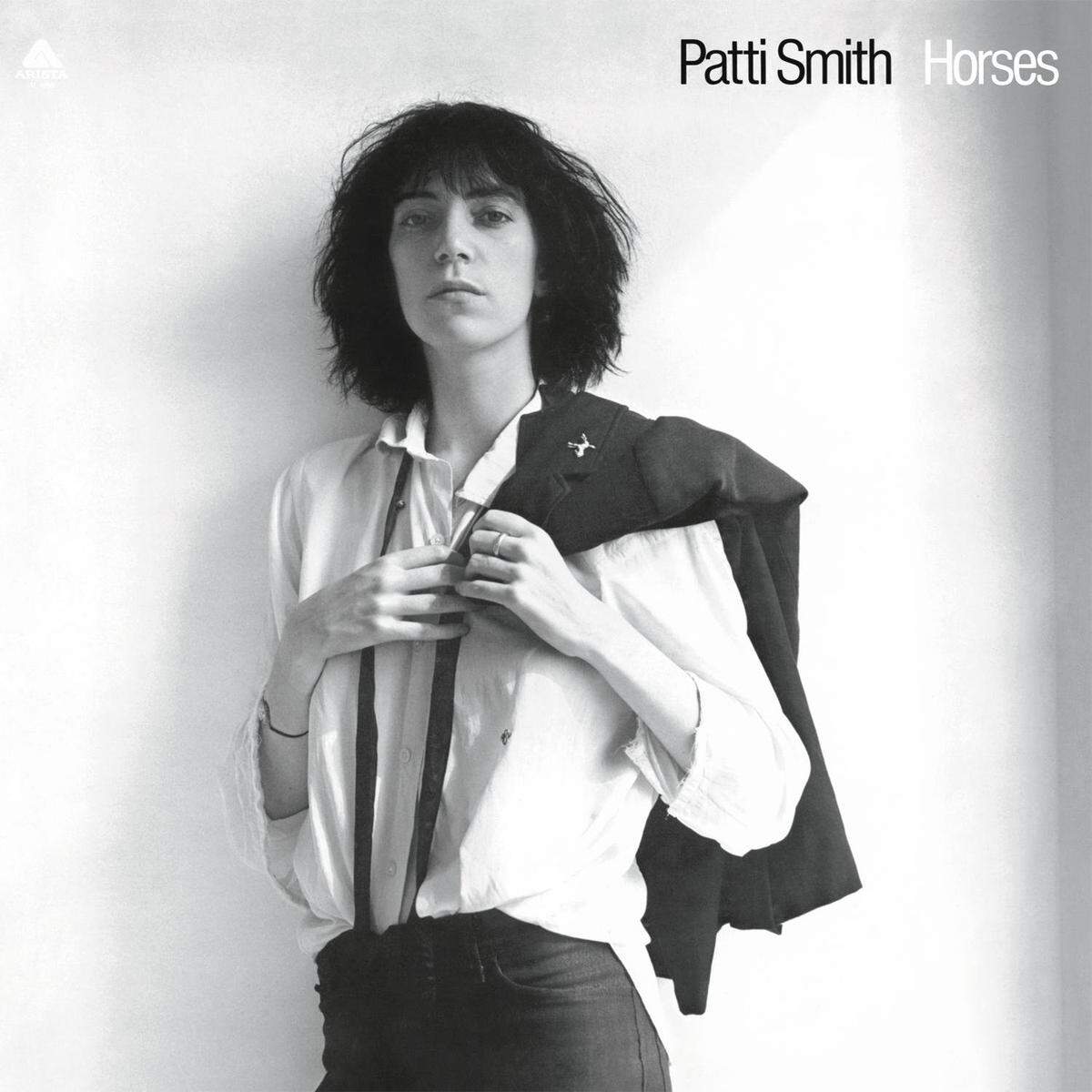
It’s not an exaggeration to claim that Patti Smith’s debut album was as integral to the legitimacy of punk rock as Bob Dylan’s records were to the rebirth of folk two decades earlier. After all, both were (and still are) poets. Magnified by John Cale’s production, “Horses” was a punk record more in aesthetics than in feel. Its stark, deliberate tone is balanced by a wild blend of personal and fantastical imagery.
Parliament: Mothership Connection
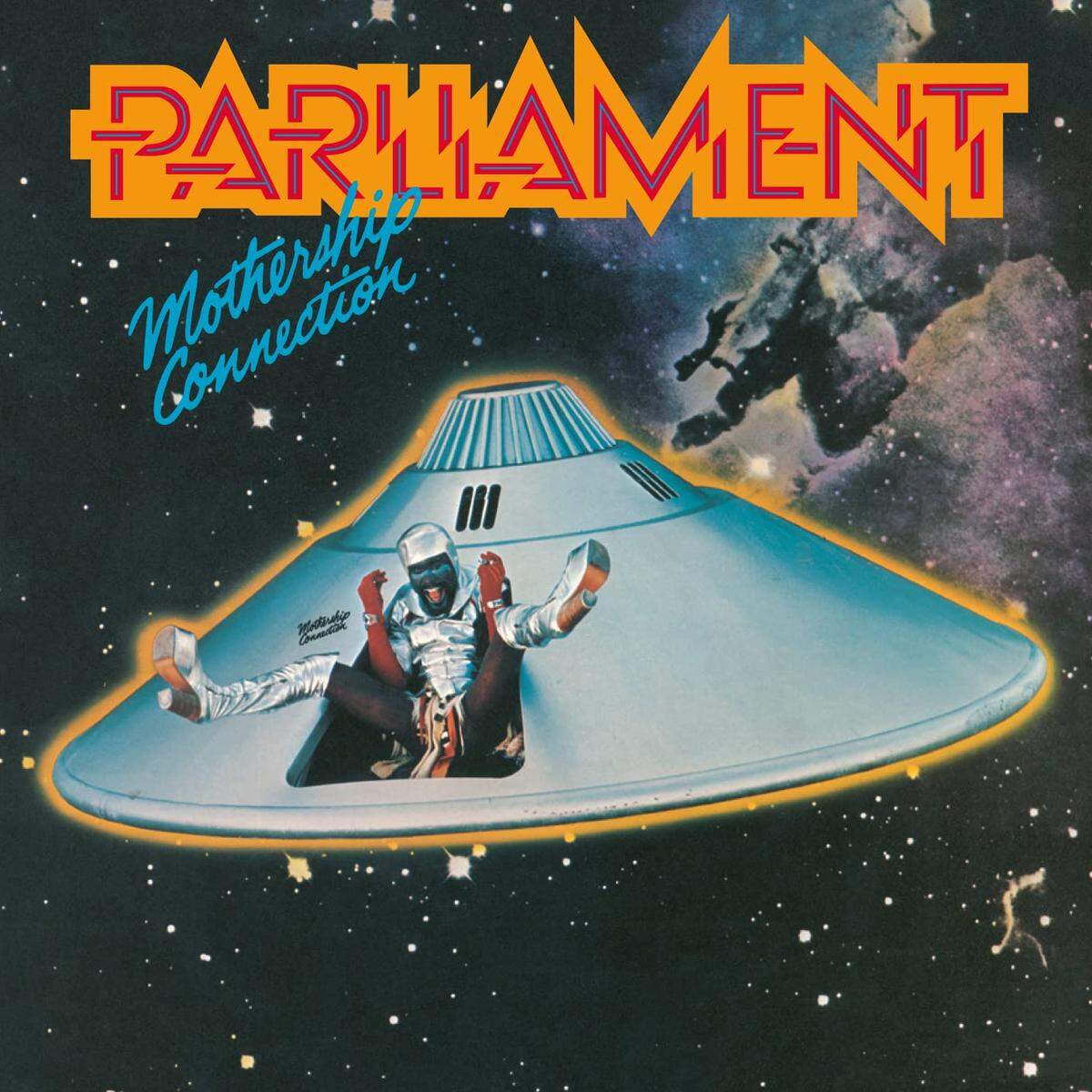
“Mothership Connection” served as the creative and commercial rebirth of George Clinton. With roots that ran from the doo-wop of the ’50s to the psychedelia of the ’60s, Clinton rewired Parliament with disco glam and an almost orchestral approach to hard funk. Enlisting such expert horn aces as Maceo Parker and Fred Wesley from James Brown’s glory days further fortified Clinton’s futuristic funk vision.