
Can free classes help prevent accidental shootings in Kentucky?
The accidental shooting death of a 2-year-old by a sibling in Western Kentucky this week was the third fatal shooting of a young child in Kentucky in a month.
The Barren County sheriff’s office said a juvenile sibling was handling a loaded rifle when the toddler was shot. The child was pronounced dead at the scene.
Last month in Louisville, a 2-year-old boy died after he was accidentally shot in the head. And last week, a 3-year-old boy in Harlan County died after being shot in the head on his front porch.
Between 2012 and 2017, accidental shootings injured or killed at least 36 children in Kentucky, a Herald-Leader analysis showed.
For Doug Ramsey, the director of operations at Buds Gun Shop in Lexington, accidental shootings should be preventable.
“Shootings that are typically classified as accidental are probably negligence,” Ramsey said.
Mark Bryant agrees. In 2014, the Harlan County native founded the Gun Violence Archive, a non-profit database that documents America’s shooting incidents in real time.
But Bryant says the key to preventing unintentional shootings isn’t just learning to properly fire a gun. It’s learning how to store one.
After monitoring America’s shootings for almost five years, Bryant doesn’t expect a ceasefire— ever.
“We’re never going to have zero deaths,” Bryant said. “As long as we have guns, we’re going to have deaths.”
But better storage of guns could prevent two big things, he added: accidental shootings and gun theft.
“It’s not hard,” Bryant said. “This is simple stuff. People don’t do it.”
An instructor at Buds Gun Shop & Range, Kevin Donovan spends hours each week making sure people know more about that “simple stuff”— and he does it for free.
“Tonight,” Donovan told students heading down to the shooting range one evening, “I want you to just feel the gun.”
The Lexington branch of Buds Gun Shop & Range has offered educational outreach since 2007. In May, it made all of its introductory courses free, eliminating a $25 fee.
Free seminars— which discuss topics from gun malfunctions to church security— are often posted on Facebook Live. Women-only courses serve to lessen any intimidation women may feel in male-dominated hunting sports.
Kirsta Haddad showed up for a class this summer — one step closer to her goal of receiving a concealed carry permit. Haddad hopes to find a firearm she can carry during her early morning runs.
“I think it’s a great, a great thing for women to just kind of get over fear,” Haddad said.
For Donovan, the rationale behind free classes is simple: more education might lead to fewer accidental shooting incidents.
“Firearms is a great right that we have in this country,” Donovan said. “And in order to maintain that right, I want people to know how to use firearms safely.”
During a class in late June, Donovan half jokingly told students he doesn’t want to hear about them on the morning radio, where he listens to the stories of accidental shootings in Kentucky.
Bryant, founder of the Gun Violence Archive, rattles off the scenarios, long burned into his memory. A child in Idaho plucks a gun from his mother’s purse in a Wal-Mart. He shoots. A boy in Florida finds a firearm beneath the driver’s seat of his mother’s car. Unknowingly, he pulls the trigger.
Rarely do accidental shootings lead to criminal charges against adults in Kentucky. In 36 cases of accidential shootings involving children studied by the Herald-Leader, eight brought criminal charges. Only three cases ended with somebody serving prison time. Bryant thinks that should change.
“If a child gets shot by their father’s gun or their brother’s gun or whatever, the district attorneys likely will say, ‘that was a tragic accident,’ ‘it was just sad,’ you know ‘those people have been through so much,’” Bryant said.
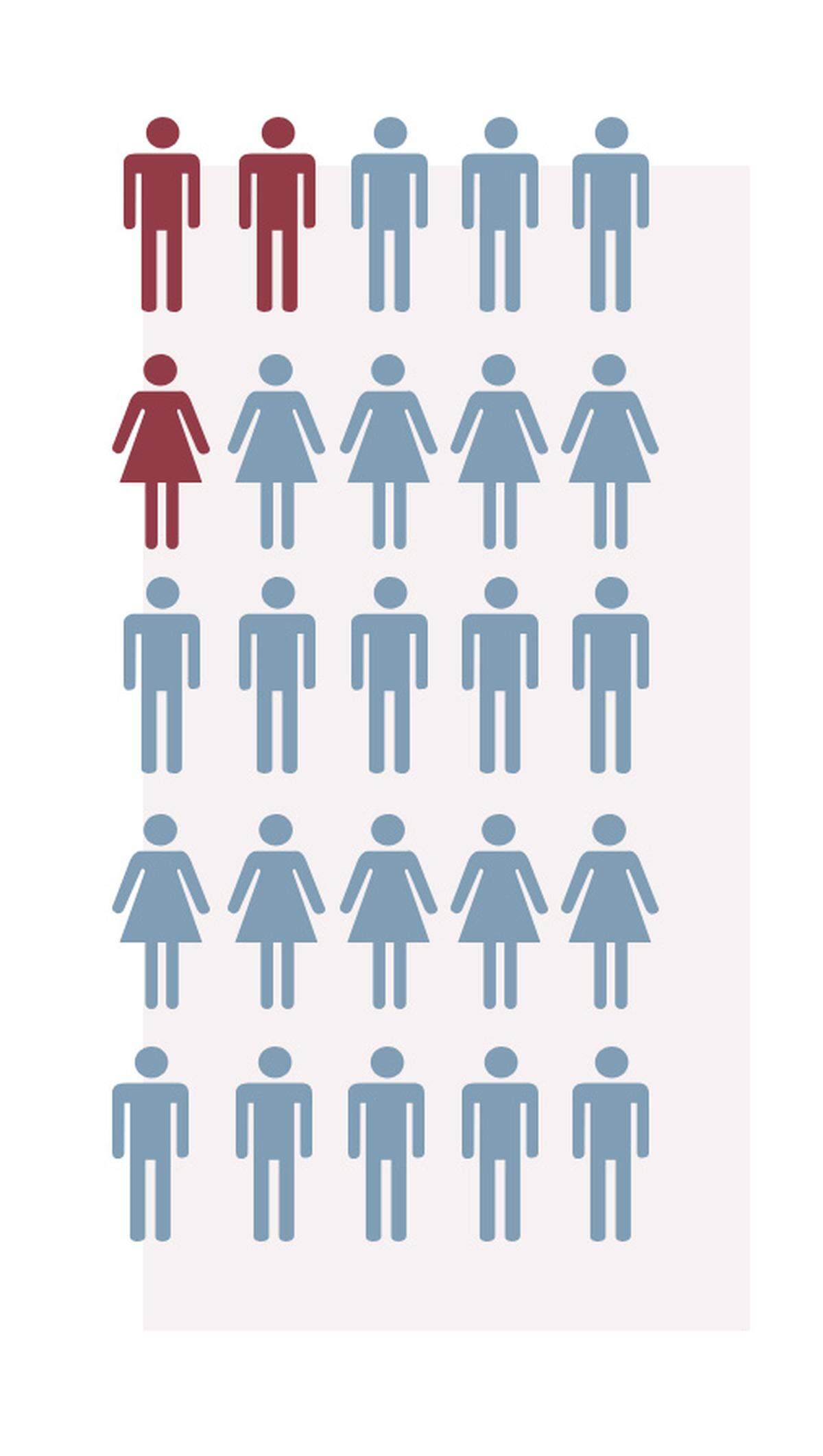
In a poll conducted by Foundation for a Healthy Kentucky, 12 percent of parents said they keep a loaded, unsecured gun in or near their homes. Gun storage laws, which have proven to be effective, were introduced twice in the Kentucky legislature, but neither bill gained traction.
Gun storage isn’t always covered in the introductory classes at Buds. Still, Ramsey said, it’s a priority.
In the corner of the classroom at Buds sits a biometric safe, which requires the owner’s fingerprints to unlock. When there’s time, instructors sometimes provide a demonstration of how to store a firearm.Ramsey suggests investing in a safe.
“You can have a firearm ready to go, but in a manner that only you have access to,” Ramsey said. “That’s a big difference.”
Bryant, a gun owner who’s been shooting since the age of five, said he’d emphasize safe storage in a firearms course.
But first, he’d ask people why they want a firearm.
Self defense, often a reason for gun ownership, makes up a small fraction of shooting incidents according to Bryant’s statistics: about 3.3 percent in 2017.
“Are there defensive gun uses? Absolutely,” Bryant said. “Are there a lot of them? No. There just are not.”
This story was originally published September 5, 2018 at 10:19 AM.