What sets Maker’s Mark apart from 95 percent of bourbons? Wheat. Can it be improved?
Maker’s Mark is doing a deep dive into the grain that makes its Kentucky bourbon special, the wheat.
Bourbon makers long have experimented with almost everything that goes into making Kentucky’s signature drink, from the barrels to the oak trees, from the corn to the weather.
Despite that, the process at Maker’s Mark has varied little.
“Seventy years we’ve been here making the same whisky,” said Jane Bowie, director of innovation for the distillery.
But big experiments are going on underneath that could result in new kinds of wheat one day, if they can unlock the secrets of flavor in the grain.
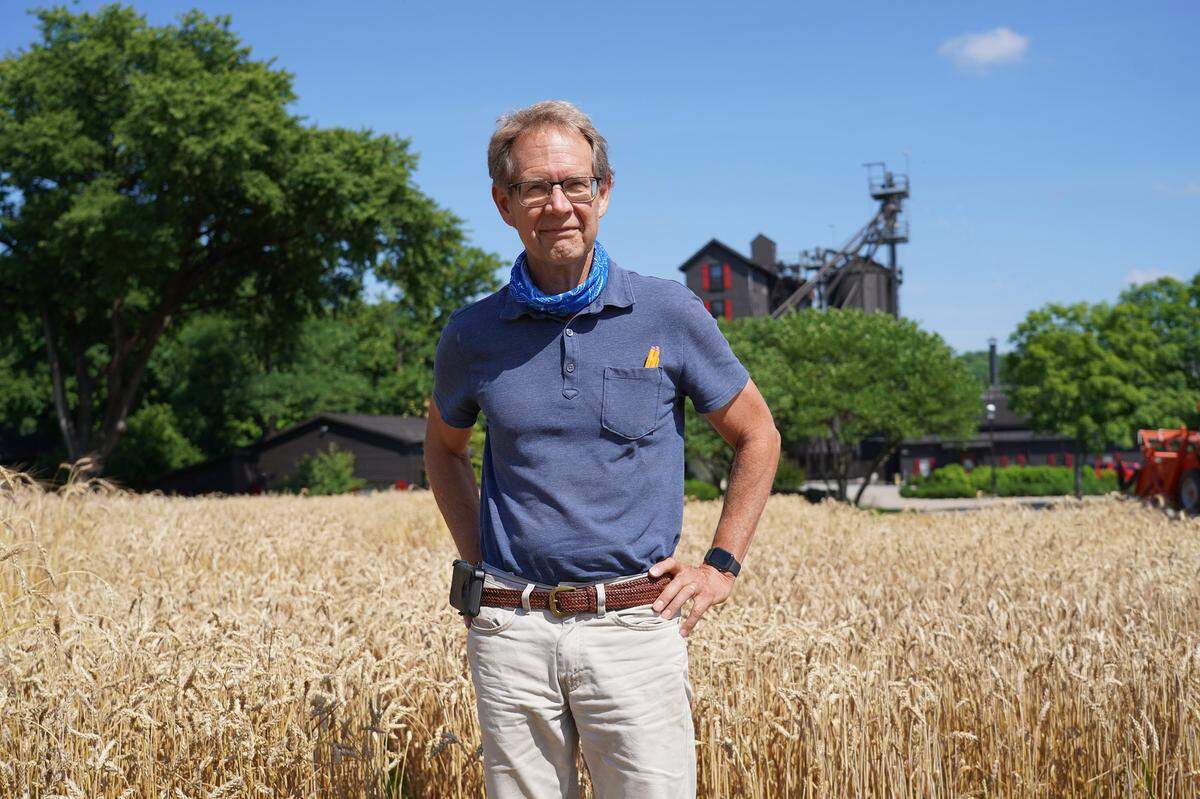
For the five years, the Kentucky distillery that is the biggest seller of “wheated” bourbon in the world has been working with University of Kentucky agriculture professor David Van Sanford to evaluate different strains of wheat.
Maker’s Mark asked for his help figuring out what different flavors wheat can contribute to their bourbon, which is one of the relative few made with wheat rather than rye as the secondary grain (the main grain being corn).
Buffalo Trace, which makes Weller and Pappy Van Winkle, and Heaven Hill also make wheated bourbons. But Maker’s Mark Distillery president Rob Samuels still estimates that more than 95 percent of bourbon is made with rye instead of wheat.
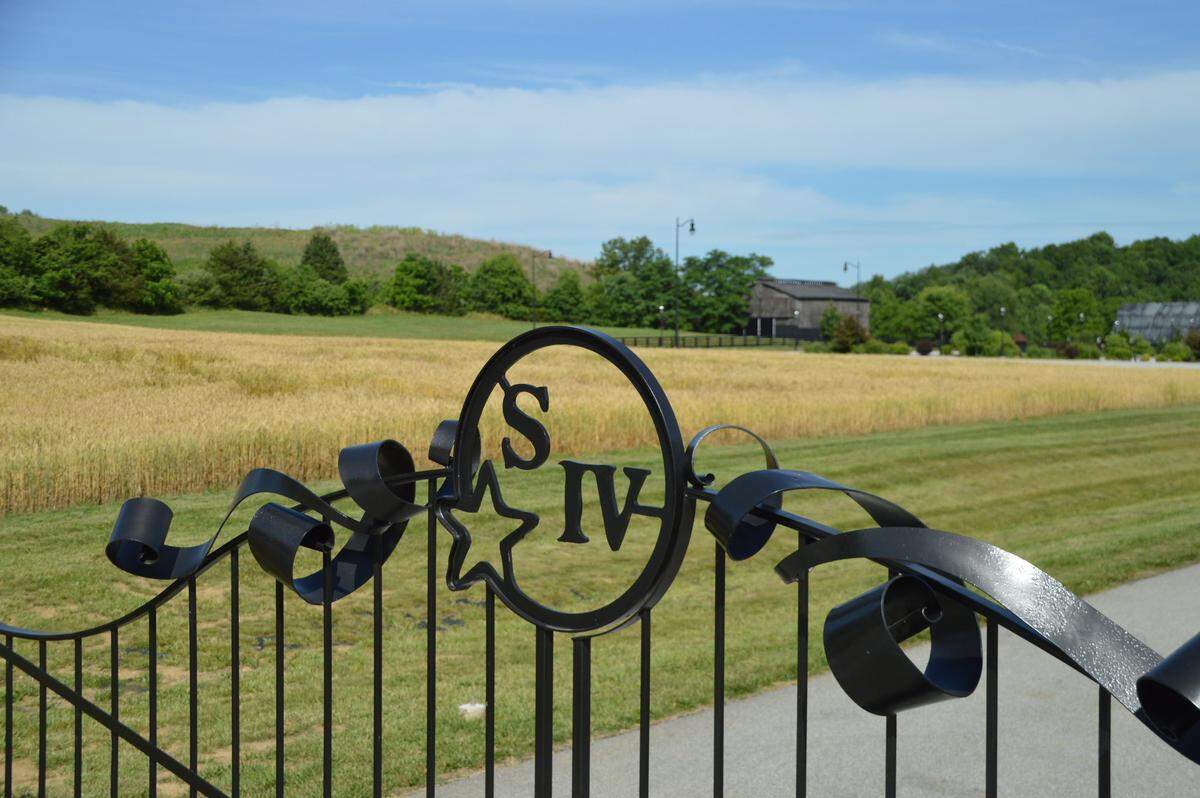
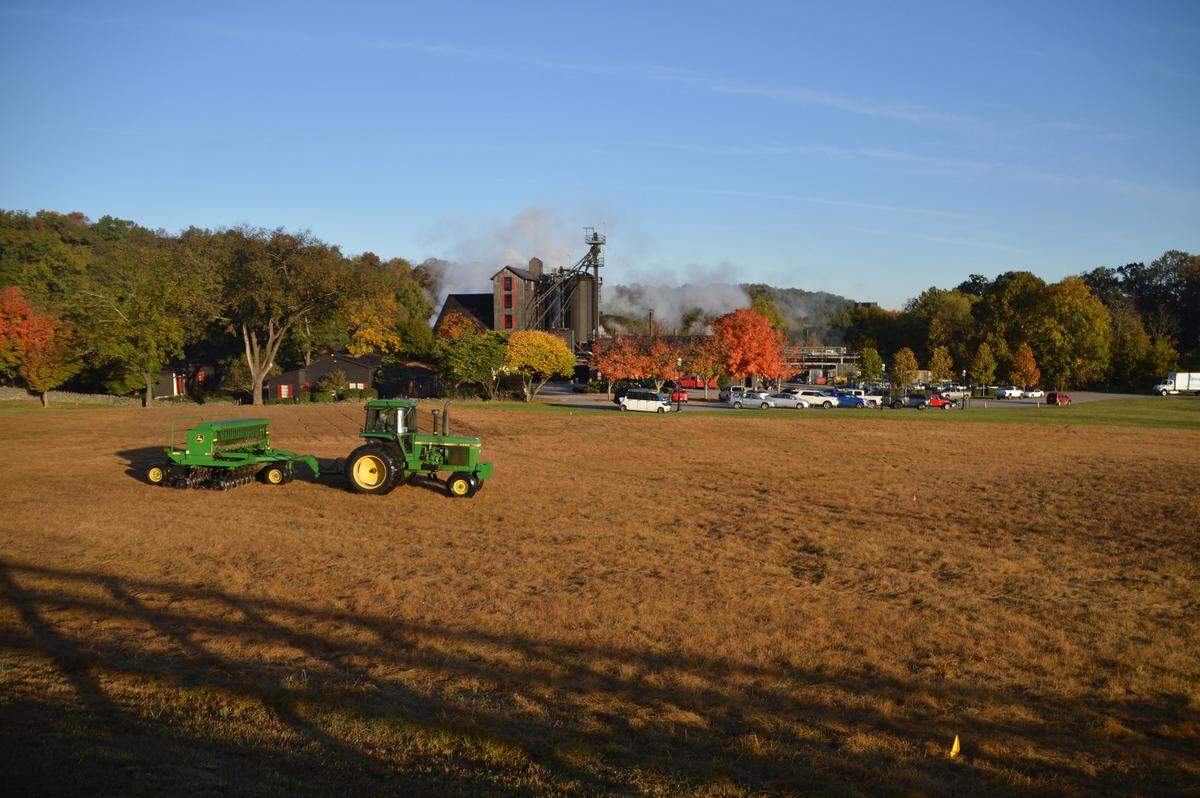
They began planting different varieties on 1,000-acre Star Hill Farm in Loretto or neighboring farms.
“What we’re doing is providing samples from those plots and Maker’s Mark is doing sensory evaluation, choosing which varieties to grow to ultimately affect the flavor,” said Van Sanford, who is an expert in wheat breeding and genetics.
Wheat has generally been seen as a more bland grain, something to soften the dominant corn. But now that is being questioned.
“We all have this preconception that its softer and rounder that maybe it’s not going to bring that much to the table but it really seems to,” Van Sanford said.

“You’d be shocked,” Bowie said. She’s nosed wheat varieties that have fall spice characteristics “like a pumpkin chai latte” as well as versions that have that classic Play-doh scent.
“You have to wonder how that translates. All I do all day is study where flavor comes from,” Bowie said. “There’s an ag side and a manufacturing piece. For so long the focus (in distilling) has been on the manufacturing … we’re obsessed with process. The move in the last 15 years has been on the ag side. These are the ingredients. We want to understand our ingredients.”
Working with Bowie and Samuels, Van Sanford has been testing about 30 varieties. The criteria: Unique flavor, quality yield and must grow well in Kentucky.
“We’ve found some that we really like,” Van Sanford said.
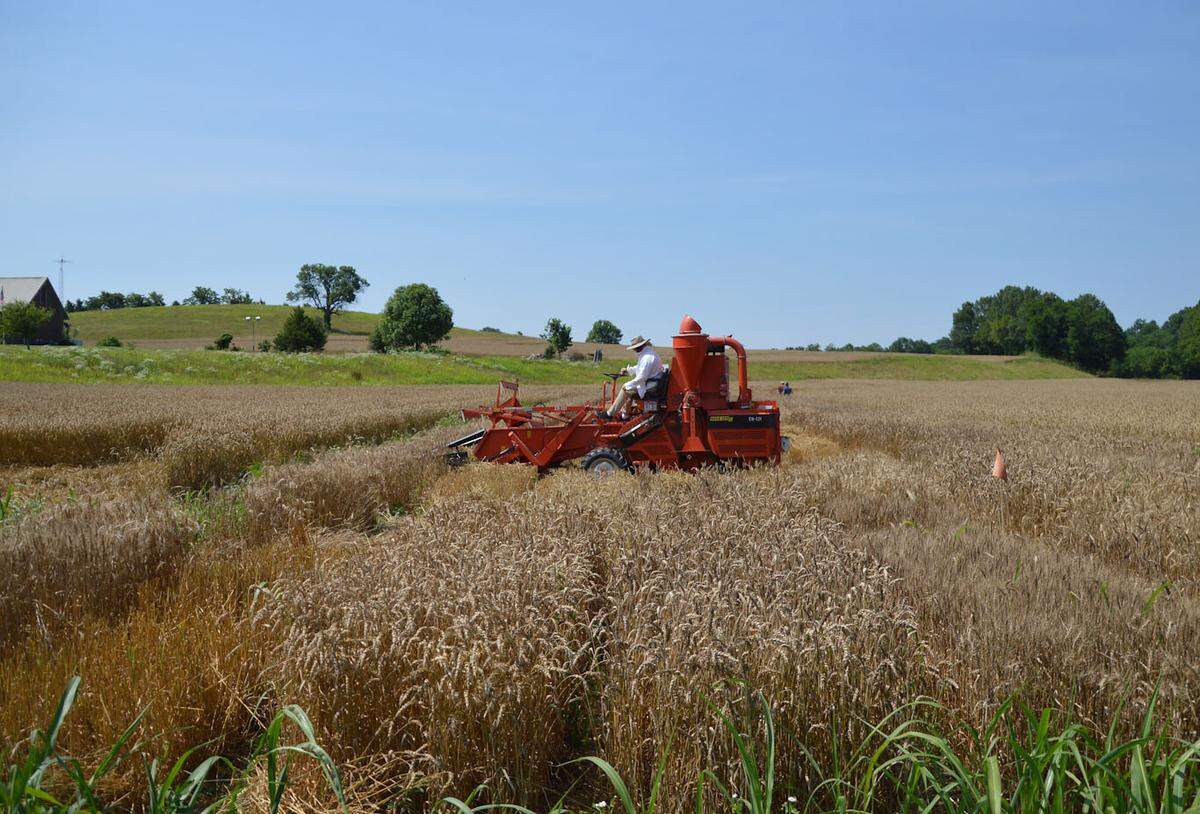
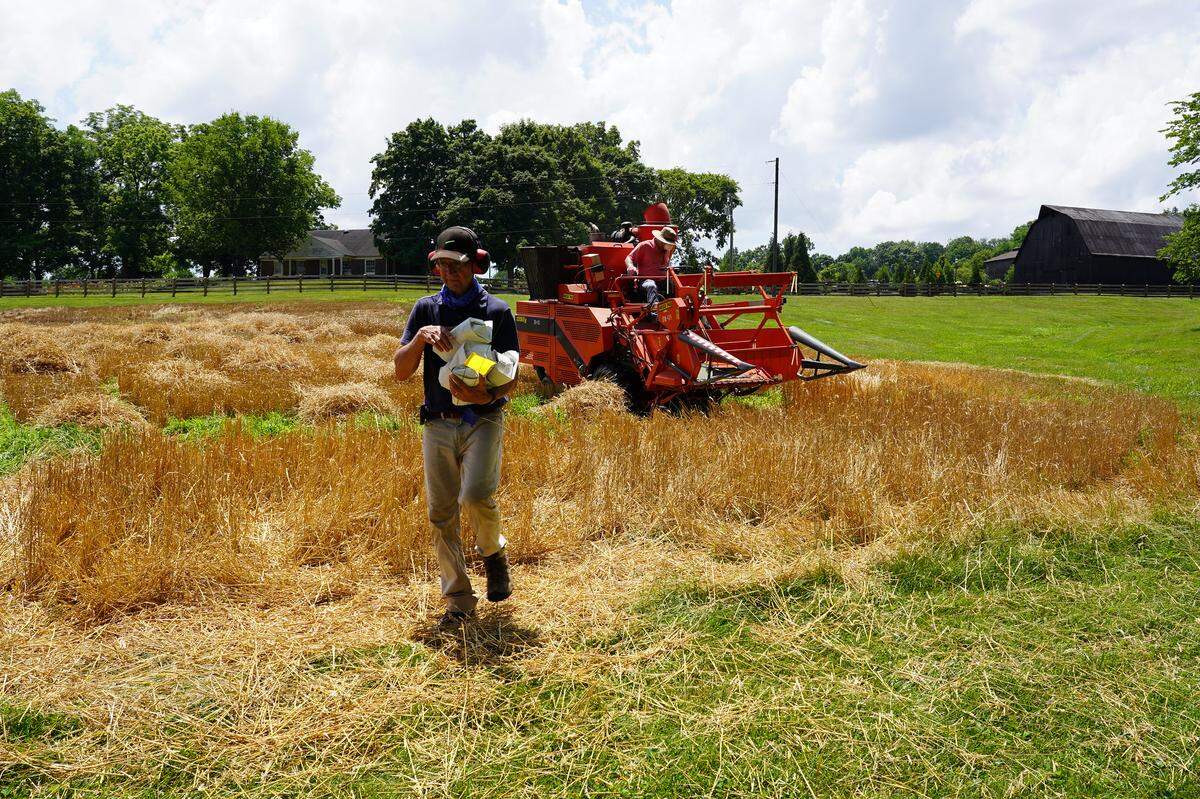
Bowie, who is also master of maturation, said they began questioning where the flavor comes from in the wheat. Is it variety? soil? farming practices?
“The answer is yes, all,” she said. “It’s a Pandora’s box.”
The distillery had been watching the movement in the baking industry to reverse decades of farming practices, credited with saving millions from starvation, that had turned wheat into the commodity it is today.
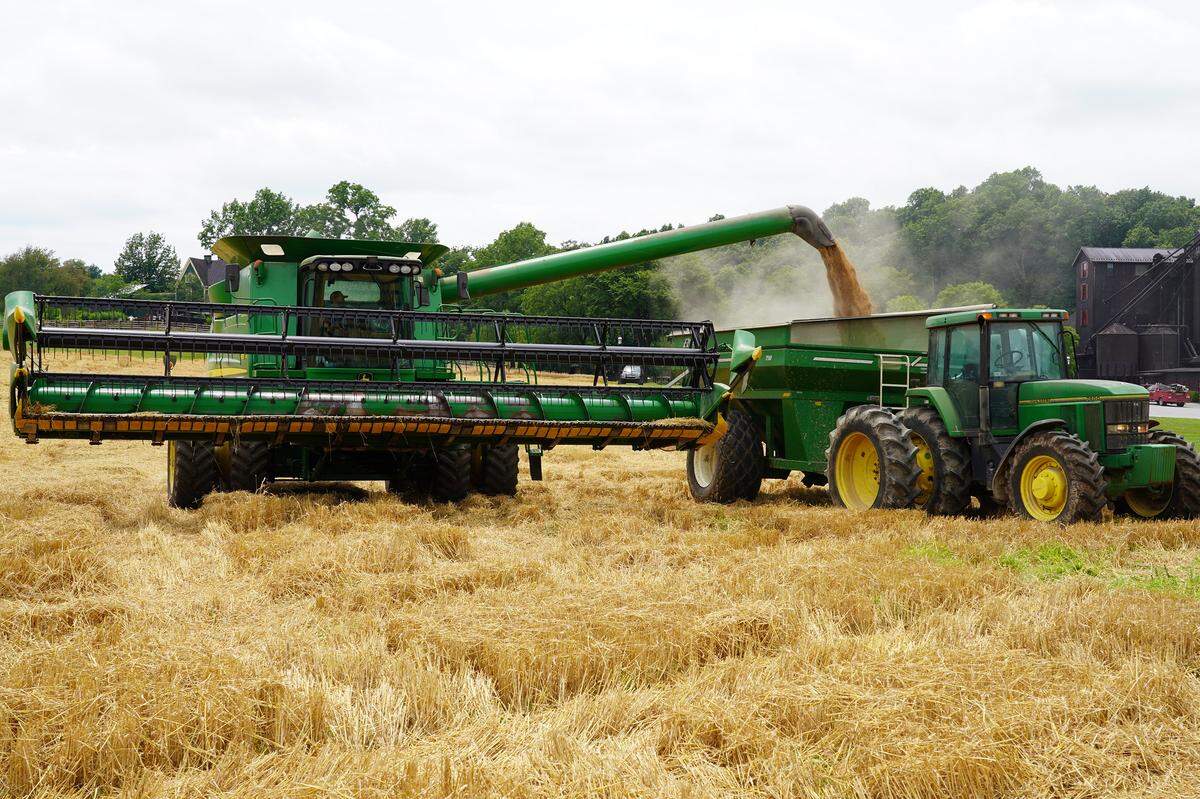

Samuels said that until the Norman Borlaug’s Green Revolution, wheat “was always grown locally. What he was able to accomplish through cross breeding was a shelf-stable wheat variety that could be sent all over the word. But in the process a lot of flavor was lost.”
Today, even though Maker’s Mark is made from locally grown wheat, it is pretty much all one kind, the Pembroke variety of soft red winter wheat developed by the University of Kentucky. And not much like what would have been grown 70 years ago.
“It’s Wonder Bread,” Samuels said. “And we’re flipping that on its head.”
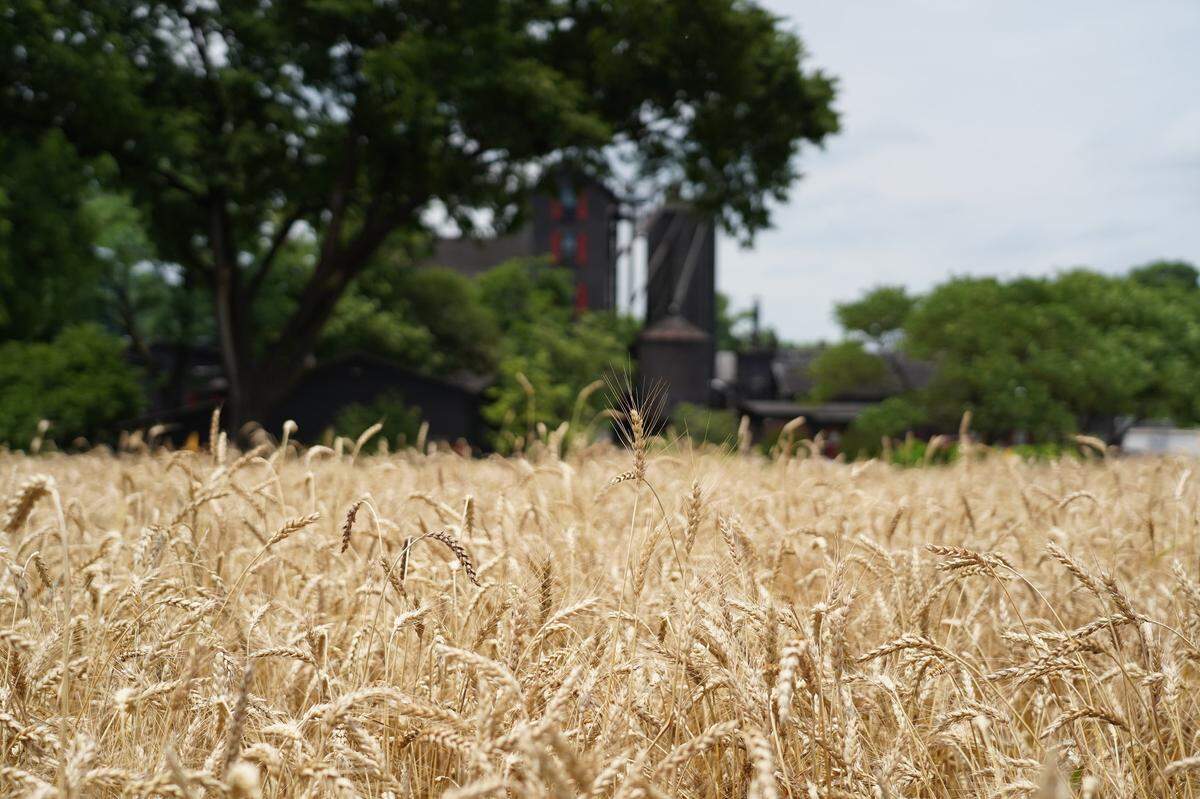

Looking out his window from his office at the distillery, Samuels said he can see fields where different varieties of modern wheat have been planted. The results from past harvests have been used to bake loaves of bread to evaluate the resulting flavors.
They also are evaluating what happens to the wheat flavors after it goes through the distillation process and aging. And that can take years. Decades even.
But Samuels has big hopes.
“We believe we will achieve unique varietals of wheat that push flavor boundaries. That’s the big dream, to have a Maker’s Mark varietal of red winter wheat,” he said. “We’re going to begin to take this research beyond the farm in the not too distant future.”
They also are hoping to prove that farming practices impact flavor, he said.
“Flavor and sustainable farming go together and we want to prove it,” Samuels said. “That’s a really important part of this vision, to use the profile of the Maker’s Mark brand to do good in the community, well beyond even Kentucky.”
This story was originally published January 10, 2022 at 6:00 AM.