Bourbon warehouse construction put on hold while Kentucky county rethinks zoning
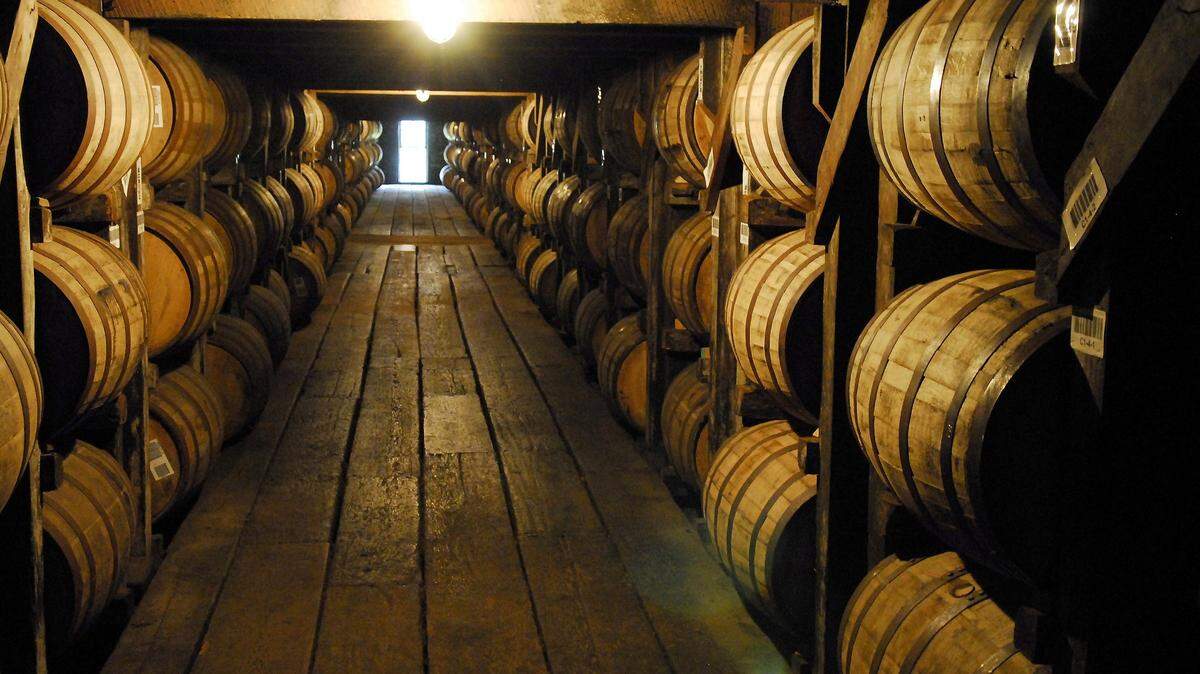
Nelson County, home of some of Kentucky’s biggest distilleries including Heaven Hill and Jim Beam, voted Thursday to temporarily block new bourbon warehouse construction in and around Bardstown.
The fiscal court approved a halt for 30-60 days while the joint city-county planning commission reviews “all regulations for distilled spirit storage facilities” in areas zoned for agriculture. Bullitt and Marion counties also have signaled they also will not welcome new bourbon warehouses now.
Nelson County Judge-Executive Tim Hutchins said Friday the pause will go into effect on May 16. He said they plan to have public meetings on potential changes for where and how bourbon warehouses can be built.
“We want to address impact of aesthetics, to make sure they don’t devalue neighboring properties,” he said. He said the county hopes to establish guidelines for buffers and other measures to protect homes and county roads. Water supply and fire and safety issues also will be addressed, Hutchins said.
Residents in several Kentucky counties have opposed distillery warehouse expansions because the alcohol vapors from aging barrels fuel the growth of a black mold-like growth known as whiskey fungus.
According to the policy passed Thursday, the fiscal court “has concerns that the increase in distilled spirit storage facilities has resulted in a loss of agricultural land, may become a burden on public services and infrastructure, has altered the character of Nelson County, and may potentially create challenges for our citizens.”
Nelson County plans to review and recommend new regulations that, among other things, will “minimize the burden on public services and infrastructure, encourage the protection of the character of the community and allow citizen input through the public hearing process.”
Nelson County previously made it possible for bourbon makers to build warehouses on 100-acre tracts of agricultural land without any zoning approval.
Hutchins said he and other county officials met with representatives of Jim Beam and Heaven Hill, who agreed to support the policy change.
Construction projects that have already been approved will not be impacted, according to the fiscal court.
The move comes just over a month after the Kentucky General Assembly voted to give distillers another tax break that will end the taxes paid to counties and cities on aging bourbon.
The “barrel tax” was repealed over the objections of the leaders of counties like Nelson, Bullitt, Marion, Woodford and Franklin and cities like Bardstown, who told lawmakers that local budgets for fire protection, water and sewer lines and other items would be gutted.
The bill was approved on the last day of the legislative session and Gov. Andy Beshear signed it into law March 31.
The tax will begin to sunset with the 2026 tax year and end entirely by 2043.
Bourbon distilleries paid $40 million in state taxes for aging barrels in warehouses in more than two dozen Kentucky counties. The Kentucky Distillers’ Association, lobbying on behalf of the distillers, argued that the tax was unfair and hurt growth, although the bourbon industry reported record growth and new investment in recent years.
It isn’t clear what the total impact of the tax break for bourbon will be for the counties or for the state.
According to one version of a fiscal note prepared for the bill, the reduction in state and local tax receipts is an estimated $249 million; the bill also allows distilleries to claw back another $192 million in taxes from the state, according to the fiscal note.
And the state will have to pay millions to shore up school budgets once the barrel tax sunsets completely.
Hutchins said he has proposed setting up a rainy day fund using $400,000 a year for the next 10 years from the barrel tax receipts, which could be used to offset future losses.