New bourbon tariffs could be ‘catastrophic’ for Kentucky distillers, experts say
Kentucky bourbon makers are bracing for impact, as new trade tariffs under President Trump could threaten years of gains in the industry.
Bluegrass bourbon companies have largely rebounded since 2018, when tariffs issued by Trump during his first term wreaked havoc on the industry. Retaliatory tariffs by the European Union cut exports by 25%, sales plunged by $200 million and prices rose for some consumers.
Those tariffs were suspended in 2021 under former President Joe Biden, and sales of American whiskey bourbon soared again. By 2023, they reached $1.4 billion.
But Trump, inaugurated Jan. 20 for his second four-year term, said Monday that he plans to introduce a broad range of new tariffs, though he has not yet decided on specifics.
But if the trade climate doesn’t shift soon, bourbon makers could be looking at twice the hit: The European Union is set to implement 50% tariffs on American whiskey in March if disputes over steel and aluminum are not resolved.
Thirty-eight states export American whiskey: Tennessee, home to Brown-Forman’s Jack Daniel’s, exports the most, while Kentucky, home to most major bourbon brands, ranks second.
A large chunk of those sales go overseas — and 50% of overseas sales go to the European Union.
“The spirits industry thrives in markets where there is zero for zero tariffs, and that helps American whiskey and Kentucky bourbon,” said Chris Swonger, CEO of the Distilled Spirits Council of the U.S.
Double the impact of previous tariffs
The results of dueling tariffs could be “catastrophic,” Swonger said.
If a 25% tariff resulted in a 25% drop in exports, then a 50% tariff could mean a 50% impact, he said.
Swonger said he and other spirits advocates “are working feverishly” behind the scenes with the new administration and others to find solutions to protect spirits makers.
Add to that the possibility raised by President Trump of new tariffs involving Canada and Mexico as soon as Feb. 1, and the Kentucky spirits economy could start to look more like a glass half empty than half full.
“Many companies have American whiskey, a cognac, a tequila, a Canadian whiskey, a Scotch, an Irish whisky, liqueurs ... So if we get in a tit-for-tat trade dispute, companies could be impacted on both sides of the Atlantic, and the north and south,” Swonger said.
What Beam, Brown-Forman have said
U.S. spirits makers face painful choices:
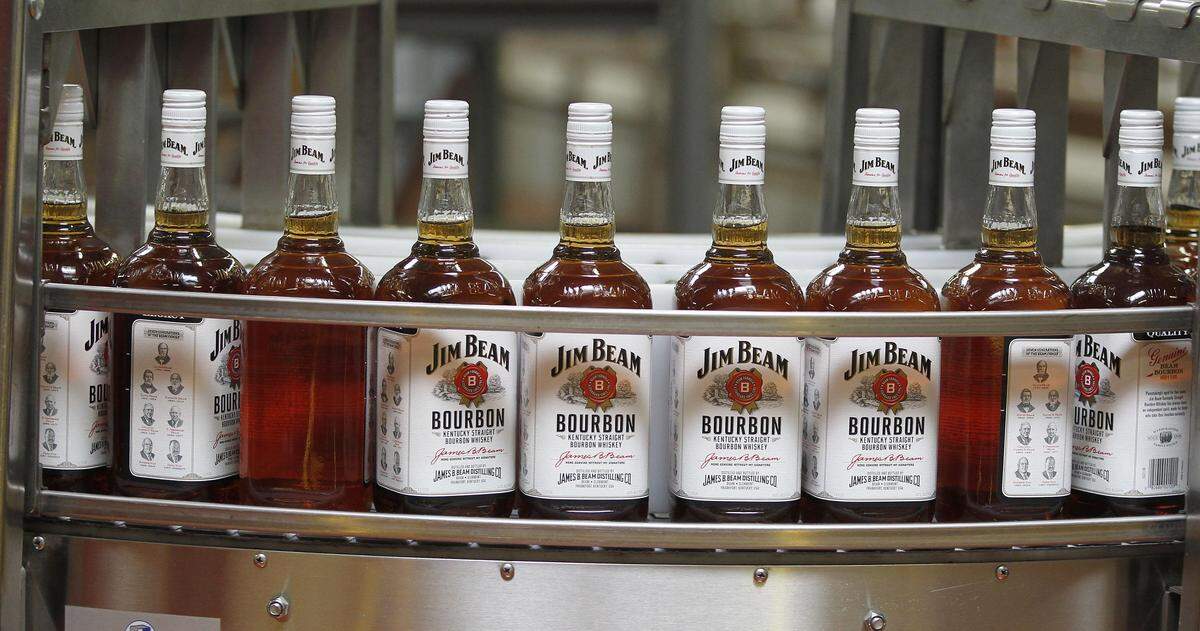
▪ Beam Suntory, which sells Kentucky-made Jim Beam, Maker’s Mark, Basil Hayden and Knob Creek bourbons around the world, has been stockpiling products in Europe in an attempt to circumvent the tariffs. Suntory Holdings CEO Tak Niinami said in a Jan. 21 interview at the World Economic Forum in Davos, Switzerland, that higher prices could be coming.
▪ Louisville-based Brown-Forman, which owns the top-selling American whiskey in the world in Jack Daniel’s, as well as the premium bourbon Woodford Reserve, reported losing more than $125 million during the last round of tariffs and said it was forced to raise prices to cover the costs.
In a December earnings call, Brown-Forman CEO Lawson Whiting was “proactively preparing for a variety of scenarios and have implemented mitigation strategies for our portfolio of brands around the world.”
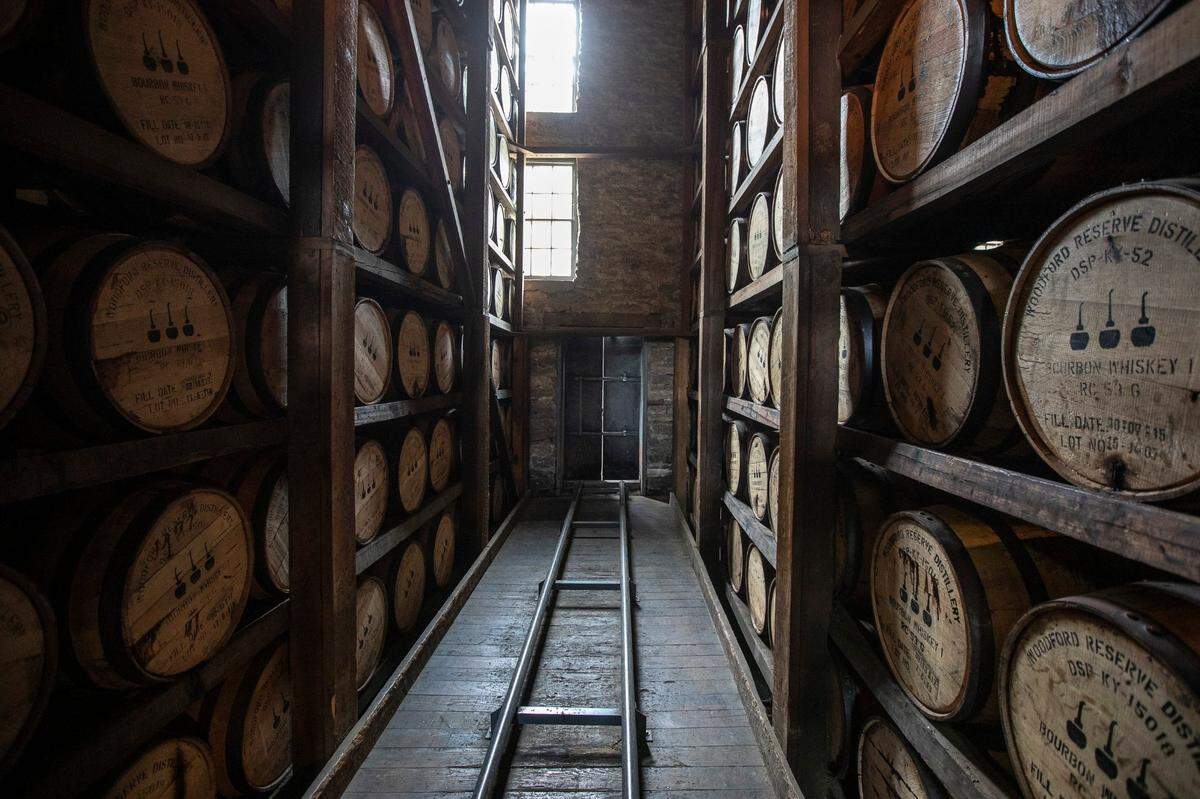
A month later, the Louisville company announced it was laying off 12% of its workforce and closing a historic cooperage.
Multiple trade wars?
A potential trade war with Mexico and Canada could have an even broader impact, Whiting said.
“Now, we’re obviously talking imports — welcome to the party, the rest of our industry. We have been suffering alone, essentially, for all these years on the threat of tariffs, and now it’s got much, much broader,” Whiting said. “Obviously, American whiskey is much bigger than tequila for us, but neither one is good for us.”
Not only would U.S. companies face foreign tariffs on American whiskey and bourbon they ship overseas, this time they would also face U.S. tariffs on tequila they import from Mexico and on Canadian whiskey for American drinkers.
Trump has said he wants to put a 25% tariff on all products coming into the U.S., perhaps as early as February.
On Jan. 20, Trump’s Inauguration Day, Ontario Premier Doug Ford said he told the liquor control board to remove all U.S. spirits from stores if tariffs are imposed.
“I’ve sent a direction to the LCBO that if these tariffs come to clear off every bit of U.S. alcohol off the shelves. Let’s start promoting more Ontario-made wines, and the vodkas, the spirits. That’s what we need to do,” he said. “We are the largest purchaser of alcohol in the entire world. They will feel the pain. I will make sure I communicate this to our other premiers that they should be following suit.”
Impact on small labels
Any of those changes could have massive implications not just on large Kentucky spirits companies, but small ones too.
Swonger said the USDA helps promote American whiskey overseas and the Distilled Spirits Council helps craft distilleries like the James E. Pepper Distillery in Lexington access foreign markets.
After tariffs imposed during Trump’s first presidency, James E. Pepper owner Amir Peay had to scrap plans to ramp up distribution in Europe. Peay declined to be interviewed for this article.
“There are craft distilleries sprinkled all around the U.S., including in Kentucky, and many of those are excited about exporting their brands,” Swonger said. “When the tariffs were imposed, they just stopped. And jobs were impacted as well.”