Relive ‘Bourbon Pompeii’ and other early KY distilleries with whiskey archaeologist
AI-generated summary reviewed by our newsroom.
- Nick Laracuente talks bourbon archaeology, including the 'Bourbon Pompeii' site.
- Volunteer-led excavations a decade ago uncovered distillery sites and early distilling artifacts.
- Laracuente shares findings on Sept. 20 during Bourbon and Archaeology Month.
The man known as Kentucky’s “bourbon archaeologist” has a confession to make: When he started this gig, he wasn’t even into whiskey.
“I had a little bit of a little bit of bourbon in undergrad and grad school, but I definitely was not any kind of bourbon connoisseur,” said Nick Laracuente, best known for his work on Buffalo Trace’s “Bourbon Pompeii” site.
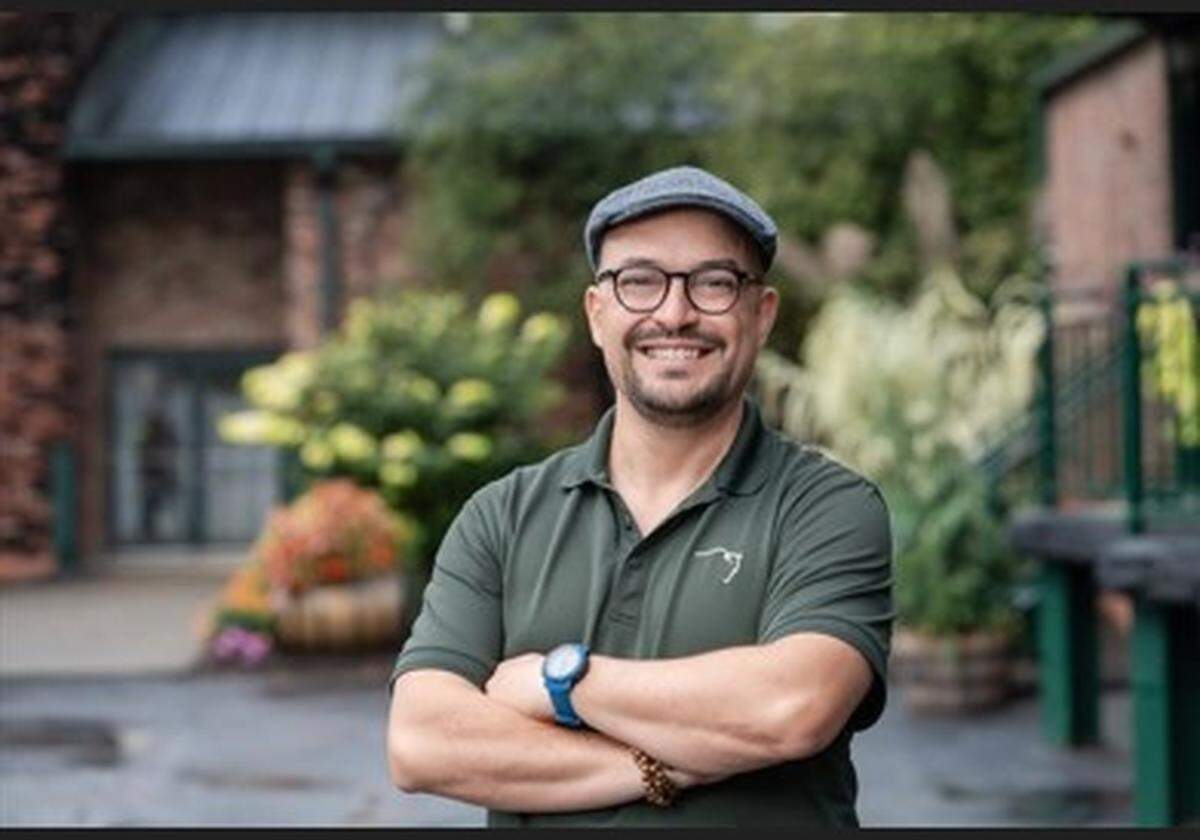
In 2008, Laracuente was a University of Kentucky doctoral candidate studying coastal Spanish mission settlements when he noticed the uptick in bourbon tourism happening around him and got interested in historic distilleries.
He credits a book by expert Chet Zoeller, who catalogued all of the state’s official distilleries, plus a survey of the Daniel Boone National Forest that estimated there were once at least 460 “unofficial” (read: moonshine) distilling sites in Kentucky, piquing his interest. Laracuente put together a theory on how to distinguish a distillery from other types of buildings based solely on potential archaeological findings.
This idea caught the attention of Janice Clark, director of the Jack Jouett House Historic Site in Versailles. Clark wondered if Laracuente would be interested in seeing documents relating to the Revolutionary War hero’s Woodford County distillery.
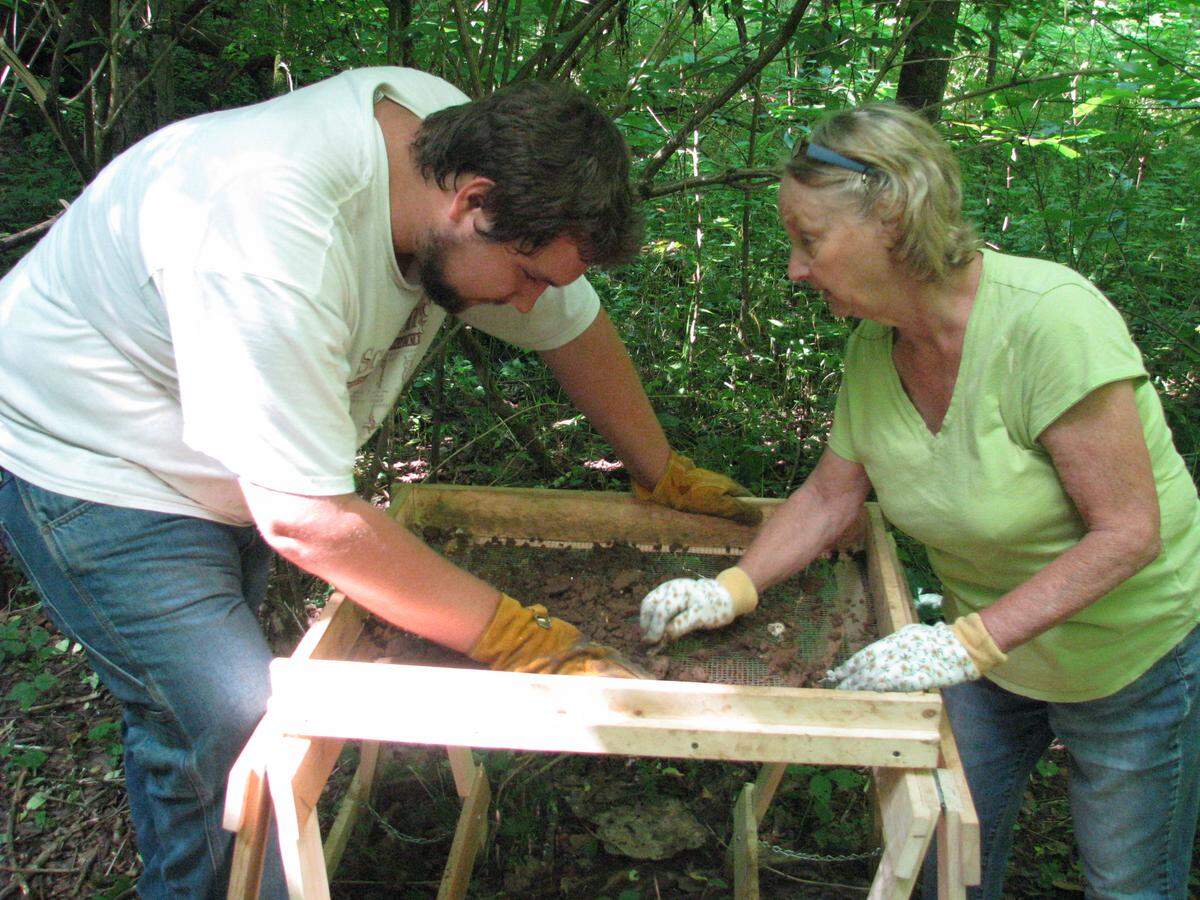
Out of that grew an innovative award-winning all-volunteer multi-year project a decade ago: Hundreds of locals, from age 6 to 70 came out and helped excavate around the distillery site, which they were able to locate using legal records.
“We had politicians, teachers, state workers, retirees,” Laracuente said. “It was just across political divides, age divides, wealth, demographics, just people came in and got into it. ... It was a lot of fun. ... We dug something like 170 holes in the ground ... Think about a big game of Battleship. Basically, you have your hits and misses, and the hits are your artifacts.”
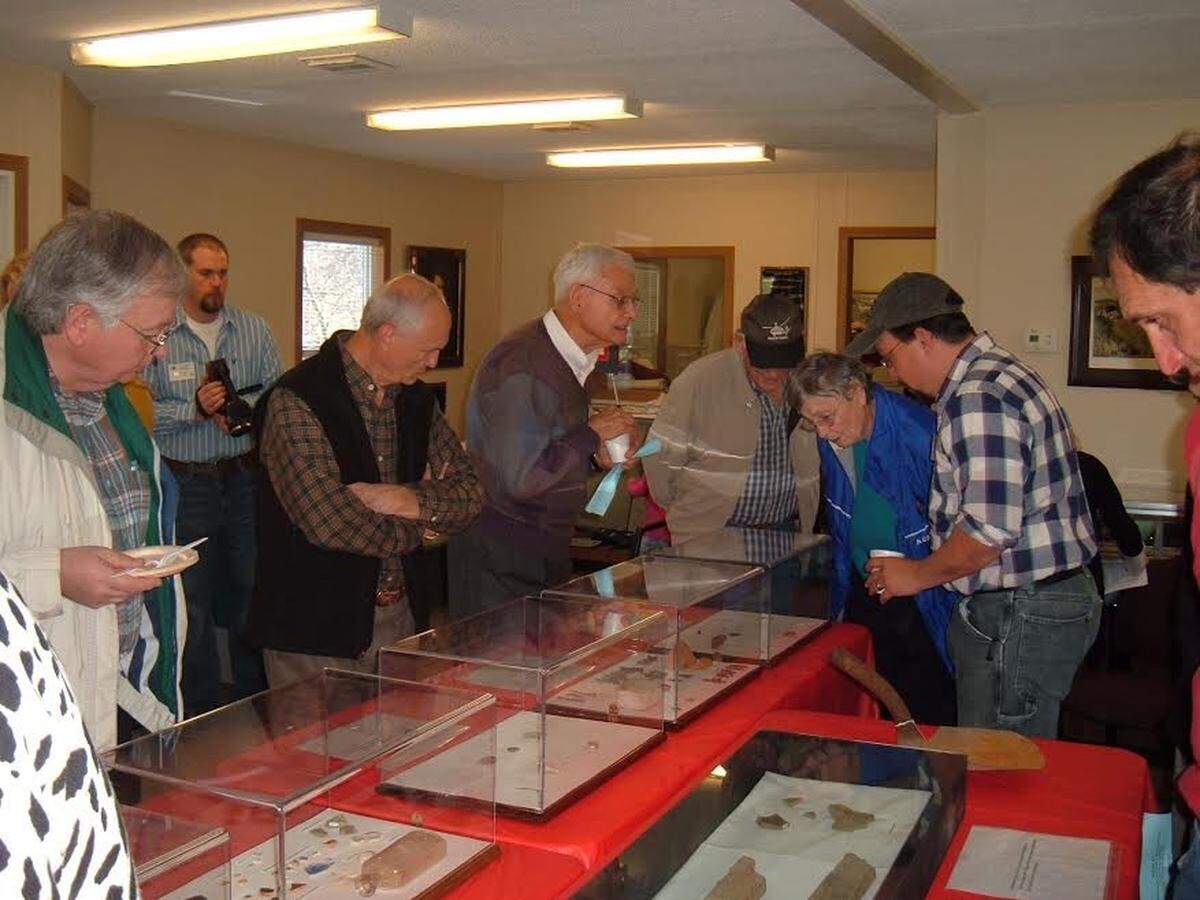
Behind the distillery site, he said, they found lots of interesting items, including a stoneware jug of the type used for holding alcoholic spirits in the late 1700s before the use of barrels had been established.
On Sept. 20, Laracuente will speak about the Jouett distillery dig, as well as his subsequent work unearthing “Bourbon Pompeii” — the long-buried remnants of the 1873 O.F.C. Distillery built by legendary distiller Col. E.H. Taylor.
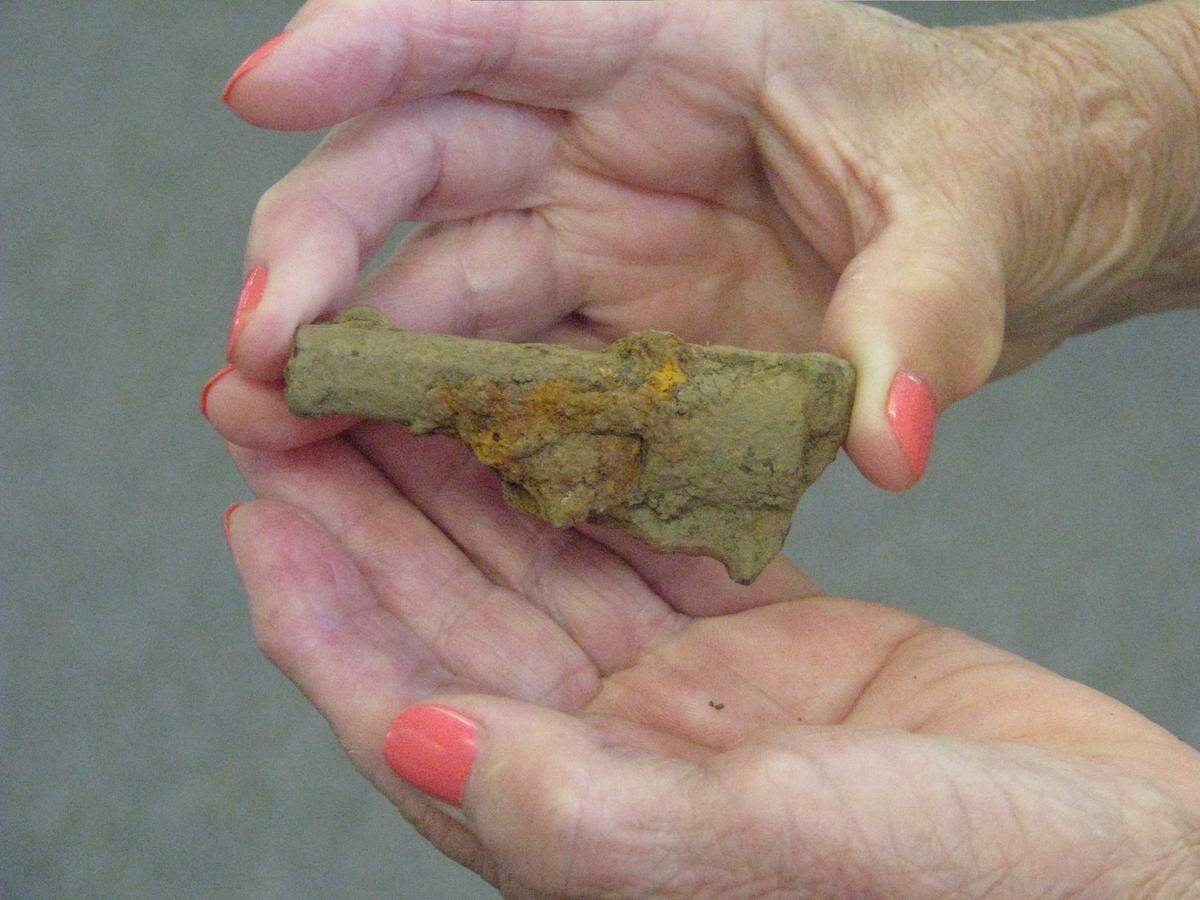
Now the lead archivist for Sazerac, Laracuente also will discuss what he’s uncovered combing through 400,000 artifacts related to the company’s spirits brands, including their recently acquired Irish distillery.
The event, held in recognition of Bourbon Heritage Month and Kentucky Archaeology Month, is sponsored by the Jack Jouett House, which recently renovated its visitors center and is adding new exhibits.
Could this lead to more explorations on site? Possibly.
“I think they want to remind people what the Jack Jouett House is capable of and what we did there,” Laracuente said. “And that it’s got a very strong connection to bourbon.”
Speaking of bourbon, Laracuente has remedied his education on whiskey. He began a journal of what he sampled: “I got up to around 430 bourbon before I stopped keeping track,” he said.
“You can’t really do anything related to the field without also being conversant in tasting and pairing and palette and mouth feel and what the different brands are, right?”
Digging for Amber Gold: Bourbon Archaeology
When: Sept. 20 at 2 p.m.
Where: Three Seasons Building in the District, 105 Rose Hill Ave, Versailles
Tickets: Free