Rum? Rice whiskey? Bardstown distillery gets creative to beat the bourbon bust
AI-generated summary reviewed by our newsroom.
- Bardstown, Green River scaled contract distilling to about 298,000 barrels annually.
- Company customizes over 60 mashbills and offers on-site bespoke production.
- They diversified into rum, bottling and craft-distillery tax strategies.
On an overcast day in November, Kentucky’s bourbon industry was feeling the gloom: Over the last year, there have been layoffs at major distillers, sales are down for big brands and production has plummeted.
But things could hardly look brighter inside the main distillery at Bardstown Bourbon Company.
They’d recently produced a custom rice bourbon for Rock Town, an Arkansas spirits company, and were running another custom blend for client while massive tanks fermented batches of waiting whiskey for other clients. Rock Town’s president Phil Brandon, who was on hand to see the process, said the collaboration with Bardstown Bourbon will be ready in about four years.
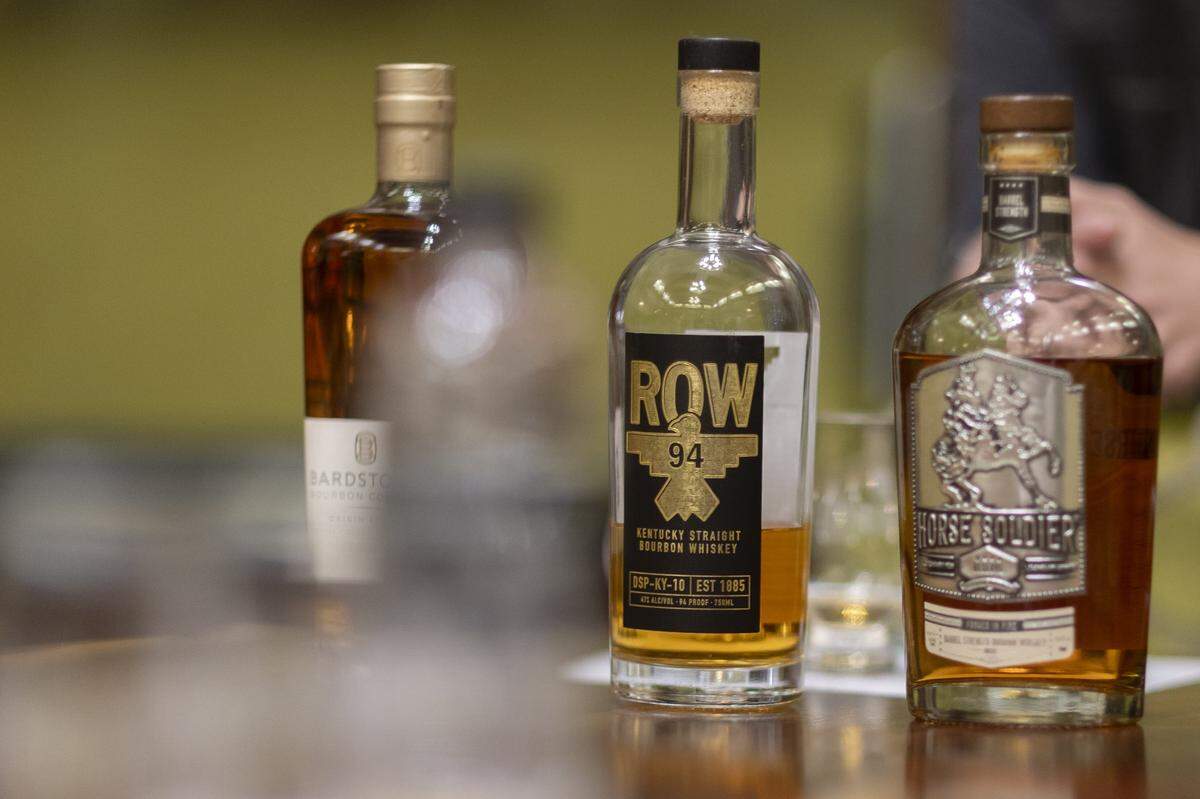
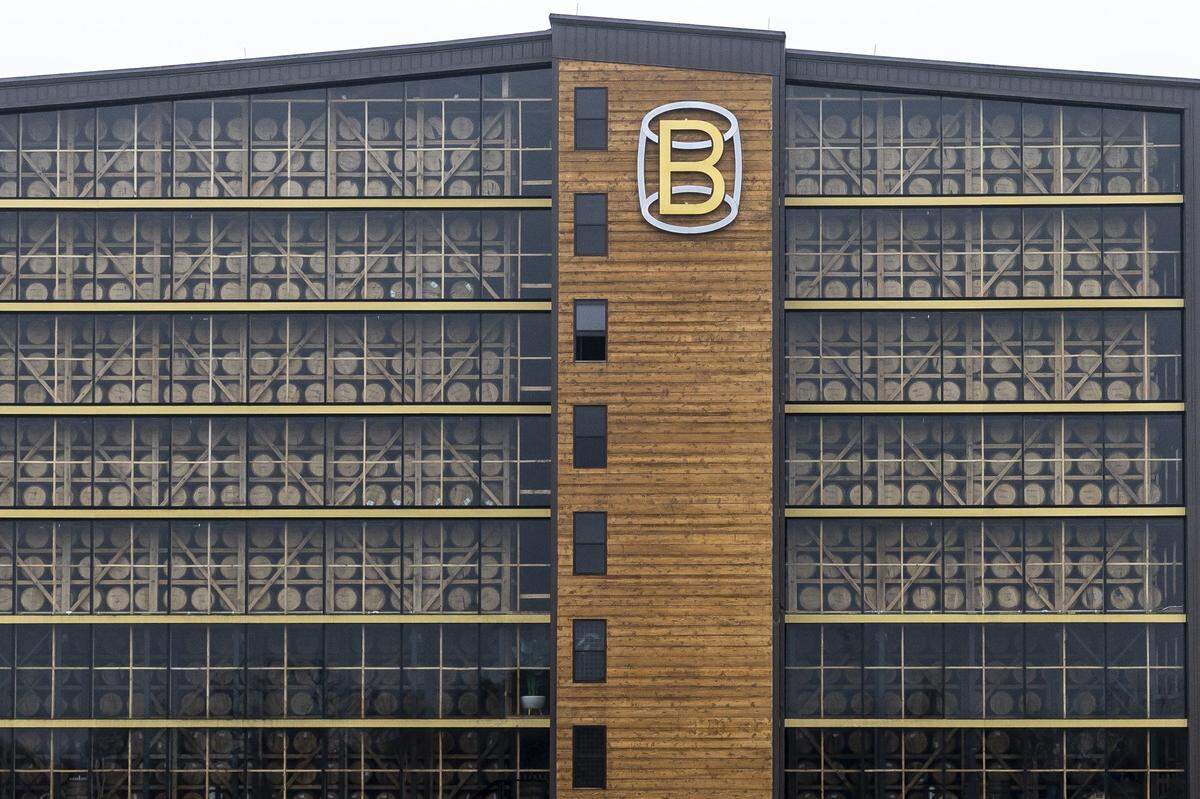
While some major distilleries are pausing production, Bardstown Bourbon, under parent Lofted Custom Spirits, is rocketing along as it approaches its 10-year anniversary, filling more warehouses on its growing campus for brands including Heaven’s Door, Horse Soldier, 15 Stars, Blue Run, Buzzard’s Roost, Chicken Cock, O.H. Ingram, Forbidden Bourbon and more.
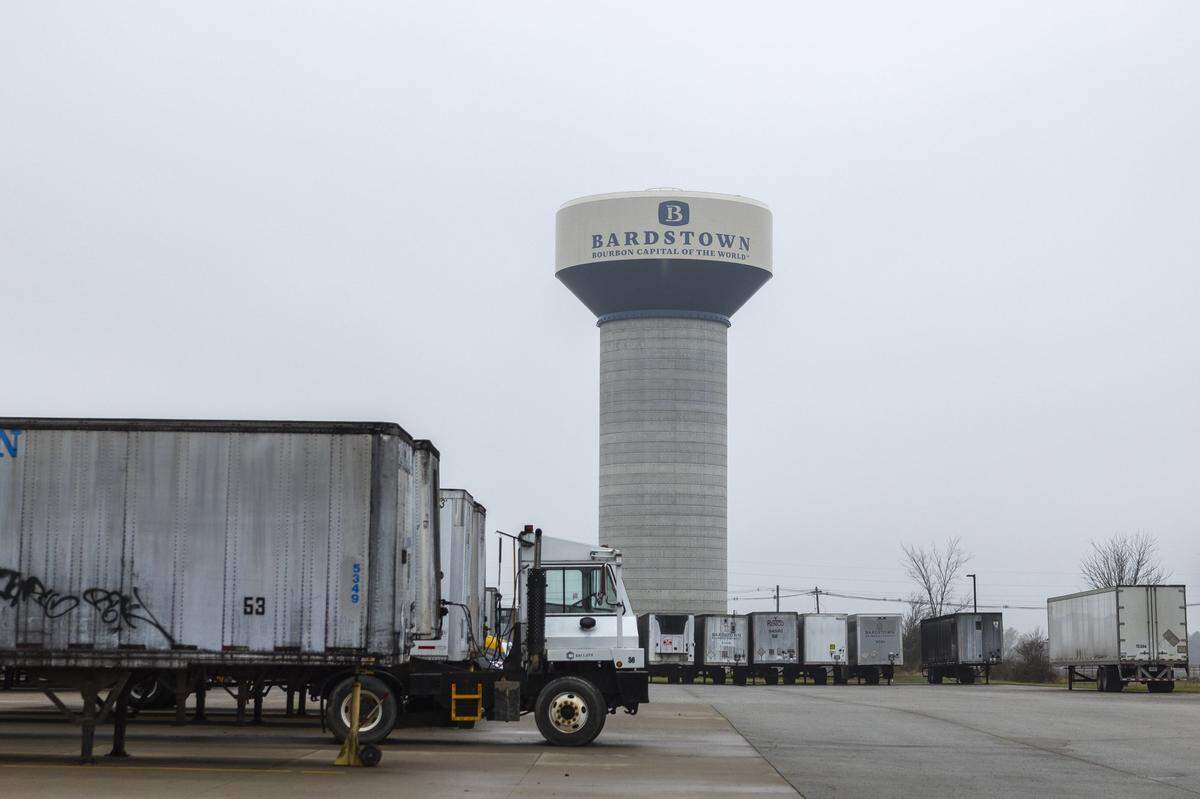
Lofted Custom Spirits, which also includes Green River Distillery in Owensboro, is now the largest contract distiller or “co-manufacturer,” as they refer to themselves, in Kentucky, with annual output that ranks it solidly in the top five biggest distilleries in the state, according to Justin Willett, vice president of operations.
How is Bardstown Bourbon Company thriving, with hundreds of contract clients and award-winning whiskeys under its belt, when others are struggling?
Some of it is innovation. Bardstown Bourbon Company did not invent the contract distilling business model, but they may have perfected it.
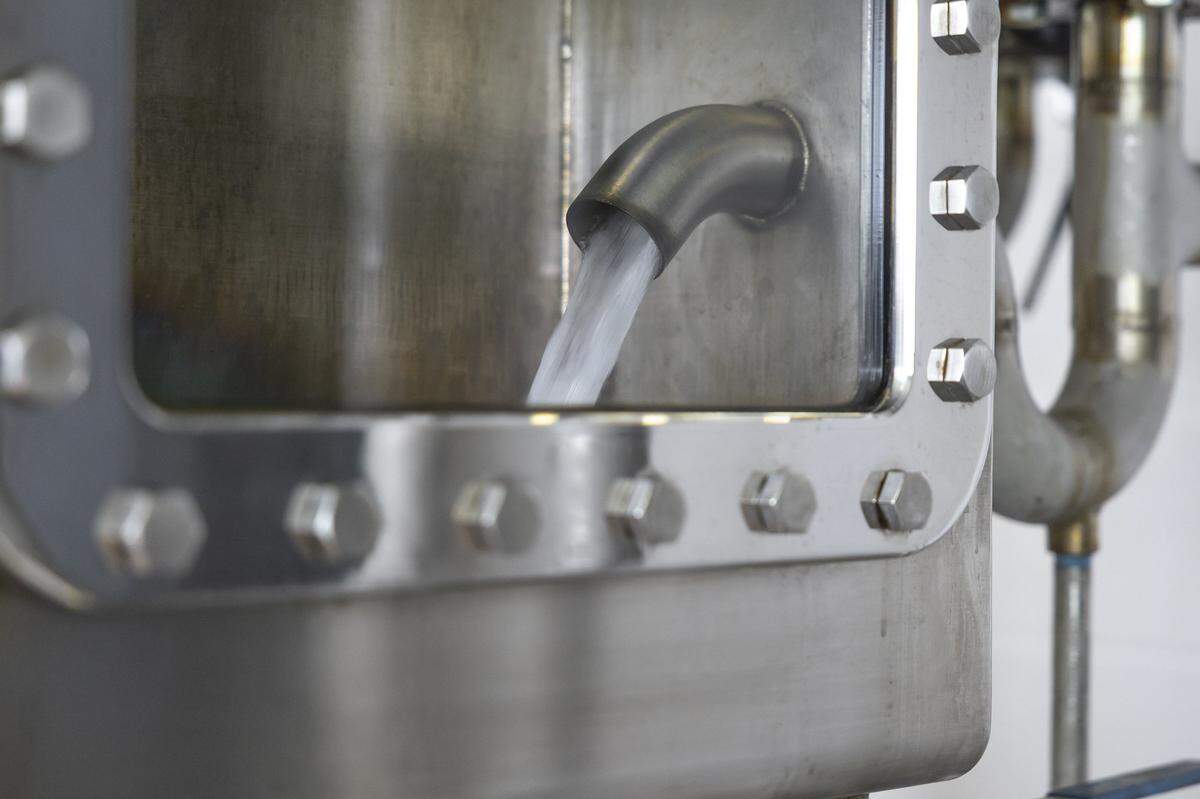
Say you want to launch a bourbon (who doesn’t, right?), but you don’t want to build your own distillery: You pay someone else to make it for you. Often, that involves picking out a recipe from one they already make, or buying already-aged barrels.
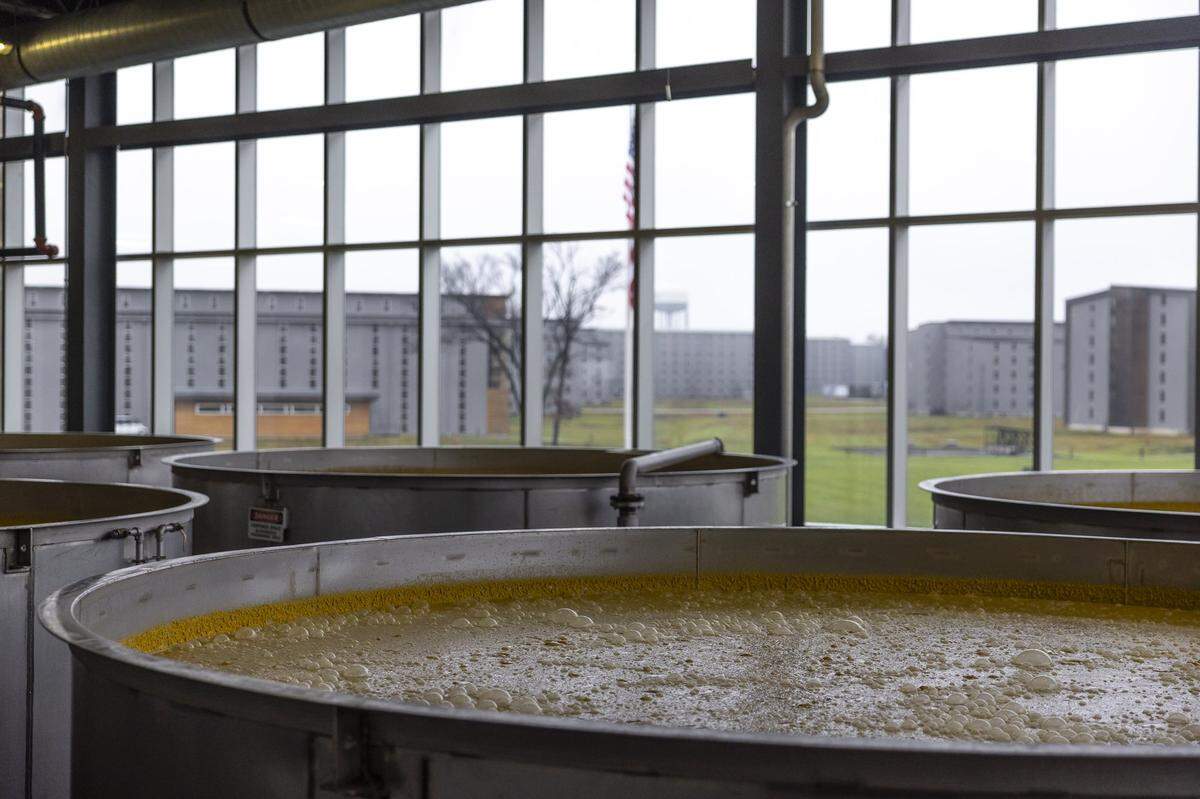
But Bardstown Bourbon can customize your mashbill virtually from scratch, Willett said. They make more than 60 different mashbills with a thousand variations.
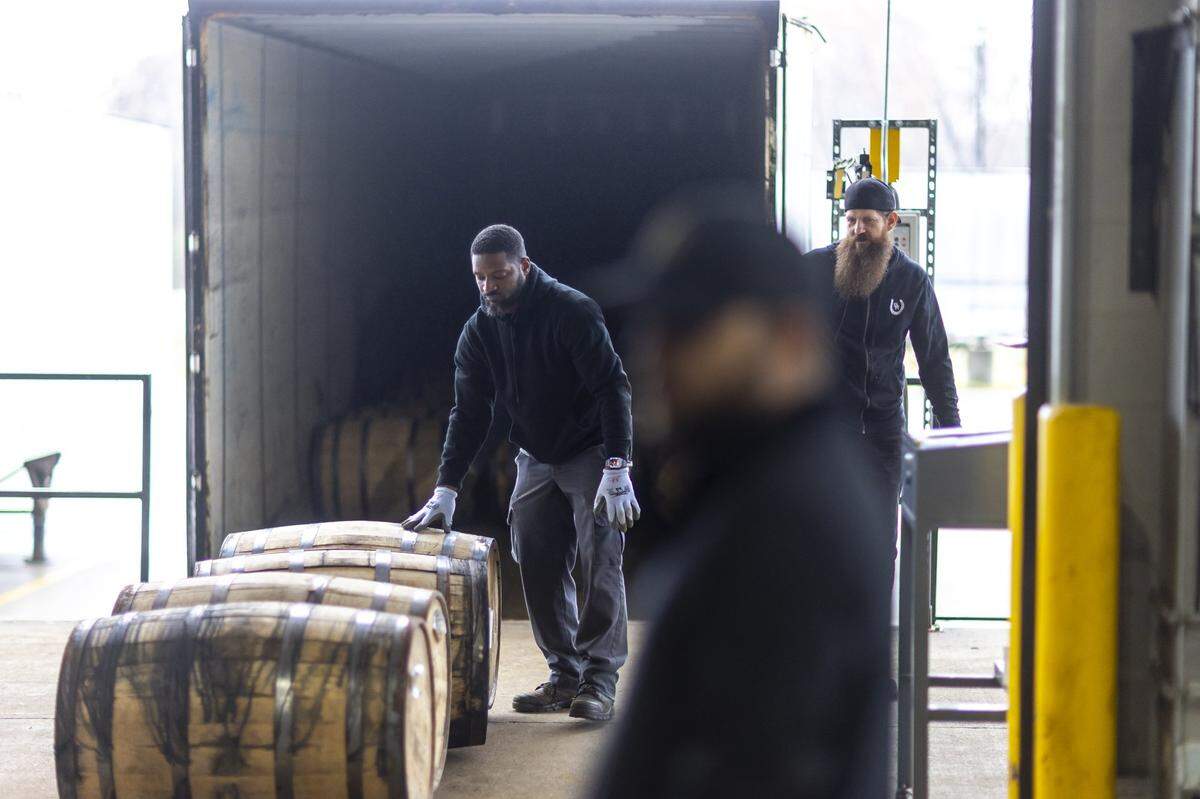
Take Rock Town whiskey. It arrived as truckloads of Arkansas rice and corn hauled in overnight. While Rock Town’s people were on site, Bardstown milled it, mixed their unique mashbill, fermented it for three days, then distilled it while they watched, seamlessly slipping the special blend into the stream of production.
“There aren’t many who could do that,” Willett said. Certainly not at the scale of Bardstown Bourbon.
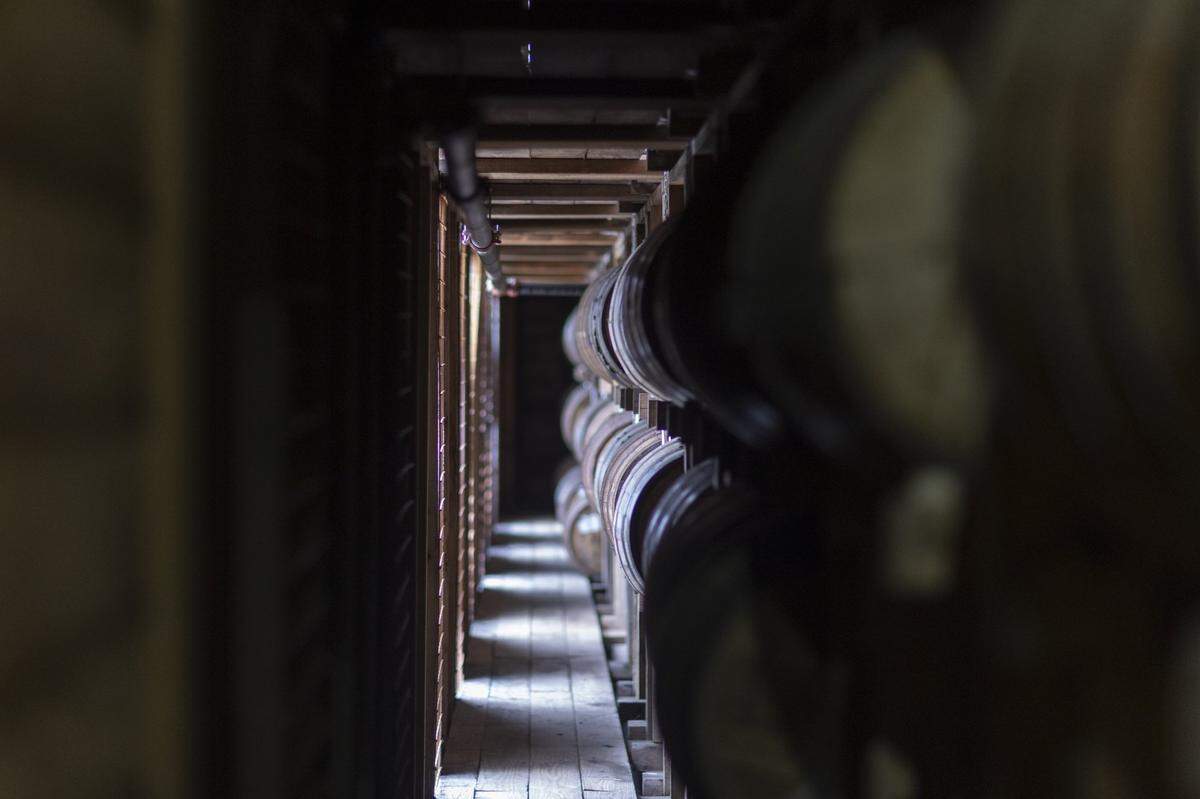
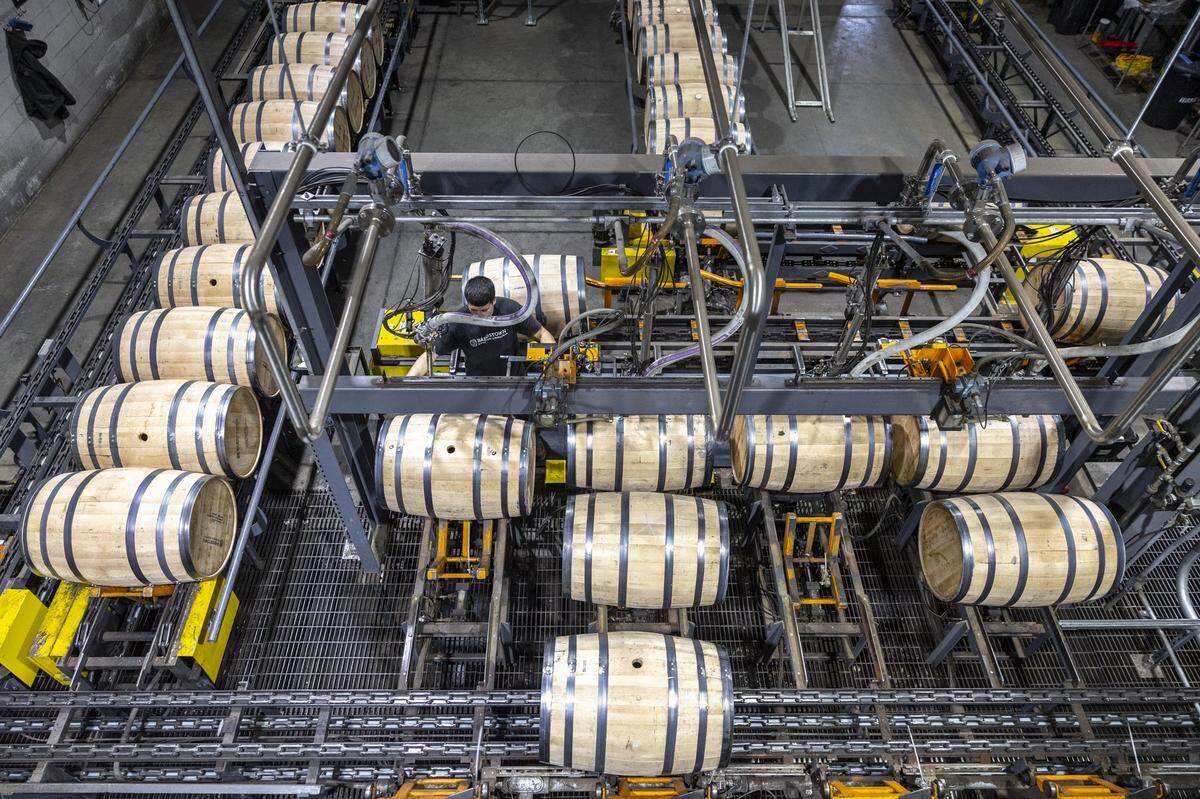
“Last year, we produced 186,000 barrels at Bardstown and 112,000 out of Green River, more than 18 million proof-gallons ... if we’re not top five, we’re right at top five,” Willett said.
(A proof-gallon is a standard industry unit of measure for distilled spirits; one U.S. gallon of liquid at 50% alcohol or 100 proof.)
Others — Jim Beam, Brown-Forman, Sazerac, Heaven Hill — have more capacity, but with the current glut in supply in the whiskey industry, most have cut back: Overall production has dropped to the lowest level since 2019, according to federal statistics released earlier this year.
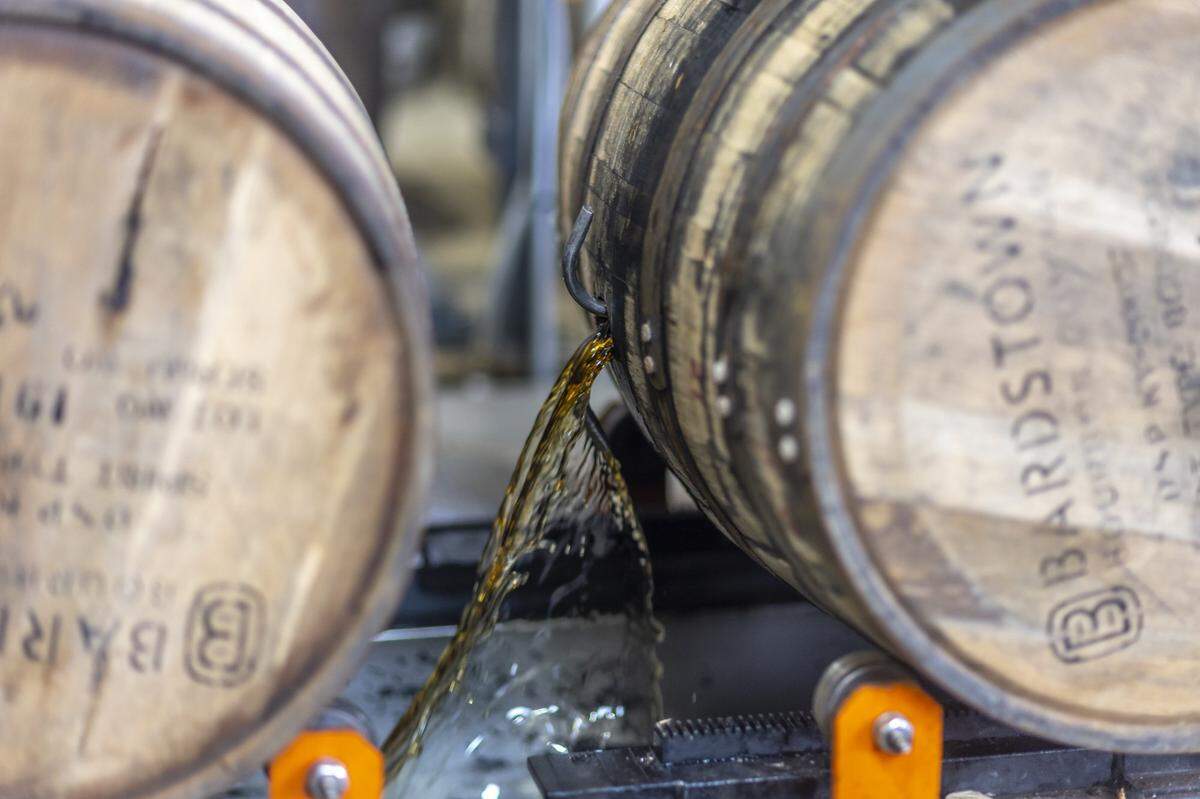
At Bardstown Bourbon “things are still moving,” Willett said. “We’ve had to pull back, for sure, certainly at Green River.”
The Bardstown campus actually has three stills — two 36-inch column stills at the original distillery and a 42-inch column still in a second distillery added in January.
Where they have seen a drop in demand is in the investor market — funds that had been purchasing barrels of whiskey to hold for a few years then flip for profits.
“The investor market has been hit by financing issues, valuation issues ... that has had to pull back,” Willett said.
So, to compensate, Bardstown Bourbon has gotten “creative,” he said. “We started making rum.”
They are making rum for two unnamed clients right now, he said.
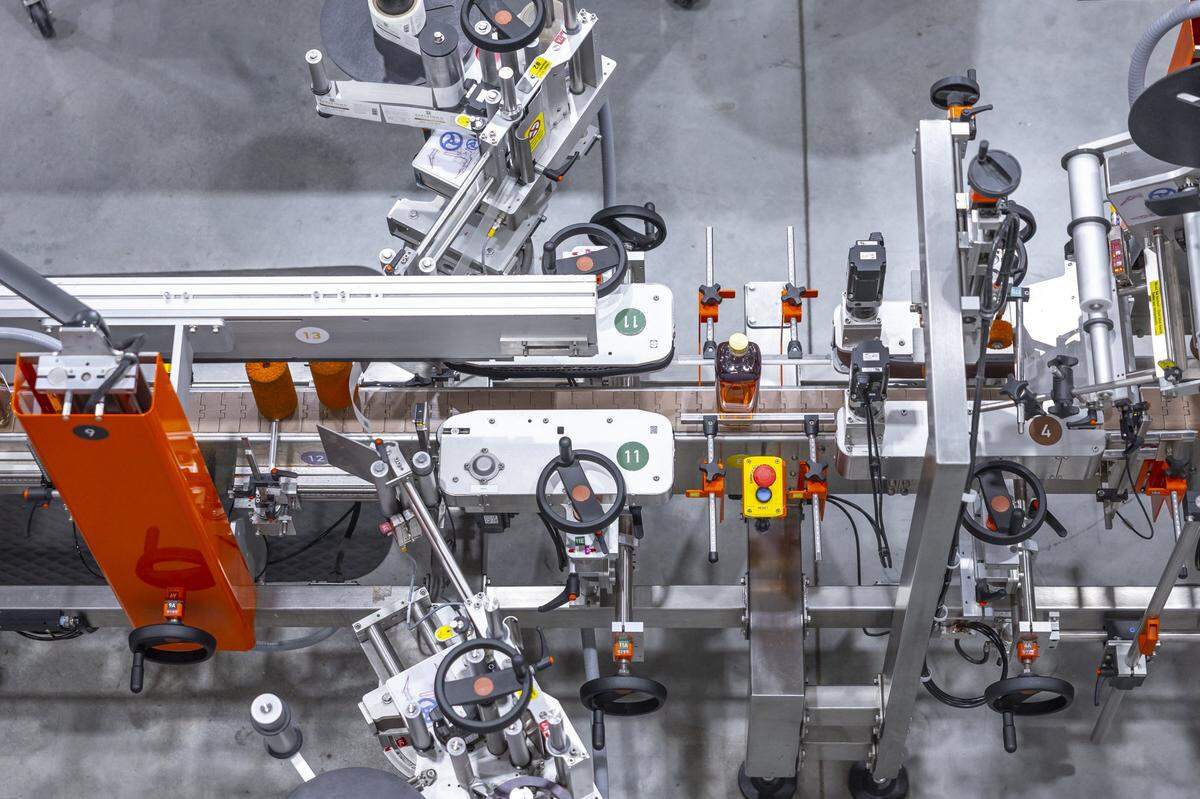
Other innovations are helping to soften the harsh edges of the market’s downtown. Bardstown Bourbon added a contract bottling plant that has the capacity to bottle more than 1.2 million cases annually.
And on Dec. 10, Lofted Spirits broke ground for a 4,000 square-foot expansion that will add a high-capacity, high-speed, small format line will bring capacity above 35 million bottles annually. The expanded operation is expected to be fully operational next spring.
They also put in a separate outbuilding that can be legally designated its own distillery-within-a-distillery, allowing small-scale clients to take advantage of a million-dollar tax break for craft distilleries.
Another big advantage that has helped Bardstown Bourbon Company stay afloat as the whiskey wave has swamped others: Timing.
The company was founded in 2016 by the late Peter Loftin, a telecom entrepreneur with no experience in the spirits industry, after he bought some barrels from Indiana-based MGP as an investment. He partnered with former Maker’s Mark master distillery Steve Nally to build on and improve MGP’s contract model with customizable distilling and aging options and bring transparency to the contract business.
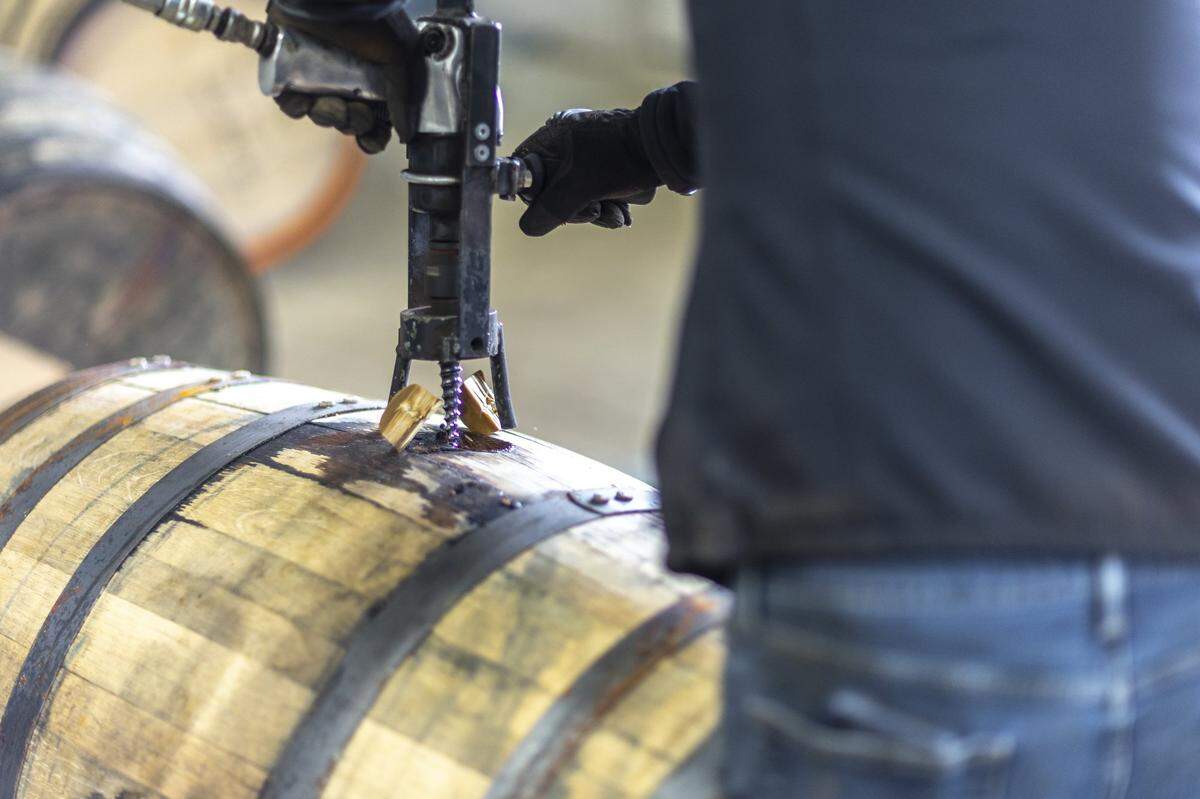
They originally planned to produce 25,000 barrels a year on a 100-acre plot on the outskirts of the bourbon capital of the world, but with the bourbon boom taking off they expanded almost immediately and just kept growing as more distilling contracts came their way.
Since 2022, Bardstown Bourbon and Green River have been owned by Pritzker Private Capital, a Chicago-based private equity firm.
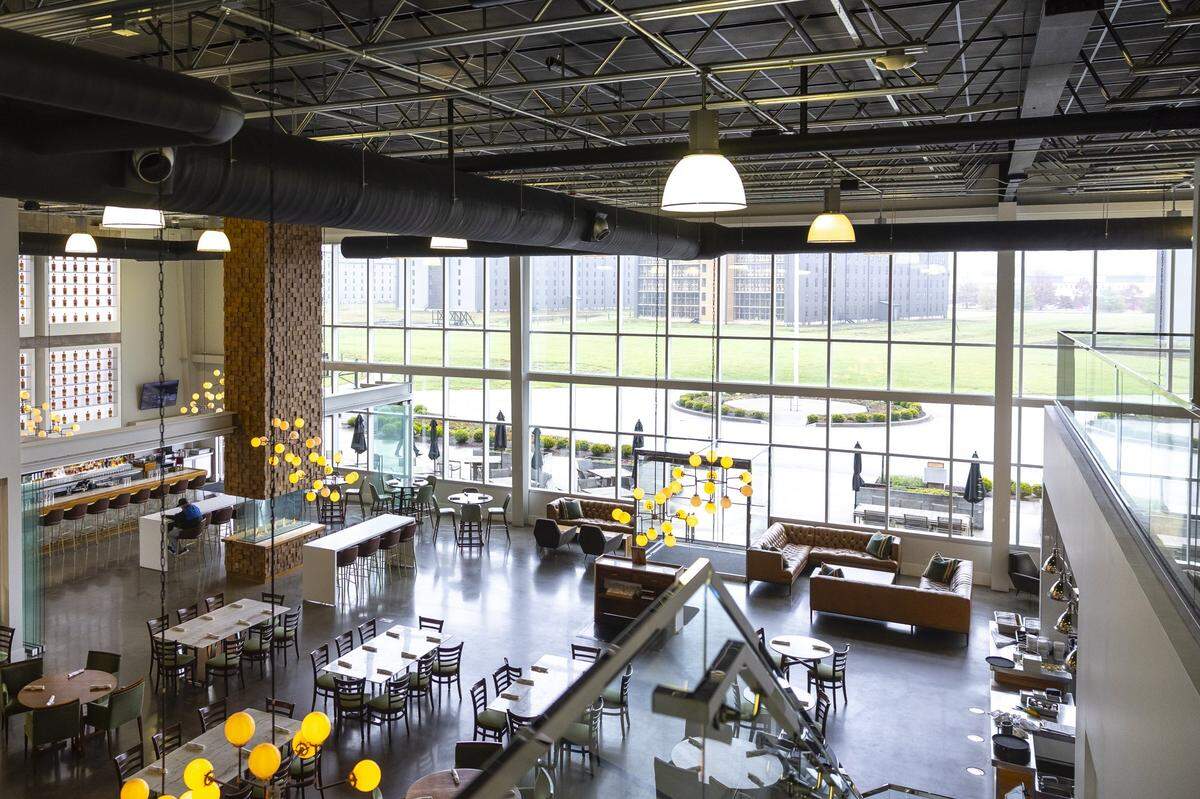
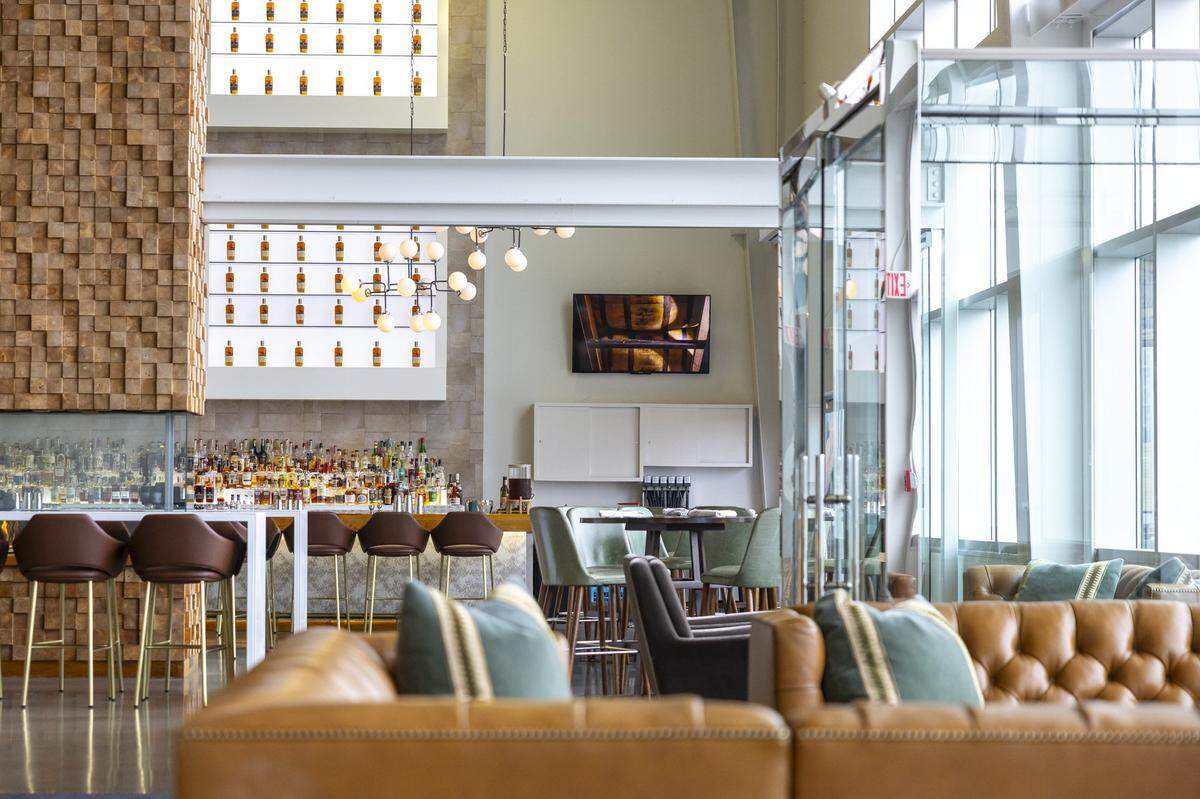
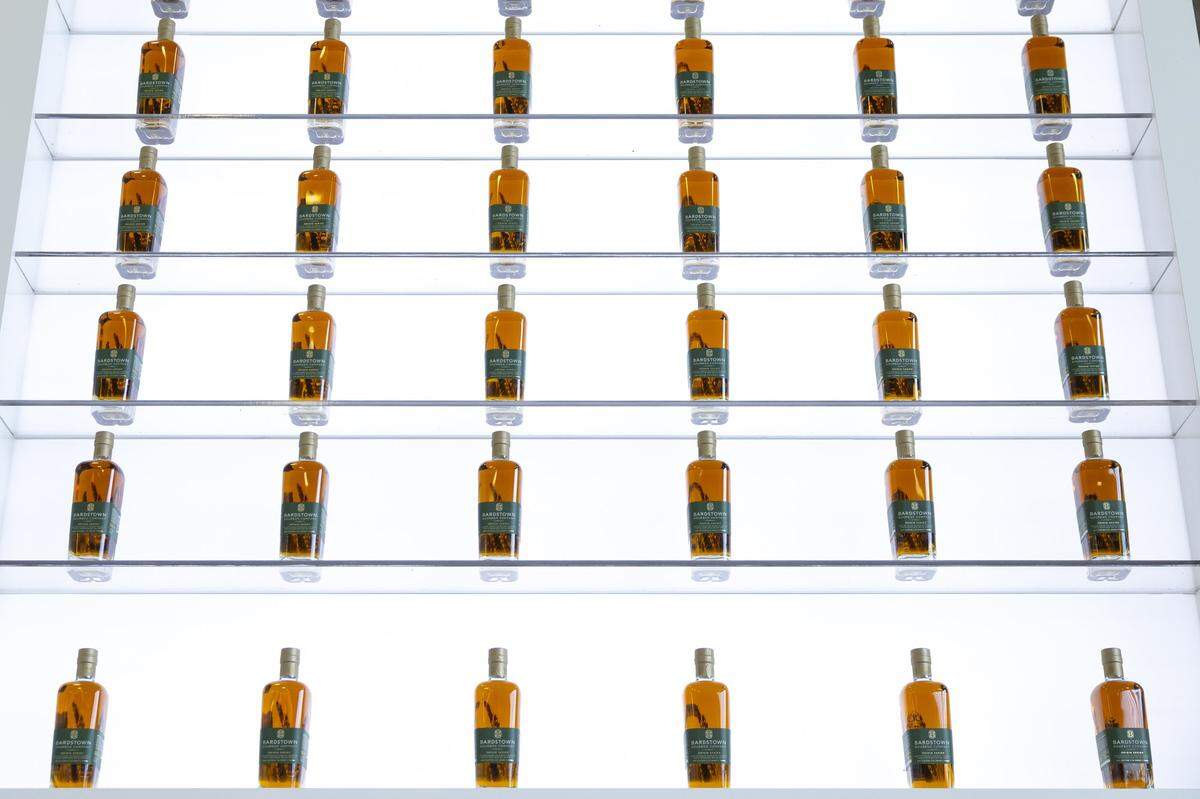
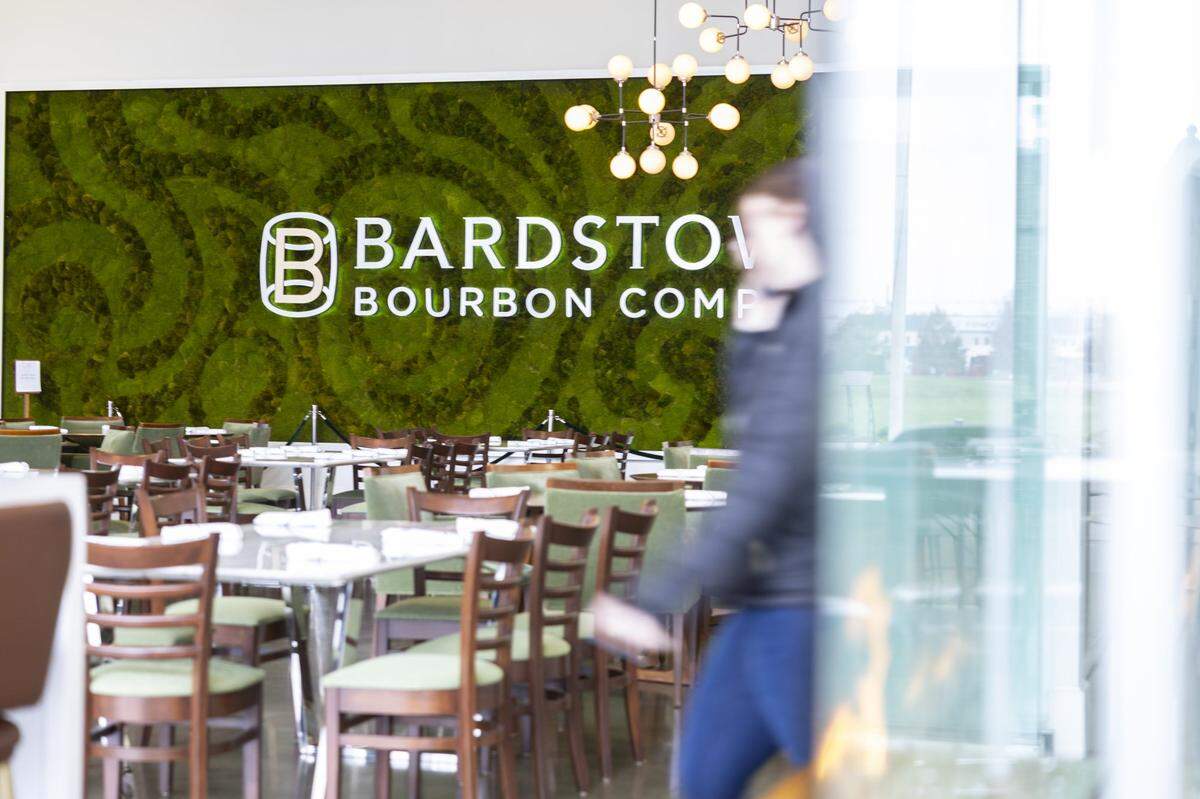
The distillery has added bells and whistles such as restaurant and bar for visitors, a “whiskey library” that showcases vintage spirits, and tasting rooms for those making private barrel selections.
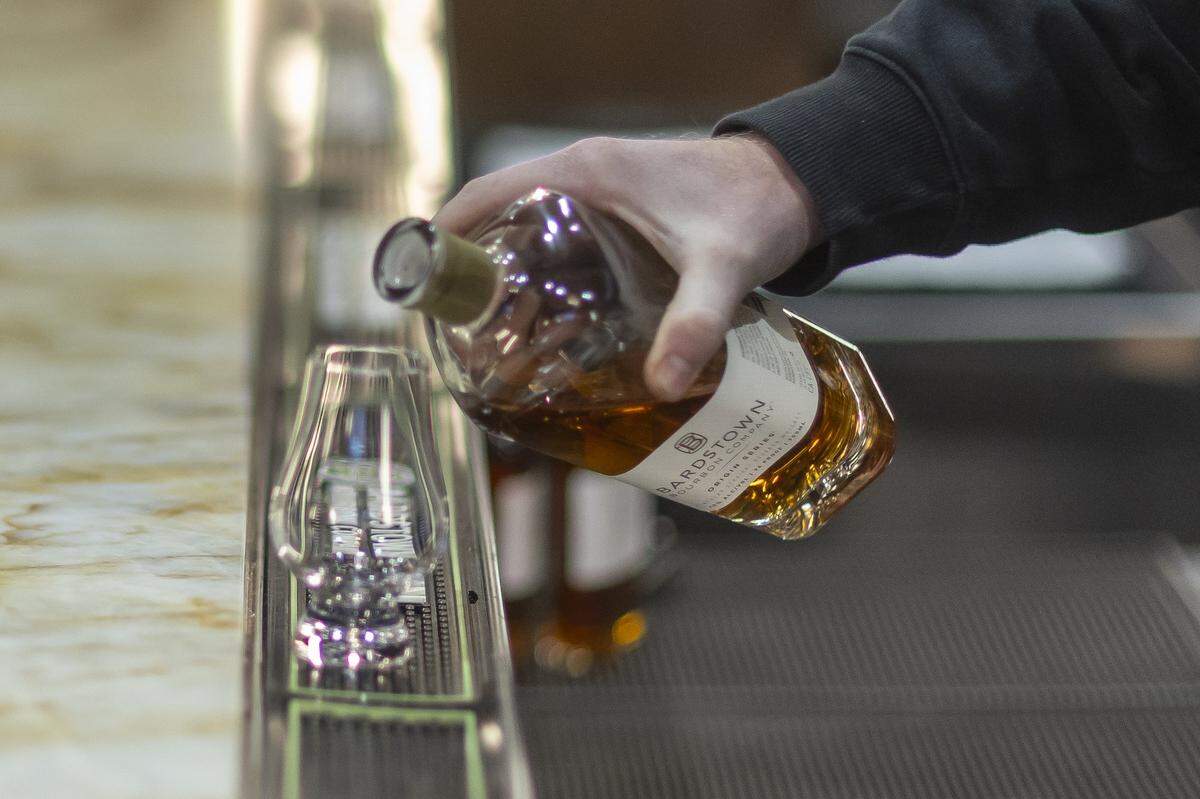
Co-brand partners — they’ve produced whiskey for more than 300 different groups and about 500 different bottles at the plant, Willett said — can use any or all of it to cater to their fans.
“What Pete came up with really did change the industry,” Willett said. “It was a very closed-off market that nobody could get into unless you knew somebody. Unless you were rubbing elbows with certain people, you couldn’t start a brand ... You couldn’t buy a barrel, you for daggone sure couldn’t lay them down custom. ... Now it’s transparent, you can have a home-place for your brand, it can be custom, you can change all these variables within distillation whether its grain, your cook, the char of your barrel ... all these things are available now.”
And they don’t plan on slowing down. Instead, they are preparing for the day the pendulum of whiskey demand swings back.
“There’s going to be a need,” Willett said. “Six years from now, when people need that 2025 liquor, there’s not going to be a lot of it out there. Whoever does have it, they’re going to be able to demand a nice price for it.”