US whiskey production plummets to lowest level since 2019, new data shows
AI-generated summary reviewed by our newsroom.
- U.S. whiskey production dropped 28% through April, reaching lowest output since 2019.
- Exports fell 70% in April amid Canadian boycott, escalating surplus inventories.
- Distilleries face layoffs, financing gaps as bourbon barrel values sharply decline.
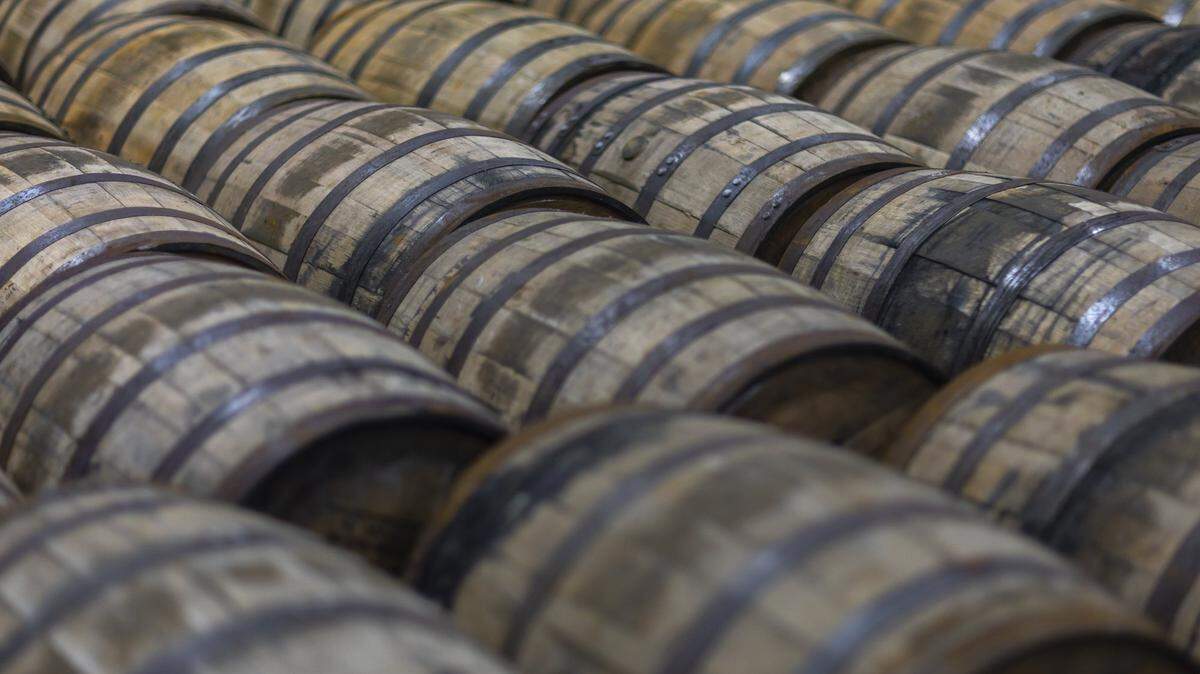
Whiskey production in the U.S. has plummeted, according to new data from the federal government.
The Treasury Department’s 2025 monthly national statistical report, updated this week, shows that through April of this year, whiskey distillers had produced 78 million proof gallons, a 28% decrease from the same period last year.
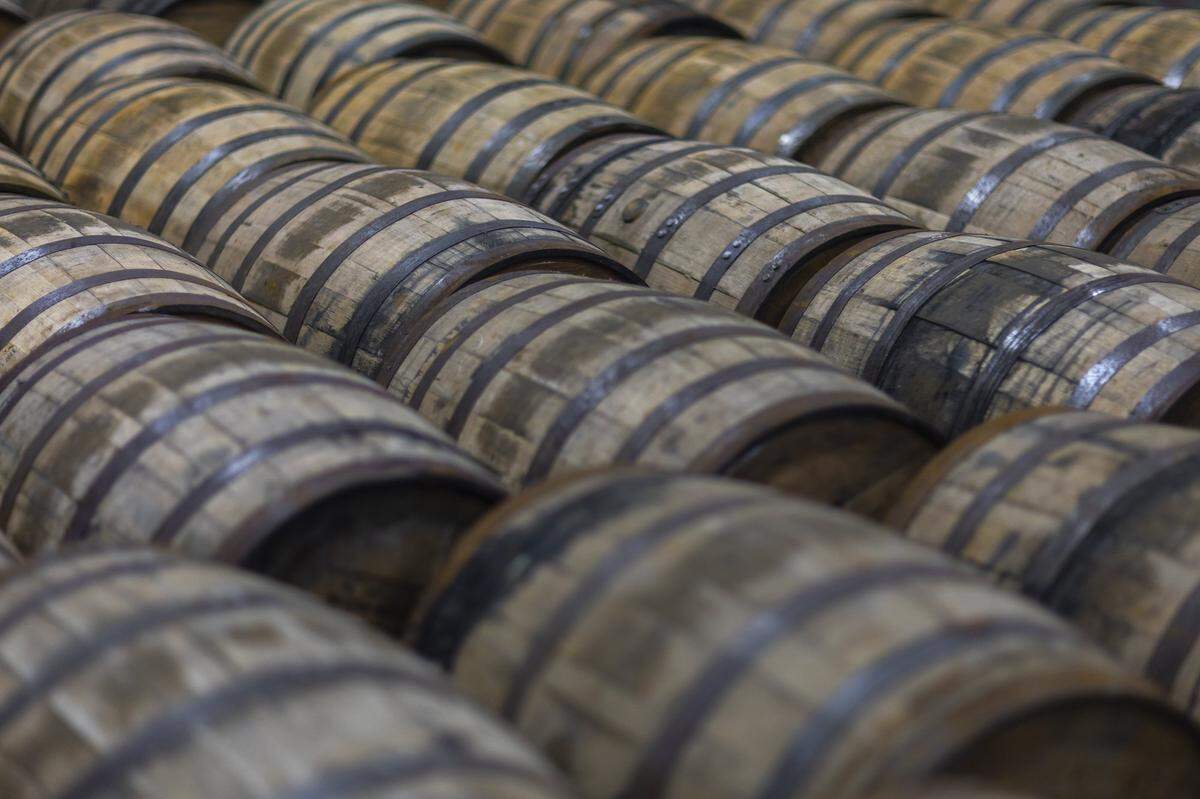
The production level is the lowest since 2019, said Hasan Bakir, senior director of economic studies for the Distilled Spirits Council of the U.S., an alcohol industry trade group.
Bakir noted that monthly production actually began falling year-over-year in October 2024 and in April slid to 17.8 million proof gallons, the fewest since August 2021.
“The production decline is not too surprising given the current level of whiskey inventories, the slowdown in the domestic market and tariff-related issues that are negatively impacting exports,” Bakir said in a statement.
Spirits exports have dropped significantly since March, when Canada instituted a boycott of American products following President Trump’s comments about “annexing” the country.
The Treasury data shows the amount of spirits intended for export in April dropped by 70% year-over-year.
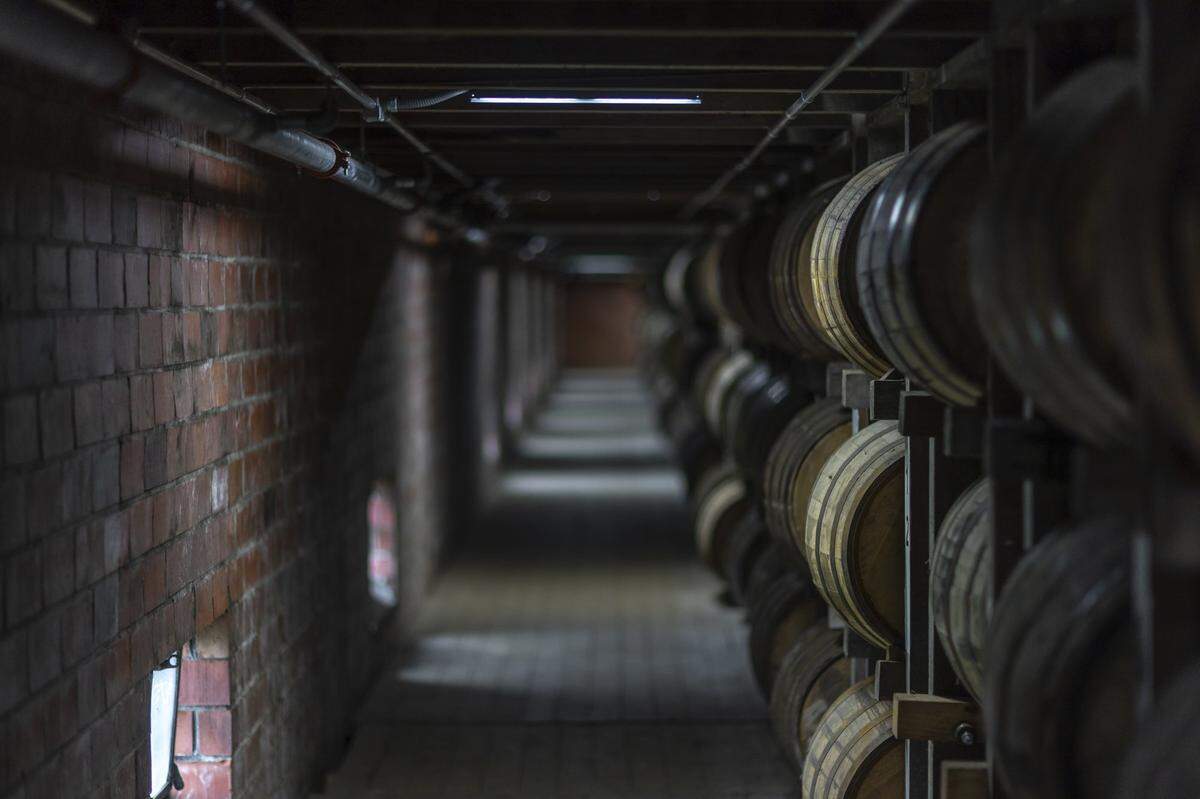
Meanwhile, despite the decreased production, whiskey inventory has continued to climb: As of April, there were nearly 1.5 billion proof gallons on hand, three times the level a decade ago.
That’s a problem, as polls showed fewer Americans are drinking than in 90 years.
And recent indicators show little sign they are picking up the pace: Lackluster Labor Day sales reports continue to show declines for wine, beer and spirits except for ready-to-drink canned cocktails.
Earlier this month, Jefferies beverage analyst Ed Mundy concluded the industry is in a correction and has not bottomed out yet, largely thanks to ongoing economic pressures.
“In the absence of a major intervention, (such as) a severe tax increase or regulatory headwind, the industry could be close to trough,” Mundy concluded.
The myriad challenges have led to slumping sales across the bourbon industry. Inflation, trade barriers and changing consumer tastes make for a bleak outlook.
And that’s been exacerbated by post-pandemic overproduction that put distilleries and brands large and small in financial jeopardy.
Beginning in January, Brown-Forman in Louisville laid off 12% of its workforce globally and closed its last remaining cooperage. Since then, sales have continued to fall for Jack Daniel’s and for many bourbon brands, including Wild Turkey (down 8%) and Bulleit (down 7.3%.)
Global spirits giant Diageo has announced plans to trim $625 million from its spending, with layoffs planned.
Uncle Nearest and Nearest Green Tennessee whiskey are in the hands of a receiver with more than $108 million in debt; Georgetown brand Limestone Farms Distillery, which counted former University of Kentucky quarterback Tim Couch as a partner, is facing $2 million in liens and a lawsuit.
Garrard County Distillery has closed, and Luca Mariano in Danville is in bankruptcy, owing $34.5 million. Now, Independent Stave’s Kentucky Cooperage has announced it will be laying off more than 100 Marion County workers.
Contract distilling slowing
The downturn has put the brakes on some contract distilling in Kentucky.
Green River Distillery, one of the largest contract distillers in the state, has pulled back to one shift a day, said Justin Willett, vice president of operations. About 80% of the whiskey that Green River makes is sold under other labels.
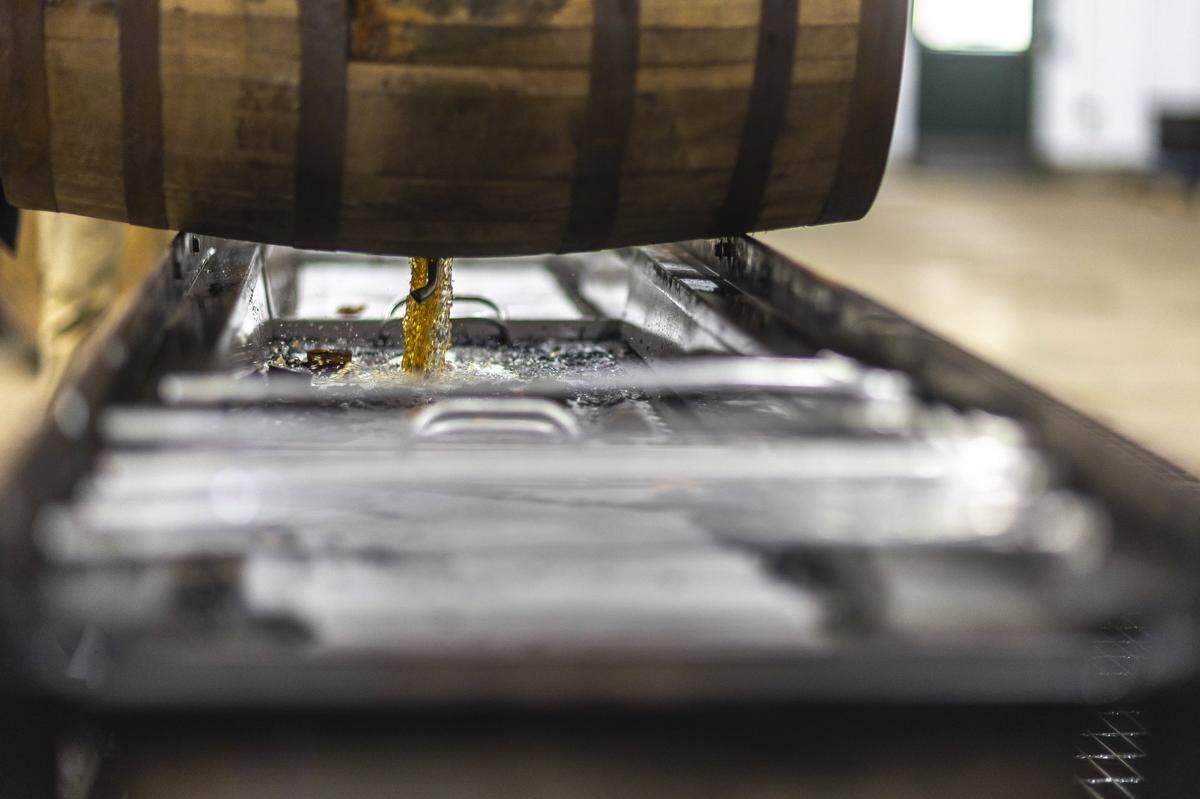
Willett said a big part of the issue for Green River’s potential customers is financing.
“Financing (based on the value of barrels) has hurt a lot of brands because they have all these assets in the warehouse,” he said. “There’s been some people who’ve done these really crazy things for cash flow.”
To generate cash flow, as brands land in financial jeopardy, some have sold barrels for below market price, driving down overall asset valuations.
That issue came up recently in the ongoing bankruptcy involving Stoli and Kentucky Owl, a brand that has bought from Green River in the past.
The lender, Fifth Third Bank, objected to Kentucky Owl’s plan to pay off $78 million in debt with 35,000 barrels of bourbon. The bank said bourbon prices are depressed, and they anticipate getting “barely more than $20 million from such liquidating collateral ... driven by the weakness of the raw bourbon market.”
Without naming specific brands or companies, Willett said one company that “didn’t make very good decisions” was forced to sell what had been a quantity $2,000 barrels of 3-year-old bourbon for $800.
While that’s a great deal for someone, it has hurt those on the selling side, dried up financing and slowed overall whiskey production.
Now, others can’t get the bank to pay for new-make barrels, Willett said. “It’s been a really bad cycle. We’ve got a lot of people who are like, ‘We’ll take 5,000 barrels, but we can’t get the financing.’”
And some of the situation, Willett said, has been exacerbated by “people who got into the business for the wrong reasons, to get rich quick. This isn’t a get-rich-quick business.”