Founder of troubled whiskey asks judge to dump receiver, citing slumping sales
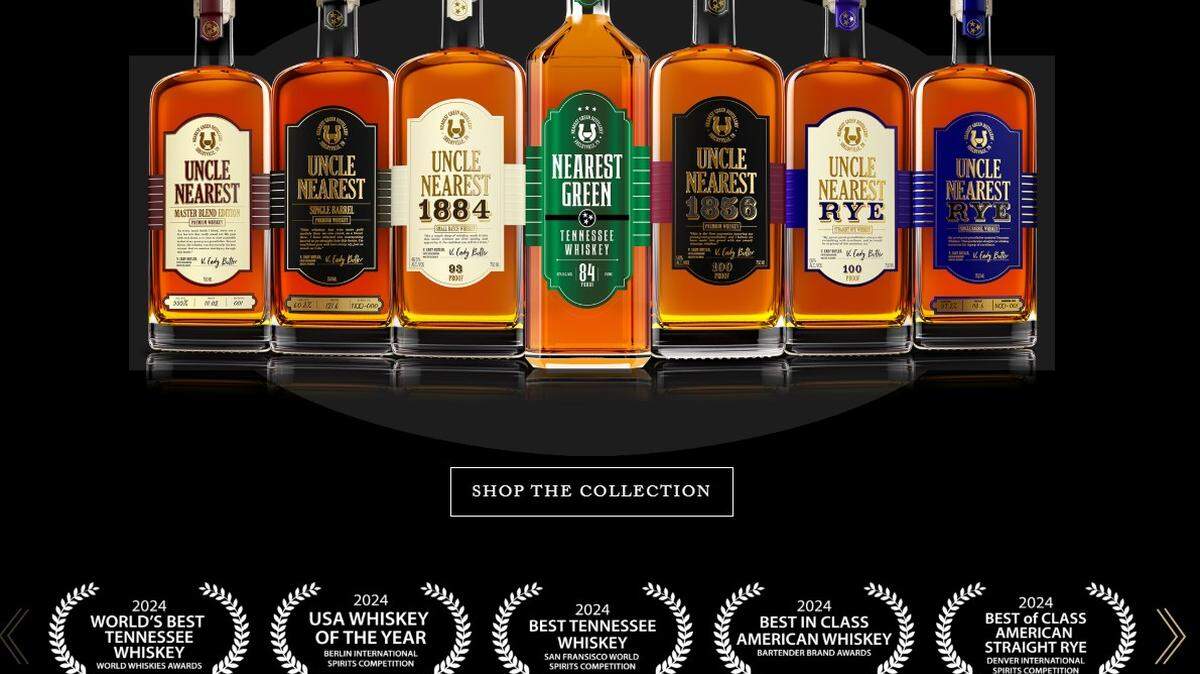
Fawn Weaver, founder of Uncle Nearest and Nearest Green Distillery, is asking a federal judge to terminate the company’s receivership, which she said has coincided with a drop in sales of whiskey.
The financially troubled brand was placed in receivership in August after Kentucky lender Farm Credit sued, alleging Weaver and her husband, Keith, as well as Nearest Green and Uncle Nearest, had defaulted on more than $108 million in loans. The Weavers said the company had been the victim of financial fraud by a former chief financial officer and they opposed the move.

At the time, the court said the receivership was necessary to safeguard disputed assets, including a house on Martha’s Vineyard and a Cognac house in France, and administer the property and assist the court in achieving a final, equitable distribution of the assets if necessary.
Fawn Weaver was allowed to remain involved in market the brand, which she created to capitalize on interest in a former enslaved man who taught Jack Daniel (of Tennessee Whiskey fame) how to distill. Weaver’s brand was named for “Nearest” Green, and she has done bottle signings, public events and other aspects of marketing this year.

Despite those efforts, she said, sales have declined significantly, citing partial Nielsen data that indicate retail volume fell in the months after the receiver was appointed. The data in the court filing lists percentage declines but does not include any actual sales figures.
Weaver also said Uncle Nearest’s bourbon and rye whiskeys have been pulled from cocktail menus at a luxury hotel property in Chicago “due to perceived financial instability,” removed from “a high-end on-premise account in Oregon following exposure to recent news coverage” and been taken off shelves at a large regional grocery chain with more than 500 retail locations.
She said distributors have dropped incentives and retailers have canceled or declined planned single-barrel purchases “due to expressed concerns regarding the company’s stability.”
Weaver argued that to rectify the situation, the judge should hand control of the company back to the board, which includes the Weavers and an investor, John Eugster, rather than allow the receiver to continue pursuing the sale of distillery assets.
The Weavers are also again asking the judge to block the receiver from sharing “proprietary company information” with third parties who might be interested in purchasing any or all of Uncle Nearest’s assets.
Some of the latest arguments were made in previous filings, since stricken from the court record by the judge, who earlier in December denied a motion for limited relief from the receivership. U.S. District Judge Charles E. Atchley Jr. recently clarified that only the court-appointed receiver may represent the company and not the majority directors.
A joint status report is due by Jan. 30, 2026, on a proposed schedule for litigating the original Farm Credit lawsuit.