Inside troubled whiskey brand’s financials: Unpaid bills, liens, frozen credit
AI-generated summary reviewed by our newsroom.
- Receiver plans asset sales, refinancing or equity offers to exit receivership by Q1 2026.
- Receiver identifies unpaid taxes, warehouse liens and missing records as priorities.
- Farm Credit supplied emergency credit; receiver reports layoffs and vendor holds.
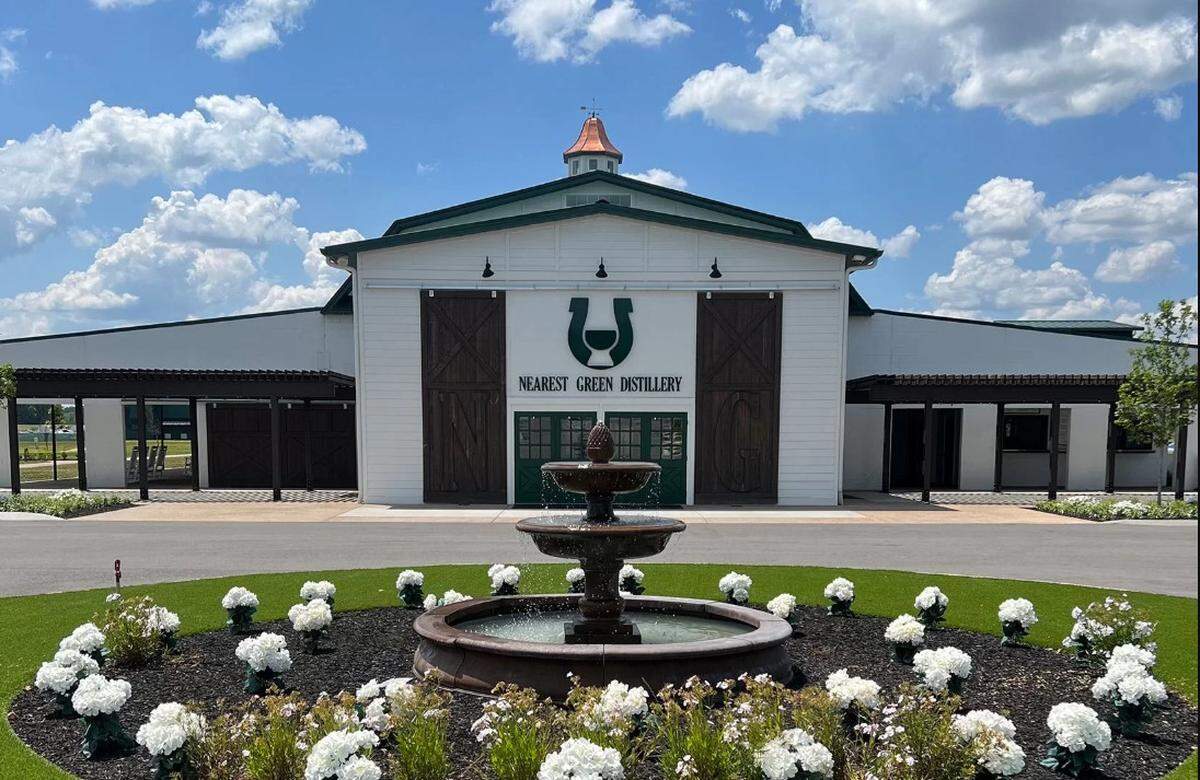
Distressed spirits company Uncle Nearest Whiskey and Nearest Green Distillery could be sold sometime in the next six months, according to a status report filed by the receiver now in control of the company.
The Shelbyville, Tenn., spirits company has been in receivership since August after Kentucky lender Farm Credit Mid-America sued because the distiller defaulted on $108 million in loans.
It’s one of several bourbon and whiskey distillers that in recent months have faced financial difficulties ranging from liens and lawsuits to bankruptcy as the industry faces a glut of overproduction and falling sales.
Uncle Nearest founder Fawn Weaver and her husband, Keith Weaver, initially fought the receivership, but have been cooperating, according to the receiver.
To get the company’s expenses under control, at least 12 employees, about 13% of the company’s workforce, have been laid off, and some budgets have been slashed, according to the receiver.
In an initial 19-page report, filed Oct. 1, the receiver said the process of rescuing the troubled whiskey brand “is progressing smoothly and that the opportunity for the company’s successful emergence from receivership is very good. While challenges lie ahead, the outlook is positive,” Nashville-based receiver Phillip G. Young Jr. told a federal judge in Tennessee.
Young said he has found “no evidence of misappropriation, theft, financial impropriety by the company’s founder, its management team or any current employee. While there have been multiple transfers among related entities, the receiver has found no evidence of (misuse of funds) to date.”
Based on his initial review, “fire sale liquidation,” either as part of the receivership or of a bankruptcy, isn’t necessary but he does expect to sell some unproductive assets quickly, including a French Cognac business.
A Weaver-owned vodka brand and some real estate “that is not essential to the core business of the company” — possibly a house the Weavers purchased on Martha’s Vineyard — are being appraised for possible sale in the next three months.
He anticipates accepting offers for refinancing the debt, purchasing shares of the company and/or purchasing substantially all assets of the company by the end of the first quarter of 2026.
In fact, he’s already received some offers, but first he must wrestle Uncle Nearest’s financials into order.
Unpaid bills,liens and possibly taxes
Tennessee Distilling Group, which makes, bottles and stores Uncle Nearest’s products, still has a partial credit hold on Uncle Nearest products, although some shipments have been restored, the receiver said. That’s especially important because new releases are expected over the next quarter.

When the receiver took over, “revenue collections were down significantly (and) a number of critical vendors and other expenses were in significant arrears,” according to the report.
Crucially, lender Farm Credit has been persuaded to provide $1 million in additional credit to ease the immediate cash flow crisis, plus another $1.5 million to pay the professionals necessary to get things back in order.
Young also said he is working on “filing all delinquent tax returns, assessing whether taxes are due, and making any necessary payments to taxing authorities.”
An initial review of payroll, excise, business and property taxes identified “several potential liabilities.” State-level excise and sales tax also may be owed in Tennessee and New Jersey “due to incomplete reporting and unpaid obligations,” he said.
Unpaid bills and unspecified warehouse liens also may need to be paid “as a priority expense.”
Missing and incomplete financial records
Many financial records are missing, including sales and expenses from before 2024, which were reportedly erased by an unnamed former employee.
The receiver also has begun investigating allegations made by Fawn Weaver about “financial improprieties committed by a former employee.” The Weavers have accused a former chief financial officer of fraud.
Young said based on what he’s learned so far, he “believes that there is validity to some of the allegations,” although he did not name the former employee. He will continue the investigation with an eye toward “causes of action to pursue.”
The report also indicates sales might not have been as robust as reported: “Improper revenue recognition practices may inflate the company’s perceived financial performance.”

Fawn Weaver has repeatedly touted performance by her brand that bucks general industry trends, but recent sales data indicates the downturn has affected Uncle Nearest, as well.
A co-mingling of assets and liabilities from related entities has complicated things, which is why the receiver last month asked the court to formally state that at least 10 other financial entitities, including some the Weavers oppose including, come under the umbrella of his control. Farm Credit filed a memo in support of inclusion last week, and earlier this week, the judge ordered the bank to turn over some records and the other businesses to respond by Oct. 21.
Inaccurate lists of shareholders and investors
The receiver has been contacted by hundreds of creditors and shareholders, but is not yet able to produce an accurate capitalization table, something many investors have expressed concern about.
In fact, Young said he believes some shares in the company that previously belonged to Fawn Weaver “were transferred by a former employee of the company, perhaps without authority to do so.”
Still, the receiver believes all the shares are accounted for, just not listed by the proper shareholder.
More potential irregularities may be coming
The receiver is expanding his review of historical financial records “to uncover any irregularities or potential recover opportunities. Special focus will be placed on officer and insider compensation and/or expenditures, unusual financial transactions conducted by a former employee and the identification of potential avoidable transfers.”
After he compiles an accurate set of books and list of investors/shareholders, Young “intends to reach out to potential investors and/or asset buyers who have shown interest in the company.”
“Until the receiver has financials upon which he can reasonably rely, he has not way to determine the accurate market value of the company or any of its assets,” the report reads.
This story was originally published October 2, 2025 at 11:01 AM.