Supreme Court strikes down Trump’s tariffs. What this means for Kentucky bourbon
AI-generated summary reviewed by our newsroom.
- Supreme Court voids Trump tariffs, easing costs for Kentucky bourbon exporters.
- Brown‑Forman stock and industry sales rose after ruling, signaling market relief.
- Lobbyists urge swift federal refunds for billions collected under unlawful tariffs.
The U.S. Supreme Court on Friday struck down President Donald Trump’s wide-ranging tariffs, which had impacted Kentucky’s spirits industry and many consumers over the last year.
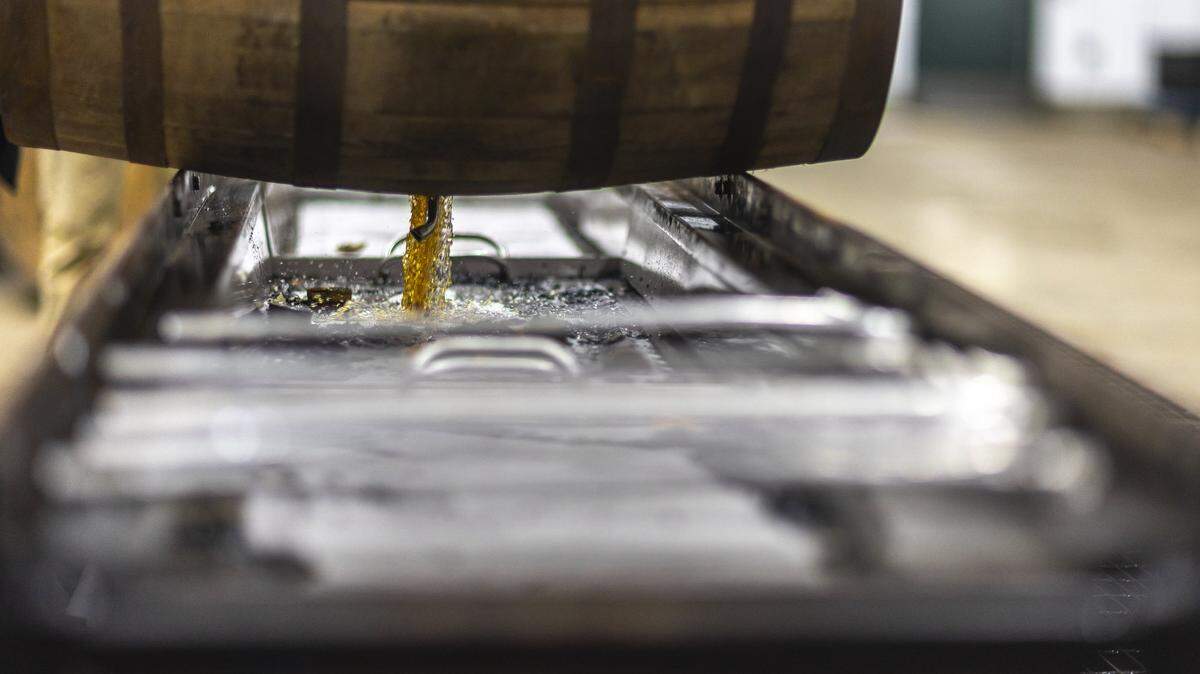
Trump’s trade war has already cost bourbon millions in lost sales overseas due to high costs and burgeoning ill will, and if it continues, it could cost Kentucky jobs.
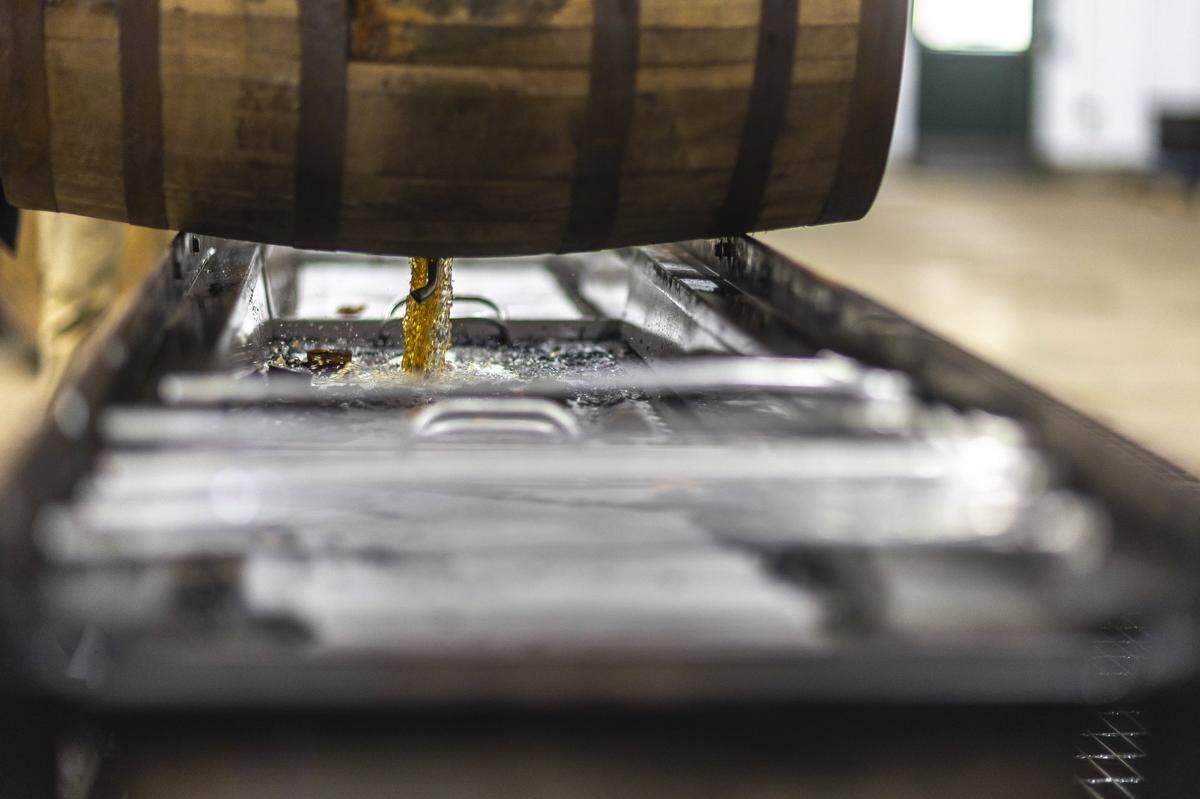
Brown-Forman reported in December that mid-year profits were down 14%, nearly $60 million, much of it due to lost overseas sales.
After the ruling Friday, the stock market jumped, taking with it alcohol-based stocks including Brown-Forman, which is headquartered in Louisville.
The company had been particularly hard-hit by the year-long trade war with Canada and the possibility of new retaliatory tariffs coming this summer in Europe.
It is unclear where both of those issues stand in the wake of the court’s decision.
Trump’s administration had argued that it had authority to impose these tariffs under the International Emergency Economic Powers Act, which was enacted in 1977 and gave the president broad economic powers during a national emergency.
A US distillers’ group speaks
The Distilled Spirits Council of the U.S. quickly responded to Friday’s ruling, calling for an elimination of tariffs on distilled spirits.
“As the administration navigates the implications of the Supreme Court’s decision, we urge them to take this opportunity to secure a permanent return to zero-for-zero tariffs on spirits products with our major trading partners, such as the EU and U.K.,” said Chris Swonger, president and CEO of the Distilled Spirits Council of the U.S. “The elimination of tariffs on distilled spirits would provide much needed certainty for American spirits exporters while helping ease financial pressures on bars, restaurants and retailers at a time when affordability remains a major concern for consumers.”
Kentucky distillers’ group on ruling
Kentucky Distillers’ Association president Eric Gregory issued this statement: “Kentucky Bourbon, America’s only native spirit, is a shining example of how American industry can build economies, create jobs and showcase our best across the globe. Our historic and homegrown industry is better positioned to do that when there is stability in the marketplace, free from uncertainty over tariffs and unpredictable global trade policies.
“As it takes years for Kentucky Bourbon to age to perfection, the KDA will continue to advocate with elected officials for that stability and a return to reciprocal, tariff-free trade.”
Congressional reaction
Kentucky U.S. Rep. Morgan McGarvey, D-Louisville, said in a statement on X, “Today the Supreme Court confirmed what Kentucky families have known from the start: Trump’s tariffs are illegal. From bourbon getting wiped off Canadian shelves to Louisville families paying $1,300 more just for everyday goods and services, Kentuckians have been footing the bill for the President’s reckless, ego-driven trade war.
“The White House should pay back the billions to the small businesses and families it screwed over, and we will hold this administration accountable for every dollar it took from working families.”
U.S. Sen. Mitch McConnell, R-Louisville, issued this statement: “Today, the Supreme Court reaffirmed authority that has rested with Congress for centuries.
“As a matter of policy, the empty merits of sweeping trade wars with America’s friends were evident long before today’s decision. The American people already know that when Washington throws up artificial barriers, building and buying here at home become more expensive. Kentuckians whose livelihoods depend on auto manufacturing, agricultural commodity markets, or demand for bourbon whiskey understand this painful reality better than most.
“But as a matter of Constitutional authority, there is now no room for doubt: the use of IEEPA to circumvent Congress in the imposition of tariffs — already without precedent — is also illegal. ”
Will there be refunds?
Also uncertain: Whether and how the federal government will refund the billions collected over the last year on imports, most of which has been paid by American consumers in the form of higher costs.
Several lobbying groups called for swift action on refunds.
“The court’s decision is welcome news for American importers, the United States economy, and the rule of law, but there’s much more work to be done. Most immediately, the federal government must refund the tens of billions of dollars in customs duties that it illegally collected from American companies pursuant to an ‘IEEPA tariff authority’ it never actually had,” said Scott Lincicome of the Cato Institute in a statement. “Even without IEEPA, other U.S. laws and the Trump administration’s repeated promises all but ensure that much higher tariffs will remain the norm, damaging the economy and foreign relations in the process.
“... Overall, however, the tariff beatings will continue until Congress reclaims some of its constitutional authority over U.S. trade policy and checks the administration’s worst tariff impulses.”
We Pay The Tariffs, a coalition of small businesses, launched a national sign-on letter campaign that has already been signed by hundreds of businesses calling for “full, fast and automatic” tariff refunds.
“Today, the Supreme Court has validated what we’ve been saying all along: these tariffs were unlawful from the start,” said executive director Dan Anthony in a statement. “But a legal victory is meaningless without actual relief for the businesses that paid these tariffs.
Anthony also said the administration’s “only responsible course of action now is to establish a fast, efficient, and automatic refund process that returns tariff money to the businesses that paid it.”
”Small businesses are rightfully worried that the Administration will respond to this legal defeat by simply reimposing the same tariff policy through other means,” Anthony said. “Small businesses cannot afford for the administration to double-down on failed tariff policies. Tariffs imposed under IEEPA crippled small businesses; tariffs reimposed under different statutory approaches would have the same destructive effect. The path forward should prioritize refunds, not new rounds of tariffs under different names.”
This story was originally published February 20, 2026 at 10:57 AM.