
How this gardening program is cultivating a new generation of Black farmers
Like a lot of kids, when May rolled around Jacory Curtis was in a COVID pandemic funk, out of school for months and not much to do.
Ashley Smith was way ahead of him with plans for the Grow Hard Garden Challenge to encourage kids to get their hands in dirt as they competed to grow the biggest and best vegetables.
Smith works through Black Soil: Our Better Nature, an organization she and her partner, Trevor Claiborn (AKA Farmer Brown Tha MC), founded in 2017 “to reconnect Black Kentuckians to their legacy and heritage in agriculture.”
Until recently, that work involved tours of Black-owned farms, workshops, farm-to-table dinners, creating links between those farmers and consumers, and educational activities. But then, just as they were gearing up for the summer of 2020 the coronavirus pandemic hit and it was time to switch gears, fast.
With a conservation and education grant from the Fayette County Conservation District, Black Soil had planned the garden challenge that would include kids who used their back yards as gardens and some students who raised their crops at GreeneLanding, a new agricultural enterprise in Cadentown, one of Lexington’s historic Black agricultural settlements. The GreeneLanding students were to have classroom instruction at the nearby Cadentown Baptist Church and then walk to their plots for the hands-on part.
Instead their hands-on time is spaced out across both the garden and the calendar. Now, every Monday Jacory, a 13-year-old Tates Creek Middle Schooler, spends two to three hours working on his plot at GreeneLanding, then comes out to water again a couple more times a week to weed and water.
Some evenings the whole group meets on Zoom with JoJuana Leavell-Greene, whose family is developing GreeneLanding, also with an SCS grant, as a small-scale urban agricultural enterprise.
One evening in June, Leavell-Greene said, they figured out how many squash plants a 72-foot-row can handle when the plants need to be spaced four feet apart, and exchanged information about what they’d found on the Kentucky State University Extension Service site about some of the other vegetables they’re growing like beans and collards, corn and cucumbers.
This is just what Smith and Claiborn want to accomplish. “We’re not the experts,” Smith said, “we introduce them to the possibilities of agriculture…where we end, that’s where cooperative extension begins.”
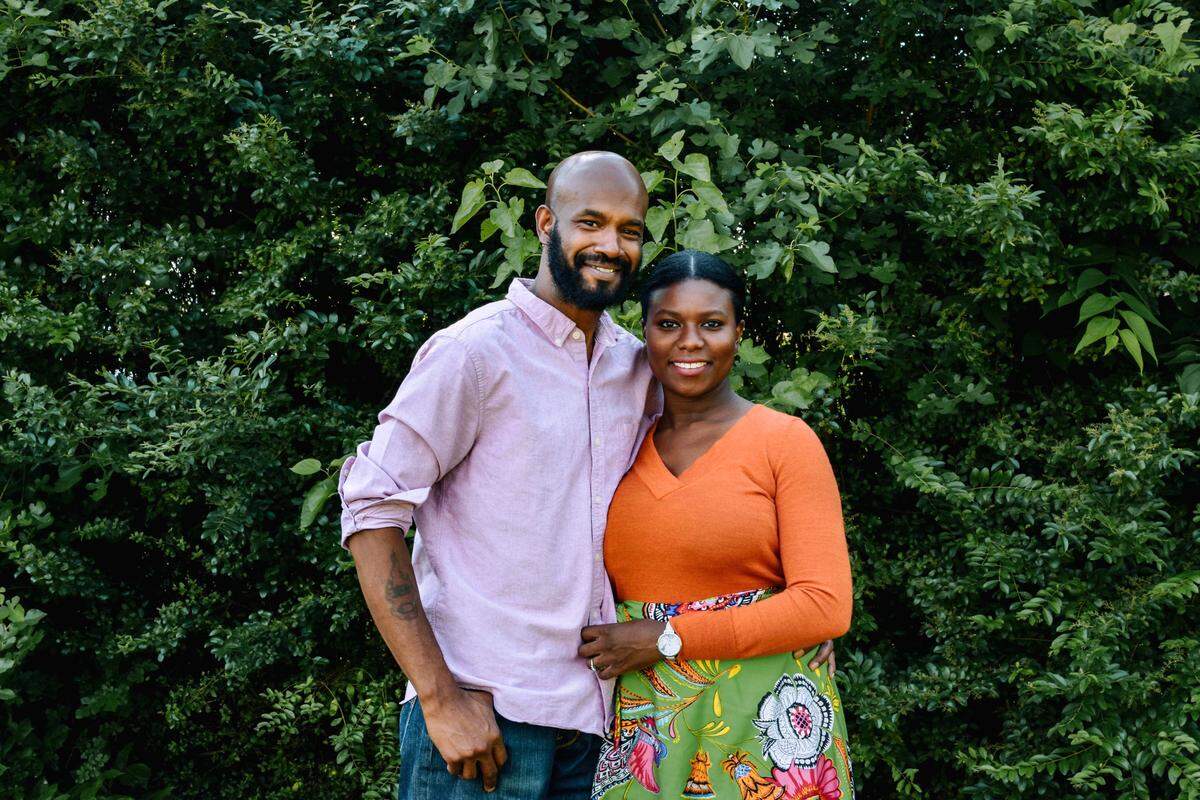
The garden challenge started as an idea to find kids interested in trying vegetable gardening then providing them with packets of seed for three vegetables and sunflowers, peat moss pods to start them and lots of information. They hoped to have 50 participants and wound up with 68, including the kids at GreeneLanding, 28 Mill Creek elementary STEAM summer participants, 31 kids in Consolidated Baptist Church’s summer enrichment agriculture program and some working in their own back yards. Each week the participants report on what they’ve done, take pictures and, of course, tend their plots.
Heather Silvanik, the operations manager at the Conservation District, said Black Soil’s proposal for the challenge “fit the (grant) criteria well as it provides safe-at-home exposure to the entire process of growing food from seed to vegetable.” Black Soil’s mission to cultivate a passion and understanding of agriculture in young students,” is a “perfect fit” with the office’s education goals, she said.
Jacory enjoys getting his hands in the dirt. He said he’s “learning a lot, like how to grow your own food,” if one day things get too expensive at the supermarket. When the challenge ends Aug. 1 cooperative extension experts from the University of Kentucky and KSU will judge who produced the best vegetable, with prizes ranging from $75 to $300.
Smith and Claiborn believe in creating ecosystems that can expand their work and spread their message. Looking for markets for Black-owned farms, they’ve created connections with five restaurants and launched a farm shares program sourced from seven different Black owned farms. Some shares are sold but with the help of a grant from the Lee Initiative matched by some other donors and funds raised from a special flavor developed by Crank and Boom Ice Cream, 10 families will receive free shares each of the 18 weeks in the season.
Again, reaching out to tap their network, Smith talked with farmer, doula and new co-owner of Alfalfa’s Tiffany Bellfield El-Amin to identify new mothers who wanted access to local, fresh food for their families.
Virus or not, Smith said BlackSoil will continue tapping into the “community that has organically formed based on respect and trust,” as she and Claiborn have been pursuing their dream and their mission. Working together they believe, “we can cultivate a new generation of farmers and especially Black farmers”