A Kentucky bourbon wants to cover bankruptcy debt with whiskey. Bank says no
AI-generated summary reviewed by our newsroom.
- Kentucky Owl seeks to exit bankruptcy using 35,000 barrels as debt payment.
- Fifth Third Bank opposes the plan, citing asset mismanagement and losses.
- Stoli warns rejection may trigger Chapter 7 liquidation and lower payouts.
The future of a cult Kentucky bourbon hangs in the balance.
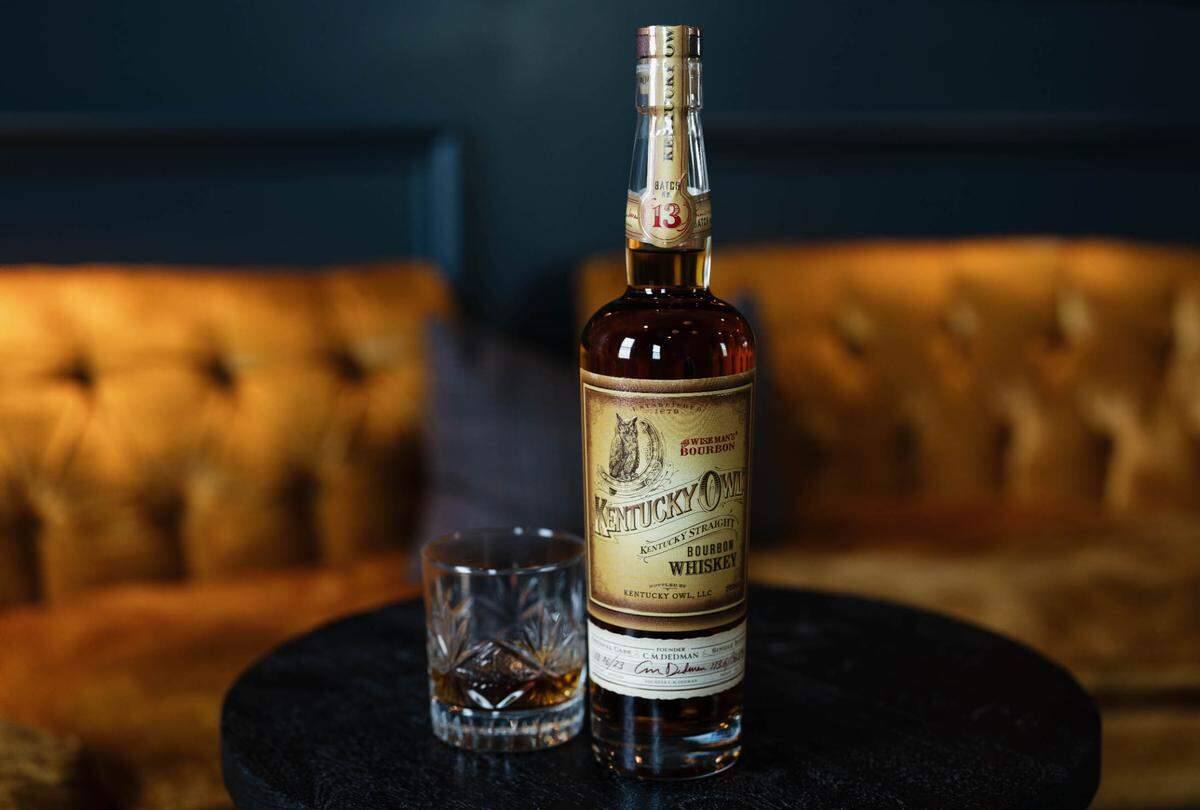
Kentucky Owl and the U.S. subsidiary of Stoli have been in Chapter 11 bankruptcy protection since November 2024. Now they have a plan to emerge: Pay off $78 million in debt with 35,000 barrels of unfinished bourbon as well as an assortment of finished alcohol inventory, along with a lien on property meant to be a distillery and tourist destination in Bardstown.

But lender Fifth Third Bank opposes the plan, which the bank says will leave it on the hook for $60 million. Instead, Fifth Third wants an independent fiduciary appointed, possibly on Friday, when a fifth day of hearings is scheduled in bankruptcy court in Texas.
How Kentucky Owl went from cult bourbon to bankruptcy
Harrodsburg’s Dixon Dedman, whose family owned Beaumont Inn, revived a family-owned label in 2014 with great success using sourced whiskey. The brand became a sought-after favorite among whiskey collectors before it was gobbled up by Luxembourg-based Stoli in 2017 for an undisclosed price.
Kentucky Owl announced plans to build a $150 million architectural “masterpiece” of a distillery and tourism destination in a former Bardstown quarry. But it has never materialized.
Kentucky Owl and owner Stoli Group filed for bankruptcy, citing an August 2024 ransomware attack that froze their data amid geopolitical unrest (the company’s founder is an outspoken critic of Russian President Vladimir Putin’s war on Ukraine) and a downturn in the spirits market.
Future of the whiskey brand
Kentucky Owl has released at least one bottle since bankruptcy and says it intends to emerge as a viable brand, but it isn’t clear how that could happen once all of its bourbon and whiskey stocks have been sold off.
The plan “is designed to enable the debtors to emerge from chapter 11 with strengthened balance sheets and sufficient liquidity to support post-emergence operations, with all allowed claims of creditors being paid in full,” according to the latest filings.
When Kentucky Owl filed for bankruptcy, thousands of barrels of its bourbon were being stored at Bardstown Bourbon Co., which is now owed more than $6.8 million, according to an updated bankruptcy filing.
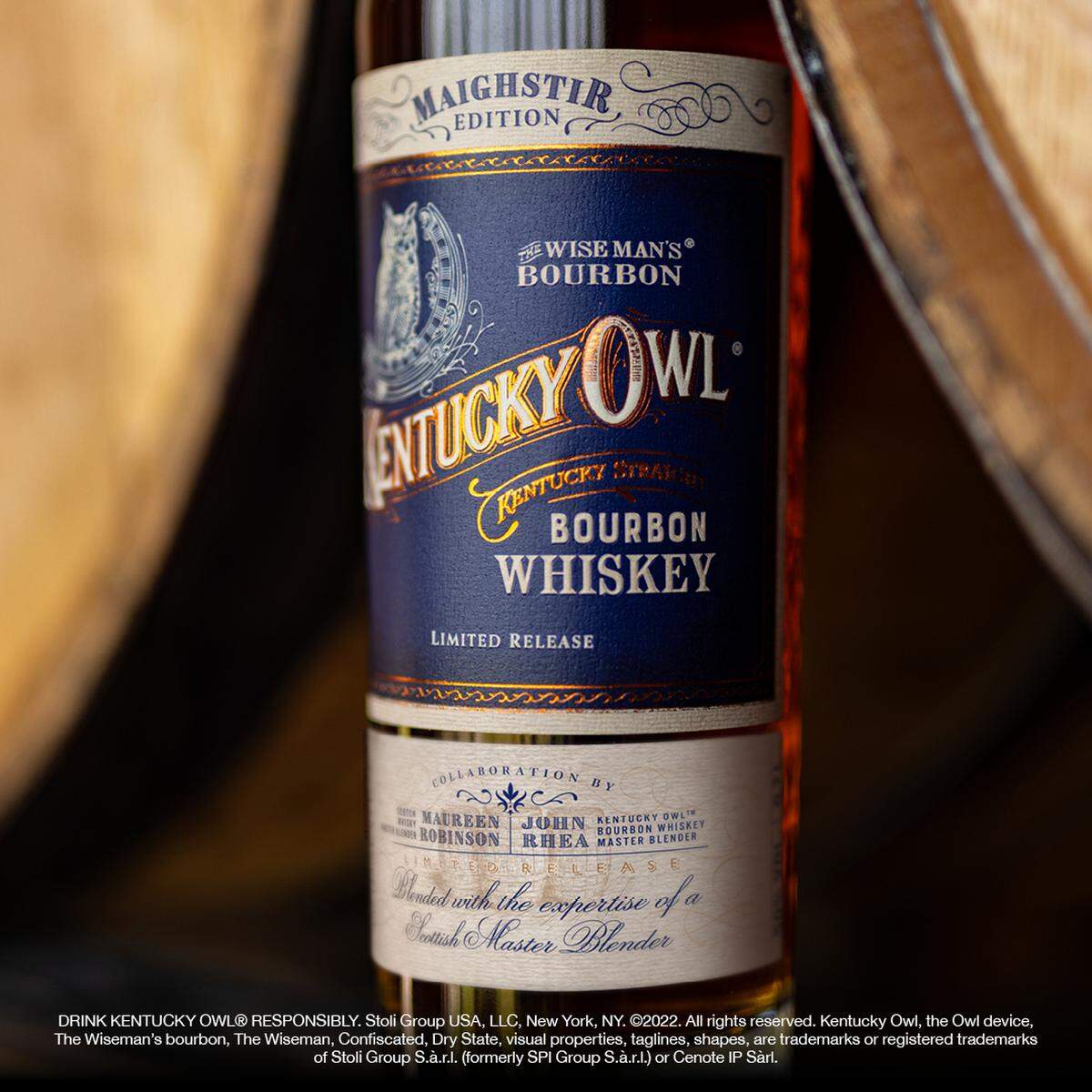
Fifth Third Bank contends that Kentucky Owl has been improperly moving inventory around, including nearly $800,000 of leftover Kentucky Owl Scotch-inspired Maighstir bourbon released in 2023, and is concerned about losing track of assets, something that apparently was an issue for Fifth Third even before the bankruptcy.
According to a filing, on Oct. 29, 2024, Fifth Third sent letters to Kentucky Owl vendors, suppliers and storage providers informing them the brand was in default and that the bank did not consent to any of Kentucky Owl’s inventory being sold or moved of without the bank’s prior authorization. That accelerated the slide into bankruptcy, according to Stoli.
The plan to emerge from bankruptcy would either transfer all of Kentucky Owl’s 35,000 or so barrels and some bottled inventory directly to the bank and to Bardstown Bourbon Co. to satisfy debts, based on fair market value, or transfer the barrels to a special purpose entity to liquidate them. The remaining debt, if any, would be repaid in monthly installments over the next 27 months, Stoli said.
The creditors also would be given a lien on Kentucky Owl’s Bardstown real estate that could be exercised if the barrels don’t sell as anticipated.
Fifth Third cites weak bourbon market
Fifth Third has objected to the overall plan, saying bourbon prices are depressed and they anticipate getting “barely more than $20 million from such liquidating collateral ... driven by the weakness of the raw bourbon market.”
Without confirmation of the plan, Stoli said, the company may be forced into Chapter 7 liquidation anyway, which could result in extensive delays and increased expenses, further reducing overall the amount left to pay off all claims.
The bourbon industry is facing slumping sales due to a variety of factors including inflation, trade barriers and changing consumer tastes. That has been exacerbated by post-pandemic overproduction and put distilleries and brands large and small in financial jeopardy.
Uncle Nearest and Nearest Green Tennessee whiskey are in the hands of a receiver with more than $108 million in debt; Georgetown brand Limestone Farms Distillery that counted former University of Kentucky quarterback Tim Couch as a partner is facing $2 million in liens and a lawsuit. Garrard County Distillery has closed and Luca Mariano in Danville is in bankruptcy owing $34.5 million. Now, Independent Stave’s Kentucky Cooperage has announced it will be laying off more than 100 Marion County workers permanently.
This story was originally published August 27, 2025 at 10:14 AM.