Whiskey woes: Is Kentucky’s $9 billion bourbon industry on the rocks?
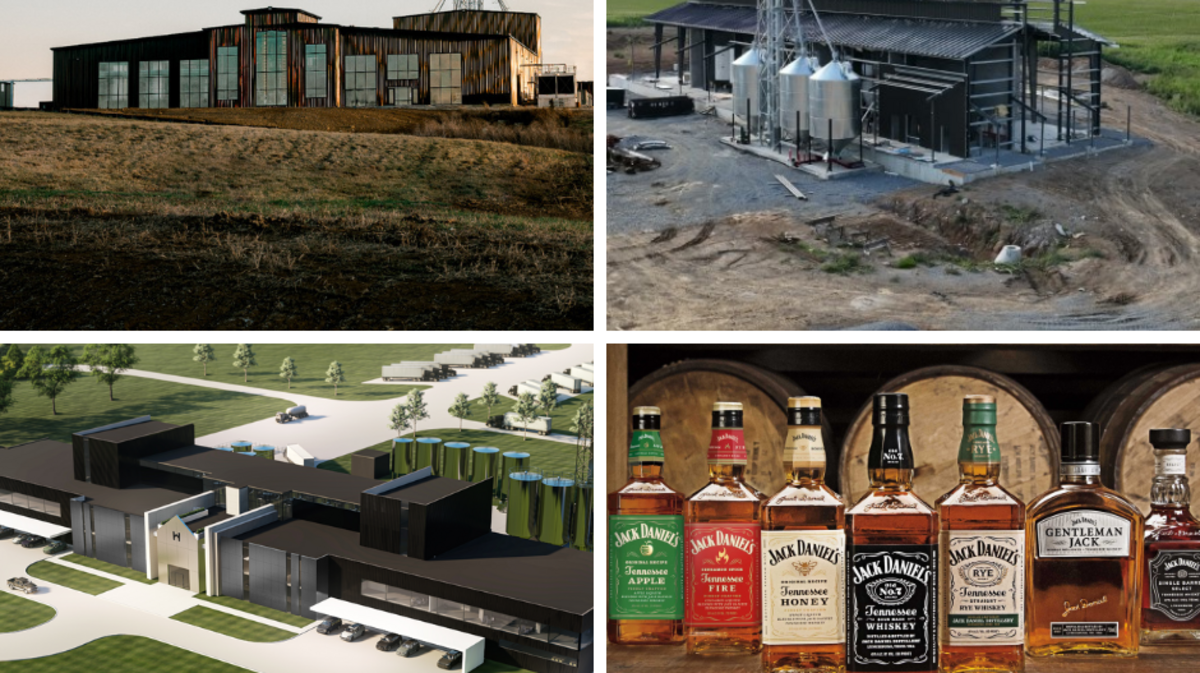.png "Four Kentucky distillers have been in the news lately with negative news: From top left, Garrard County Distilling closed and has been taken over by Truist Bank; Luca Mariano Distilling owes millions before it even opens; Brown-Forman’s stock price tanked after it reported sales down for the year; and Whiskey House of Kentucky is facing a $1.2 million lien from builder Buzick Construction.")
Kentucky has seen — and enjoyed — bourbon’s boom over the past decade.
Are we beginning to see its bust?
Since at least 2015, the distilling industry has steadily grown. Businesses large and small reaped the benefits.
But in recent months, one new Kentucky distillery has closed, another is millions in debt before it opens, a third is facing a lien the CEO calls “a minor blip,” while one of the giants of American whiskey has seen its stock price sink to its lowest point in over a decade.
.png "Untitled design (19).png")
What’s going on?
While the issues with Garrard County Distilling, Luca Mariano Distillery, Whiskey House of Kentucky and Brown-Forman vary, they all appear to touch on the most common market force of them all: Supply and demand.
Until recently, expensive new distilleries with business plans based on increasing demand for American whiskey seemed like a sure thing.
Even established bourbon makers like Louisville-based Brown-Forman expanded and ramped up, especially during the COVID pandemic shutdown, when demand skyrocketed.
But now, demand for bourbon in the U.S. is down, and overseas markets are either cut off — bourbon and American whiskey are still largely off the shelves in Canada — or hampered by President Trump’s wildly fluctuating tariffs.
Woes for Jack Daniel’s
Brown-Forman on Thursday reported that sales for the fourth quarter were down 7% and for the year were down 5%. Even the Jack Daniel’s Tennessee Whiskey family saw a 6% sales drop, enough to overcome the gains made by premium bourbons Woodford Reserve and Old Forester.
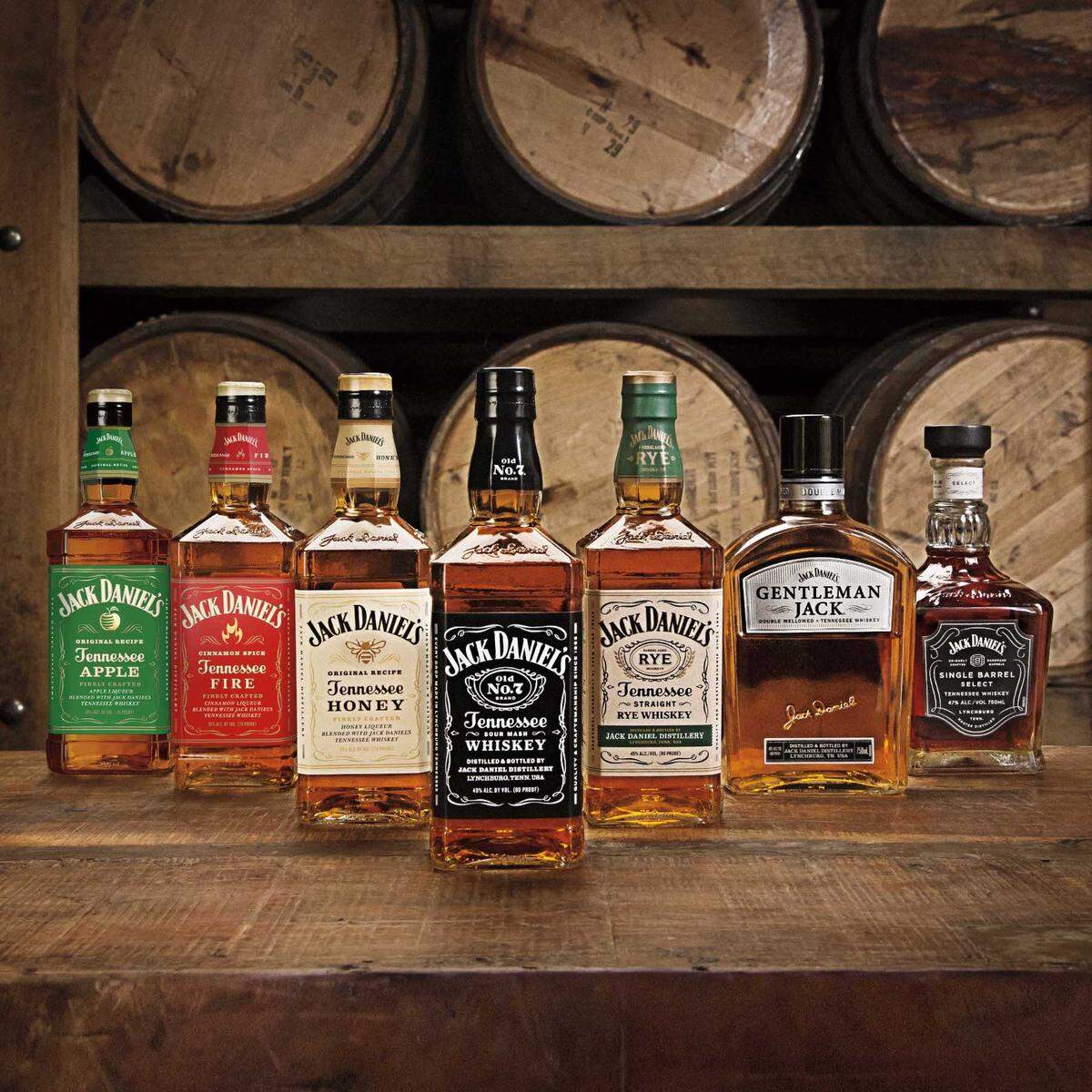
The overall economy and tariffs add so much uncertainty to the picture, Brown-Forman said, that difficulties will continue into this year as well.
Lawson Whiting, president and CEO of Brown-Forman cited a variety of reasons at an earnings call Thursday, including the use of GLP-1 medications like Ozempic, legal cannabis and that Gen Z drinks less.
“I’ve seen more and more people saying it’s the same big three, the GLP-1s, the cannabis and Gen Z, and we’ve been saying that for a year and a half now,” Whiting told investors.
He also told investors that customers in general seem to have less to spend on spirits, and that when they are buying, they buy smaller bottles than before.
That’s in part because major labels so far have not lowered prices, he conceded.
It isn’t that they don’t want what Brown-Forman is selling — it’s that they are using less of their discretionary income on it, he indicated.
The company is fighting back: It will launch a blackberry version of its Jack Daniel’s Tennessee Whiskey line extension and plans to bring versions of ready-to-drink cocktails that are popular in Mexico to the U.S. later this summer, Whiting said.
But the stock market seemed skeptical that the changes would be enough to get consumer demand back: Brown-Forman shares fell 18% in one day, making the company the second-biggest loser of the trading day Thursday.
What other bourbon makers are seeing
The pall was enough to drag down even competitors, among them Diageo, the global spirits giant that makes Bulleit bourbon, which was down 6.6% Thursday.
In its own May earnings report, Diageo said that President Trump’s tariffs will cost the company $150 million a year, but said overall sales were recovering.
Diageo, as well as other spirits companies including Wild Turkey parent Campari, have been streamlining assets — in other words, selling stuff off. Diageo said it is considering “substantial” disposals and unveiled a $500 million cost-cutting program amid concerns over sluggish alcohol demand.
What happened at the new distillers?
While the new distillers each face their own issues, at least two appear to have encountered difficulties with financing. In Garrard County’s case, after multiple liens were filed, Truist Bank went to court to have the distillery placed in the hands of receiver. Its future is uncertain.
In Luca Mariano’s case, multiple liens have been filed, and Truist Bank again seems to have been involved. Now, the distillery has brought in a new lending partner that specializes in distressed assets and appears to be moving forward with a grand opening on June 13.
Whiskey House CEO David Mandell said he expects to resolve the lien with Buzick Construction quickly. Whiskey House had separately sued a buyer who signed a contract for thousands of barrels, then never made payments. Whiskey House has moved for a summary judgment in the case.
Impact in Kentucky
What does all this mean for Kentucky’s $9 billion bourbon industry?
Long-time industry watcher Chuck Cowdery told the Herald-Leader Friday he is watching for more start-ups to experience difficulties.
“We’ll see more of what I believe happened with Luca Mariano, which is lenders getting squeamish and pulling back on additional funding,” Cowdery said. “Adequate capitalization has been the biggest challenge for new distilleries since the 19th century.”
Cowdery said in January that as supply exceeds demand, major brands “will adjust their production according to their own needs, as they always have.”
Brown-Forman, Suntory (of Jim Beam and Maker’s Mark), Sazerac (owner of Buffalo Trace and Barton 1792), Heaven Hill (owner of Evan Williams), Wild Turkey and Four Roses will just make less and hold onto what they have for longer.
Small craft distillers that sell what they make will not be impacted, he said.
“Like the big guys, if they sell only what they make and make everything they sell, the oversupply problem doesn’t affect them either,” Cowdery said.
But excess whiskey is a bigger problem for those distillers who are contract distillers, especially those who were producing for investors, as Garrard was planning to do.
Likewise, MGP Ingredients, which makes whiskey in Indiana that is sold under many different independent labels, including Penelope Bourbon, is facing lawsuits from investors who say the company misled them about slowing demand and sales.
“The flow of capital driving much of the over-investment in new capacity and warehouse-filling is bound to slow,” Cowdery said in January.
The solution? Whiskey makers should go back to doing what they do best: Make good bourbon for the fans who still want to drink it, he said.
“Marketers should remind consumers, here and elsewhere, why they fell in love with bourbon and rye in the first place. We drink them because we like them. We like their sweetness and easy-drinking character, generally unpretentious personalities, and affordable prices,” Cowdery said. “The boom may have abated, but American whiskey is here to stay.”
This story was originally published June 6, 2025 at 2:37 PM.