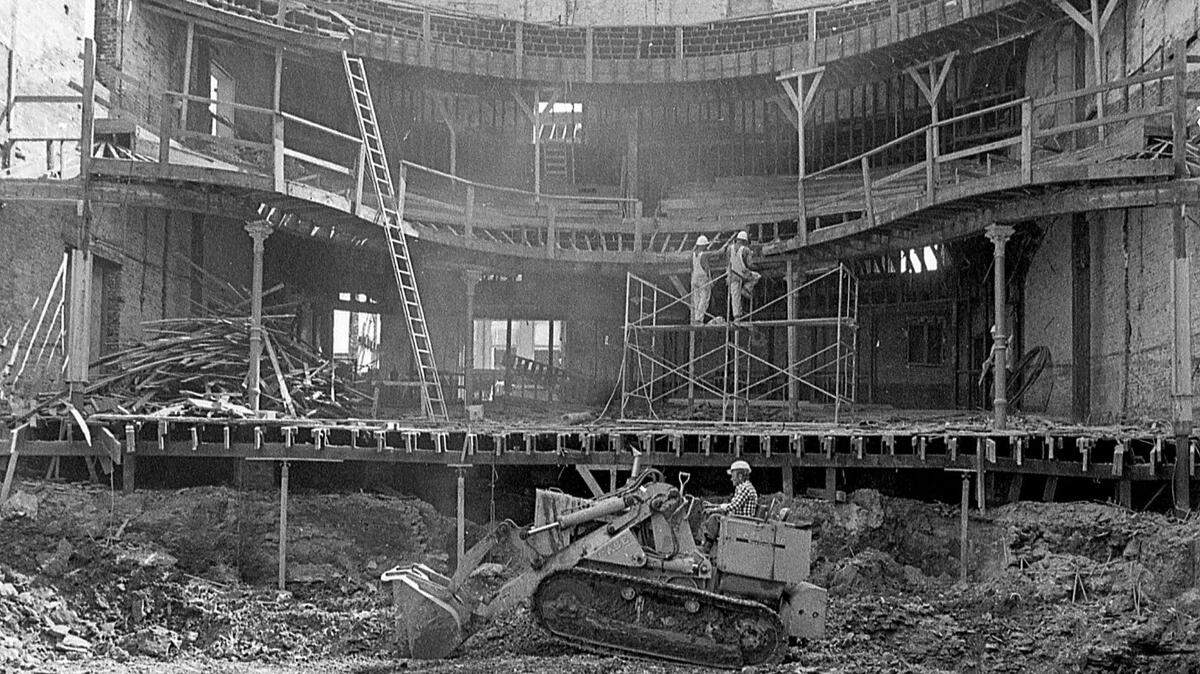
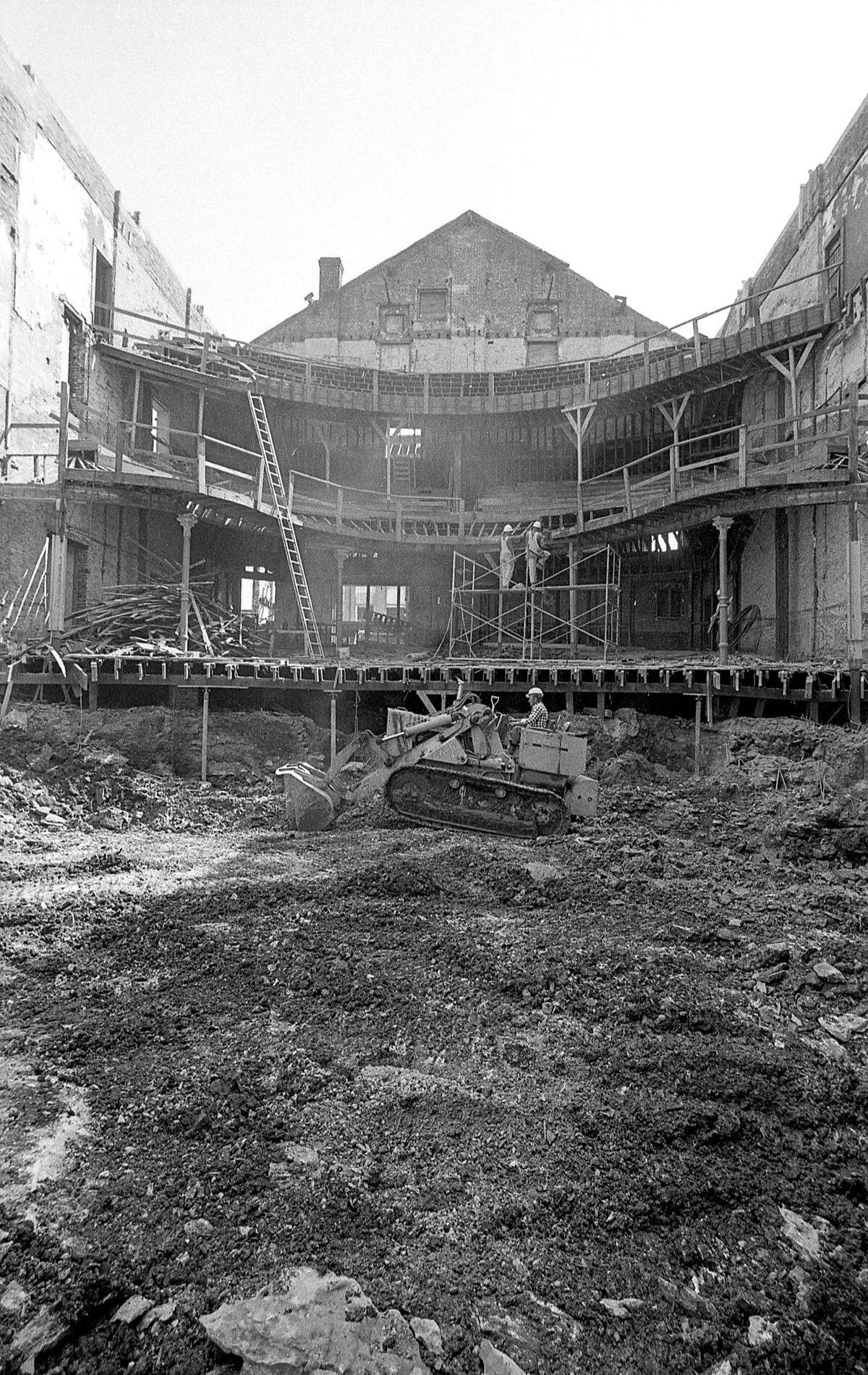
Don Williams rides a bulldozer Oct. 10, 1974 as the restoration of the Lexington Opera House continues in downtown Lexington. The historic theatre at the corner of West Short Street and South Broadway needed a renovation after high winds demolished the roof in 1973. Private and public fund drives started to save the theatre and ultimately it became part of the Lexington Center complex that included the new Rupp Arena and convention center that opened in 1976. Restoration of the 19th century structure cost $4 million. It reopened Friday, May 7, 1976 with a performance by the Lexington Philharmonic and the Lexington Singers.
John Wyatt
1974 Herald-Leader staff file photo
Editor’s Note: As Lexington celebrates the 250th anniversary of its founding, the Herald-Leader and kentucky.com each day throughout 2025 will share interesting facts about our hometown. Compiled by Liz Carey, all are notable moments in the city’s history - some funny, some sad, others heartbreaking or celebratory, and some just downright strange.
Jan. 15, 1886: The theater that became the Lexington Opera House is destroyed by fire.
In the late 1800s, Lexington was considered the “Athens of the West” because of its place on pioneers’ journeys to the American frontier and the cultural presence of Transylvania University. The area around Broadway and Main Streets back then was home to several theaters and burlesques.
One theater that opened in the 1850s came to be known as the Opera House. It was those theaters that helped solidify the city’s reputation as a cultural center. Here is where farmers and others would come to not only sell their wares, but to attend plays and see the best in entertainment of the day.
While the Opera House was described as not much more than a barn, the theater attracted acts like Edwin Booth, Buffalo Bill Cody, Gen. Tom Thumb and others.
Those acts and others turned the theater into a major economic driver, pulling in tourists to Lexington and adding money to the pockets of everyone from livery drivers to hoteliers. But on the morning of Jan. 15, 1886, the building caught fire and burned to the ground in less than an hour.
The new Lexington Opera House was constructed on the same site and officially opened in July 1887.
Don Williams rides a bulldozer Oct. 10, 1974 as the restoration of the Lexington Opera House continues in downtown Lexington. The historic theatre at the corner of West Short Street and South Broadway needed a renovation after high winds demolished the roof in 1973. Private and public fund drives started to save the theatre and ultimately it became part of the Lexington Center complex that included the new Rupp Arena and convention center that opened in 1976. Restoration of the 19th century structure cost $4 million. It reopened Friday, May 7, 1976 with a performance by the Lexington Philharmonic and the Lexington Singers. John Wyatt 1974 Herald-Leader staff file photo
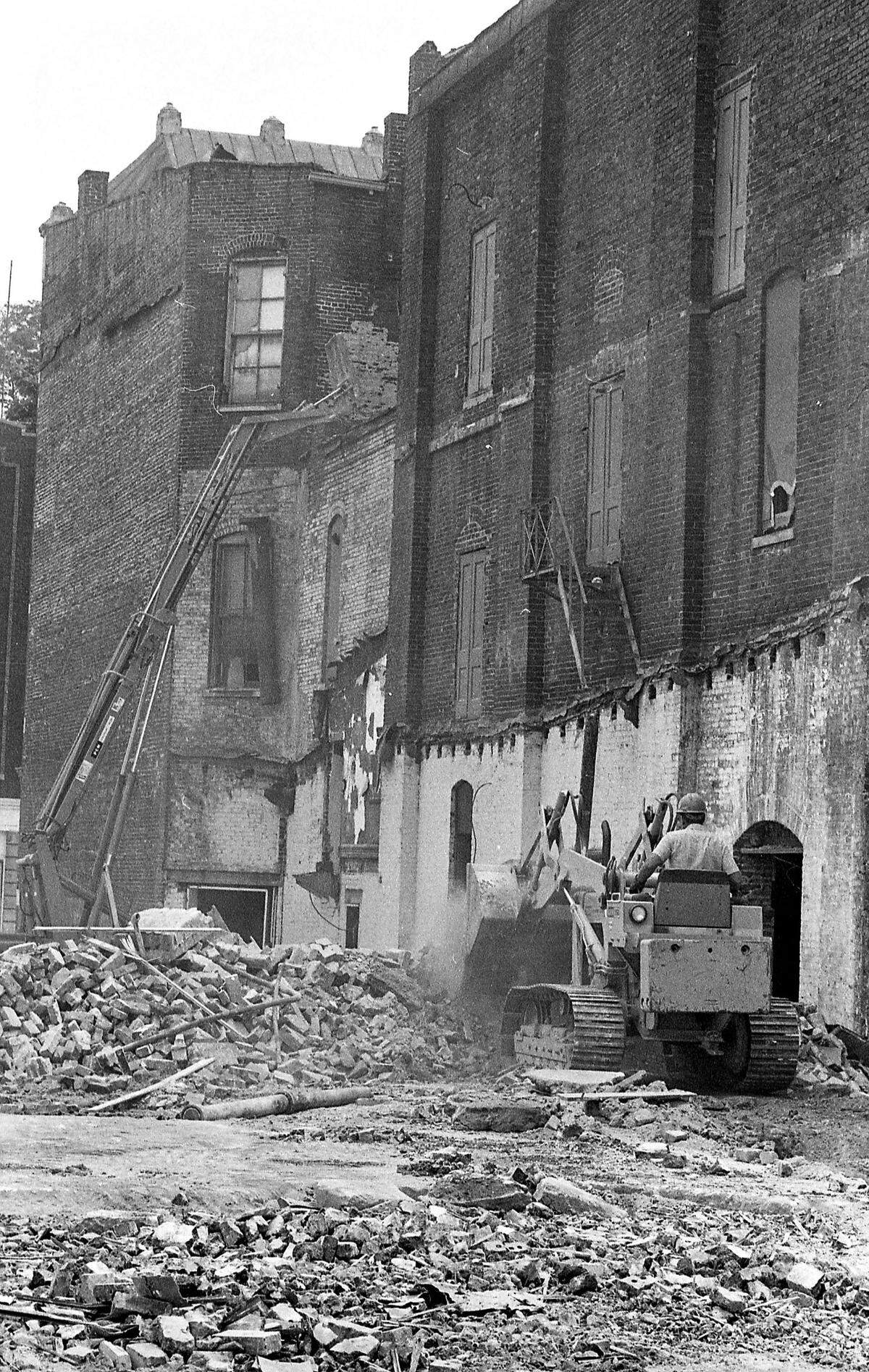
A worker with Horn and Williams Excavating Co. rides a bulldozer Oct. 10, 1974 as the restoration of the Lexington Opera House continues in downtown Lexington. The historic theatre at the corner of West Short Street and South Broadway needed a renovation after high winds demolished the roof in 1973. Private and public fund drives started to save the theatre and ultimately it became part of the Lexington Center complex that included the new Rupp Arena and convention center that opened in 1976. Restoration of the 19th century structure cost $4 million. It reopened Friday, May 7, 1976 with a performance by the Lexington Philharmonic and the Lexington Singers. John Wyatt 1974 Herald-Leader staff file photo
This story was originally published January 15, 2025 at 2:39 PM.