
Women have changed so many aspects of life in Kentucky. But have you heard of Laura Clay?
Editor’s Note: As Lexington celebrates the 250th anniversary of its founding, the Herald-Leader and kentucky.com each day throughout 2025 will share interesting facts about our hometown. Compiled by Liz Carey, all are notable moments in the city’s history - some funny, some sad, others heartbreaking or celebratory, and some just downright strange.
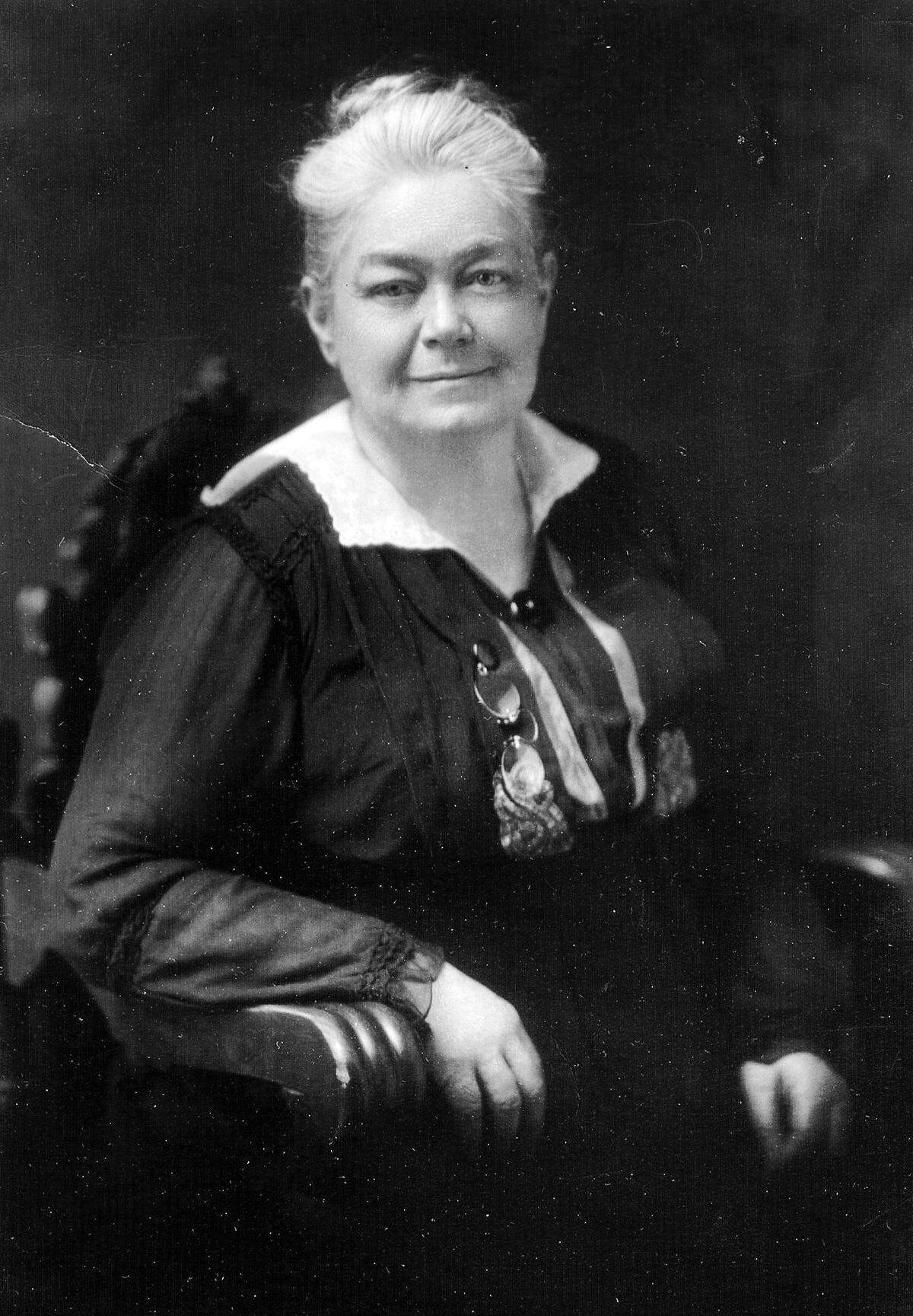
Feb. 9, 1849: Laura Clay is born.
She was one of the South’s most important suffragists, one of the women who started the Equal Rights movement in Kentucky, and was one of two women to be nominated by a major political party to run for president.
Laura Clay, one of Cassius Clay’s daughters, was born in 1849 at White Hall, near Richmond. She was raised largely by her mother while her father pursued political ambitions as an abolitionist.
Educated at Sayre School, and at the University of Kentucky, Clay recognized the inequalities between genders early on when her parents’ divorce in 1878 left her, her mother and her sisters homeless.
At the time, women had no rights to property. They also couldn’t enter contracts or sign wills. In fact, if they died, it was up to their husband to disburse their property however they saw fit.
Although her mother, Mary Jane Warfield Clay, had managed White Hall for more than 40 years while Cassius Clay served as President Abraham Lincoln’s ambassador to Russia, the divorce left her penniless.
Laura Clay’s father returned to the farm to raise a son who was the result of an affair he’d had in Russia.
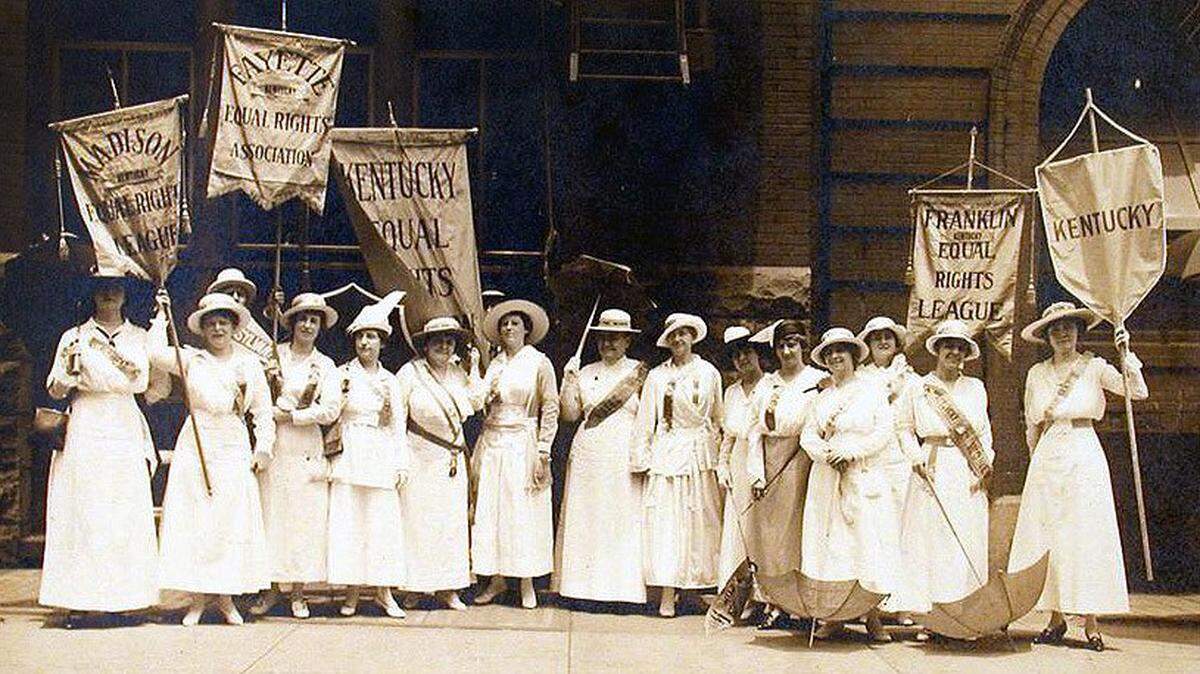
Just three years later, Louisville hosted the national meeting of the American Woman Suffrage Association. Laura made a presentation during the meeting, at the urging of its president Lucy Stone, and another prominent suffragette, Laura’s older sister, Mary Barr Clay.
After the presentation, the women founded the Kentucky Woman Suffrage Association, the first suffrage association in the South.
Mary Barr, Laura and their sisters Sally and Annie, all joined. In 1888, with the help of Woodford County’s Josephine Henry and others, they went on to found the Kentucky Equal Rights Association, which Laura Clay became president of until 1912.
Under Clay’s leadership, the association worked to improve women’s rights and educational opportunities. They successfully lobbied to protect women’s wages and property rights, required women’s mental hospitals to have female doctors on staff, raised the marriage age in Kentucky from 12 to 16, established juvenile courts and encouraged Transylvania University to admit women.
They also inspired the University of Kentucky to build its first women’s dorm.
During the 1890s, Clay was active in the National American Woman Suffrage Association. She suggested the Suffrage movement followed the Southern Strategy that only educated women (otherwise known as white women) would be allowed to vote.
Clay convinced Susan B. Anthony to adopt the strategy as the only way to influence white men in the South. By 1903, the suffrage association excluded Black members from their New Orleans convention.
In 1920, Laura Clay had founded the Democratic Women’s Club of Kentucky and served as a delegate to the 1920 Democratic National Convention. During that gathering, Clay and fellow delegate Cora Wilson Stewart were the first women to be put forward as a candidate for president by a major political party.
That same convention saw Democrats supporting women’s suffrage. After a series of votes in the U.S. Congress and in state legislatures, women were granted the right to vote on Aug. 26, 1920.
Later, Clay worked in opposition of Prohibition. She was the temporary chairman of the Kentucky Convention to ratify the 21st Amendment, repealing it.
In her final years, the activist dropped out of the public eye.
Clay died on June 29, 1941, at the age of 92. She is buried in Lexington Cemetery.
Got a question or a story idea related to Lexington’s 250th year? Email us at 250LexKy@gmail.com
This story was originally published February 13, 2025 at 4:00 PM.