
Lexington’s Narco Farm was the nation’s first drug rehabilitation center
Editor’s Note: As Lexington celebrates the 250th anniversary of its founding, the Herald-Leader and kentucky.com each day throughout 2025 will share interesting facts about our hometown. Compiled by Liz Carey, all are notable moments in the city’s history — some funny, some sad, others heartbreaking or celebratory, and some just downright strange.
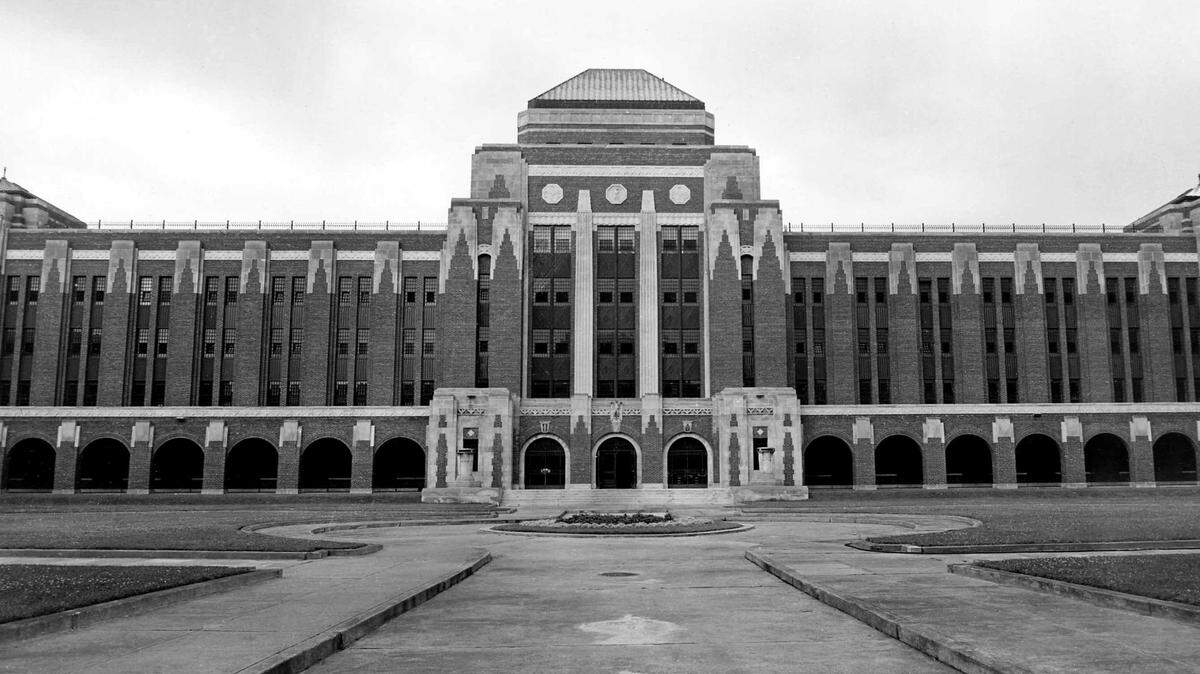
Lexington’s Narcotic Farm was America’s first rehabilitation center for people addicted to drugs.
The farm was built 1935 as a response to a burgeoning opioid problem. Known as the United States Narcotic Farm, it opened on the outskirts of Lexington with a progressive mission — to treat drug addiction instead of merely imprisoning drug users.
Throughout its history, it housed the famous to the forgotten, from jazz musicians and writers to addicted doctors and drugstore cowboys. Jazz musicians Chet Baker and Sonny Rollins stayed at the farm, as well as actor Peter Lorre and hotel magnate Leona Helmsley.
William Burroughs wrote about his time at the facility in his book, “Junkie.”
The Narcotic Farm, informally called Narco, was a combination prison, hospital and research facility for those convicted of drug-related crimes, as well as those who voluntarily committed themselves. When it opened, it was supposed to address the country’s growing prison population.
In the 1920s, about half of those incarcerated were in prison on drug-related offenses because of new opioids like heroin flooding the marketplace. Just a few years before, in 1915, the Harrison Narcotics Act was passed to aggressively go after anyone who used or sold drugs to try to tamp down on addiction issues.
The desire to get drugs off the streets, combined with a lack of understanding of addiction, kept prison populations high. In the 1920s there was a push to lower prison populations by finding a cure for drug addiction. Narco became the solution that incarcerated drug users while helping them overcome their addiction.
Treatment at the facility started with “self-commitment.”
Approximately two-thirds of those sent to the facility were considered volunteers. While some traveled to Lexington to “volunteer” for treatment, others were motivated to “volunteer” in lieu of facing federal sentencing.
The remainder were there due to drug-related federal charges. Those at the facility were called patients, not prisoners, and would receive rehabilitation therapy, some of the first behavior therapy used in the U.S. Patients were also given the opportunity to work and farm on the property, as well as participate in sports and arts and crafts.
But the idyllic setting earned Narco a reputation for being a country club prison.
Patients got manicures and pedicures, had their hair cut and styled, and were taught how to take care of themselves. It was moral therapy based on the idea that a change in one’s environment can transform the patient.
The facility closed in 1974 after a series of treatment scandals and the realization that nearly 90% of its patients returned to drug use after leaving the farm.
It became a federal prison, and today the Federal Medical Center houses federal inmates requiring medical or mental health care.
Have a question or story idea related to Lexington’s 250-year history? Let us know at 250LexKy@gmail.com.
Correction: This story has been updated to correct the spelling of William Burroughs’ name.
This story was originally published May 23, 2025 at 4:00 AM.