
How Lexington Confederate Gen. John Hunt Morgan led a disastrous Civil War raid
Editor’s Note: As Lexington celebrates the 250th anniversary of its founding, the Herald-Leader and kentucky.com each day throughout 2025 will share interesting facts about our hometown. Compiled by Liz Carey, all are notable moments in the city’s history — some funny, some sad, others heartbreaking or celebratory, and some just downright strange.
John Hunt Morgan is known as the Confederate general whose 1,000-mile raid during the waning years of the Civil War was mostly a costly mistake — but his history in Lexington should have shown leaders who he really was.
Morgan was born on June 1, 1825, in Huntsville, Alabama. The eldest of 10 children born to Calvin and Henrietta Hunt Morgan, John came to Kentucky with his family after his father’s pharmacy failed and they lost their home.
Calvin Morgan managed one of his father-in-law’s farms in Lexington after the move. John grew up on the farm and attendedschool at Transylvania College. Two years after starting school, however, he was suspended for dueling with a fraternity brother.
In 1846, Morgan enlisted in the U.S. Army as a private during the Mexican-American War. His one desire was to have a military career, but officer’s commissions at the time were limited due to the size of the Army.
Morgan was eventually promoted to first lieutenant and fought in the war, but he returned to Kentucky after it ended to become a hemp manufacturer.
Still interested in the military, Morgan raised a militia artillery company in 1852, but it was disbanded by the state legislature two years later. In 1857, he raised an independent infantry company known as the Lexington Rifles and spent his free time drilling the company.
As the country moved closer to Civil War, Morgan was initially against secession. But by 1861, he was moving politically toward the Confederacy.
By September, Morgan and the Lexington Rifles had moved to Tennessee to join up with the Confederate States Army. Morgan then raised the 2nd Kentucky Cavalry Regiment and was made its colonel.
During the first half of 1862, Morgan and his men fought in the Battle of Shiloh and began a quest to occupy Kentucky for the Confederacy. In July, he led his men out of Knoxville and moved into Kentucky, where he captured nearly 1,200 Union soldiers and took hundreds of horses and destroyed supplies.
By then end of that year, he was promoted to Brigadier General.
The next year, Morgan set off on a diversionary campaign known as Morgan’s Raid that would be his downfall. Against explicit orders not to do the raid, Morgan and his men crossed over the Ohio River, and raided Southern Indiana and Ohio.
After several skirmishes, some 700 of his men were captured trying to cross the Ohio River into West Virginia. By the end of July, Morgan and the rest of his men had surrendered having move further northward than any other Confederate troops during the war.
Morgan and six of his officers were held at the Ohio Penitentiary. On Nov. 27, 1863, they were able to escape and Morgan made his way by train to Cincinnati. Morgan jumped off the train before reaching the city, and escaped into Kentucky, eventually making his way back to the Confederacy.
Still, Confederate Gen. Braxton Bragg never trusted Morgan again. Though he returned to active duty, Morgan’s command was not the same.
His new men were inexperienced and when he began raiding Kentucky again, he was unable to control them. His “Last Kentucky Raid” in June 1864 resulted in disaster, and Morgan’s force was destroyed. Only a few escaped with their lives, including Morgan and some of his officers.
In 1864, Morgan was put in charge of the Trans-Allegheny Department. He began planning a raid into mostly the Union Knoxville. While camped in Greeneville, Tennessee, he was caught in a surprise attack and tried to escape through an alley behind the home he was staying at.
A Union private, who had once served under him, shot and killed him as he fled.
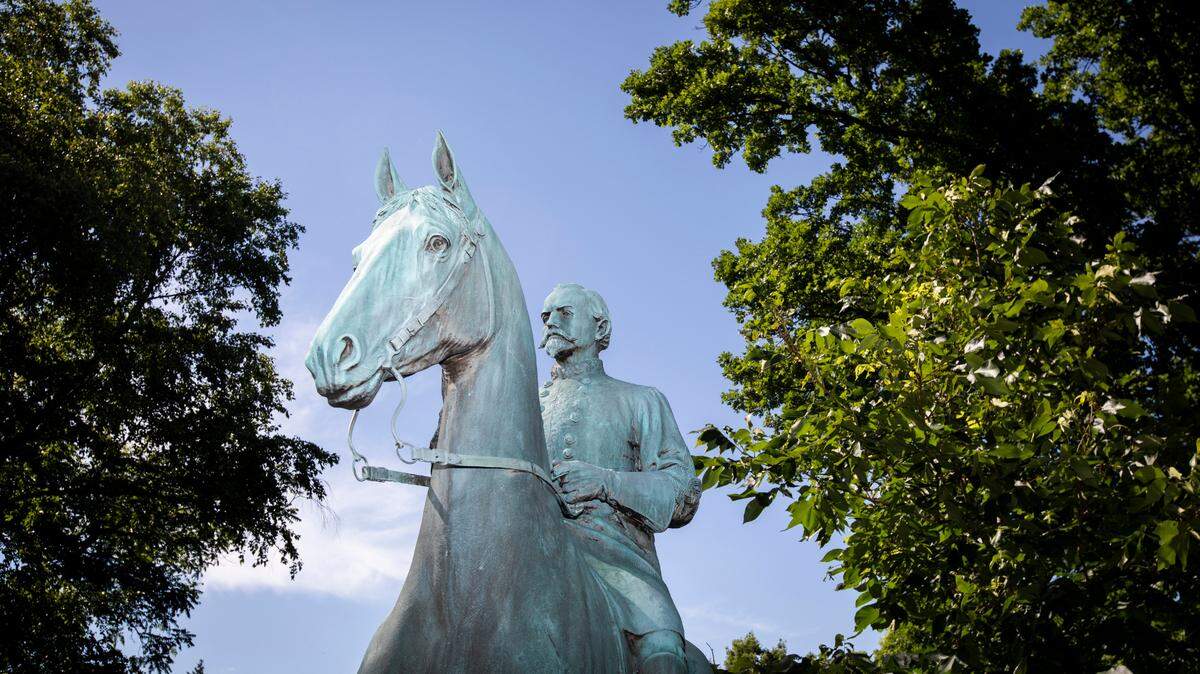
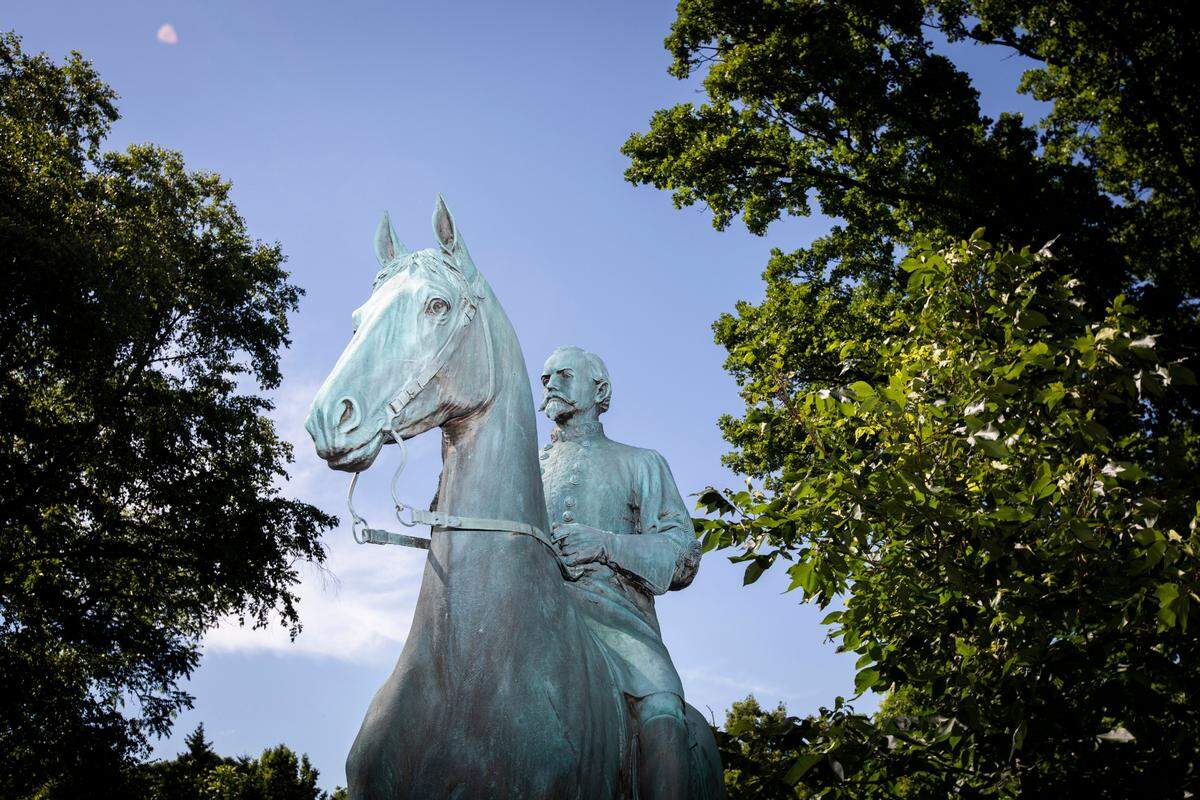
Morgan was considered one of the superior cavalrymen of the Confederacy, along with Nathan Bedford Forrest and Jeb Stuart.A statue to him once stood downtown on the lawn of the old Fayette County Courthouse. It, along with a statue of John C. Breckinridge, were removed from the lawn in October 2017.
In 2018, they were relocated to the Lexington Cemetery. Morgan’s was placed in the Confederate section of the Lexington Cemetery, where Morgan is buried, while Breckinridge’s was placed in the Breckinridge family burial area.
Have a question or story idea related to Lexington’s 250-year history? Let us know at 250LexKy@gmail.com.