
Peanut butter, mustard and Long John Silver’s: Lexington’s rich history with food
Editor’s Note: As Lexington celebrates the 250th anniversary of its founding, the Herald-Leader and kentucky.com each day throughout 2025 will share interesting facts about our hometown. Compiled by Liz Carey, all are notable moments in the city’s history — some funny, some sad, others heartbreaking or celebratory, and some just downright strange.
Cincinnati has chili, the state of Kentucky has burgoo and hot browns — but what does Lexington bring to the culinary scene?
A lot, actually.
Almost since its founding, Lexington has been home to unique foods and restaurants. From an award-winning mustard to Jif Peanut Butter, Long John Silver’s to White House chefs, Lexington’s rich culinary food is rich and varied.
Famous dishes from Lexington include the Lexingtonian salad from Malone’s — a fan favorite for more than a quarter of a century with mixed greens, Roma tomatoes, bacon and a creamy herb dressing; Keeneland’s bread pudding — served by Turf Catering since 1958, using Sister Shubert rolls for just the right texture and Maker’s Mark bourbon for the sauce; Joe Bologna’s famous garlic bread sticks, and Merrick Inn’s famous fried chicken.
But the city’s culinary history is more than just food. It’s the people and places behind the food that also make it special — and that history goes back to the late 1700s.
Lexington’s famous mustard
Nathan Burrowes was an early settler to Lexington, where he began to make his famous mustard. Having come to the city from Pennsylvania around the time Kentucky became a state in the 1780s, he first perfected a way to strip leaves and stalks from hemp.
When his ideas were copied and competition drove him out of the business, he turned to mustard instead.
By 1810, he had developed his own method for processing mustard seed and turning it into a condiment. It was manufactured on West Vine in a building behind the Adam Rankin House — the oldest house in Lexington. (The house was originally located on West High Street, and moved to Mill Street by the Blue Grass Trust for Historic Preservation when it faced destruction.)
Samuel McCullough, who was like a son to Burrowes, took over the mustard business after Burrowes passed away in 1841. The mustard recipe was renowned, winning awards at the 1882 World’s Fair in London. At the time, the company claimed that Queen Victoria was a fan.
McCullough sold the company in 1869 to John Brand, who moved it to Louisville. After a competitor, H. Metcalfe, copied the mustard’s packaging, even advertising it as “Lexington Mustard,” the two companies became embroiled in a copyright fight that ended in Metcalfe having to change his packaging.
The mustard was manufactured as late as 1891, but was discontinued by 1893, according to the Lexington History Museum.
French candies and sweets in Lexington
Starting in the early 1800s, Lexington was home to French candies and sweets.
Mathurin Giron immigrated to Lexington from France sometime near the turn of the 19th century. Barely five feet tall and speaking broken, but animated, English, Giron set up a confectionery shop on Mill Street.
A 1915 article in the Lexington Herald described him as “moreover, a gentleman of exceeding tact and kindliness, possessing the rare human quality of making and keeping friends; was ever active, cordial and merry… a man of great adaptability — never alienating a friend, never irritating an enemy.”
As a candy maker, Giron thrived.
From the moment he opened the shop, he was successful. Over the course of the next 30 years, Giron created sweets for Lexingtonians, and opened the second floor of his Mill Street shop as a ballroom for dance lessons, dinners, political gatherings and special occasions.
Giron was chosen to bake a cake for the Marquis de Lafayette during his 1825 visit, fitting for the transplanted Frenchman. It was rumored that Mary Todd, the soon-to-be first lady, was one of his best customers, and that her white almond cake was one of his recipes.
Chefs, from Lexington to the White House
Restaurateurs from Lexington have gained renown as well. Laura “Dollie” Johnson Dandridge was born into slavery, but left Lexington to cook for presidents in the White House.
Dandridge was enslaved from birth to a family in Georgetown, but eventually worked as a cook for Union Col. John Mason Brown in Lexington.
When President Benjamin Harrison needed a White House chef, Dandridge was recommended by many, including then-Civil Service Commissioner Theodore Roosevelt. Dandridge started at the White House in December 1889 and was paid $75 a month, but she left soon after to care for her sick daughter.
Dandridge later returned to Washington to work for Harrison. When Harrison lost the election to Grover Cleveland, Dandridge worked for Cleveland for about a year.
Allegedly, Cleveland fired her but then tried to rehire her. Dandridge refused his offer. Instead, she returned to Kentucky where she met and married Ed Dandridge, a cook for the Fleischmann family, who owned the Fleischmann Yeast Company, in Louisville.
Dandridge and her husband moved to Lexington, where they eventually opened a number of restaurants, including the aptly named “White House Cafe.”
Local, national brands in Lexington
In 1946, William T. Young, a Lexington businessman, founded W. T. Foods and created Big Top Peanut Butter. After developing it into a successful brand, Young sold the company to Procter & Gamble in 1955. The product was renamed Jif Peanut Butter.
Today, the Lexington Jif Peanut Butter factory is the largest peanut butter producing facility in the world.
Mandy Higgins, executive director of the Lexington History Museum said, Lexington chefs continue to serve up excellence and make an impact on the city.
“There are many 20th century restaurants. For example, Angel Levas helped create the Blue Grass Community Foundation and ran Levas Steakhouse for years. And, of course, Long John Silver’s was founded in Lexington on Southland Drive by Warren Rosenthal, who was an institution in and of himself,” she said.
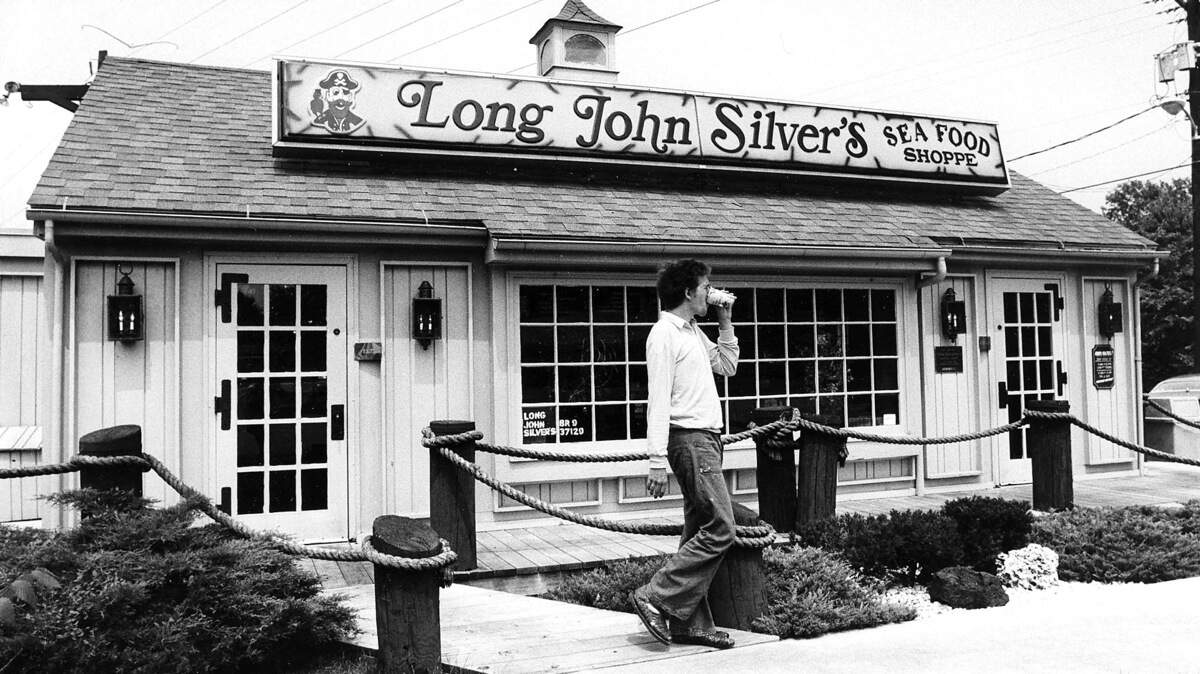
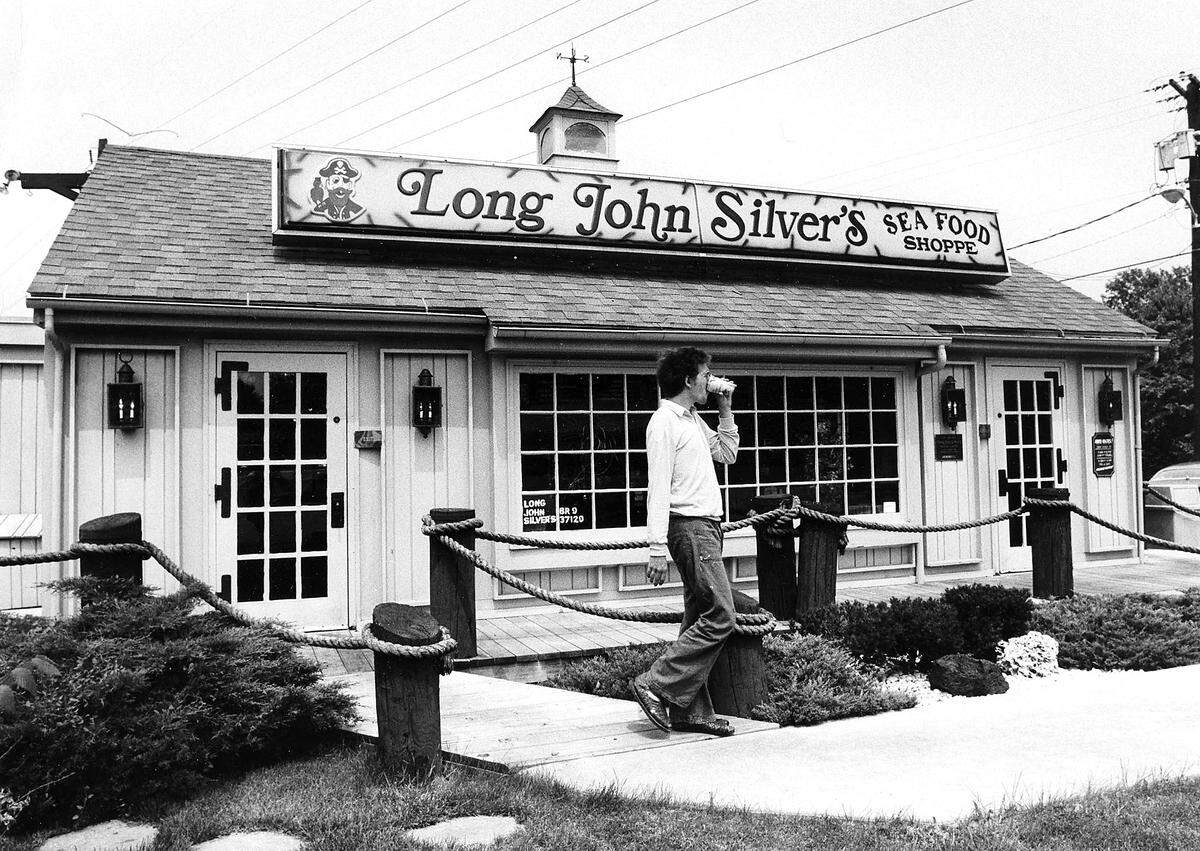
Long John Silver’s was founded in 1969. Originally located at 301 Southland Drive, the first restaurant featured a Cape Codder style building and served carry-out seafood. With their blue roofs and wooden benches and tables, the restaurant featured fish and chips, cole slaw, hush puppies and corn on the cob, among other specialties.
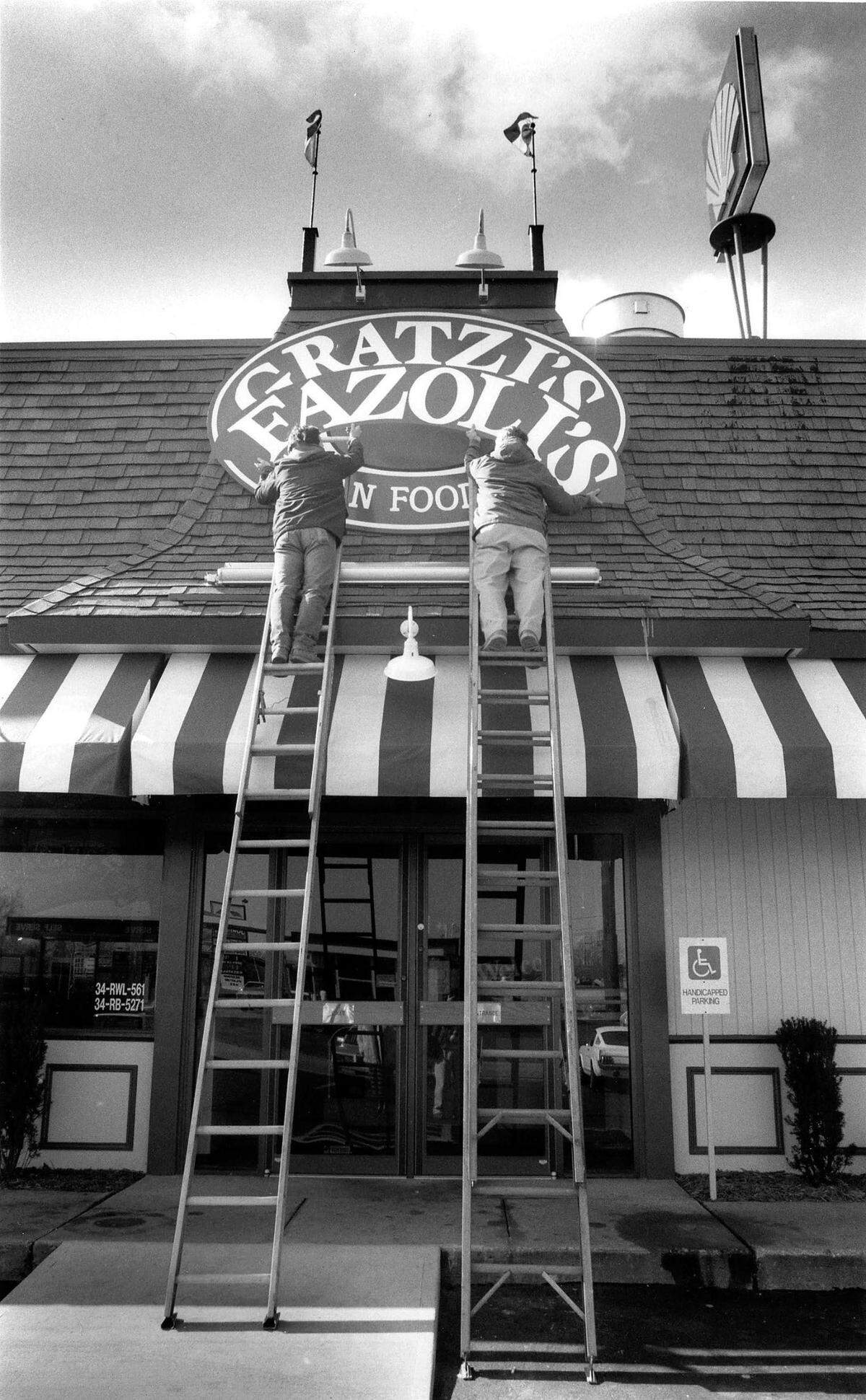
Lexington is also home to Fazoli’s, which was founded in 1988 as a sister brand to Long John Silver’s. The Italian fast casual chain expanded quickly. By 1993, there were 62 Fazoli’s restaurants located in Kentucky, Indiana and Florida. Within four years, there were 300 locations across the country and in 2004, there were 400.
Those restaurants originated from the company that created Jerry’s Restaurants.
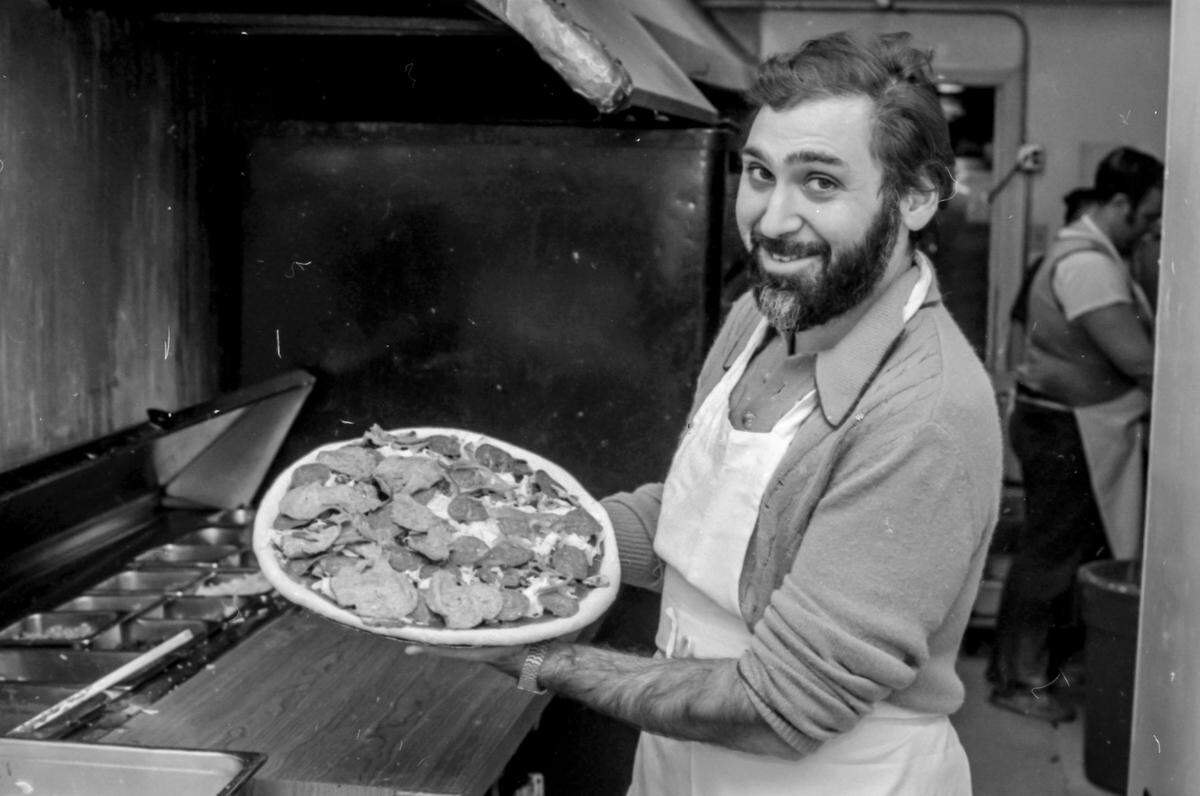
Jerry Lederer founded Jerry’s Restaurant in 1946. Opened initially as a 14-stool roast beef sandwich stand in Lexington, the company grew through franchising in 1957, and by 1960 the company had expanded to a chain of drive-in restaurants.
By the 1970s, the chain reached the height of its popularity with 67 stores, mostly in Lexington and Louisville. Eventually, that company became Jerrico, the company that founded both Long John Silver’s and Fazoli’s with the help of Lederer’s friend, Warren Rosenthal, the CEO of Jerrico since in 1957.
Other restaurants stand out in Lexington’s culinary history — Columbia Steak House, opened in 1948 and considered the longest continuously operating restaurant in Lexington; Merrick Inn, serving Lexington traditional southern cuisine for more than 50 years; Keeneland’s Track Kitchen, dishing up grits and gossip around a breakfast buffet since 1936; Joe Bologna’s Restaurant, in operation in various locations throughout the city since 1979; and Tolly Ho, serving up burgers since 1971.
But Lexington isn’t done serving up winners in the culinary world, Higgins said.
Chefs like Sam Fore of Tuk Tuk Snack Shop, Toa Green at Crank & Boom Ice Cream, and Kuni Toyoda, president and owner of Bella Notte Restaurant Group, which includes Bella Cafe and Grille, Bella Notte, Smashing Tomato, are all stepping up to the plate — literally — while local legends like Ouita Michel, of Holly Hill Inn, continue to make waves like being named a semifinalist for a James Beard Award in the Outstanding Hospitality category.
The list of culinary achievements is long and tasty in Central Kentucky, and seems destined to continue for some time.
Have a question or story idea related to Lexington’s 250-year history? Let us know at 250LexKy@gmail.com.