
From slavery to business owner, Henry Tandy built Lexington’s most iconic buildings
AI-generated summary reviewed by our newsroom.
- Henry Tandy rose was born into slavery and became a leading Black contractor in Kentucky.
- Tandy's firm built landmarks like the Opera House and Fayette County Courthouse.
- Lexington renamed Cheapside Park to honor Tandy’s legacy in 2020.
Editor’s Note: As Lexington celebrates the 250th anniversary of its founding, the Herald-Leader and kentucky.com each day throughout 2025 will share interesting facts about our hometown. Compiled by Liz Carey, all are notable moments in the city’s history — some funny, some sad, others heartbreaking or celebratory, and some just downright strange.
1853 — Henry A. Tandy was born enslaved, and died as one of the wealthiest African Americans in Kentucky.
Tandy was born into slavery in Estill County, Kentucky, and came to Lexington after slavery was abolished in 1865. Twelve years later, he was working for a local photographer, and found success working in building and contracting for Garrett Wilgus. It was this career that would lead to him working on projects like the Lexington Opera House and the Fayette County Courthouse.
Tandy was promoted to foreman, and as Wilgus’ health declined, Tandy and Albert Byrd ran the business. When Wilgus died, the two men formed their own company, Tandy & Byrd. Tandy served as the business manager and the face of the business while Byrd served as the foreman.
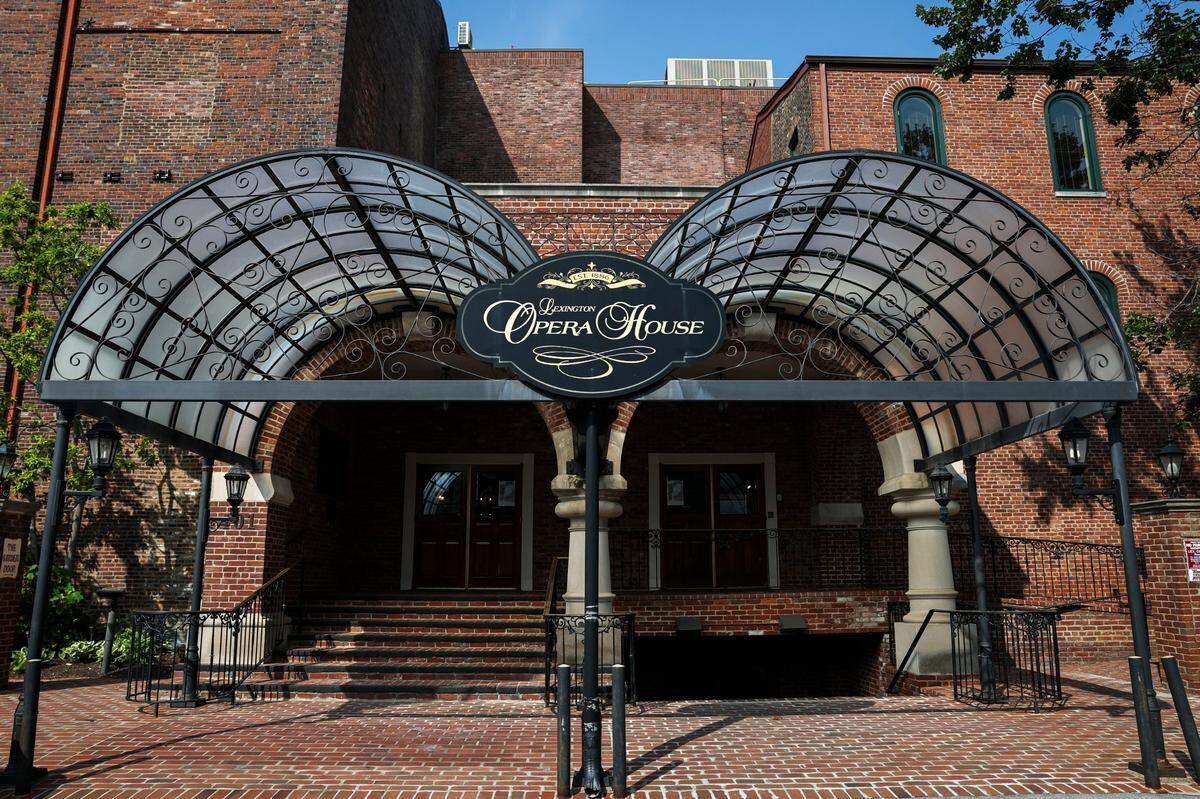
Tandy was known for specializing in decorative stone masonry and brickwork. One of the company’s first projects was the Lexington Opera House.
The company would go on to build the First National Bank building, the Carnegie Center for Literacy and Learning, Miller Hall at the University of Kentucky (then called the Natural Science Building at the State College), and Roark Hall and Sullivan Hall at Eastern Kentucky University.
In 1898, Tandy & Byrd were contracted to do the masonry work for the Fayette County Courthouse. Their firm completed most of the iconic masonry and brickwork on the project. He became one of the wealthiest African Americans in the state by the early twentieth century.
Tandy died in 1918, but his legacy lives on in Lexington.
The area near the courthouse was previously called Cheapside Park, and was the location of one of the largest slave auctions in the American South. The site also featured monuments to Confederate Secretary of War John C. Breckinridge and Confederate General John Hunt Morgan, both prominent Lexington citizens and slave owners.
In 2015, the Morgan statue was spray-painted with the words “Black Lives Matter,” sparking community discussion about having statues of Confederates and slave owners in public areas. In 2018, both statues were moved to the Lexington Cemetery.
A movement started in 2017 called “Take Back Cheapside” to rename Cheapside Park. In August 2020, the Lexington Fayette Urban County Council voted to rename the park the Henry A. Tandy Centennial Park, next to the courthouse he helped build.
Got a question or story idea related to Lexington’s 250-year history? Let us know at 250LexKy@gmail.com.