
Lexington history: How Lyman Johnson fought to desegregate Kentucky’s colleges
Editor’s Note: As Lexington celebrates the 250th anniversary of its founding, the Herald-Leader and kentucky.com each day throughout 2025 will share interesting facts about our hometown. Compiled by Liz Carey, all are notable moments in the city’s history — some funny, some sad, others heartbreaking or celebratory, and some just downright strange.
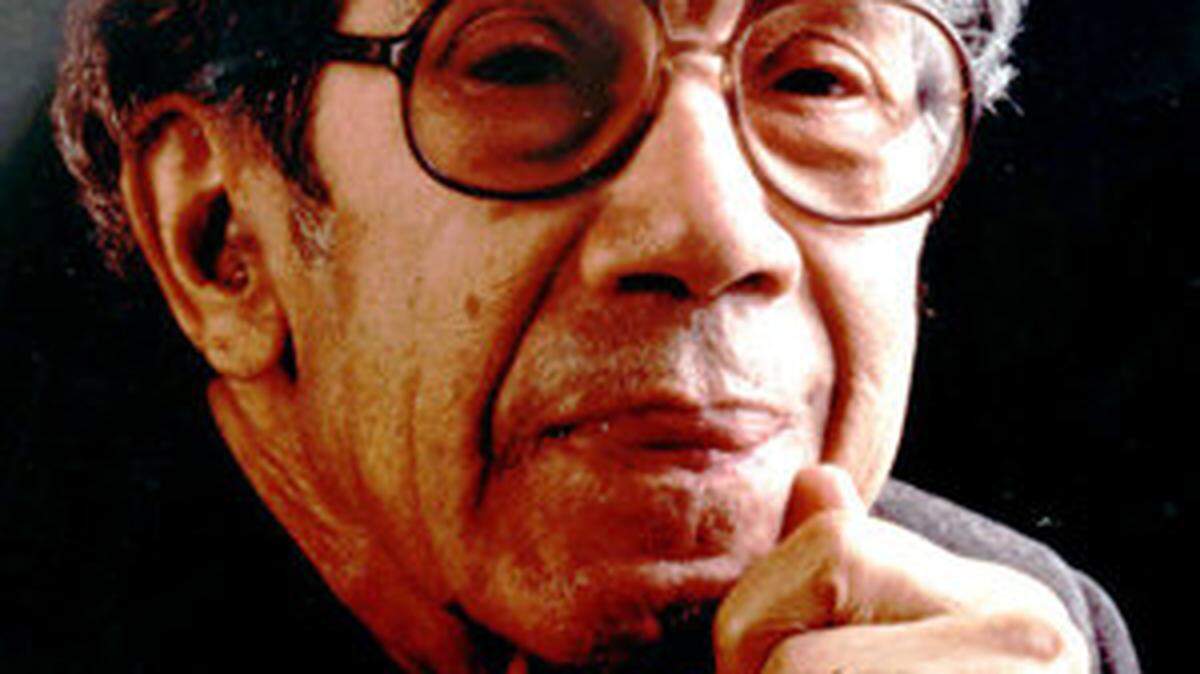
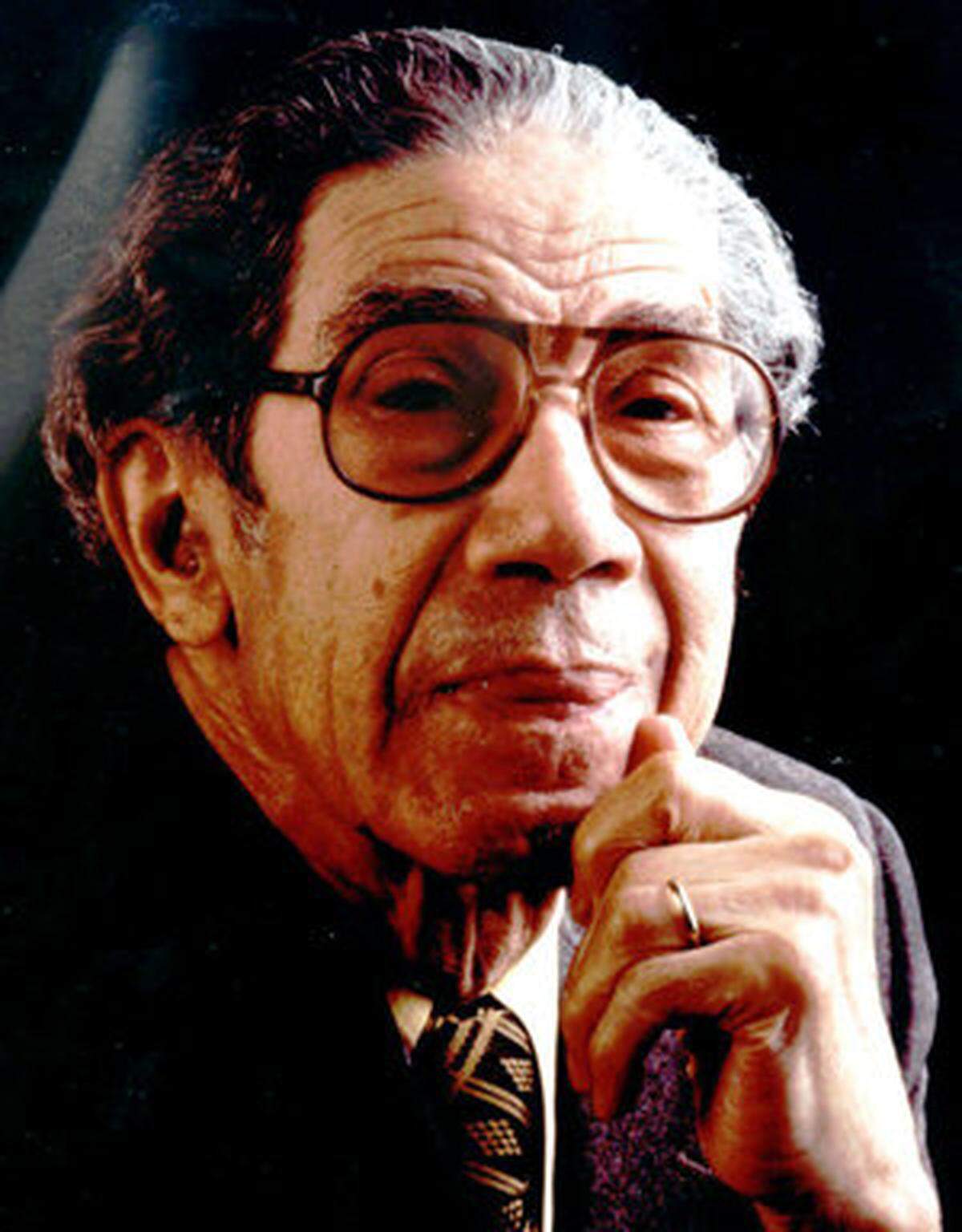
In 1948, Lyman Johnson stood up to the University of Kentucky, ending racial segregation in higher education across the state.
Johnson was a lifelong advocate of education and learning. Born in Columbia, Tennessee, in 1906, he earned his bachelor’s degree from Virginia Union University and his master’s degree from the University of Michigan. He went on to become a teacher, following in the footsteps of his father and uncle, two men he described as “master teachers.”
Johnson taught history and mathematics at an all-Black high school in Louisville. After years of teaching and prodding students to question authority and form their own conclusions, Johnson felt he needed to fight for equal opportunity at the college level.
He’d seen the uneven levels of funding given to Kentucky State University (then Kentucky State College) and other schools, and he wanted to do something about it.
The issue was Kentucky’s Day Law. Passed in 1904 by Rep. Carl Day of Breathitt County, the legislation prohibited black and white students from attending the same school. The Day Law segregated public and private schools from kindergarten to college, and prevented individual schools from operating separate Black and white schools within 25 miles of one another.
The Day Law was passed because of Berea College, which was the only integrated school in the South at the time. The bill passed and was signed into law in 1904 by Gov. J.C.W. Beckham.
Once it became law, Berea’s integration was illegal and the school was fined $1,000 (about $36,000 today). The school appealed, but the court of appeals denied the motion, siding with the Kentucky General Assembly’s opinion that the law was needed to prevent racial violence and interracial marriage.
Berea College went on to build a school for Black students, the Lincoln Institute, with a grant from Andrew Carnegie. The Day Law remained the law, segregating Black and white students across the state.
In the 1940s, a group of educators including Johnson, began working to integrate UK. Failing to find any high school students willing to take the risk, in 1948, the group tapped Johnson for help.
Johnson applied to the University of Kentucky as a graduate student, and his application was rejected. He then sued for admittance.
The following year, Johnson won the court case, and at 43 years old, became a UK graduate student. He and 20 other Black students enrolled at the school. Those first days he attended, crosses were burned on campus, he said in the documentary “Great Leaders: The Odyssey of Lyman Johnson.”
Lyman left UK before earning a degree, but his lawsuit changed state law. The judge’s decision effectively negated the law and ended segregation in higher education in Kentucky. Lyman also appealed to the University of Louisville, advocating for an end to segregation at that university.
“We are fresh from victory at Lexington. You can read the handwriting on the wall and open these doors now, or you can be made to do it, with humiliation,” he reportedly told UofL.
UofL went on to integrate in 1950, and it would be another four years before the U.S. Supreme Court would ultimately overturn the Day Law within its decision in the Brown v. Board of Education case.
Johnson continued teaching at Central High School in Louisville until 1966, then spent five years as an assistant principal for Jefferson County Public Schools. After retiring, he spent three years as a middle school principal at a private Catholic high school, and was a member of the Jefferson County Board of Education from 1978 to 1982.
Johnson died in Louisville in 1997. He was 91 years old.
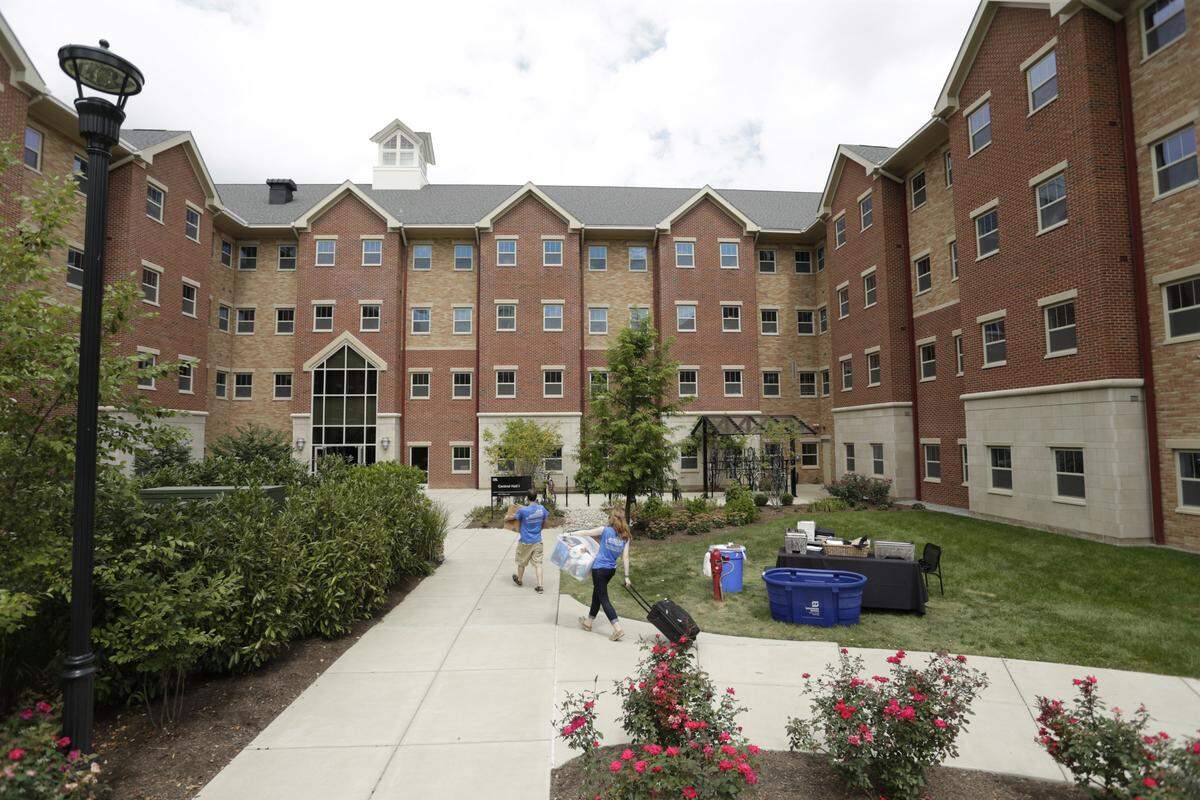
In 2015, UK named one of its residence halls in his honor, Lyman T. Johnson Hall.
Have a question or story idea related to Lexington’s 250-year history? Let us know at 250LexKy@gmail.com.