
Lexington’s abolitionist newspaper was seized by a mob, sent to Cincinnati in 1845
Editor’s Note: As Lexington celebrates the 250th anniversary of its founding, the Herald-Leader and kentucky.com each day throughout 2025 will share interesting facts about our hometown. Compiled by Liz Carey, all are notable moments in the city’s history — some funny, some sad, others heartbreaking or celebratory, and some just downright strange.
Lexington has been home to many stand-out newspapers in its history.
But one newspaper led to duels, a break-in and the relocating of the printing press to Cincinnati: the True American.
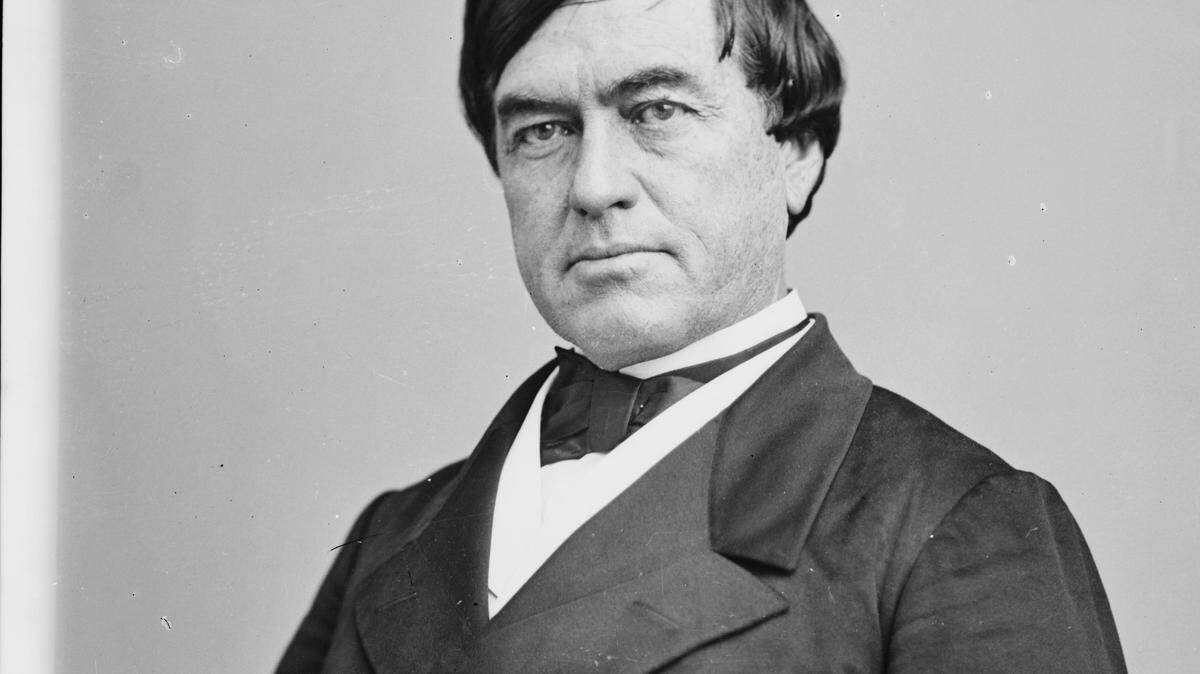
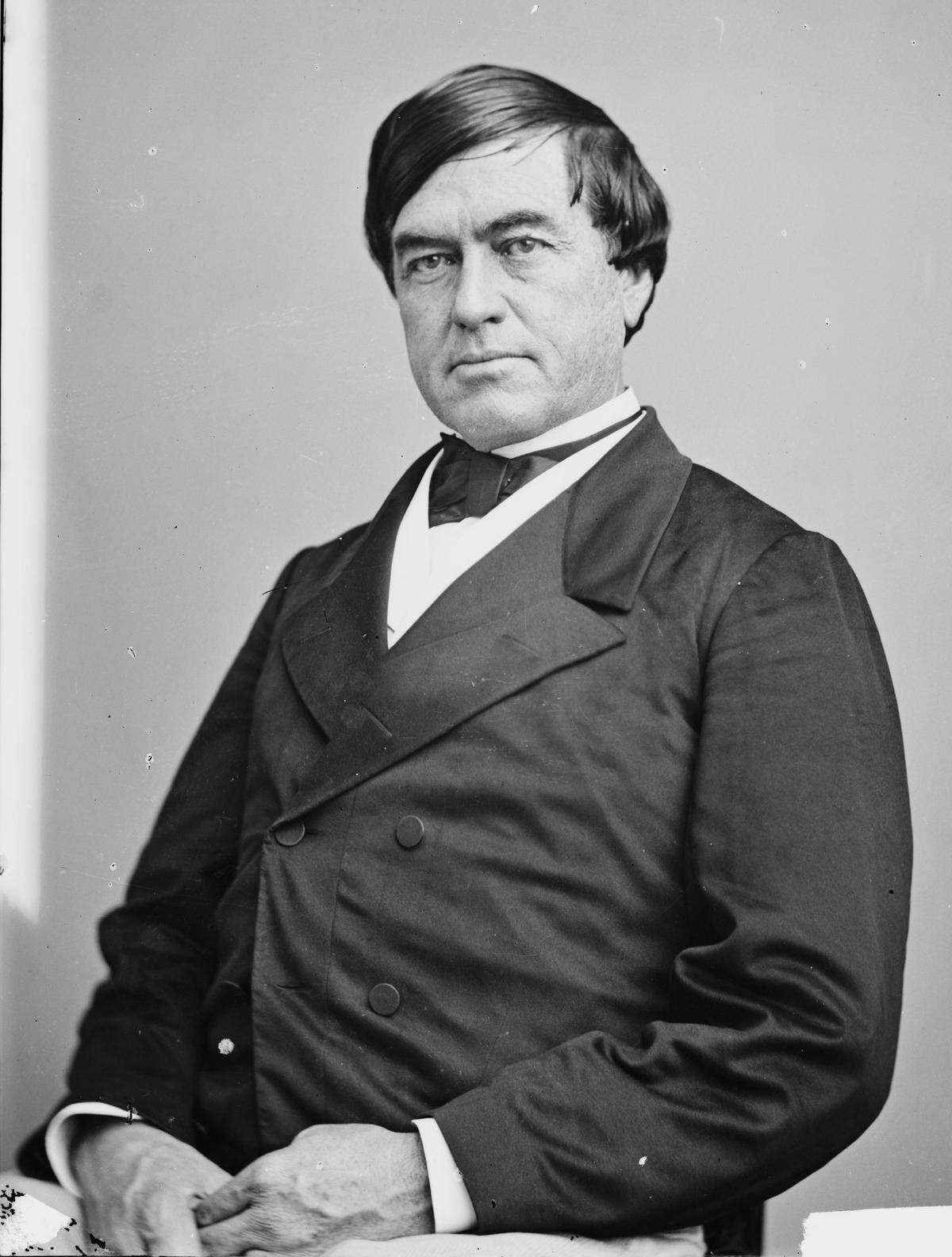
Founded by Cassius Marcellus Clay in 1845, the True American was an abolitionist newspaper in Lexington. Clay said his objective was “to use a state and National Constitutional right — the freedom of the press — to change national and state laws, so as, by a legal majority, to abolish slavery.”
The paper was met with much disdain. Though the Civil War was more than a decade away, slavery was already a point of contention.
Clay, the cousin of Kentucky statesman Henry Clay, came from a planting and political family. His views were seen as an affront to farmers in the state, some of whom depended on slave labor.
His father owned slaves and had been embroiled in a lawsuit over slavery, when Charlotte Dupuy sued Henry Clay for her freedom. Cassius Clay ran for office and was a state Representative from 1835 to 1841, working on emancipation during his term in office, which cost him support at the ballot box.
After leaving the legislature, Clay’s newspaper enraged some in Kentucky. It wasn’t long before he received death threats, and the newspaper publisher started arming himself for protection, regularly barricading the doors of his office.
While it sounds extreme, it wasn’t out of character for Clay. He was known for street fights and duels, often in response to arguments against his abolitionist views. At one point, during a political debate, Clay survived an assassination attempt by pulling out his Bowie knife and cutting off his assailant’s nose, stabbing him in the eye and cutting off his ear before throwing him into a nearby river.
At the True American, Clay installed weapons to protect himself and his staff.
According to Herndon Evan in “The Newspaper Press in Kentucky,” “Number 3, North Mill Street, was the site of the office, where Lexington was treated to its first newspaper plant armed with two brass cannons, iron barred windows, and an arsenal of Mexican lances and pikes. A trapdoor in the roof provided an escape route in case the editor and his helper found they could not hold the fort in an attack.”
In the basement, Clay had a powder keg he could set off from outside the office, to blow up the building in case attackers took over, Evan wrote.
On August 12, 1845, Clay published his editorial “What is to become of the slaves of the United States?”
“If a prophet of God, from Heaven, were to assure us that this Union depended upon the discharge of slavery, would we not make an effort to get rid of it? Our reason, God himself does so assure all who think, yet we stir not, we slumber on,” Clay wrote. “The volcano thunders beneath us, we rise not from our bed of danger; ‘whom Gods intend to destroy they first make mad,’ Our national character, our best consciences, our duty all weigh nothing in the scales of slavery; against the pride and selfishness of the master.”
The piece enraged readers and city leaders, who decided something needed to be done about Clay. Judges in Lexington felt his articles were too incendiary and ordered him to stop printing. Later, a committee was charged with dismantling his press.
But they were a little scared of him, so they waited until he was home sick with a fever before they burst into his office and took his printing presses, typesetting machines and other publishing equipment. Once they had it out of his office, they shipped it all off to Cincinnati.
A center for abolitionists, Cincinnati was the perfect spot for Clay’s work, and he continued to print the paper there and distribute it in Lexington. He continued to advocate for abolition, eventually offering subscription discounts for people who did not own slaves in slave states.
The True American was published in Cincinnati from Sept. 30, 1845 to Oct. 21, 1846. After its closing, assistant editor John Champion Vaughan took up the abolitionist mantel and started another paper, the Examiner, in Louisville in 1847.
In 2011, a year after Clay’s 200th birthday, the Eastern Kentucky University Department of Communication and the EKU campus chapter of the Society of Professional Journalists hosted a recognition of the True American and Clay’s work. Some of his work, books, desks, dueling pistols, letters and copies of The True American are on display at White Hall, the Madison County home he grew up in.
Editor’s note: This story has been updated to correct the relationship between Henry Clay and Cassius Marcellus Clay.
Have a question or story idea related to Lexington’s 250-year history? Let us know at 250LexKy@gmail.com.
This story was originally published August 27, 2025 at 4:30 AM.