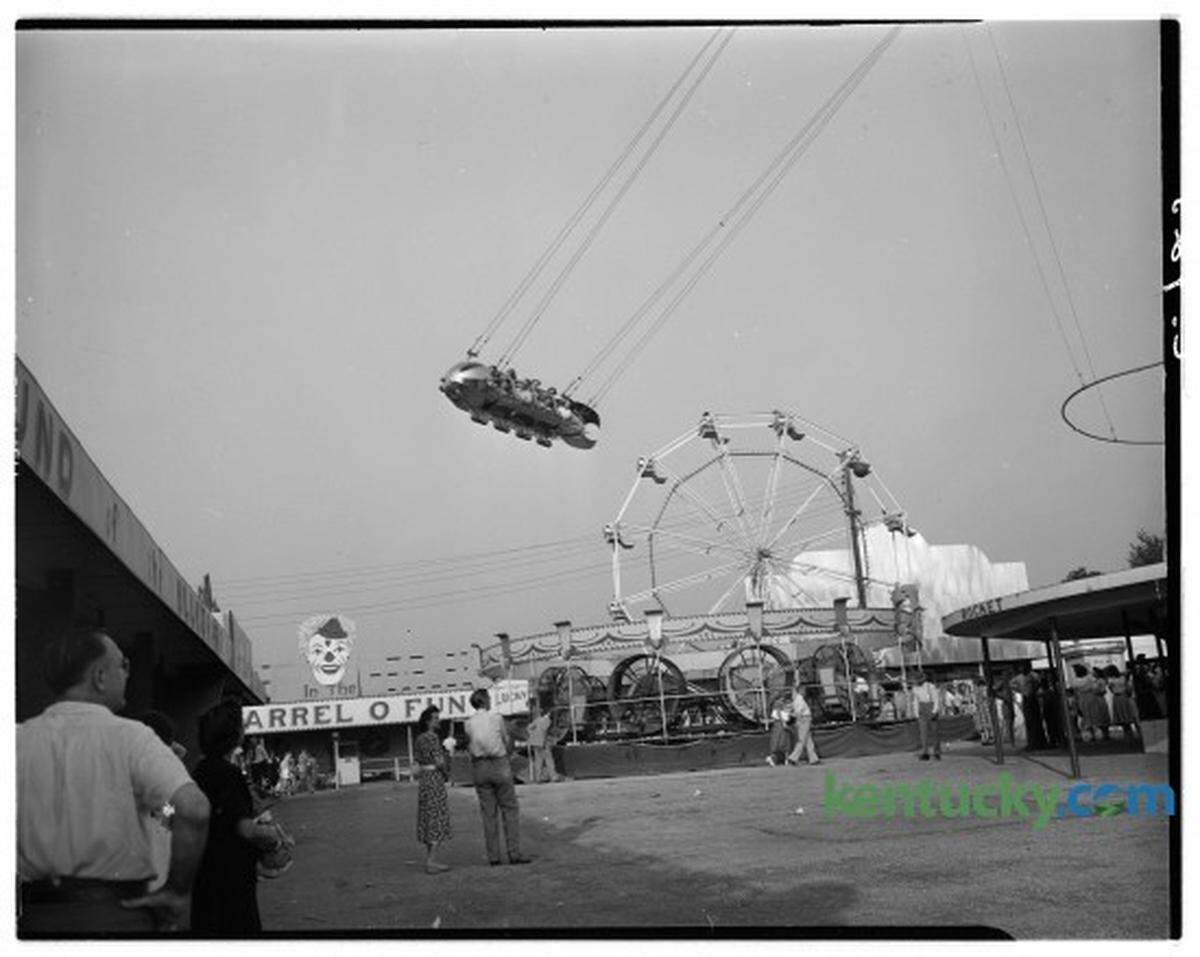
Joyland Amusement Park entertained Lexington residents for 40 years
Editor’s Note: As Lexington celebrates the 250th anniversary of its founding, the Herald-Leader and kentucky.com each day throughout 2025 will share interesting facts about our hometown. Compiled by Liz Carey, all are notable moments in the city’s history — some funny, some sad, others heartbreaking or celebratory, and some just downright strange.
Lexington was once home to an amusement park that rivaled the likes of Coney Island and Camden Park.
Now, all that’s left is an historical marker.
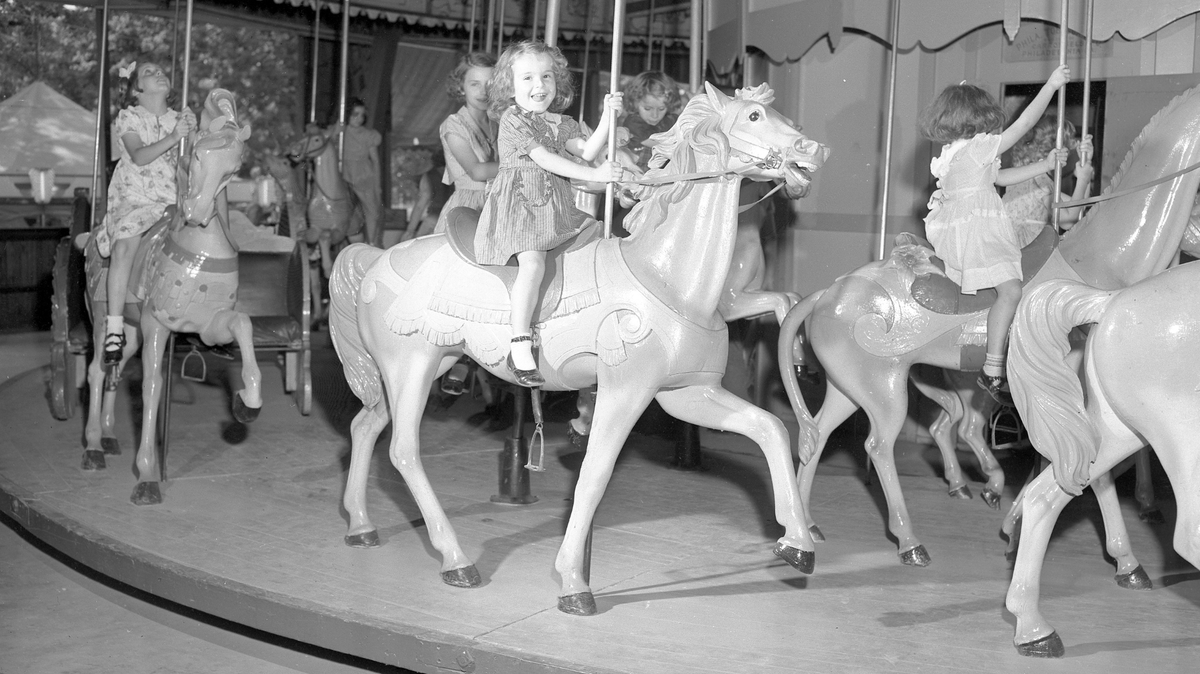
Joyland Amusement Park opened on May 30, 1923, and operated for nearly 40 years. It featured the city’s first swimming pool, a kiddie railroad, the Wildcat roller coaster and arcade games. Located along Paris Pike, it sprawled across some 25 acres of farmland.
Originally, it was owned and operated by Frank Brandt and the Sauer brothers, John W. and F. Kellery. Eventually, the Club Joy Dance and Casino were added in the late 1920, run by A.M. James.
With a parking lot big enough to hold 5,000 cars, it was one of the biggest attractions in Lexington.
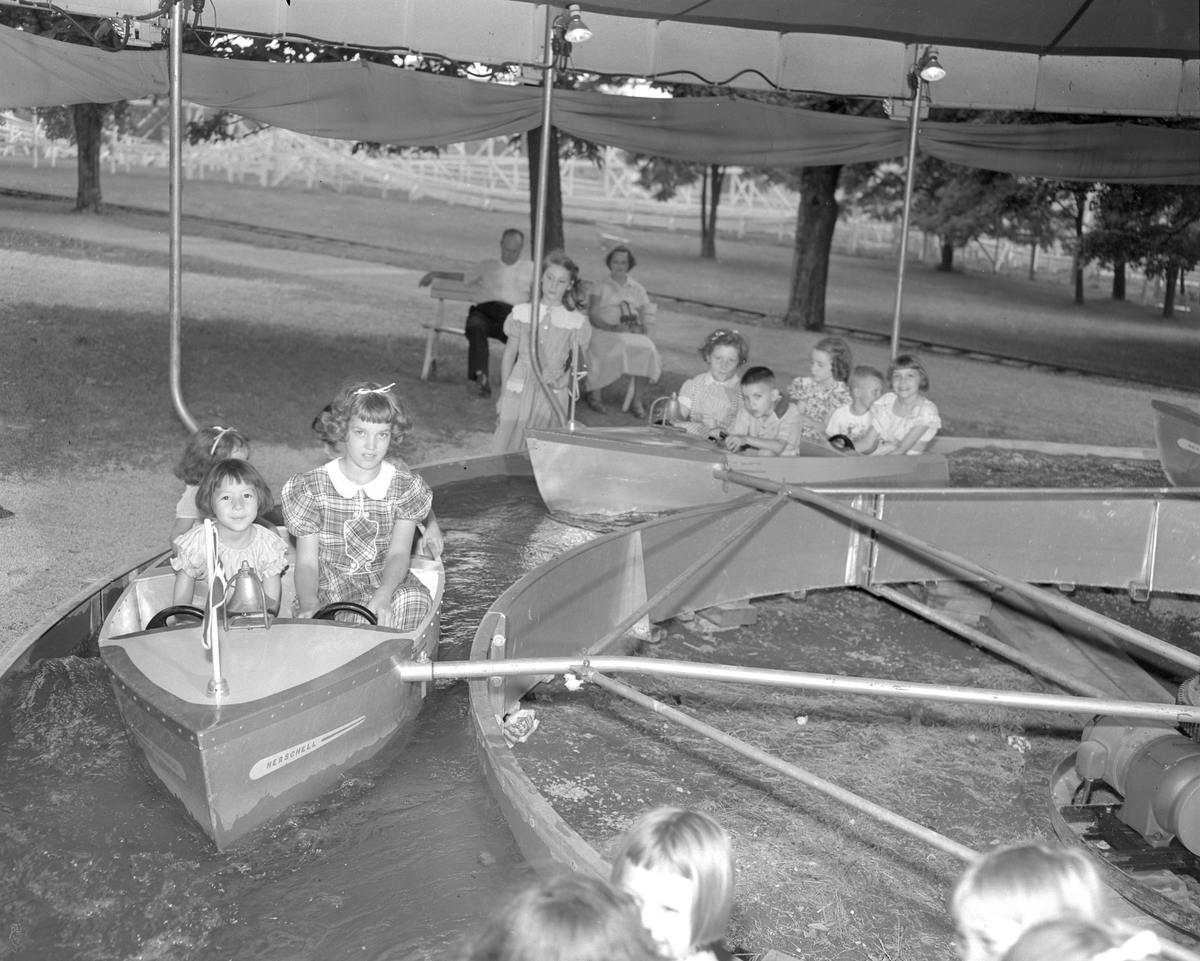
During the week, admission to the park was free, but patrons had to pay for rides, food and games. Several times a year, the owners would allow children living in Lexington’s orphanages to come and visit the park, letting them in for free.
For adults, the Club Joy Dance and Casino was the hot ticket Tuesday through Saturday.
Admission was 50 cents during the week and 75 cents during the weekend — about $10 to $14 today — where acts including the Bluegrass Troubadours, the Blue and White Orchestra, the Kansas City Nighthawks and Duke Ellington. Skitch Henderson and clarinetist and big band leader, Arte Shaw, also performed.
The acts were sometimes broadcast on WLEX starting in 1933.
It wasn’t the only amusement park in Lexington, however.
At the same time, Bluegrass Park, run by Kentucky Traction and Terminal Company, was already in operation by the time Joyland opened. Located off of Versailles Road, the park opened in 1922 and had one rollercoaster.
But attendance there fizzled in the face of bigger and better competition, and Bluegrass Park closed down in 1925.
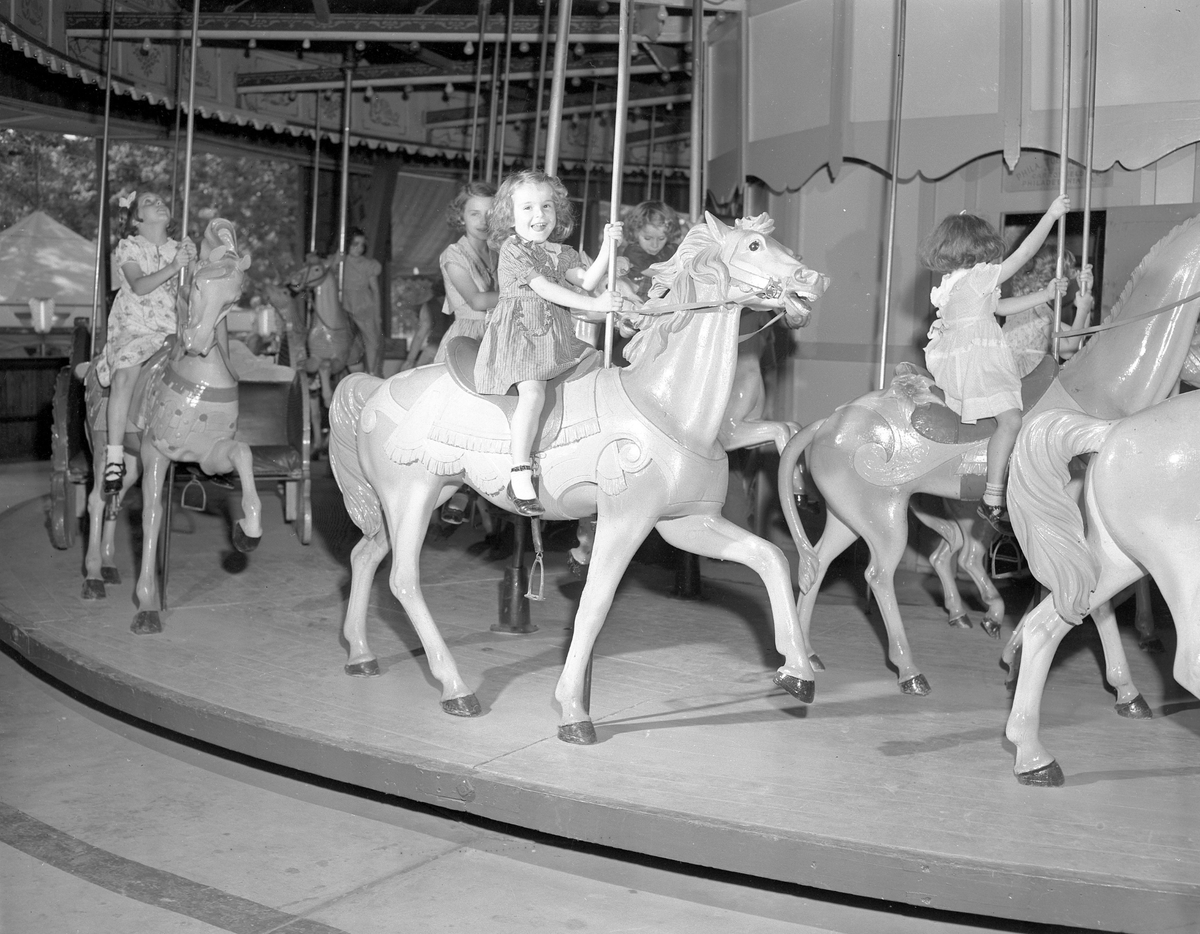
Joyland offered entertainment for the whole family — picnic grounds, softball diamonds, the ongoing carnival. At one point there was even a mini zoo, according to “Tales from the Kentucky Room” at the Lexington Public Library. The zoo had an anteater, a bear, a wolf and several birds.
But the park was not open to everyone. Operating under Jim Crow laws, the park was racially segregated and only open to white residents. Black residents were allowed to attend only on “special” days.
While the facility didn’t have an actual gambling hall, there were rumors that gambling went on behind closed doors prior to the 1950. However, there’s no record of an official casino.
In the 1950s, as attendance began to wane, the park slowly started shutting down.
Amusement parks like Kings Island and Six Flags offered bigger and better attractions, and other entertainment drew people away from the park. Finally, in August 1963, the park shut down all but the pool and the dance club.
In June 1964, developers proposed creating what is now the Joyland neighborhood at the site. Events at the dance hall were still advertised and the pool remained open.
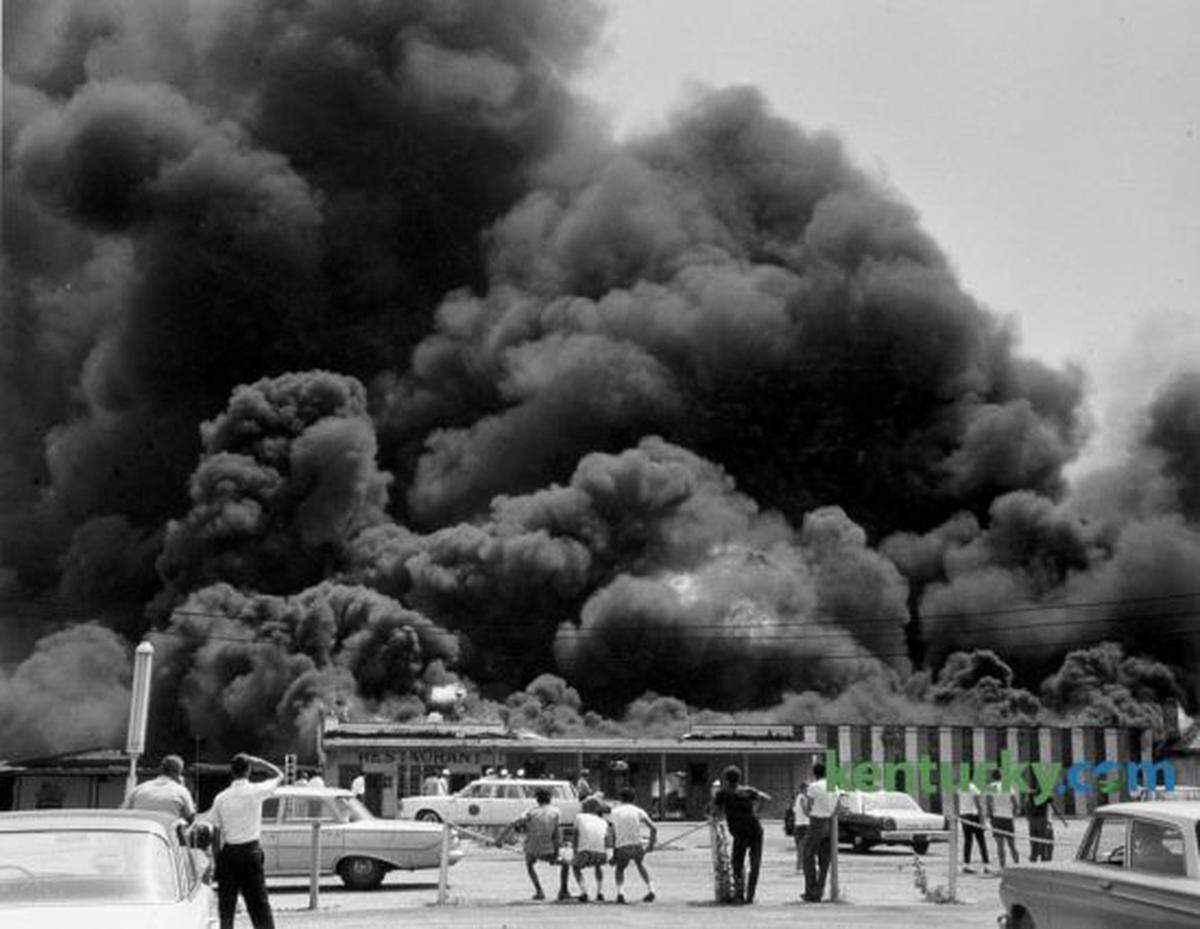
On June 21, 1965, a fire at Club Joy spelled the end of the park once and for all.
The fire spread through the adjoining building, leaving nothing but steel girders and ash. The park was bulldozed for the Joyland Subdivision and developers later built Mary Todd Elementary School on the site. A bowling alley was also built that operated until the 2000s.
A historic marker sits on the site to commemorate what was once the entertainment mecca of Lexington.
Have a question or story idea related to Lexington’s 250-year history? Let us know at 250LexKy@gmail.com.