
Lexington history: UK Arboretum is home to native plants, research and more
Editor’s Note: As Lexington celebrates the 250th anniversary of its founding, the Herald-Leader and kentucky.com each day throughout 2025 will share interesting facts about our hometown. Compiled by Liz Carey, all are notable moments in the city’s history — some funny, some sad, others heartbreaking or celebratory, and some just downright strange.
The University of Kentucky Arboretum is home to plants from across the state, but the garden has unseen benefits, too.
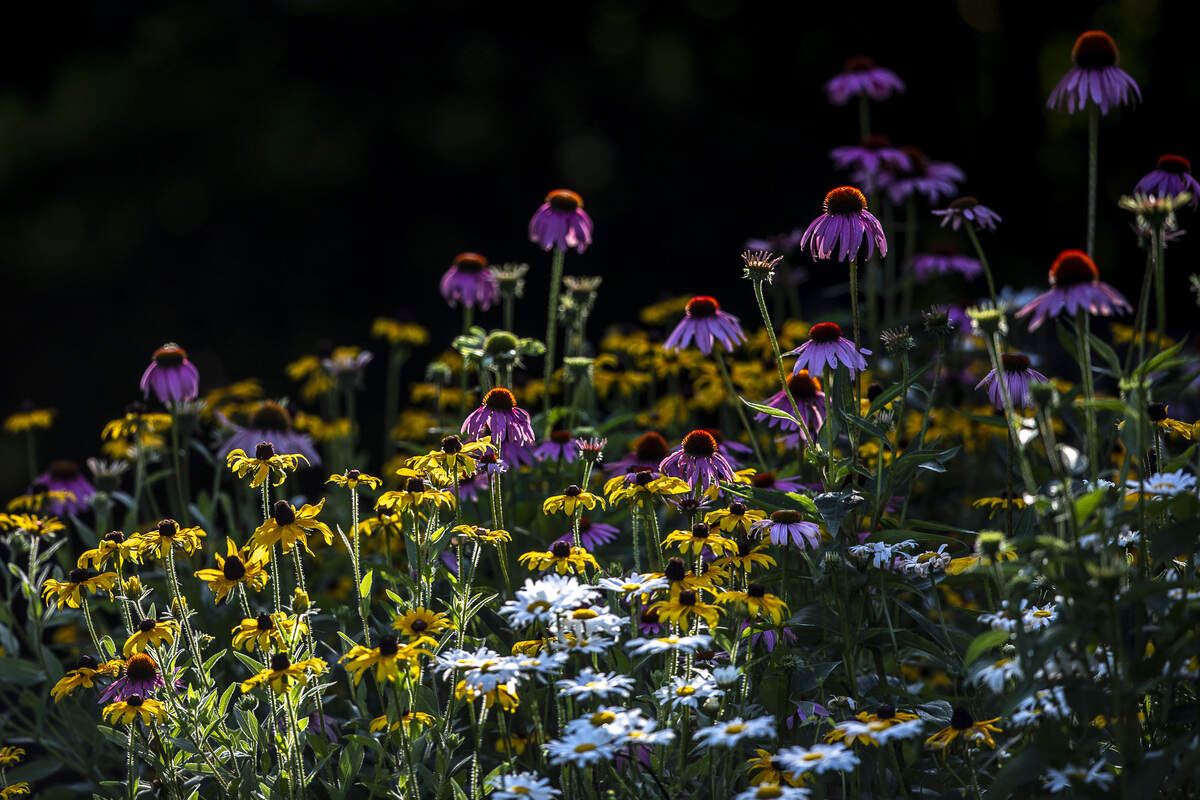
The Arboretum, State Botanical Garden of Kentucky, is home to more than 1,200 native species, including 18 tree species native to Kentucky and 80 other native Kentucky plants. Since its inception in 1990, the garden has brought countless hours of entertainment to residents of and visitors to Lexington.
Since 1940, the woodland area of the Arboretum has been a place for research.
In the 1950s, the forestry department at the University of Kentucky put a fence around the woodlands — located off Alumni Drive near Kroger Field — to keep cattle out and allow undisturbed growth.
In 1990, the UK College of Agriculture donated the land as part of a venture with the city of Lexington. The next year, the Arboretum was created.
At the time, it was overrun with non-native invasive plants, including honeysuckle and wintercreeper. Removing them and replacing them with native plants has been a goal since then.
Now, the land serves as a public garden that showcases Kentucky landscapes and as a resource center for environmental and horticultural education, research and conservation.
Open daily from dawn to dusk, the garden has nearly two miles of paths that showcase the seven geophysical regions of the state, including Bluegrass, Knobs, Appalachian Plateaus, the Cumberland Mountains, the Pennyroyal area, the Shawnee Hills and the Mississippi Embayment.
The park also features the Kentucky Children’s Garden.
First planned in 1994, the Children’s Garden came to fruition in 2007. It was originally designed to be a “living library,” where children “could play in the water, get in the water and climb on things.” The different areas of the garden make it a natural place for different learning environments that gives schools and students hands-on learning experiences.
More than providing a walkable garden, the Arboretum has provided Lexingtonians with health and environmental benefits. Since its inception, the city has seen less harmful runoff and less carbon dioxide emissions, a UK College of Agriculture, Food and Environment study found in 2014.
Have a question or story idea related to Lexington’s 250-year history? Let us know at 250LexKy@gmail.com.