
The Red Mile, one of the oldest racetracks in the country, celebrates 150 years
Editor’s Note: As Lexington celebrates the 250th anniversary of its founding, the Herald-Leader and kentucky.com each day throughout 2025 will share interesting facts about our hometown. Compiled by Liz Carey, all are notable moments in the city’s history — some funny, some sad, others heartbreaking or celebratory, and some just downright strange.
On Sept. 28, 1875, the second-oldest racetrack in the country, the Red Mile, was founded in Lexington.
Sponsored by the Kentucky Trotting Horse Breeders Association, the track is now home to harness racing, where horses pull two-wheeled carts called sulkies, and hosts the annual Kentucky Futurity, one of the legs of the Triple Crown of Harness Racing for Trotters.
But in the beginning, the track saw low attendance because it wasn’t advertised well. When newspapers began to publish articles about the track, attendance picked up.
At the time, thoroughbred racing dominated in Kentucky, but a contingent of harness racing enthusiasts in the KTHBA organized to promote the sport. The first races at the Red Mile were called the “Great Fall Trots.”
As the races grew in popularity, the Red Mile and KTHBA were essential in the development of the Standardbred horse used in harness racing. It’s the second-oldest harness racing track in the world and the oldest horse racing track in Lexington.
The track was also takes part in the Grand Circuit, the premiere harness racing attraction in the U.S. The “Circuit” is a series of races for two- and three-year-old horses held at nearly 20 tracks across the country.
The Circuit comes to the Red Mile during its final two weeks of the meet. Other prominent races during that two-week period include the Tattersalls Pace, the Kentucky Filly Futurity and the International Stallion Stakes.
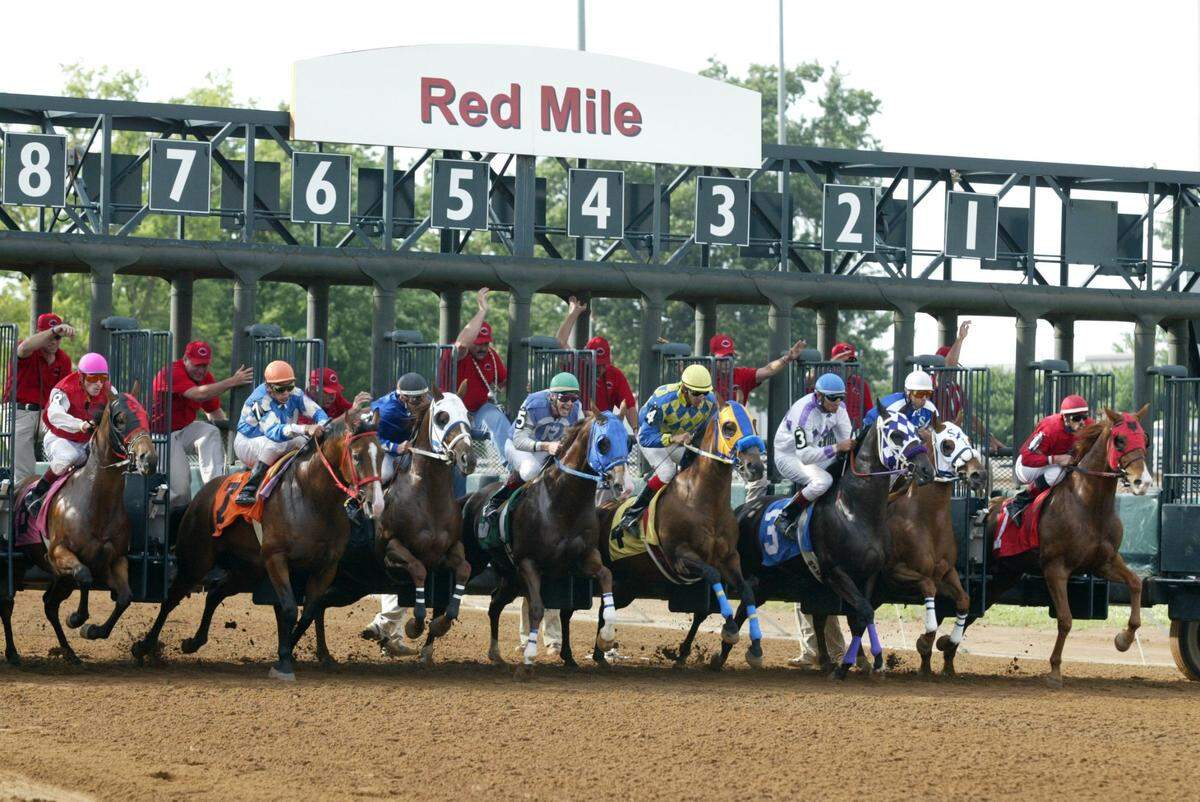
The track itself is one mile long and made of red clay, hence its name. The Red Mile also features a clubhouse and a park, which is often used for horse sales.
The track’s iconic octagonal brick barn was originally built as an exhibition hall for floral display. In the early part of the 20th Century, officials with the track note, the “Round Barn” was used for stabling horses.
Today, it is used for wedding receptions and other special events. Filled with artifacts from the track’s history, the octagonal building is listed on the National Register of Historic Places.
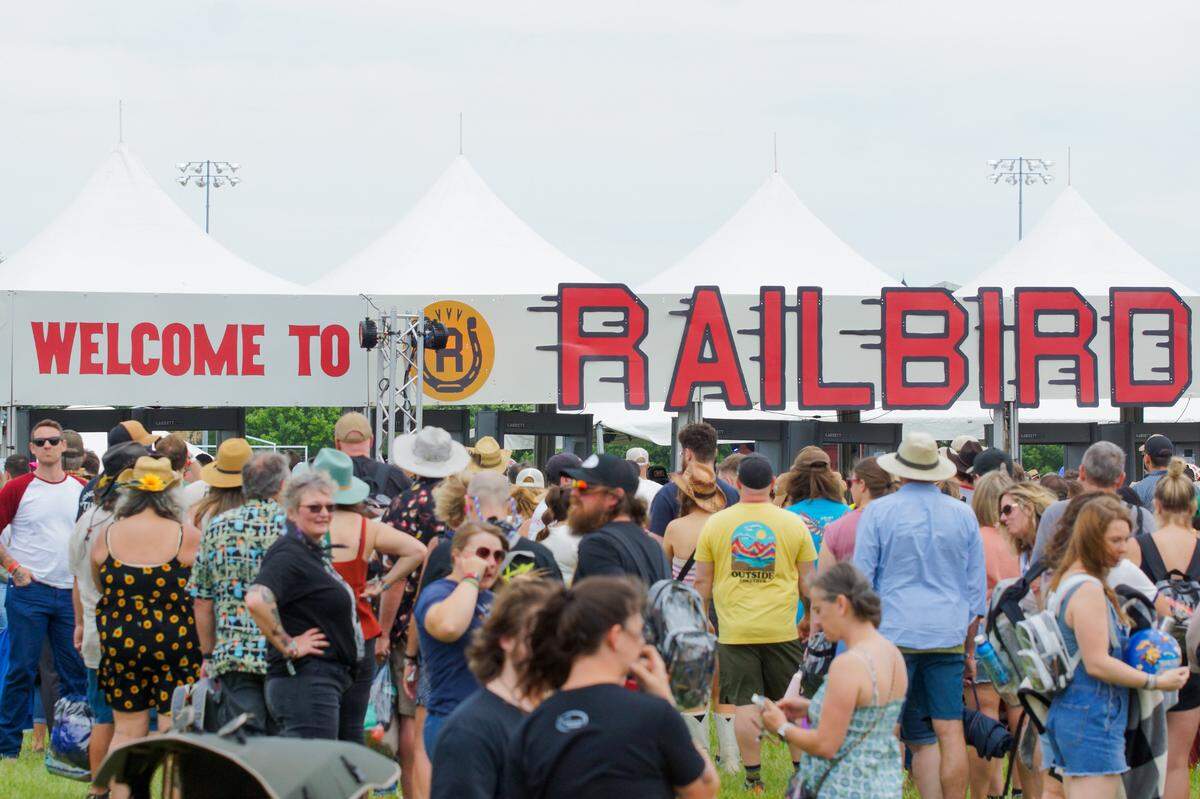
Since 2017, the track has hosted American Flat Track motorcycle racing during its off-season, and in 2023, the track’s infield became home to the Railbird Music Festival. That year, an estimated 40,000 people attended the festival each day.
Have a question or story idea related to Lexington’s 250-year history? Let us know at 250LexKy@gmail.com.