
Lexington history: In 1960, John F. Kennedy campaigned at UK
Editor’s Note: As Lexington celebrates the 250th anniversary of its founding, the Herald-Leader and kentucky.com each day throughout 2025 will share interesting facts about our hometown. Compiled by Liz Carey, all are notable moments in the city’s history — some funny, some sad, others heartbreaking or celebratory, and some just downright strange.
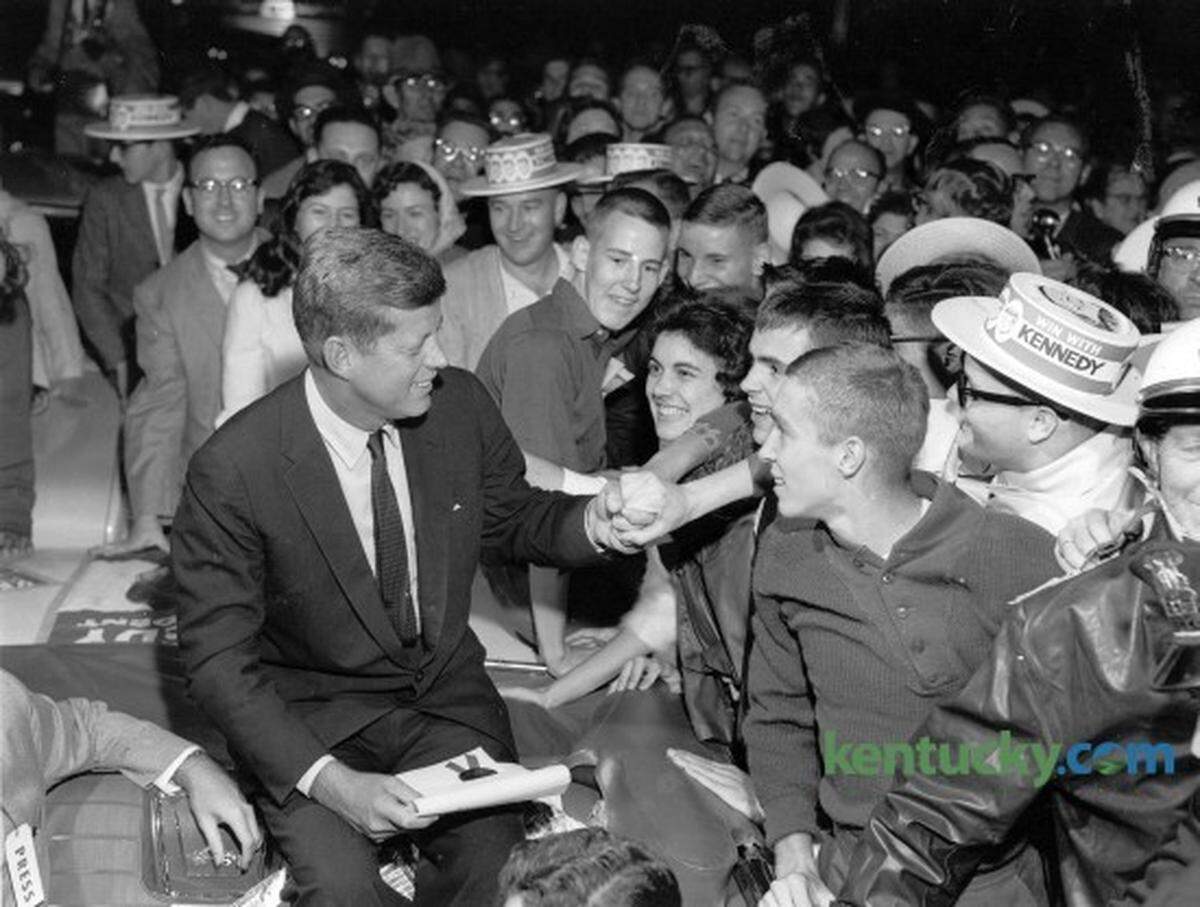
Lexington is no stranger to campaign stops and visits from dignitaries, but in 1960, the Bluegrass was visited by Camelot.
John F. Kennedy flew into Blue Grass Airport around 12:45 p.m. on Oct. 8, 1960, as part of his campaign for president. His second televised debate with Richard Nixon had aired the night before and Kennedy was in the area to court voters.
About 4,000 people greeted him at the airport. After a few brief remarks, and the obligatory comment about beautiful women and fast horses, Kennedy made his way to the Phoenix Hotel downtown.
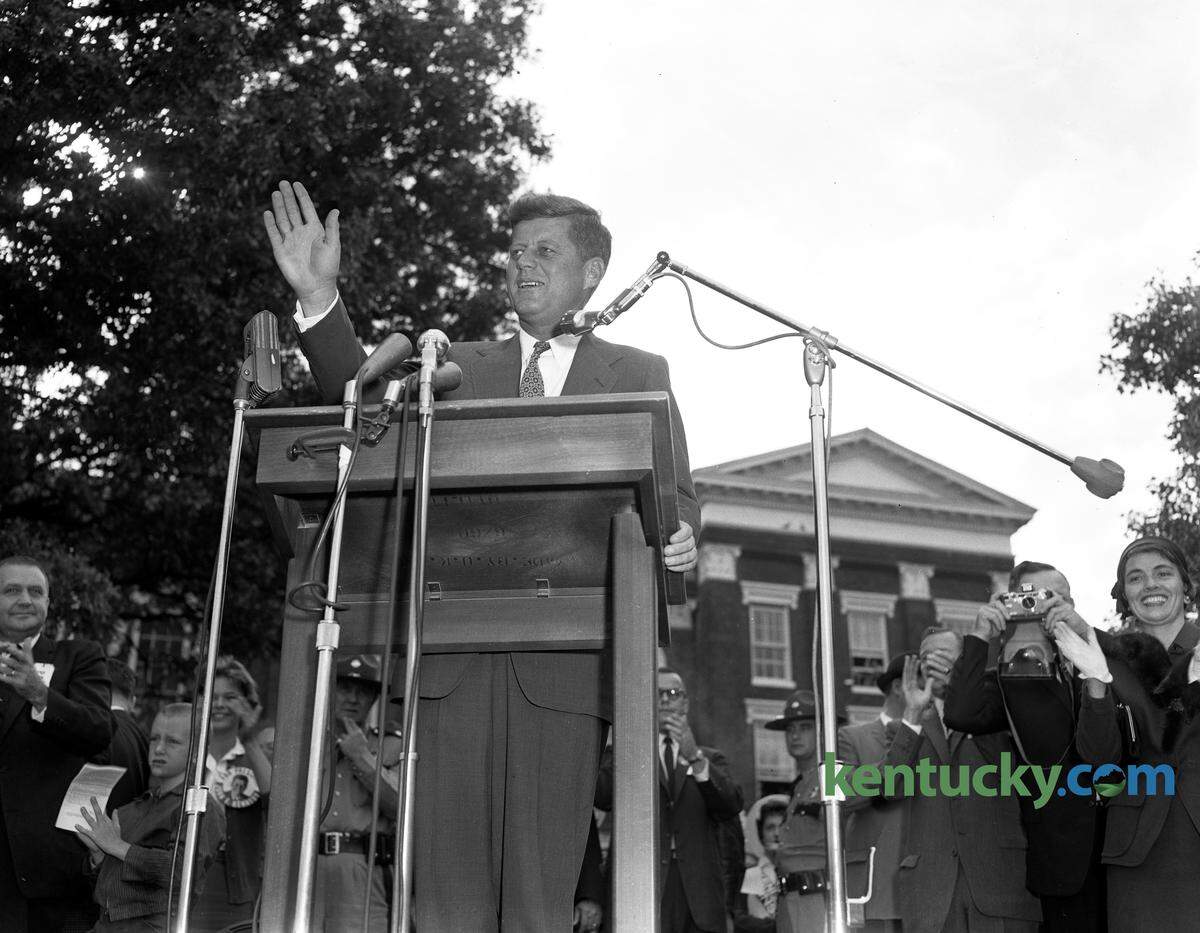
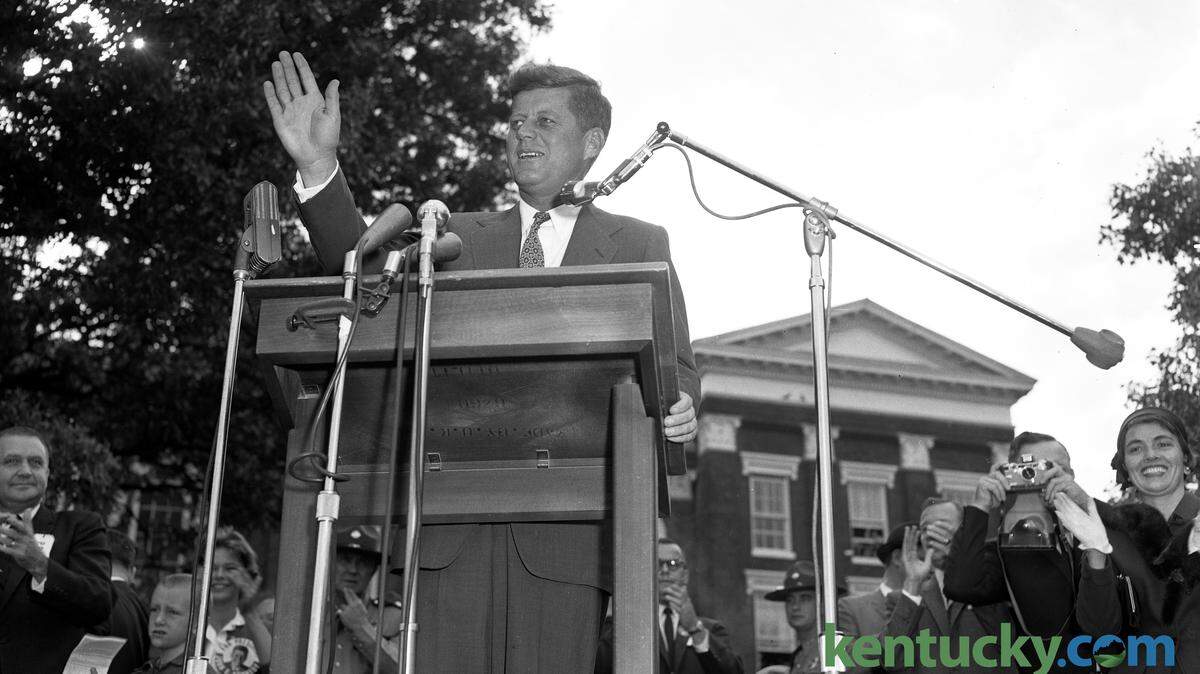
The next day, an estimated 20,000 people came downtown for a campaign parade. Kennedy’s procession ended at the University of Kentucky, where he gave a 15-minute campaign speech.
During the speech, he praised Lexington’s own Henry Clay for his dedication to the country and his ability to compromise.
Kennedy also spoke to the growth and strength of the United States, and how he would lead it in turbulent times.
“No Democratic President in 1960 in this dangerous time in the life of our country, when all around us is stretching out the possibilities of upheaval and revolt, and subterranean changes — no Democratic president would ever run on the slogan ‘You never had it so good,’” he said.
Kennedy went on to win the presidential election one month later by an electoral college total of 303 to 219, but a margin of only 0.17 % (112,827 votes) in the popular vote.
Just three years after his visit to Lexington, Kennedy was assassinated in Dallas, Texas. He was 46 years old.
Have a question or story idea related to Lexington’s 250-year history? Let us know at 250LexKy@gmail.com.