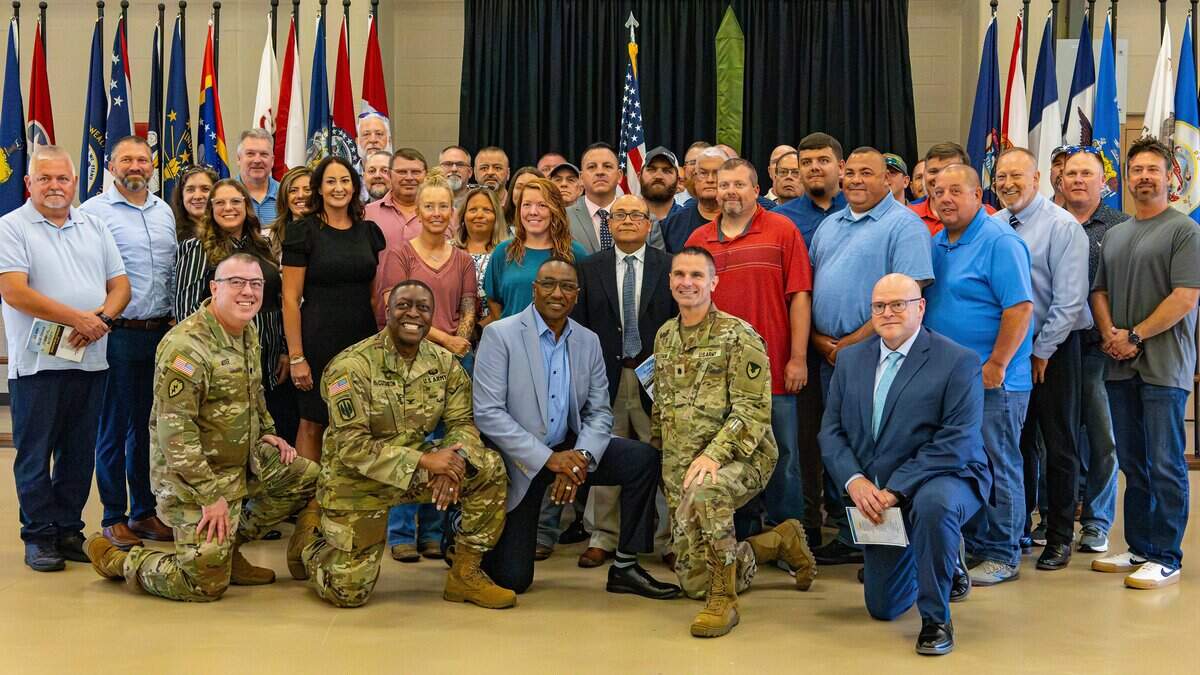
After destroying 523 tons of chemical weapons in KY, this Army group closes final chapter
AI-generated summary reviewed by our newsroom.
- Blue Grass Chemical Activity was deactivated on June 24, 2024 after completing its.
- The Blue Grass pilot plant began destroying the depot’s stockpile on June 7, 2019.
- The pilot plant’s closure includes layoffs and should finish in fiscal year 2028.
The Army group in charge of managing a part of the nation’s chemical weapon stockpile in Madison County is saying goodbye.
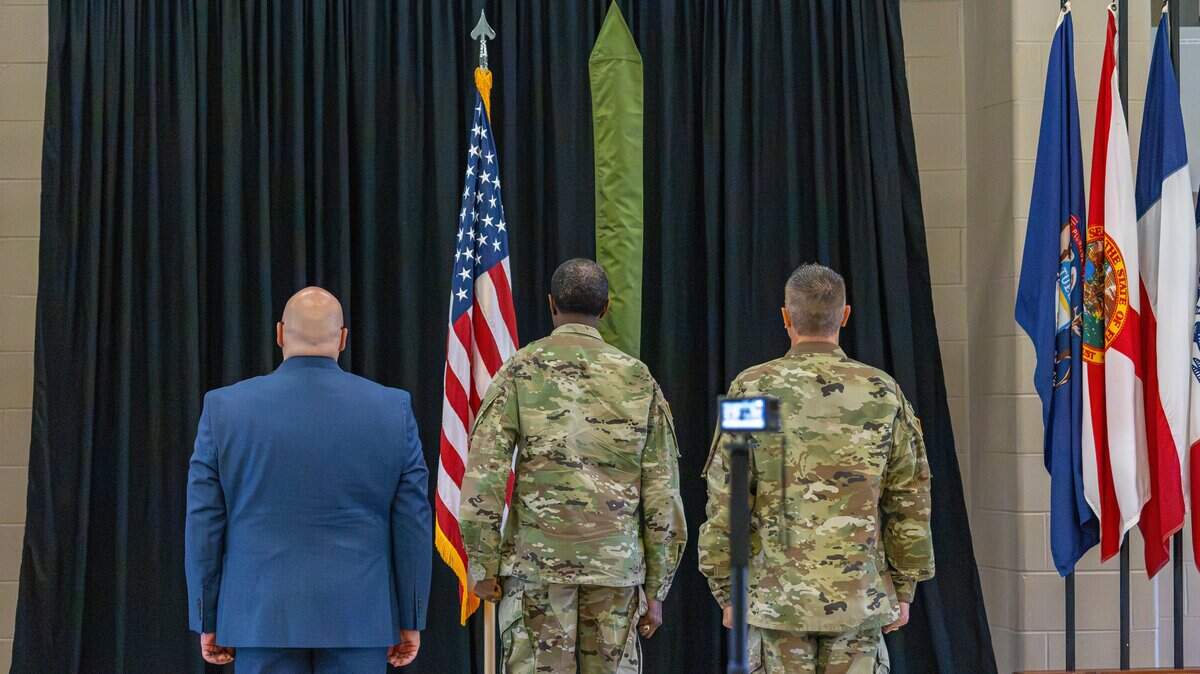
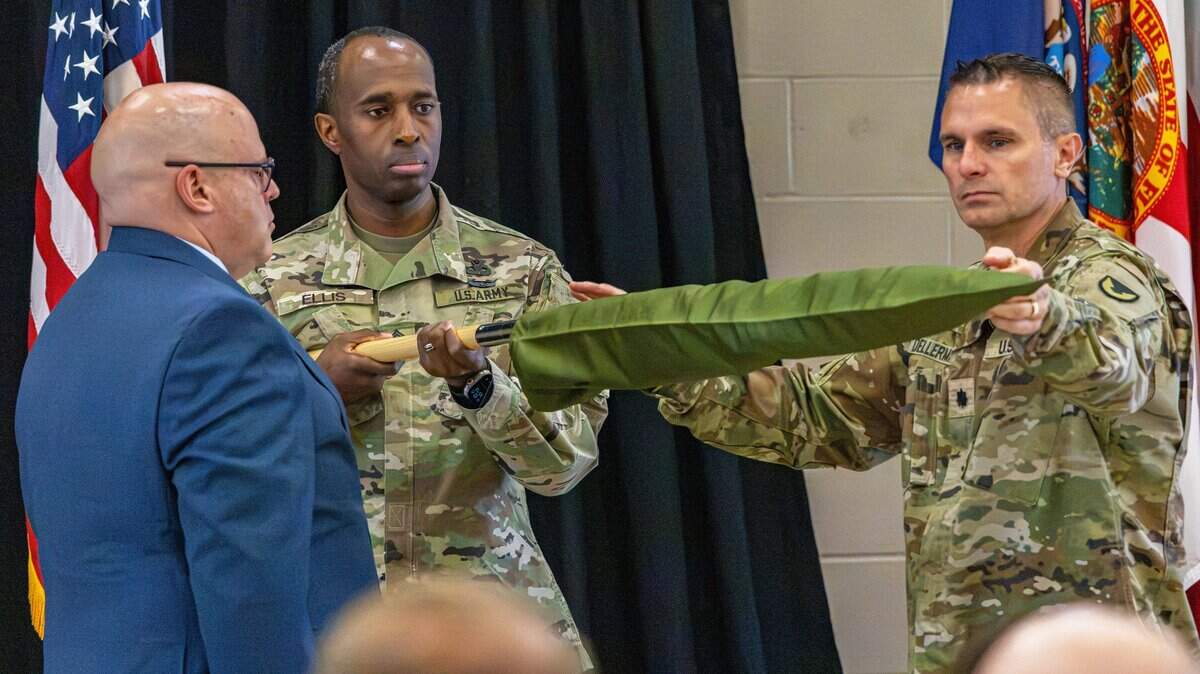
On Wednesday, June 24, the Blue Grass Chemical Activity was deactivated after successfully completing its mission of monitoring a part of the United States’ chemical weapon stockpile at the Blue Grass Army Depot. A flag representing the activity was cased in a special ceremony, and the leader of the activity was relinquished of command.
“The men and women of BGCA were entrusted with the solemn duty of safeguarding the legacy of world wars and the standoff of the Cold War, a stockpile of chemical weapons that represented a profound threat,” said Kelso Horne III, director of the U.S. Army Chemical Materials Activity that oversaw the Blue Grass Chemical Activity. “The margin for error was zero, the stakes were global, and this command delivered flawlessly.”
Lt. Col. David Dellerman became commander of the activity on June 25, 2024. He thanked the former commanders in charge of the activity, his family, and the workforce of the activity for ensuring that the mission was completed successfully.
“It’s teamwork, and it’s continuity of teamwork that’s allowed us to be successful,” Dellerman said.
The activity was created in 1995 to secure and monitor the stockpile at the depot. At one point, the depot housed 523 tons of agents in more than 100,000 rockets and projectiles, which represented approximately 2% of the country’s stockpile.
In 1997, the United States ratified the Chemical Weapons Convention, which banned chemical weapons across the world. The Blue Grass Chemical Agent-Destruction Pilot Plant was built in 2014 for the specific purpose of destroying the depot’s chemical weapon stockpile.
The pilot plant began destroying the depot’s stockpile on June 7, 2019. The chemical agent was stored in five different types of rockets that had been stored at the depot as early as the 1940s into the mid 1960s.
The last weapon in the nation’s chemical weapons stockpile, an M55 rocket containing GB nerve agent, was destroyed at the Richmond facility in July 2023. Several high-profile state and federal officials celebrated the final destruction at a special ceremony months later.
The last containerized rocket warhead was destroyed in September 2025.
“You understood that this mission was not just about destroying munitions, it was about honoring a promise to our nation and the world,” Horne said to Dellerman after describing his leadership as a masterclass. “You have not just completed a mission, you have secured a legacy.”
Nathan Witt, the chemical operations manager of the activity, also thanked the several partners and surrounding agencies that ensured the safety and wellbeing of the community during the destruction phase of the project.
“This was not just a military operation, it was a community mission,” Witt said. “Together, BGCA and the region it served protected tens of thousands of families, including our own families, for more than 30 years.”
After destroying the final chemical weapon, the pilot plant shifted into a “closure phase” that included mass layoffs. At its peak, 1,500 people worked at the plant, but less than 800 people work at the plant as of October.
The closure phase at the pilot plant is expected to be completed in fiscal year 2028. The Resource Conservation and Recovery Act is managing the closure, which is overseen by the Kentucky Department for Environmental Protection.