Lexington gave $2.3 million to small businesses hurt by COVID. Here’s who got the money.
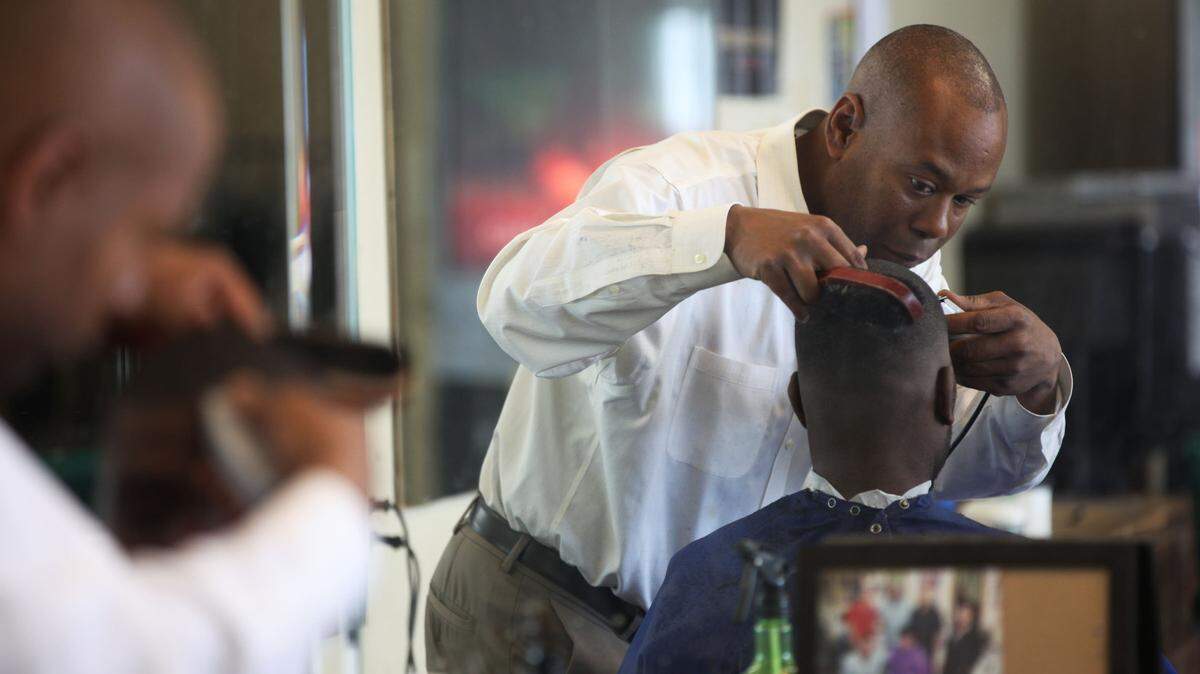
The Lexington Academy of Barbering took a financial hit when it was forced to shut down for several weeks in March and April during the early months of the coronavirus pandemic.
“We would have been faced with not being able to pay our rent, our electric, or our gas bills,” said Anthony Hayden, owner of the academy on Winchester Road. “We would have been forced to pretty much shut down.”
The academy received a more than $18,000 grant from more than $2.3 million the Lexington-Fayette Urban County Council set aside from federal coronavirus stimulus money to help small businesses struggling due to coronavirus-related shutdowns.
“But because of the grant, we were able to function, even though our business was closed,” Hayden said in a report released Tuesday about the small business stimulus program.
The Lexington Academy of Barbering was one of 168 small businesses and nonprofits to receive grants through the program. The program allocated more than $2.3 million of the money to those small businesses.
The city grant program started with a goal of giving 50 percent of the money to women and minority-owned businesses, many of which did not receive funding through the federal Paycheck Protection Program, commonly called the PPP program.
Moreover, unemployment claims for Fayette County from March to late October show nearly 60,000 people filed for unemployment. Of those claims, slightly more than half were women, and roughly 25 percent were minorities, according to state data.
The report released Tuesday showed:
- 65 percent of all companies that received funding were either women-owned or minority-owned businesses
- 61 percent of all funding went to either women-owned or minority-owned businesses
However, the report noted that white people owned the vast majority of small businesses that received money. That means many of the women-owned businesses were owned by white women.
The report showed:
- 57 percent of the grant recipients were white-owned businesses.
- 30 percent were non-white owned businesses.
- 13 percent were nonprofits (the ethnicity or race of nonprofits is not included because boards run nonprofits).
- 58 percent of all money allocated went to white-owned businesses.
- 28 percent of all funding went to non-white owned businesses.
- 12 percent of all funding went to nonprofits.
A breakdown of ethnicity and race of those business owners included in the report showed Black-owned businesses received roughly 12 percent of the total amount of money granted, the most of any ethnic or racial group. A distant second was Asian Indian-owned companies, with roughly 7 percent of the total dollars granted.
The program, approved in July by the council, was administered through Commerce Lexington’s Access Loan Program, which received $125,000 to screen and vet the 250 applications.
The vast majority of the grants —76 percent — went to businesses with fewer than 10 employees. The maximum grant amount was $25,000, which was given to 33 companies.
Most awards were between $20,000 to $25,000. The smallest award was $431, data released Tuesday showed.
The grant had to be spent to pay for documented COVID-related expenses. To qualify, businesses or nonprofits had to be located in Fayette County and had to be in good standing with the city and state.
Arley Laraflores, the owner of Lara’s Beauty Salon, used the $9,000 grant to buy personal protection equipment to reopen the salon. She also used it to pay rent and other bills accumulated when the salon was shuttered for more than two months and no revenue was coming in.
“I was not prepared to be shut down for two and a half months. The grant basically helped me with expenses and also the PPE equipment we had to buy on the way to reopen the salon,” Laraflores said in the report. ”So it really helped me a lot with expenses like bills and rent during that time.”
Most of the 168 businesses and nonprofits — 121 —had also received funding through the federal PPP program.
In total, the 168 grant recipients employ 1,310 people.
It’s not clear if all 1,310 employees are still working at those companies and nonprofits. Late last month, Gov. Andy Beshear ordered restaurants and bars to halt indoor dining until mid-December after the number of coronavirus cases skyrocketed. Some of the 168 grant recipients were restaurants, many have had to lay off some employees due to the indoor dining ban.
During a Tuesday Budget, Finance and Economic Development council committee, several council members said the council needed to find additional funds to help small businesses over the next six months.
Councilman Preston Worley, one of the council members who spearheaded the small business stimulus program, said Beshear has set aside $40 million for restaurants and bars. But that money will likely not go far.
“It looks like the maximum amount is $10,000,” Worley said. That’s for all restaurants and businesses across the state. “That may not do much for many businesses.”
Councilman Chuck Ellinger Jr. agreed and urged the council to revisit the small business program early next year if funds are available.
“I hate to keep loosing more businesses,” Ellinger said. “I don’t think we should wait too long. It helped the community and it helped the government. “
The vast majority of the city’s revenues is from a tax on jobs, called an occupational tax.
Business owners who received the grant said the money has helped them keep their doors open during a very turbulent eight months.
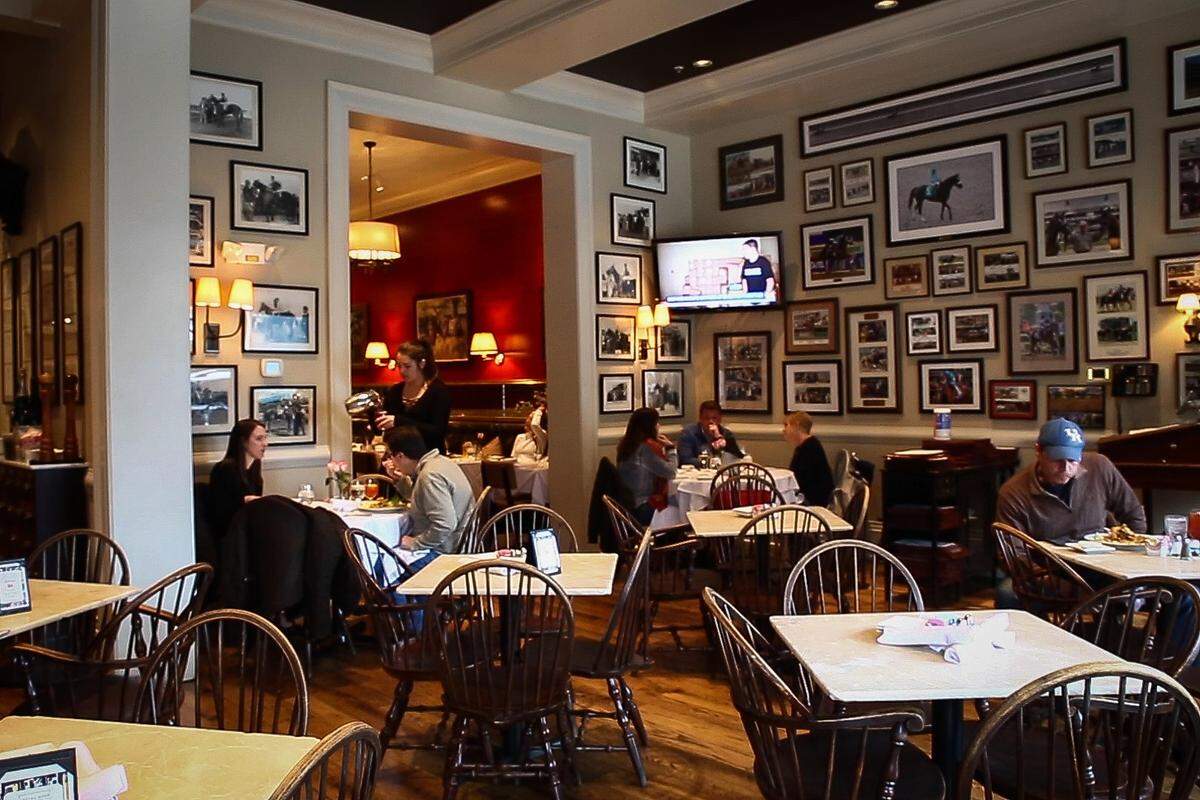
“We are just thrilled the city recognizes that the small businesses are such an important part of the fabric of our community, and our failure would also affect so many people. Our small businesses, even though they say small, hire a lot of people – local people,” said Debbie Long, the owner of Dudley’s on Short, in the report on small businesses. Dudley’s received $25,000 from the small business stimulus program.
This story was originally published December 1, 2020 at 3:26 PM.