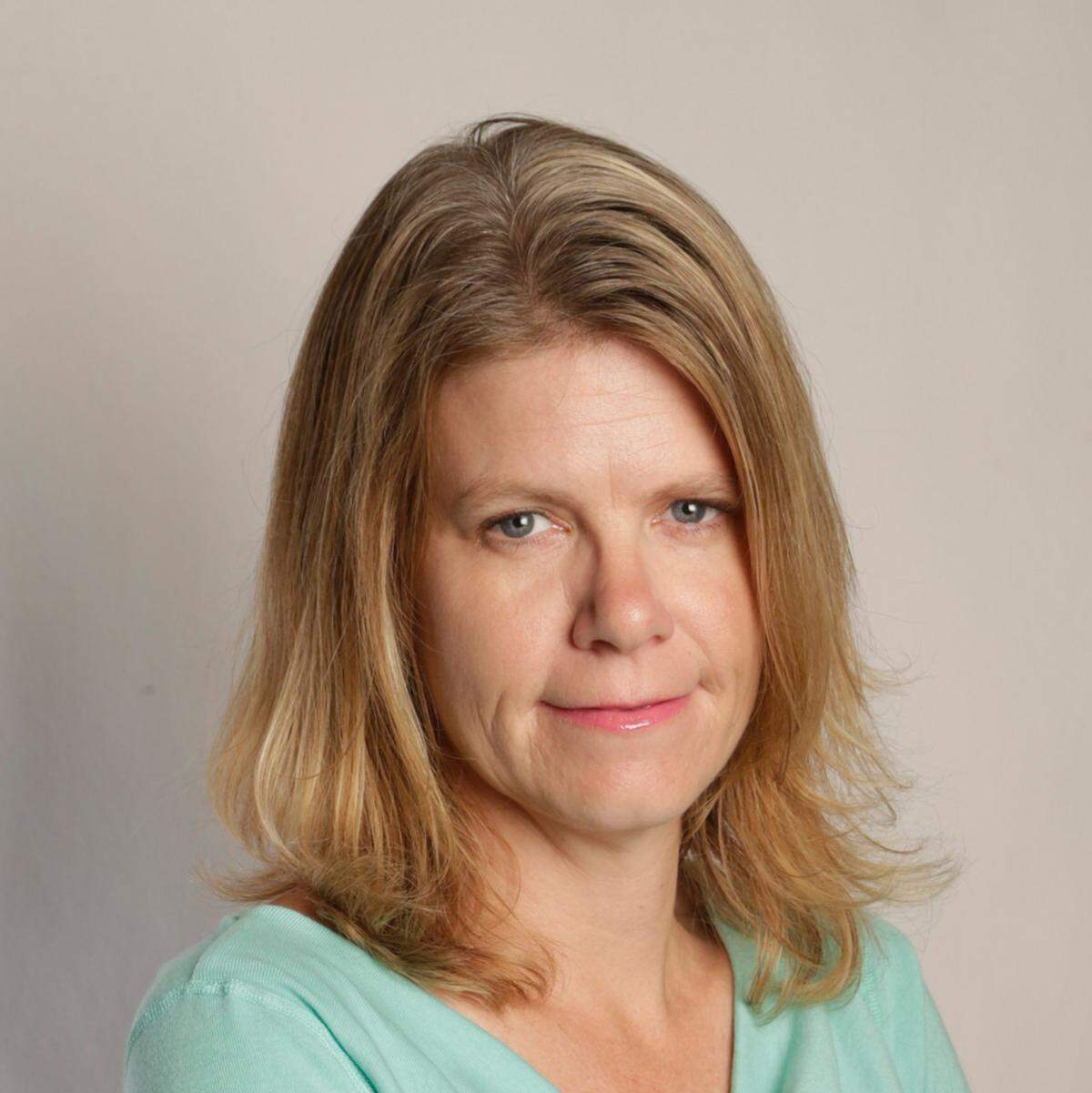
‘Life-saving leadership.’ Lexington Health Commissioner retires after leading COVID fight
Over the past several years, Dr. Mark Dougherty, an infectious disease specialist, spoke occasionally with Dr. Kraig Humbaugh, the Lexington-Fayette County Health Commissioner and former state epidemiologist.
Sometimes it was about occasional tuberculosis outbreaks or about the highly contagious SARS virus.
March 2020 changed all that. That’s when Kentucky and Lexington saw its first coronavirus case.
“We talked constantly particularly during the early days of the pandemic,” said Dougherty, the infectious disease specialist for Baptist Health Lexington.
“He had information that I didn’t,” Dougherty said. “The public health department and Dr. Humbaugh were right there from the very early days of the pandemic. They were there to help us track patients but also were there to help inform the public about this disease.”
When Dougherty heard in December 2020 Humbaugh had announced his intention to retire in June 2021, Dougherty was concerned. How was Lexington going to navigate its first pandemic in more than 100 years without Humbaugh’s leadership?
This summer the department offered the job to a candidate, who later turned it down. Humbaugh stayed on for an additional six months. It was the second time Humbaugh had postponed his retirement. His plan was to retire in June 2020 but he pushed it back in March 2020 to help oversee Fayette County’s pandemic response.
After nearly 18 months of delays, Humbaugh will finally retire from the Lexington-Fayette County Public Health Department at the end of December. Earlier this month, the department announced it had hired Dr. Joel McCullough, who most recently headed the Spokane, Wash., health department, as its new public health commissioner. McCullough will begin in early 2022.
“That tells you a lot about Dr. Humbaugh,” said Kacy Allen-Bryant, a member of the board of health who is now the city’s commissioner of social services. “He has been wanting to retire for a long time. But the needs of the health department, the needs of the community came before his needs. Who does that? He does that.”
From Indiana to Russia to Kentucky
Humbaugh grew up in Daviess County, Indiana, not far from Evansville.
He earned his undergraduate degree from Vanderbilt University and his medical degree from Yale University. He was a Fulbright Scholar at the University of Otago in New Zealand.
He started his medical career as a pediatrician, working for several years in private practice.
“Public health was not necessarily a career option for a physician,” Humbaugh said of his early days in medicine. Pediatric medicine focuses on prevention and education, which is also the backbone of public health. It also takes a much more holistic approach to wellness that involves not only the child but the entire family.
One day he saw a help wanted advertisement in a medical magazine for a pediatrician to work in Moscow at an outpatient clinic. Humbaugh, who took Russian in college, got the job. It was the late 1990s.
“I was the only American pediatrician in Moscow at the time,” Humbaugh said. “It was an adventure.”
His time in Moscow also furthered his resolve to pursue a career in public health.
After spending a year in Russia, he returned to the United States and got a master’s degree in public health from Johns Hopkins University. His first job in public health was working for what was then called the Louisville Metro Public Health Department. He stayed there for a few years and eventually moved to the state. He was the state epidemiologist and was a senior deputy health commissioner. He spent more than a dozen years at the state.
During his time at the Kentucky Department for Public Health, he briefly reported to Dr. Rice Leach, the former Lexington-Fayette County Public Health Commissioner. Leach died in April 2016 after battling cancer.
Humbaugh applied for Leach’s former position because he wanted to be involved with public health on the ground level, not just from 3,000 feet.
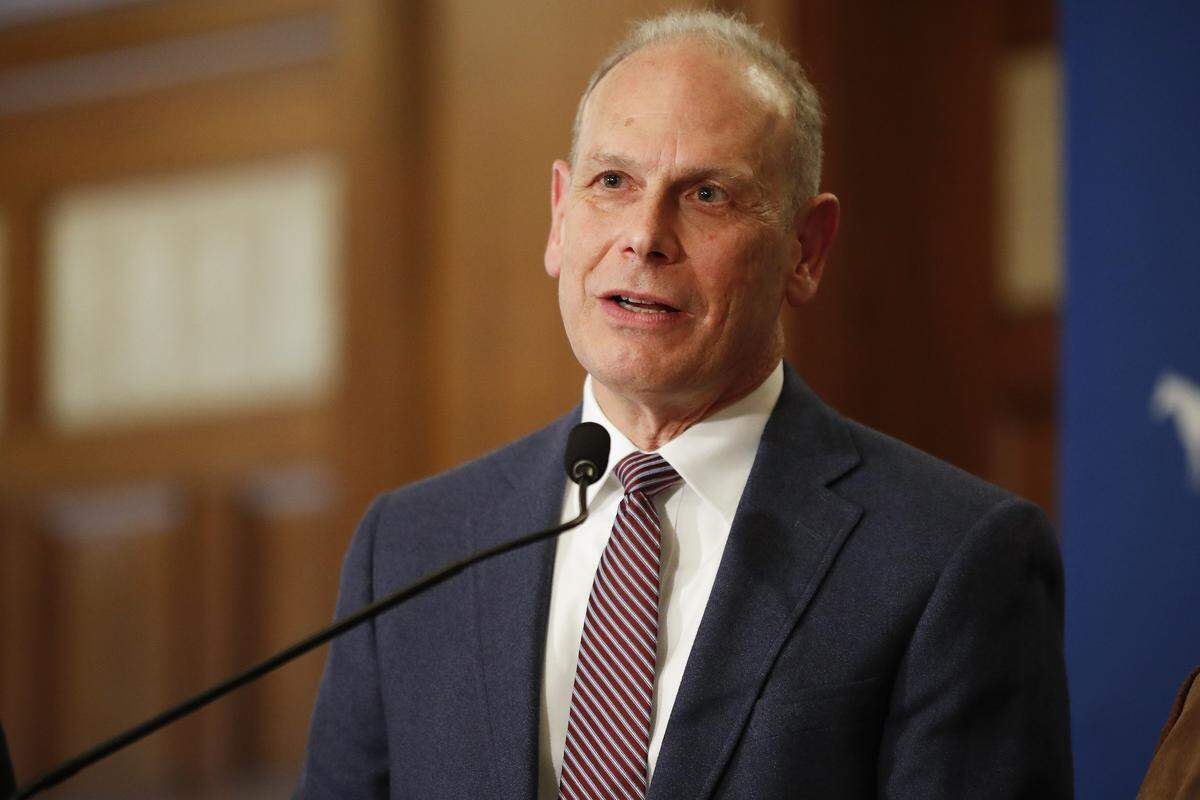
“It’s more boots on the ground,” Humbaugh said. “You can really see the changes that you are making. The thing at the state level is you are influencing 4.4 million people with the policies you make. At the local level, you are really seeing the fruits of your labor.”
Humbaugh accepted the position and was hired in June 2016.
Before COVID-19, the opioid epidemic
When Humbaugh was first hired and long before the coronavirus was first discovered in China in December 2019, Kentucky and Lexington’s most pressing public health threat was opioid addiction and the increasing numbers of Kentuckians dying by overdose.
“It still is,” Humbaugh said, pointing out that the number of overdose deaths during the pandemic skyrocketed.
Under Leach, Fayette County became the second county in the state to offer a needle-exchange program, which gives free syringes to drug users. Under Humbaugh, that program was expanded to include a host of harm reduction services including training on naloxone, which can reverse drug overdoses, HIV and Hepatitis testing as well as Hepatitis and now COVID-19 vaccines.
Over the past five years, the department has given out and provided training for 11,000 naloxone kits and given more than 400 referrals for counseling and treatment. The program is open Monday, Wednesday, Friday.
“The idea is to provide multiple services to reduce the negative effects of injection drug use,” Humbaugh said. “If that’s the day they decide that they want to change their life, then those counselors, who have gotten to know them, those counselors can help facilitate that.”
The program has clocked 70,000 visits and has served more than 7,000 people.
“It’s needed,” Humbaugh said. “It’s a sad success. It’s sad that the demand is there but our job is to try to reduce overdoses and reduce HIV in the community and other blood-borne pathogens that are spread by intravenous drug use.”
Lexington and Kentucky started to see overdose deaths go down starting in 2017 and 2018. In 2019, the number of overdoses in Fayette County was 128. In 2020, after the coronavirus pandemic hit, the number of overdose deaths jumped to 209. Those numbers are slowing slightly. Preliminary numbers show for the first eight months of 2021, the number of people who have died from an overdose is 133.
Into the spotlight
On the evening of March 6, 2020, Humbaugh found himself behind a podium in the Lexington-Fayette Urban County Council chambers standing beside Lexington Mayor Linda Gorton, a registered nurse.
Earlier that day, Gov. Andy Beshear announced the state’s first coronavirus case -- a patient from Harrison County, who was being treated at the University of Kentucky Medical Center.
It was the first of dozens of times Humbaugh would be forced into the spotlight to explain the ever-evolving COVID-19 virus over the next 20 months.
Humbaugh was tasked with providing the latest information about the virus, updates on testing, the timeline for vaccines and how the virus can be transmitted.
Then as more and more businesses were shut down in the spring of 2020 and allowed to re-open, the health department became the point agency to both interpret and enforce those rules.
That information changed over the 20-plus months of the pandemic as scientists learned more about the highly contagious respiratory virus.
Humbaugh was in demand.
He met with local health care providers, Gorton and the Urban County Council, his public health colleagues around the state and provided guidance to the Fayette County Public Schools, which closed schools to online learning during much of 2020.
Humbaugh’s patience and steady, calm leadership during those uncertain times helped the school system navigate the reopening of schools, said Fayette County Schools Superintendent Demetrus Liggins.
Not every school system had the same access to public health officials, Liggins said.
“My colleagues across the state and nation are amazed that Dr. Humbaugh set aside time to meet with us weekly to review data, apprise us of the latest research and developments with COVID-19, provide guidance about health and safety protocols, and publicly advocate for best practices,” Liggins said.
How many hours did he spend in meetings? How many hours did he work in those beginning months of the pandemic?
Humbaugh sidestepped the question and instead praised his 160 plus staff, who all pitched in to help the department and the community understand the highly contagious disease and its first pandemic in more than 100 years.
“Our staff really stretched themselves,” Humbaugh said. “They discovered talents that they didn’t know they had. They made lemonade out of lemons.”
The department started a call center after it was inundated with queries from the public. When would testing would become available ? I’m ill with COVID, should I go to the hospital? How long should I quarantine? It had to develop an online case management system to track all coronavirus patients. Thanks to federal and state funding, it was able to hire 60 contract tracers as the number of coronviarus cases climbed.
In January and February, during the beginning stages of the vaccine roll-out, that call center was averaging 700 calls a day.
“He worked seven days a week,” Allen-Bryant said. Allen-Bryant was chairwoman of the board of health during much of the pandemic, recently stepping down as chair in June 2021 after she took the position as social service commissioner with the city.
“He’s an introvert,” she said. “He doesn’t want to be the center of attention. But he became our own Dr. (Anthony) Fauci.”
The health department also helped coordinate coronavirus testing sites when COVID-19 tests became available. It was one of the first health departments in the state to analyze its own data and determine minorities were being disproportionately affected by the coronavirus pandemic. Gorton and the city then moved mobile testing sites into neighborhoods with higher minority populations.
The department stepped up its outreach to Lexington’s foreign-language population and worked with the Fayette County Public Schools to translate information about coronavirus into multiple languages.
“The health department had multiple roles in this but our goal from the very beginning was to flatten the curve,” Humbaugh said. “It means slowing down the virus enough that we don’t have huge peaks so people who get the sickest can have staffed beds for them. They can get the best care for them and they have the best chance for survival. The idea is to minimize mortality.”
Dec. 23, 2020 was a special day for the health department. It was the first day it gave COVID-19 vaccines in its clinic.
“People wanted to hug us but they couldn’t,” Humbaugh said.
The roll out of those vaccines changed the fight against the disease, he said.
The health department held dozens of vaccine clinics and still offers vaccines -- booster and first-time doses. It partnered with Consolidated Baptist Church on Russell Cave Road for many of those clinics. It’s spacious bottom floor and gymnasium provided the ideal location for a socially-distanced vaccine clinic, he said.
“We have great community partners,” Humbaugh said, praising Consolidated Baptist Church and others who stepped up to provide space for mass vaccination clinics. Other partners include UK Healthcare, which manned a vaccination site at Kroger Field in the first quarter of 2020.
“The majority of the vaccines were administered by our community partners,” he said.
Humbaugh was often at those health department vaccine clinics. He could have sent his staff, Allen-Bryant said.
“He was right there. He was a boots on the grounds commissioner,” Allen-Bryant said.
Vaccines are still the best way to fight back against the virus, Humbaugh said.
The proof is in Fayette County’s data.
“We know the vaccines work,” Humbaugh said. “80 percent of the people in Fayette County who were hospitalized were unvaccinated. 90 percent of people in the ICU were unvaccinated.”
Many of those who were fully vaccinated who were hospitalized also had other risk factors such as obesity, a history of smoking and diabetes.
But battling the pandemic has taken a toll on all health care workers, Humbaugh said.
“You have to take care of yourself in order to take care of others,” Humbaugh said.
To keep staff morale up, Humbaugh would often bring in flowers from his parents’ garden in Indiana. He’s also an excellent baker, said Kevin Hall, the department’s spokesperson.
“He would bring in baked goods usually with a theme,” Hall said. “Many were things we had never had before.”
Resistance to science
In December 2020, several health care clinics and testing sites, including the Lexington-Fayette County Health Department’s offices on Newtown Pike were vandalized with anti-science graffiti trying to downplay the pandemic. A Lexington man was later arrested for that incident and other acts of vandalism.
As the pandemic escalated, Humbaugh and the health department were also battling conspiracy theories and people who did not want to comply with government orders.
Humbaugh dealt with the naysayers with poise and patience, Allen-Braynt said.
“His response was always grounded in science,” she said. “He would say, ‘This is what we know right now. We don’t have a crystal ball.’’
Liggins said Humbaugh was not afraid to tell people what they didn’t want to hear.
“He is a courageous leader, willing to speak truth even when what he has to say is not popular and I believe his steady guidance and unflappable countenance throughout the pandemic has helped saved lives in our community,” Liggins said. “His impact on our school district will be evident for years to come.”
Humbaugh said other more rural health departments in Kentucky and other parts of the country faced more resistance than Lexington’s health department. That resistance and threats have led to a mass exodus of public health care leaders, according to a Kaiser Health News and Associated Press analysis. More than 180 state and local public health leaders in at least 38 states have resigned, retired or been fired since April 1, the analysis found.
“It was minimal compared to other places,” Humbaugh said. The vast majority of businesses in Fayette County complied with all of the governor’s orders related to shut downs or reopening, he said.
Dougherty said the interjection of politics into the fight against the coronavirus cost many people their lives.
As of Dec. 17, 468 Fayette County residents have lost their lives to the virus since March 2020. More than 54,400 people have been infected.
“I wish people could see what I see” Dougherty said.
During this summer’s surge related to the delta variant, the overwhelming majority of patients in the ICU were not vaccinated, Dougherty said. Many of those same patients and their families later told Dougherty they wished they had listened and regretted not getting the vaccine.
A more hopeful future
On Dec. 2, Humbaugh returned to the Lexington council chambers and stood behind the same podium he did on March 6, 2020. Gorton was also there.
But this time it was different.
Gorton read a proclamation declaring Dec. 2 “Dr. Kraig Humbaugh Day” in honor of Humbaugh and his long-delayed retirement at the end of December.
“COVID has been his primary concern since early 2020, even before COVID came to town,” Gorton said. “He has protected all of us. I have no doubt that you have saved many lives in your work. He even postponed his retirement to give our community more time to get past COVID.”
Gorton started a health care stakeholders group shortly before the pandemic began. Humbaugh helped steer that stakeholders group, which still meets regularly, Gorton said.
“Lexington will forever be grateful for Dr. Humbaugh’s life-saving leadership throughout the pandemic,” Gorton said, her voice shaking.
Humbaugh said during a later interview that as he leaves the department, he’s optimistic.
“Vaccination is our best tool to prevent severe illness,” Humbaugh said. “The vaccines have been very effective in doing that.”
This story was originally published December 27, 2021 at 7:41 AM.