Why a study on Lexington’s sewer systems could factor in urban expansion debate
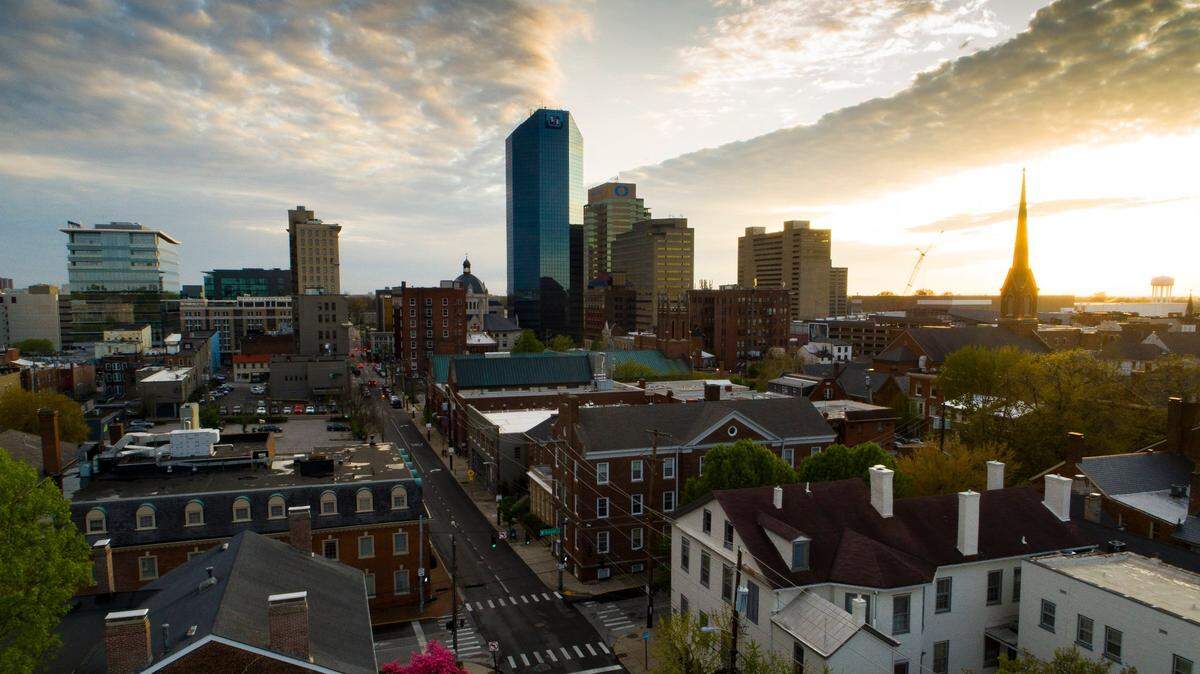
The Lexington council made some preliminary changes to the 2045 Comprehensive Plan that included more language about the importance of affordable housing and setting 2050 as a goal for Fayette County to become carbon neutral.
During Tuesday night’s meeting, the Lexington-Fayette Urban County Council did not address two key aspects of the comprehensive plan: whether to keep the current urban service boundary or how the city will decide when and if the boundary should be moved.
The council will resume debate on those issues at a June 1 meeting.
During Tuesday’s meeting, the council made multiple small tweaks to the comprehensive plan that deal with housing and sustainability.
The city’s comprehensive plan is passed every five years. It guides where and how development can occur. The 2045 Comprehensive Plan largely mirrors the 2018 Comprehensive Plan. The proposed 2045 Comprehensive Plan places more emphasis on equity and sustainable growth and green infrastructure.
Why city’s sewer and water systems are key
Prior to discussions on the comprehensive plan, Director of Water Quality Charlie Martin reminded council the city is undergoing a new sewerability study that will show where sewer could go outside the current boundary and how much it will cost.
A 2022 report, called the Goal 4 report, identified 27,000 acres of land that could be developed if and when the city decides to expand. Much of the Goal 4 report’s recommendations were based on a 2006 rural land sewer capacity report, but that data is now old.
The Urban County Planning Commission voted on the goals and objectives of the 2045 Comprehensive Plan earlier this year. The draft plan passed by the commission keeps the current urban service boundary and recommends building on the processes laid out in the Goal 4 report. Some in the development community have pushed the council to add 5,000 acres along Winchester and Athens Boonesboro Roads immediately, citing the city’s housing crunch and need for more new jobs.
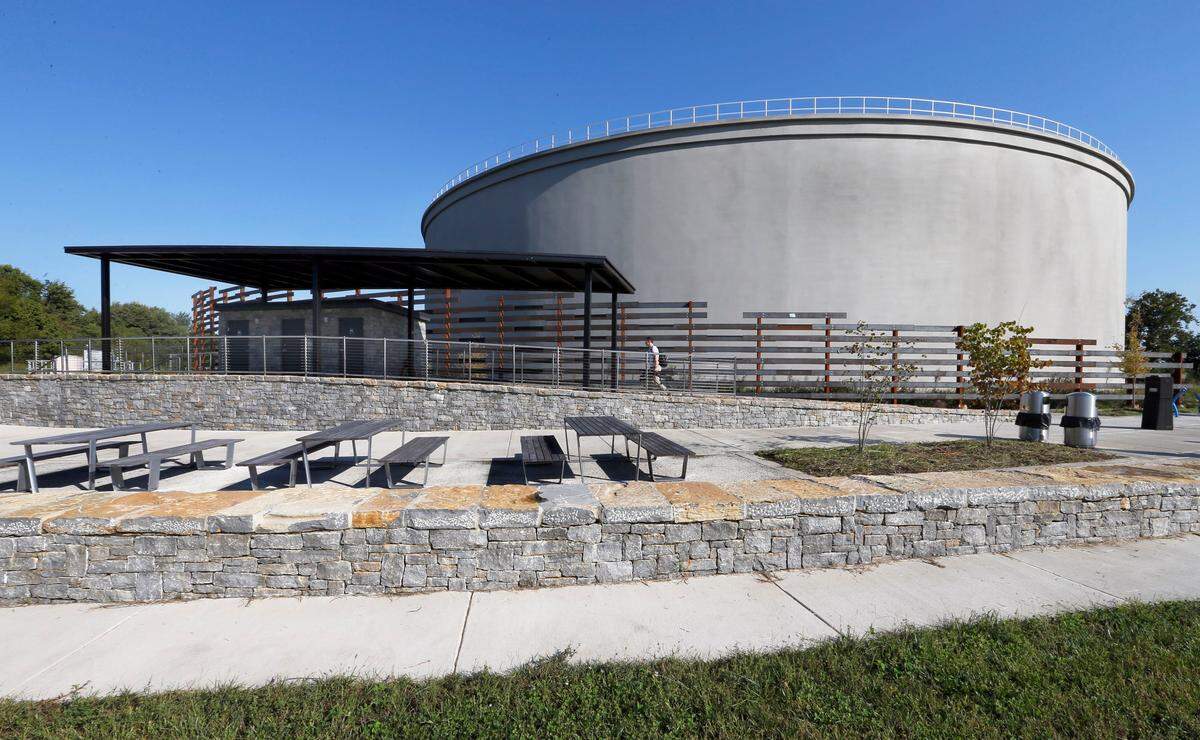
Earlier this year, the city hired a consultant to update the sewerability report, which is currently in progress. The report won’t be available until late July and may not be finalized until fall, Martin said Tuesday.
The city’s sewer and wastewater treatment systems have been the subject of federal oversight.
Since 2008, Lexington has been under an Environmental Protection Agency consent decree to fix its stormwater and sewer systems after a group of citizens sued the city after repeated stormwater overflows. The city is in the midst of a $590 million upgrade to its sewer and stormwater system.
The consent decree and the projects the city has agreed to undertake did not factor in expansion of the urban service boundary, Martin said.
Moreover, many areas that could be proposed for development outside the boundary drain away from current sewage infrastructure — pumping stations and the county’s two sewage treatment plants.
Martin said developing some areas will be more expensive than other areas. The new study will hopefully give the city a cost per acre for development.
“That’s a really important data point,” Martin said.
Martin estimated it may take as long as 15 years to get permits and approvals for a third treatment plant.
The city’s top priority is completing 100 projects listed in the EPA consent decree, Martin said. The city has already said it will ask for an extension from state and federal regulators to finish all the projects listed in the agreement. The original deadline for all projects to be completed is Dec. 31, 2026.
Martin said they are still waiting to see if the city will get that extension. Supply-chain issues and the COVID-19 pandemic slowed the city’s progress on those EPA-mandated projects.