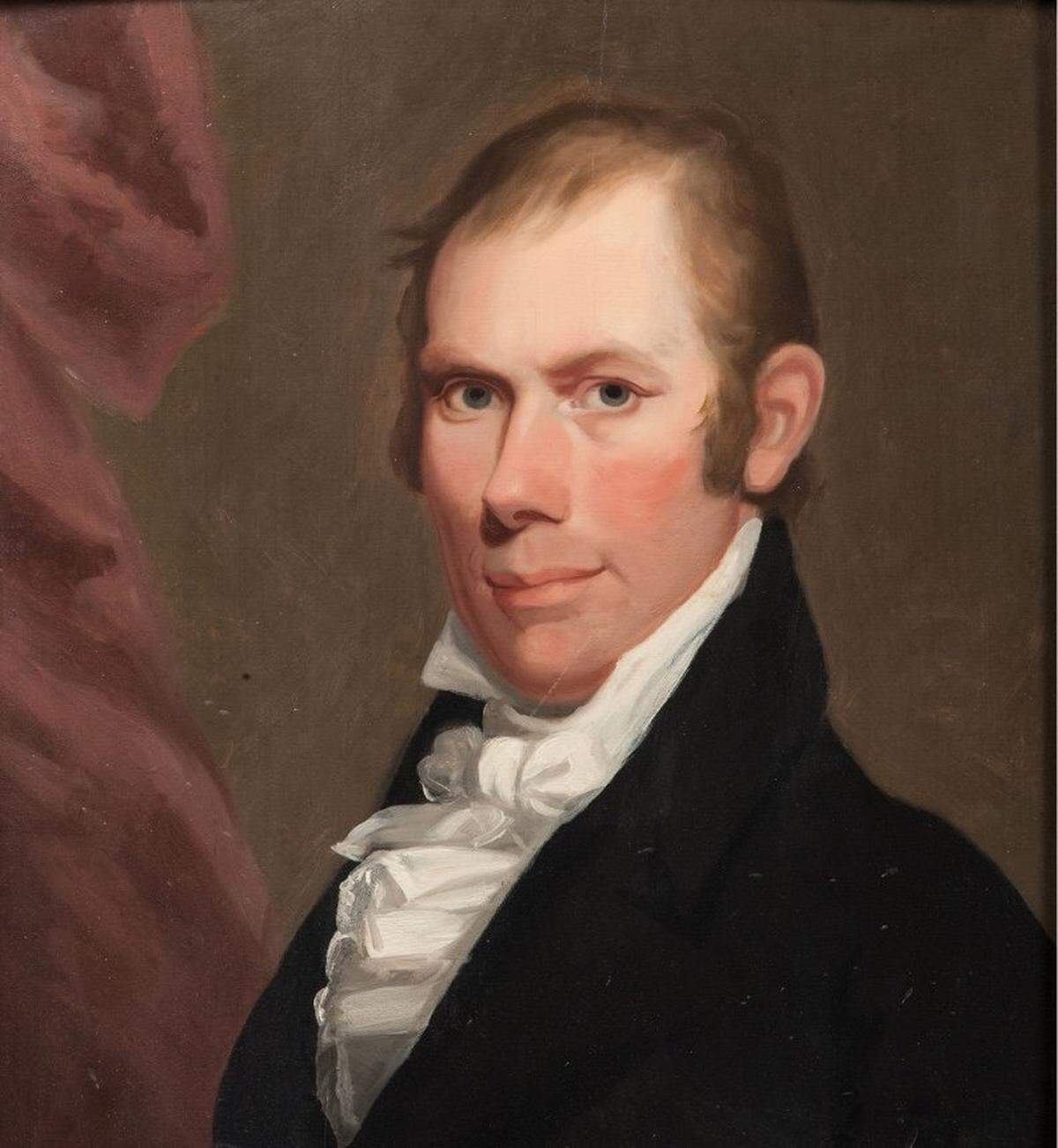
Meet Henry Clay: One of Kentucky’s most prominent political leaders
Editor’s Note: As Lexington celebrates the 250th anniversary of its founding, the Herald-Leader and kentucky.com each day throughout 2025 will share interesting facts about our hometown. Compiled by Liz Carey, all are notable moments in the city’s history - some funny, some sad, others heartbreaking or celebratory, and some just downright strange.
One of Kentucky’s most famous statesmen, Henry Clay, was born in Virginia, but started his political career in Lexington.
Clay was born on April 12, 1777, in Hanover County, Virginia, the seventh of nine children. When his father died in 1781, Clay inherited two slaves to complement the slaves and nearly 500 acres of land left to his mother.
After his mother remarried, the family moved to Kentucky, Clay stayed in Virginia to further his education and work to be admitted to the bar in 1797.
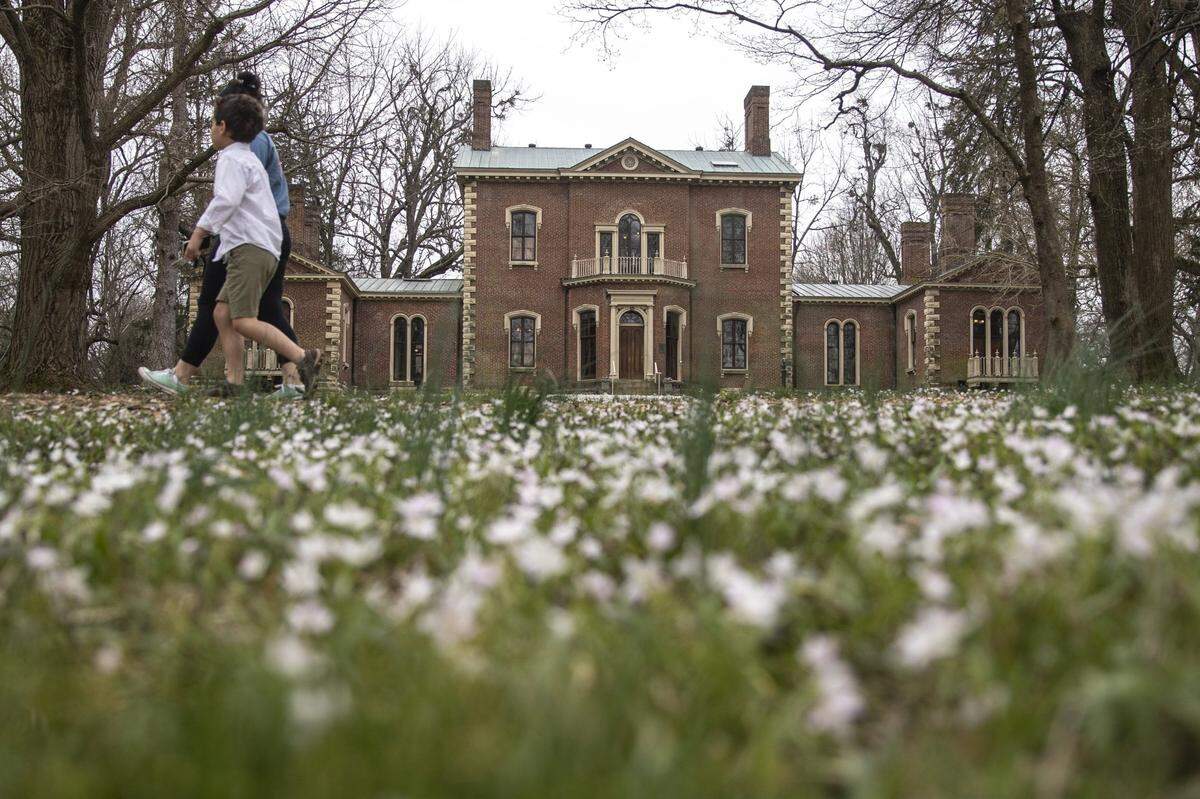
Two years later, Clay married Lucretia Hart in Lexington and set up his legal practice there. In 1804, the two built and moved into Ashland, where they raised 11 children. The estate grew to more than 500 acres with outbuildings and numerous enslaved people. In addition to his legal business, Clay raised crops, livestock and horses.
As a statesman, Clay served as a state legislator, a U.S. Representative, a U.S. Senator, and later as Secretary of State. He ran, unsuccessfully, for president in 1824, 1832 and 1844.
As a negotiator, he was known for his role diffusing situations which earned him the nickname “the Great Compromiser.” He helped negotiate the Treaty of Ghent that brought the War of 1812 to an end, and led the passage of the Missouri Compromise that averted a national crisis over slavery.
Later, he played a key role in passing the Compromise of 1850 that postponed the slavery crisis again.
Throughout his career, Clay was an influential member of the fledgling U.S. government as it grew and expanded. As a senator, Speaker of the House and secretary of state, he helped to build a fragile country through several impasses. As a compromiser, it was Clay who helped bring warring sides together over the issue of slavery.
During his career, he developed several close friendships with allies like John J. Crittenden, John Breckinridge and others from Kentucky and beyond. He also gained some powerful enemies, like President Andrew Jackson.
He is widely regarded as one of the most important political figures of his era, and one of the most influential speakers of the house in U.S. history.
In fact, a 1986 survey of historians ranked him as the greatest senator in U.S. history, and a 2006 survey of historians ranked him 31st in a list of the most influential Americans of all time.
Although a backwards view of his life as the owner of enslaved people has left many with conflicting opinions about his legacy, he remains one of the most influential Congress members of all time, responsible for shaping the country into what it is now. When he entered Congress in 1806, the country stretched to the Mississippi River. By the time he left, in 1851, the nation stretched from coast to coast including the state of California.
After a lifetime in politics, Clay announced in December 1851 that he was stepping down due to his failing health. Eventually, he died in his room at the National Hotel in Washington, D.C. in June 1852 of tuberculosis. He was 75. After being the first person to lie in state in the US. Capitol rotunda,
Clay’s body was returned to Lexington. He is buried in the Lexington Cemetery next to his wife, Lucretia, who died 10 years later in 1864 at the age of 83.
Have a question or story idea related to Lexington’s 250-year history? Let us know at 250LexKy@gmail.com