
New book on Gratz Park explores Lexington beauty spot with a tumultuous past
AI-generated summary reviewed by our newsroom.
- Gratz Park's complex past includes roles in education, slavery, war, and segregation.
- The new book blends historic narrative and detailed photography across seasons.
- Preservation efforts began after 20th-century plans threatened park’s open space.
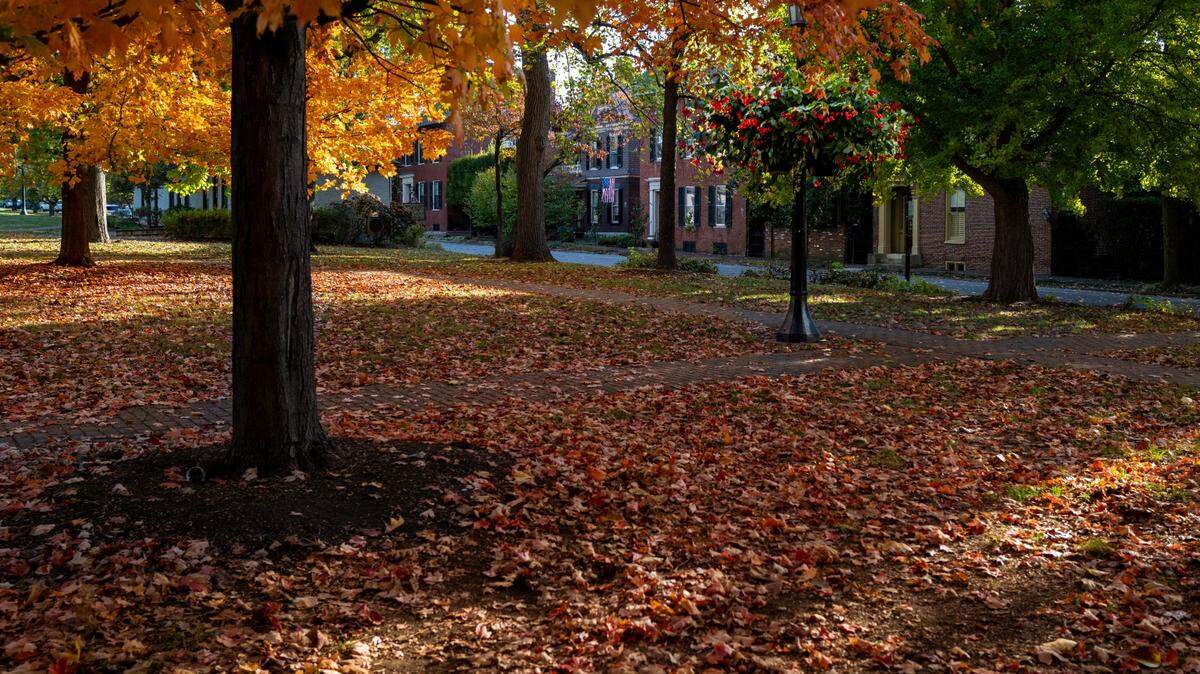
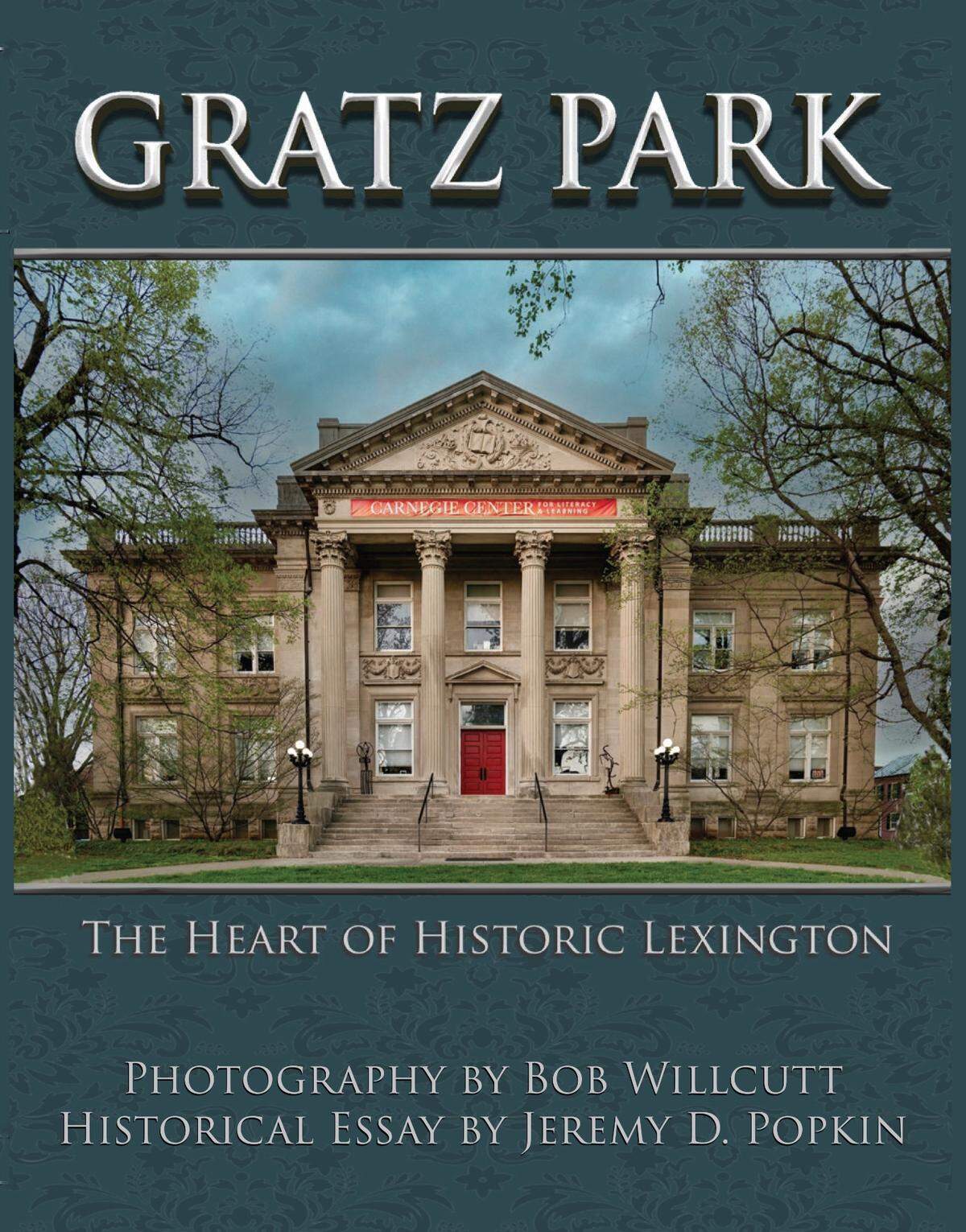
In “Gratz Park,” Bob Willcutt’s photographs and Jeremy Popkin’s narrative tell the story of the park that plays a large role in the way the Lexington imagines itself and its 250-year history.
The park emerges from the large format pages of this new book as a microcosm of Lexington’s history from the late 18th century right up to the present day.
“It’s really at the center of our city’s history,” said Jeremy Popkin, professor emeritus of history at University of Kentucky. “It’s the oldest park, the oldest Historic District in the city, and the way it got to be a park is a story that tells us a lot about Lexington and life in Lexington and the different meanings it has had over the two centuries.”
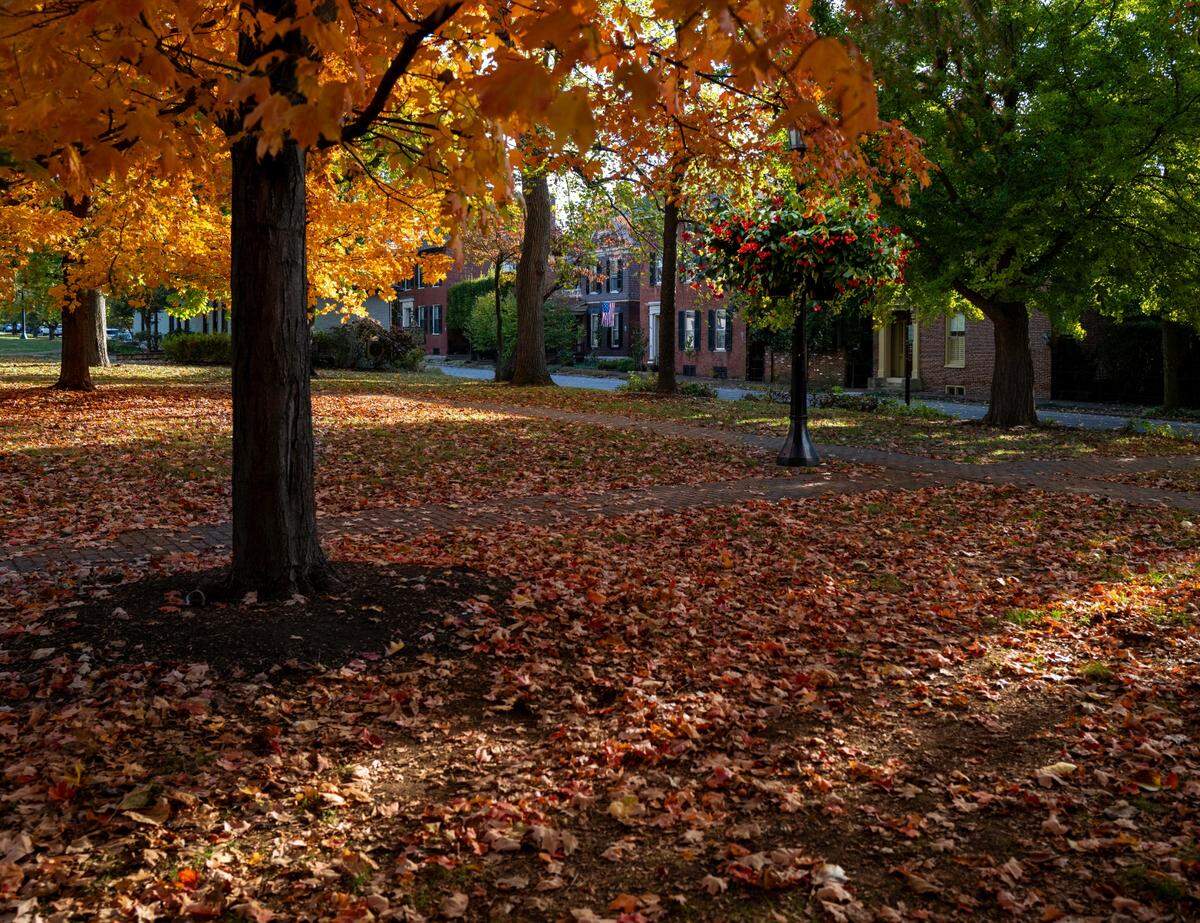
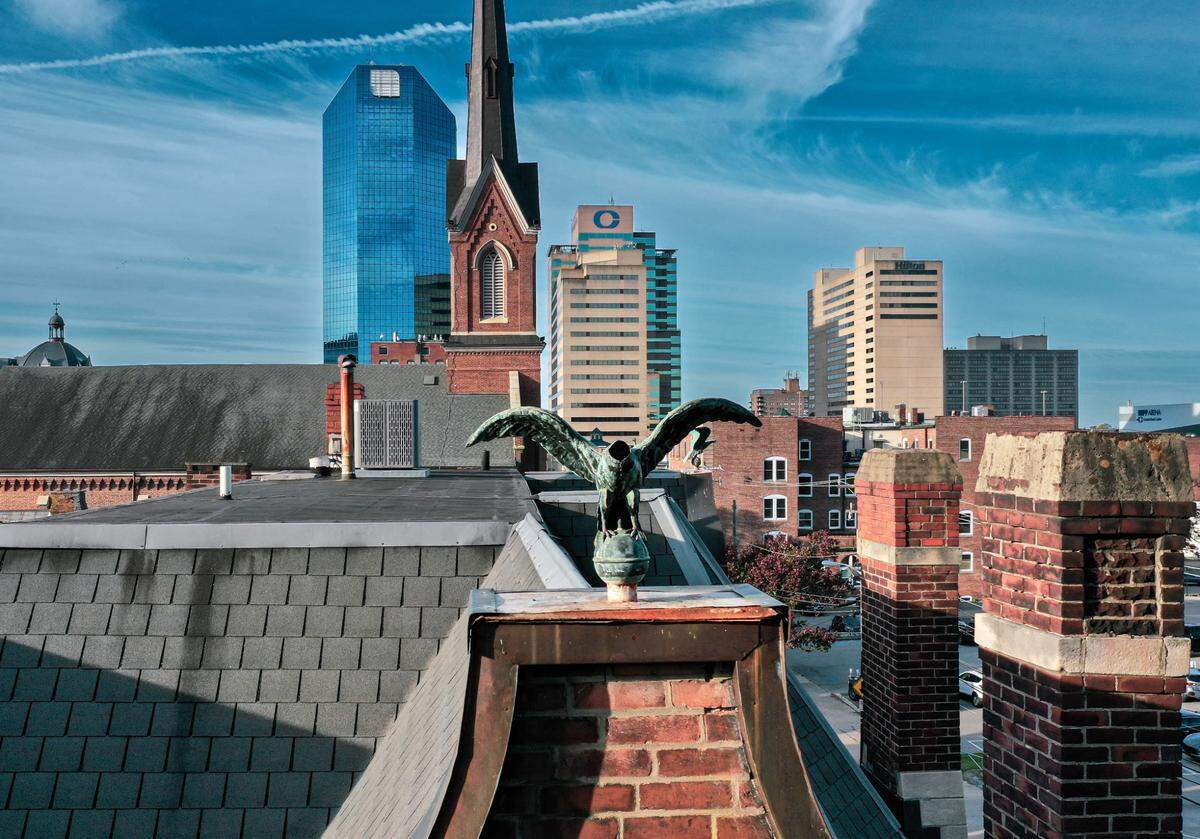
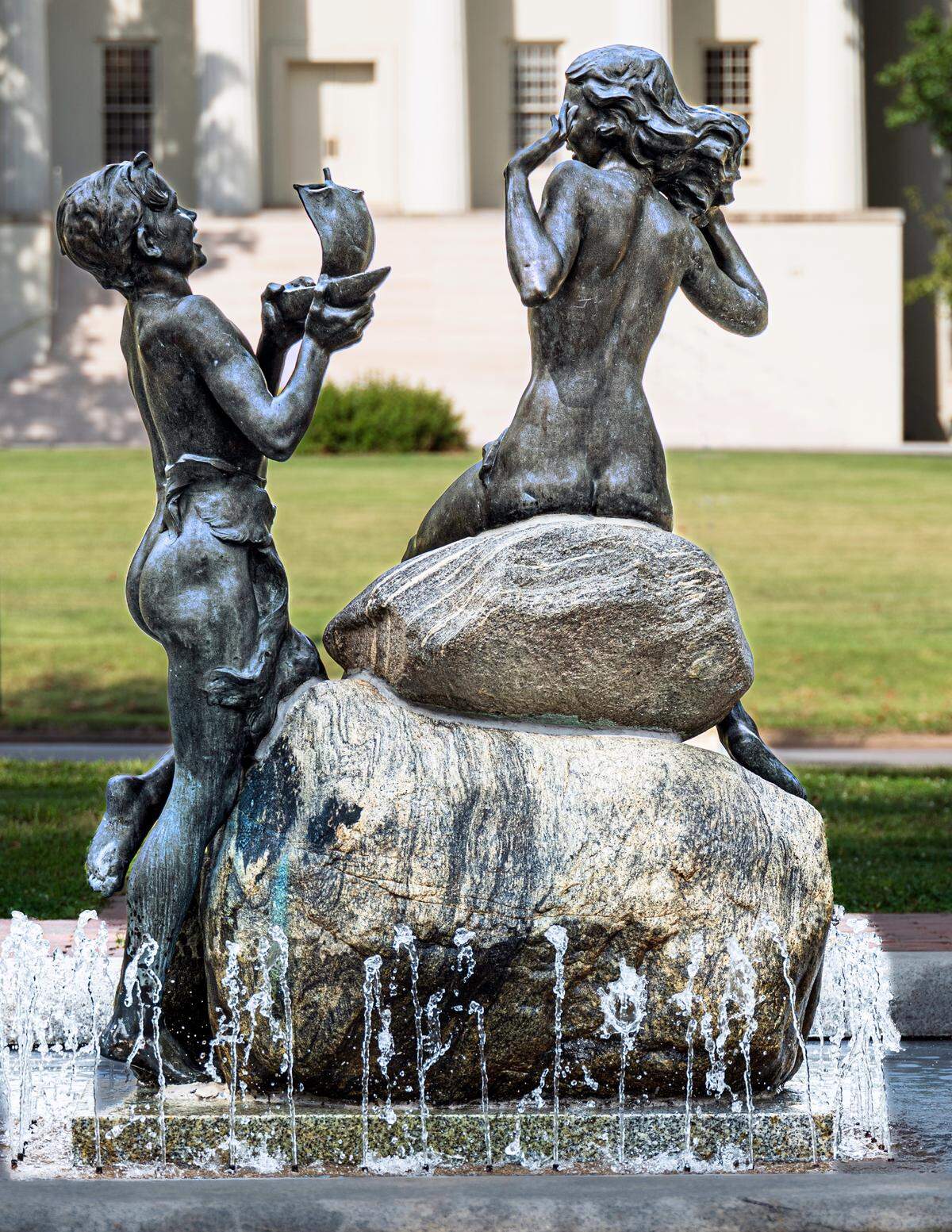
The architecture in and around Gratz Park — the fountain, the iron gates, Old Morrison, the Carnegie Center, the Bodley-Bullock House — come across in images filled with rich, abundant details. The photographs span the four seasons with some taking advantage of drone technology.
“I try to see things from different angles and different lighting to reintroduce scenes to the public that they may have just walked by and never noticed,” said photographer Bob Willcutt. “It felt like it was an adventure I don’t think anybody had fully documented yet.”
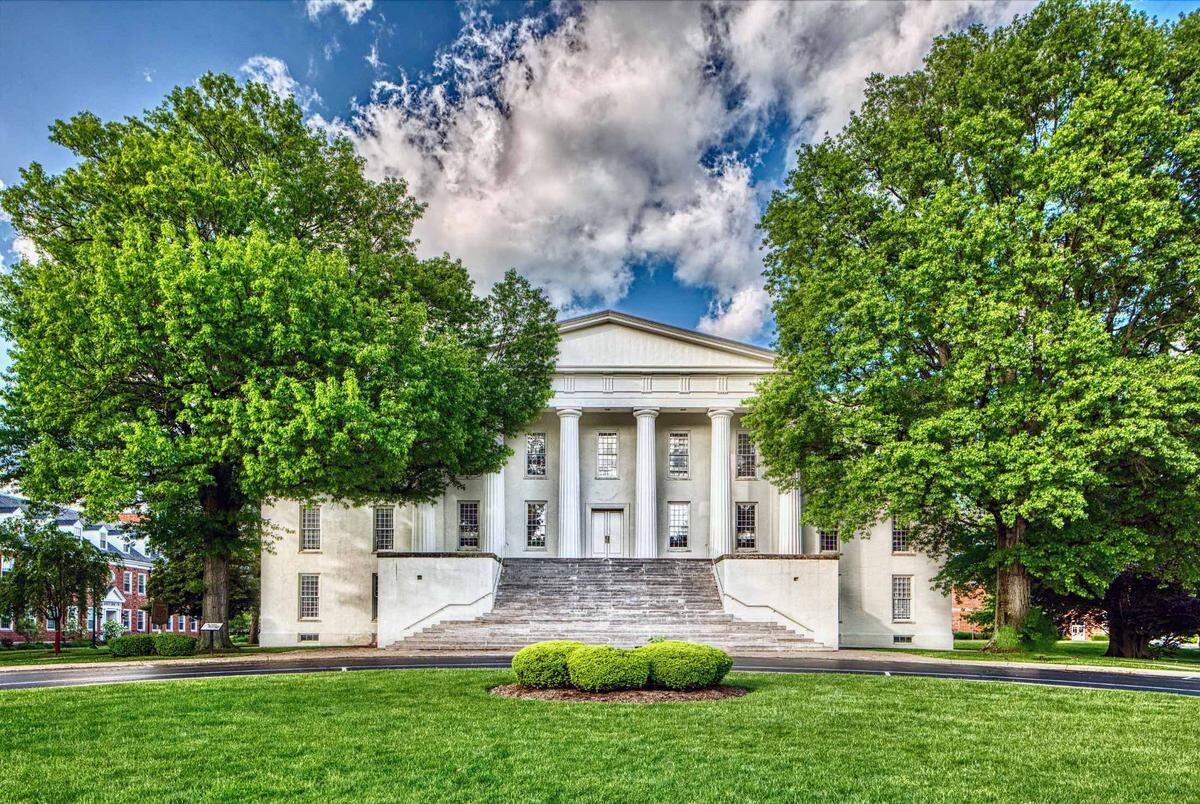
The land that became Gratz Park was originally purchased to be the site of a college campus for what has become Transylvania University.
“Actually, Transylvania University’s first two buildings, which don’t exist anymore, were located on this land,” Popkin said. “The deed that gifted the land to the school in 1792 said that the property could only be used for educational purposes. That’s why this is the only open space close to downtown Lexington that was never built up.”
SEGREGATION, NO DOGS AND THE CIVIL WAR
In the first half of the 19th century when Lexington was known as the Athens of the West, Transylvania was the main thing that made Lexington special.
The college thought of itself as a rival to Harvard and Yale and Princeton, but the area that is now Gratz Park was in the center of the biggest concentration of enslaved people in Lexington.
“The park property was surrounded by hemp factories and rope walks,” Popkin said. “Making rope and bagging was the main industry in Lexington before the Civil War, and so the students at Transylvania could look out from the property, and they could see enslaved people working while they were playing their games on the college lawn, as it was called, and going to school there.”
“And during the Civil War, it was used by both Union and Confederate cavalry units, they stationed their horses there,” Popkin said. “Union headquarters was in the Bodley-Bullock house on the southeast corner of the park.”
There was also a gathering spot for Confederate supporters. The family of John Hunt Morgan lived in Hopemont, their residence on the southwest corner of the park, the building that’s now the offices of the Bluegrass Trust.
“And during the era of segregation, Benjamin Gratz’s son, Howard, fenced off the park with an agreement with Transylvania University,” Popkin said. “He put up a sign, ‘no dogs or negros allowed,’ and he said he was going to keep the park for what he called respectable white people.”
“So, Gratz Park is a part of the history of segregation in the city,” Popkin said. “And we are only now beginning to publicly recognize what an important aspect of the park’s history that has been.”
WHO WAS GRATZ?
The park area was originally referred to as the “college lot” because of its proximity to Transylvania College. It was only when the Gratz family took over the management of the property in the 1870s that it became a park and got a name.
“It was first called Centennial Park,” Popkin said. “It was opened for the Centennial of the Declaration of Independence in 1876, but it was right across the street from the home of Benjamin Gratz and people started referring to it as Gratz Park.
“Benjamin Gratz was a leading businessman and the first Jewish resident of Lexington and for about 30 years or so, the only known Jewish resident,” Popkin said. “He was involved in local politics and was one of the major slave owners in Lexington. So, it’s a story that tells us a lot about American life in the 19th century.”
NEAR DEATH EXPERIENCES AND PRESERVATION EFFORTS
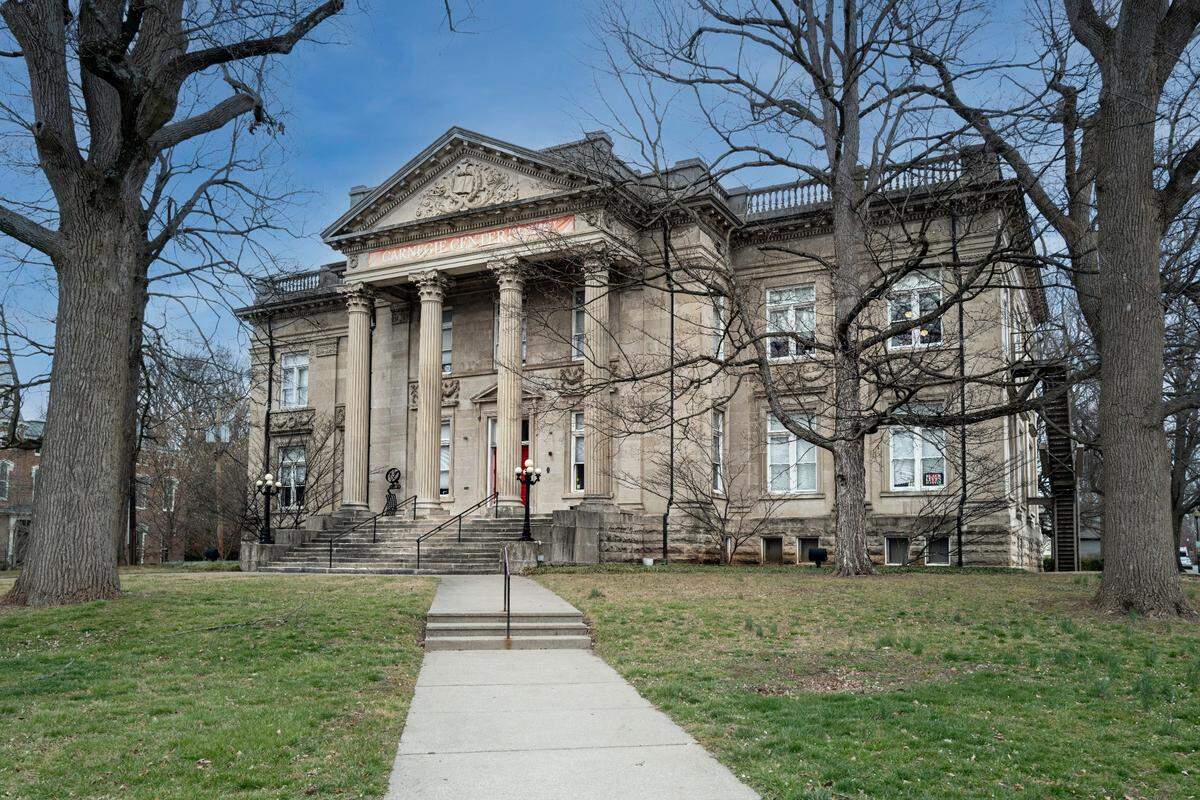
With the park on prime real estate in the center of Lexington, pressure to develop the land brought several “near death experiences” over the years according to Popkin.
“After Transylvania College moved north of Third Street and built old Morrison Hall, Transylvania desperately wanted to sell the property, and they were kind of stuck with it because of that deed,” Popkin said. “So, there were various attempts to get around the deed and find ways to sell the property to developers, but they were never able to do that successfully.”
Another threat to the park came in the middle of the 20th century.
“After World War II, when Lexington was growing, downtown traffic got worse and worse, and so there was a city planner who came up with a brilliant plan to run a four-lane highway through the middle of the park to get cars off of Main Street,” Popkin said.
The great uproar that ensued was the first time a large part of the population in Lexington started to talk about the park as a symbol of the city’s history, which led to Lexington’s first historic preservation organization.
“It’s what becomes the Bluegrass trust, and their very first project is to save the Hunt Morgan house, Hopemont, and to save the park,” Popkin said. “So, the debate about the plan to put a four-lane road through the park really gets Lexingtonians thinking about how to preserve and keep alive the city’s history. And Gratz Park became the first historic district.”
PRESERVING IMAGES FROM THE PAST
Willcutt’s interest in fine art photography grew out of his experience shooting for his high school newspaper where he learned film techniques and developmental editing.
“For Gratz Park in the springtime with the trees and flowers blooming, I tried to catch the early morning golden hour shots,” Willcut said. “Sometimes I would come back maybe 12 times to get everything lined up. And I was always fighting the cars parked in the way of buildings.”
“But, whenever I talked to people in the neighborhood, they were usually very excited that I’m doing some kind of documentation,” Willcutt said.
Beyond the lush photography found throughout the book, there are also historic maps, drawings, and paintings from across the centuries that required restoration work.
For example, the Sanborn Fire Maps from the Library of Congress and the Clay Lancaster sketches that are included in the book are the result of hours of Photoshop massaging by Willcutt.
“It felt like it was appropriate and worthwhile to make them more readable and presentable,” Willcutt said.
The book has been honored with the 2025 Bluegrass Trust Clay Lancaster Heritage Education Award.
Willcutt emphasizes the book is “the only professional publication of Lexington’s 250 years of history released in this anniversary year. It is a very limited run of only 500 copies which should be a collectible resource for decades to come.”
The book is available locally at Black Swan Books, Mulberry & Lime, Willcutt Guitars, and Ada & Lo Gift Shop, as well as online at major booksellers.
BOOK SIGNING EVENT
The LexHistory Museum will host a book signing and lecture 6:30 to 7:30 p.m. Wednesday, May 28, at 210 N. Broadway. Mayor Linda Gorton will introduce author Dr. Jeremy Popkin and photographer Bob Willcutt at the free event.
This story was originally published May 27, 2025 at 4:50 AM.