Should Lexington council get a pay raise? Voters may get to decide in November
AI-generated summary reviewed by our newsroom.
- Lexington Civic Assembly recommended raising council pay to $59,987 annually.
- Pay increase would take effect in 2031 and then change annually by the CPI.
- Charter review every eight years and public attendance records were advanced.
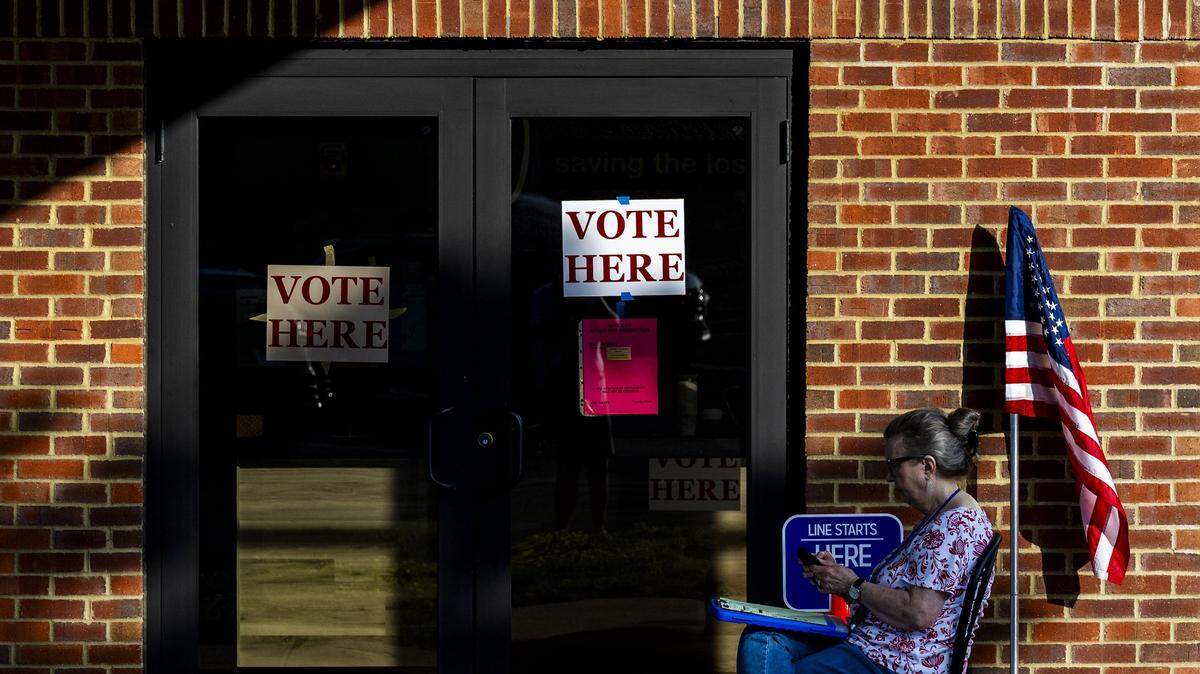
Should the 15-member Lexington council get a pay raise?
Voters may soon decide.
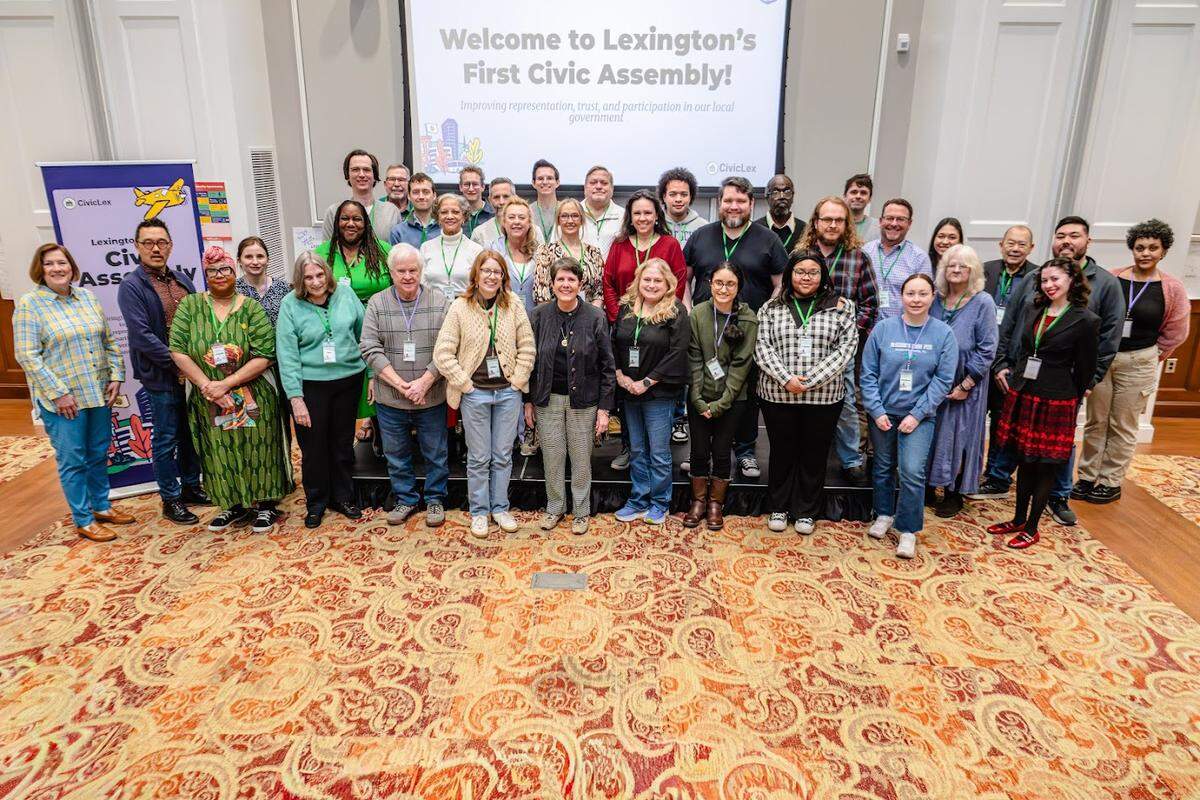
On Tuesday, the Lexington-Fayette Urban County Council voted to move forward three recommendations of the first-ever Civic Assembly, a randomly selected 36-member body which studied council pay and the city’s charter, its governing document.
The assembly, which met for much of March, recommended:
- Council compensation: Increase council member pay to $59,987 a year, the average annual wage in Lexington, according to the U.S. Bureau of Labor Statistics. The 15-member council makes just shy of $40,000. Every year the amount would change according to the Consumer Price Index, which is a measure of inflation. If approved by council and voters, the increase in pay would take effect in 2031. That would translate to a roughly 50% increase in pay.
- Charter review: The city’s charter would be reviewed every eight years, with the review subject to a time limit and a public input requirement. A standing committee of the Lexington-Fayette Urban County Government would advise and form a commission of 36 Lexington residents, selected by a representative lottery.
- Accountability: The assembly also advanced a recommendation the charter be amended to mandate that council creates publicly viewable attendance and accountability expectations for the Urban County Council.
Council members James Brown and Amy Beasley were the only council members to vote against moving the referendum upping council pay to the ballot during a Tuesday work session meeting. The council voted unanimously to move the council attendance and charter review initiatives forward.
The council will take a final vote on the three referendums at a Lexington council meeting June 18. If all three are approved by a super majority of the council, nine of 15 council members, the three questions will appear on the Nov. 3 ballot.
The last time a local referendum was on the ballot was in 2024, where voters approved a separate tax for capital projects in city parks.
Council pay, charter review issue for years
The Civic Assembly was convened by Civic Lex, a nonprofit civics education and advocacy group. Civic assemblies have been used across the country and in other countries to tackle thorny policy issues. The people were randomly selected to participate. The topics were selected through a survey.
The issue of how much council is paid has been brewing for years, but recently came to a head after multiple council members announced in 2025 they were not running for reelection. Many cited council pay as a reason why they would not run for office again.
The position is part-time but many outgoing council members said they sometimes work more than 40 hours a week on council business, making even part-time employment outside city hall difficult.
Many people want a diverse, elected council, several Civic Assembly members said. But if someone can’t serve because of the low wage, it narrows the number of people who are willing to serve, some Civic Assembly members said Tuesday prior to the council’s vote.
However, some council members have spotty council attendance records, a Lexington Herald-Leader 2024 review of attendance records showed.
In 2023, four council members missed more than 10 meetings, the analysis showed. There is currently no easy way to track attendance records of council members. The Herald-Leader review was conducted using council meeting documents and minutes.
The new ballot initiative would require the council to come up with an easily-accessible and publicly-available attendance record.
The merged government charter, which was approved by voters in 1972, is also silent on how often it should be reviewed. The charter outlines how the merged government operates.
More regular reviews would help the city address ongoing issues, said Tommy Clasby, a Civic Assembly member.
“If any of these issues aren’t addressed they can be addressed in the future,” Clasby said.