KY’s medical marijuana cultivators are racing for supply. Take a look inside one
AI-generated summary reviewed by our newsroom.
- VS Kentucky Ops opened in Nicholasville and plans to scale to 10,000 sq ft.
- Facility currently grows about 250 plants and yields 40–50 pounds of flower monthly.
- State reports 23,757 certified patients and cultivators race to close supply gaps.
One of the first medical marijuana cultivators in Kentucky is making plans to scale up its business in the next several months, with its first harvest expected in February.
On Friday, VS Kentucky Ops in Jessamine County announced it had received approval from state officials to begin operating. It’s now officially open for business. The business plans to hire more than 50 employees in the coming months as it grows to a 10,000-square-foot operation, employees at the facility told members of the media and local officials during a tour and ribbon cutting Monday.
“Our No. 1 goal is to provide safe, consistent plant medicine to these patients who need it,” said Boston Dickerson, director and CEO of Trilux KY Management, the company tasked with running the facility.
“It’s a very unique plant, and I think as Kentuckians start to see that and have safe access to consistent cannabis, there’s so many ailments that this plant can help with,” Dickerson said.
Kentucky legalized medical marijuana in Kentucky in 2023 with the passage of Senate Bill 47.
Two years later, the program is still in its infancy as a network of cultivators, product processors and dispensaries works to get off the ground. Dispensaries are the public-facing side of the industry where sales take place, while cultivators, processors and safety compliance laboratories play a support role.
The state opened its first dispensary over the weekend in rural Ohio County in Western Kentucky. More are eager to open their doors across the state, but supply is a challenge as state data shows a high demand for access.
At least 23,757 individuals have obtained electronic certifications to access medical marijuana, Gov. Andy Beshear said earlier this month.
Some industry insiders anticipate that could grow to as many as 50,000 people once more dispensaries open. The state started taking cardholder applications through an online portal in January.
Many Kentuckians with cancer, chronic pain and other eligible conditions want to use their cards, but right now, they simply don’t have many places to purchase medical marijuana. That’s changing, and it begins with cultivators scaling up their operations to meet demand.
To get a look into the process, the Herald-Leader visited VS Kentucky Ops during its opening event Monday. Here’s what to know.
Inside growing operations at VS Kentucky Ops
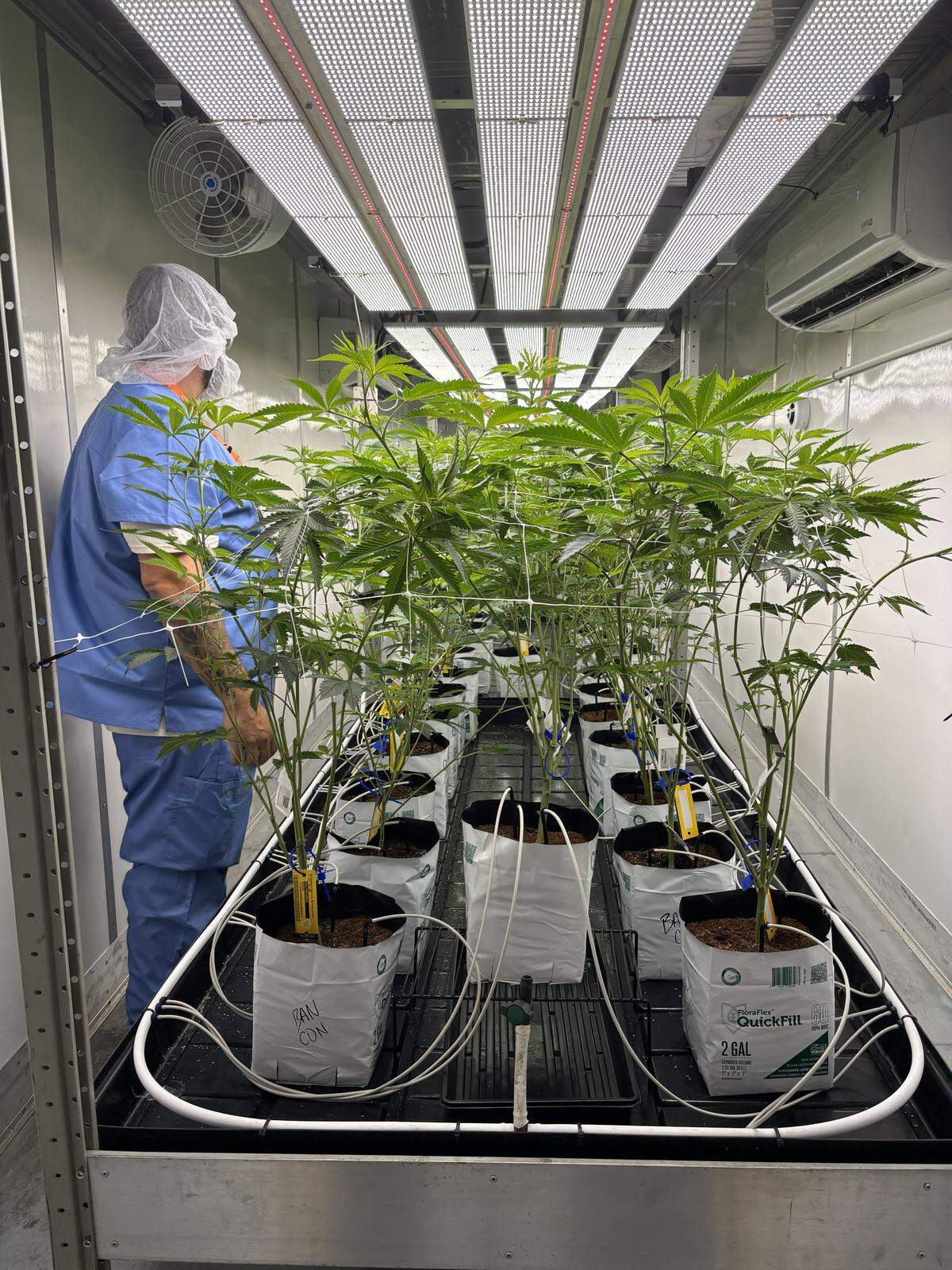
The newly opened VS Kentucky Ops is currently in the first phase of its development, which includes a growing operation of roughly 1,500 square feet and about 250 plants.
With its current setup, it can harvest about 40 to 50 pounds of finished flower a month, which must be turned into dispensary products by a separate processor business.
Phase 2 construction at the facility, located at 900 John C. Watts Drive in Nicholasville, is underway to expand the operation to its full capacity of 10,000 square feet of growing space.
Tier 1, 2 and 3 cultivator licenses enable growing operations of up to 2,500, 10,000 and 25,000 square feet, respectively. VS Kentucky Ops is a tier 2 cultivator.
Employees said the growing operation is working to scale up to its full capacity within eight months.
The life cycle of a marijuana plant
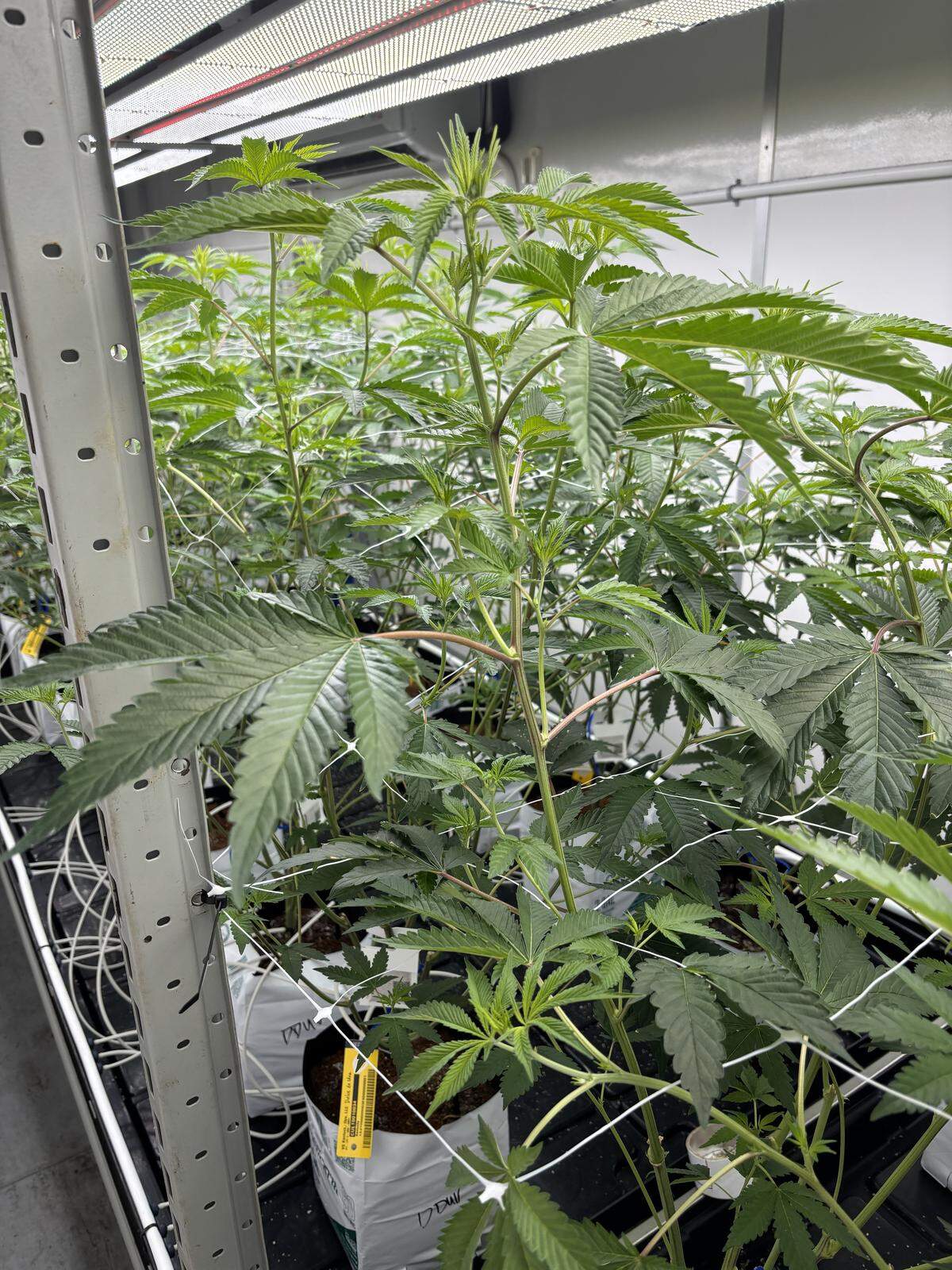
The warehouse-style building has been retrofitted with growing bins. Four rooms that resemble shipping containers are dedicated to flowering plants, while two other rooms are for vegetating plants and drying the harvest.
.jpeg "IMG_6150 (1).jpeg")
The cultivator is using cloned plants to both speed up production and carefully control their genetics.
To access the facility, visitors and staff must suit up in disposable coveralls, hair and beard nets and shoe covers. They must also take a biosecurity foot bath and spray their feet with an alcohol solution to avoid spreading pathogens to the plants.
The growing process begins with a mother plant that matures for five to seven weeks, David Del Pilar, the facility’s cultivation manager, said Monday. The mother plants get 18 hours of light under the facility’s carefully controlled grow lights, and after at least five weeks, they’re ready to give cuttings.
The cuttings, which are genetic clones, are placed into rooting trays and kept under humidity domes. They’re later transferred to coconut husks for the rest of their cycle. The facility uses hydroponics, not living soil, Del Pilar said.
.jpeg "IMG_6135 (1).jpeg")
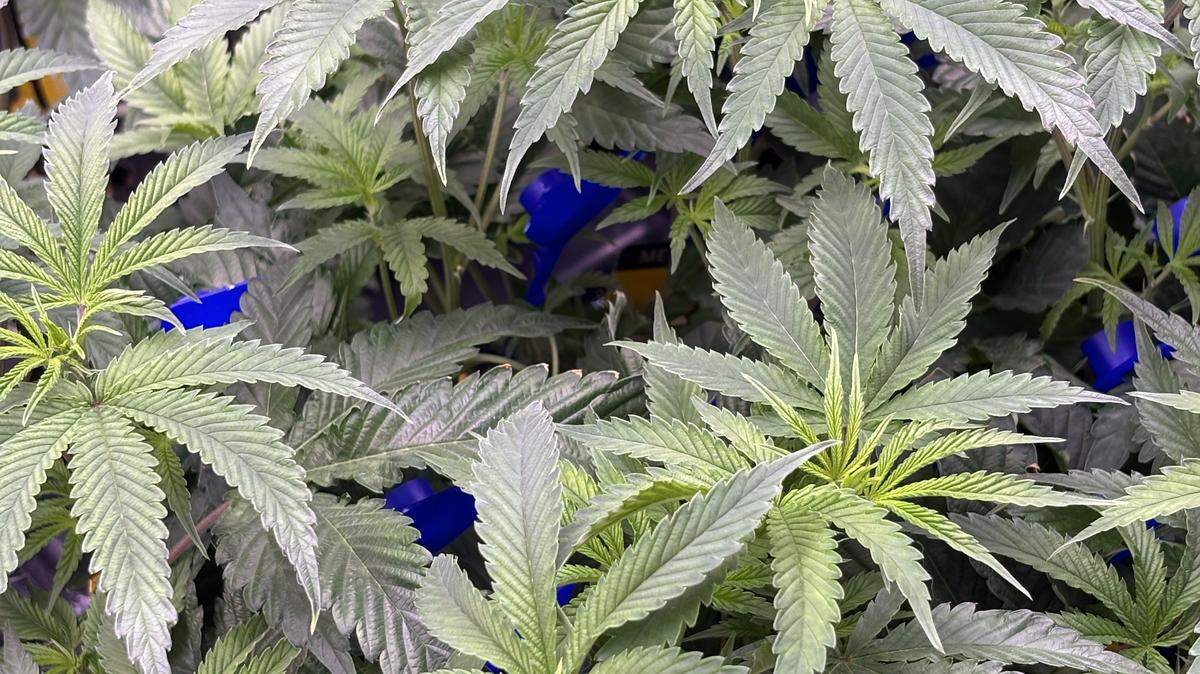
After two weeks, the clones taken from the mother plant switch to a shorter day/night cycle. They get 12 hours of light and 12 hours of darkness, Del Pilar said. This shorter cycle prompts the plants to flower. The flowering stage lasts nine weeks before the plants are ready for harvest.
All told, the process to take a clone to harvest takes about 14 weeks, though in some cases, it can take longer, Del Pilar said.