Ronald Exantus will be freed from KY prison again. We explain when, why and how.
AI-generated summary reviewed by our newsroom.
- Ronald Exantus is scheduled for release from Kentucky State Reformatory on July 29.
- A jury found Exantus not guilty by reason of insanity in Logan Tipton’s 2015 murder.
- House Bill 422 (Logan’s Law) passed in 2026 and addressed future cases like Exantus’.
Ronald Exantus is scheduled for release from Kentucky State Reformatory on July 29, having finished a shortened version of his 20-year sentence after he broke into a Versailles home in 2015, stabbed 6-year-old Logan Tipton to death and wounded Logan’s father and sister.
The handling of Exantus’ criminal case has been hugely controversial, generating headlines across the country and criticism from the White House.
Here are answers to questions Kentuckians might have.
Didn’t Exantus already get out of prison?
Yes. Exantus was released from prison about eight months ago, on Oct. 1, 2025, on the state’s mandatory reentry supervision program. That outraged a lot of people.
But he was rearrested in Florida 12 days later for violating the terms of his release by failing to register in that state as a convicted felon.
Why did the Kentucky Parole Board release Exantus early, given the seriousness of his crimes?
It didn’t, although it got a lot of hate mail over the case. In fact, the Parole Board voted to keep Exantus behind bars and make him serve out his full sentence.
The mandatory reentry supervision program is only available to Kentucky inmates denied traditional parole release as they near the end of their sentence. The idea behind the program was that certain inmates should not just be released onto the streets. Instead, it’s better for parole officers to keep an eye on them for the final months of their sentence.
Why would someone who killed a boy in his own home only get a 20-year prison sentence?
Exantus didn’t go to prison for the murder of Logan Tipton.
In 2018, a Fayette Circuit Court jury found Exantus not guilty by reason of insanity on a murder charge in Logan’s death, absolving him of criminal responsibility. Then it found him guilty of the less serious charges of second- and fourth-degree assault for his attack on other Tipton family members.
The unusual split verdict was appealed to the Kentucky Supreme Court, which upheld it.
If Exantus was sentenced to 20 years, how did he finish his time 11 years after the crime?
The original expiration date of Exantus’ prison sentence was Nov. 24, 2035, or about 20 years after he was placed in jail following his attack on the Tipton family. Inmates usually get credit for time they spend in jail prior to being convicted and transferred to prison.
However, Exantus shaved years off his sentence with a combination of credits for good behavior while in prison and participation in multiple educational and work programs. Like most states, Kentucky offers this incentive to inmates not only to help reform them but also to keep them more manageable while incarcerated.
After the controversy last year when Exantus was first released, didn’t the Kentucky legislature change the law? Why is he still going free?
There isn’t much the legislature can do about a particular criminal case once the defendant has been convicted and sentenced. There’s a legal principle, the ex post facto doctrine, that says you can’t change the consequences for an action that’s already taken place. You can only look ahead to the future.
After some debate, the 2026 General Assembly earlier this year passed House Bill 422, known as “Logan’s Law,” to address some of the circumstances raised by the Exantus case.
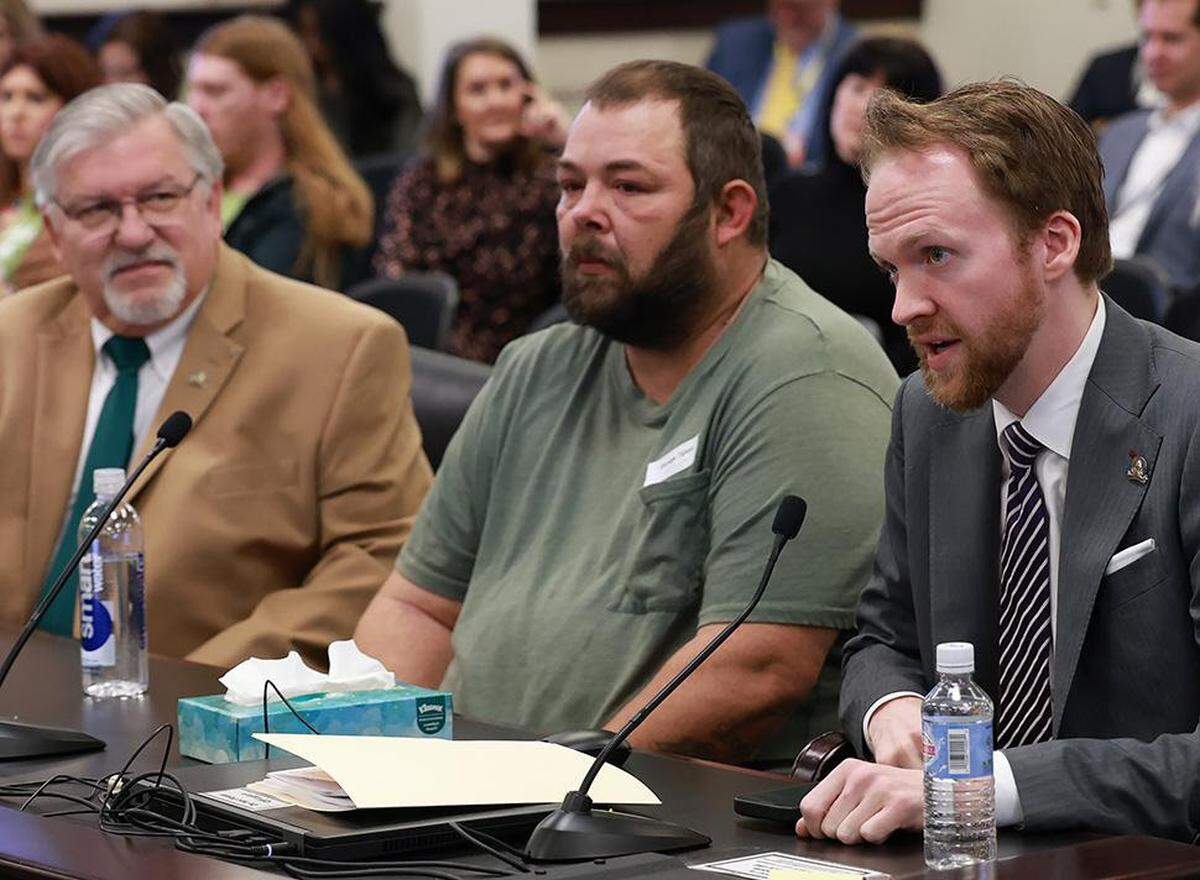
The new law restricts who is eligible for the mandatory reentry supervision program, eliminating repeat violent offenders and those sent back to prison for previous violations of early release. It instructs the Kentucky Department of Corrections to collect data and publish an annual report on the early release program.
Additionally, it sets new rules for insanity pleas in criminal cases, establishing that a jury can’t find a person was sane for one part of a criminal act but insane for a different part.
And it allows for the involuntary hospitalization in a psychiatric facility of a person, once their sentence ends, if they were found guilty but mentally ill and a treating physician decides they need further treatment.