
UK investigation into fraternity death finds ‘deeply ingrained culture’ of alcohol, hazing
READ MORE
UK fraternity investigation
A report from the University of Kentucky found multiple instances of hazing and a “deeply ingrained culture of alcohol” in the FarmHouse fraternity during the semester that a new member died.
Expand All
Drinking, slurring, stumbling: Timeline of events the night a UK fraternity member died
UK investigation into fraternity death finds ‘deeply ingrained culture’ of alcohol, hazing

Family of UK fraternity member who died last year calls for anti-hazing laws in Kentucky
A UK student’s death shows again: Too many tragedies surround too many fraternities.
While investigating the death of student Lofton Hazelwood last year, the University of Kentucky found that multiple instances of hazing took place within the FarmHouse fraternity over the course of the fall 2021 semester.
The hazing included, but was not limited to: forced consumption of food, alcohol or drugs; personal servitude; physical or psychological shocks; and degrading or humiliating games and activities, according to a report from the UK Office of Student Conduct. Chapter officers were aware of the hazing, and were present and engaged in several of the hazing instances.
“The deeply ingrained culture of alcohol and hazing behaviors within FarmHouse Fraternity shows a clear lack of understanding and disregard for University policy and has created an environment that has had a significant impact on the University of Kentucky community,” the report from the UK Office of Student Conduct said.
The University of Kentucky conducted interviews with more than 20 members of the Farmhouse fraternity, whose identities were redacted from the report, in the weeks after Hazelwood’s death, which were used to compile the report.
The Herald-Leader requested records related to Hazelwood’s death and the university’s investigation during the week of Oct. 18, 2021. Multiple public records requests were made over the course of several days following the incident, including information about the FarmHouse fraternity’s disciplinary history, video and security footage, and communication between the university and the fraternity in the days after Hazelwood’s death.
UK released its initial findings last December, and the full report was given to the Herald-Leader in October.
The report includes the university’s findings about hazing and drinking culture at the FarmHouse fraternity, as well as the recommendation to charge the fraternity with breaking four university policies.

After Hazelwood’s death, the fraternity was suspended while the university conducted an investigation. Later in the fall 2021 semester, the FarmHouse fraternity’s status as a student organization was revoked by both UK and the national FarmHouse chapter. Members who lived in the fraternity house were required to move out.
The national FarmHouse chapter issued a no-contact order, which meant that all members of the UK chapter could have no association with the fraternity for seven years. The national leadership of FarmHouse encouraged all members to cooperate with the investigations.
“We are saddened to share the passing of a University of Kentucky new member of FarmHouse Fraternity. Our thoughts and prayers go out to his family, chapter members and the entire community,” FarmHouse Fraternity CEO Christian Wiggins said in a statement to the Herald-Leader last year.
After 18-year-old Hazelwood died, the university suspended new member activities and required fraternities to go through training on bystander intervention and hazing prevention.
Instances of hazing happened throughout the semester, and some were annual events, a report from UK found.
Greek life terms defined
Within the report from UK, several terms specific to fraternities and sororities are used. To help you understand the findings of the report, here are some commonly used terms and their definitions:
- Active member: A current member of a Greek organization.
- Hazing: The UK hazing prevention policy defines hazing as “Any action or situation created by a member of the University Community against another member of the University Community for the purpose of affiliation with a group or organization that: (a) Is negligent or reckless in nature; (b) Is humiliating or endangers an individual; or (c) Unreasonably interferes with scholastic or employment activities.”
- FarmHouse: The FarmHouse Fraternity was founded at the University of Missouri in 1905 by a group of men who were studying agriculture. The University of Kentucky chapter was founded in 1951, according to UK’s Interfraternity Council website.
- Pledge: A new member of a Greek organization who is going through the process of joining the organization.
- Pledging: The orientation process of joining a fraternity or sorority, usually lasting over the course of several months. Pledges or new members are taught about the fraternity and Greek life during that time.
New members left on a farm without phones
One hazing instance was a “camp out,” an event that took place each semester. Active and new fraternity members traveled to a different farm each semester, usually owned by an active member or active member’s family. The camp out is typically the first time new members all gather together, according to the report.
New members were told that they will be staying the night and to dress warmly, but were not allowed to bring any camping equipment.
In 2021, the event took place around 7 p.m. Sept. 24.
The farm was located 90 minutes from UK. Members were taken to a field, about 100 yards away from a barn, and told to get to know each other. Their phones were taken by active members, with two people being allowed to keep their phones because of medical conditions.
They were given wet firewood, two packs of hot dogs, water and a lit cigarette, and were told to light a fire. One of the pledges left in the field was a member who had previously graduated, and he was left with his cell phone.
New members were told they would be left in the field throughout the night, while active members went to dinner off the farm. A few active members stayed behind in the barn area.
Later in the night, active members returned to the farm and new members were given challenges, including quizzes about their fellow new members, a spelling bee of “’fratty’ words,” and a ropes course activity.
“Actives were described as yelling at new members while being questioned,” according to the report from UK. “After asking questions and new members not being able to answer correctly, the active members left again, telling new members they will be back in the morning.”
Members returned after 15-20 minutes, and new members were taken to Cook Out for food, before returning to UK around 3 a.m.
“One new member was described as having an ‘adverse reaction’ to this event,” according to the report. “The new member was described as having really bad anxiety while this was occurring and was observed crying during the event.”
Early morning exercise sessions
Another instance was a “PT” session, which new members were required to attend throughout the semester, according to UK’s investigative report.
If new members did not complete an assigned task, they would be required to go. It typically involved members doing a physical activity, like push-ups, sit-ups or wall sits. Previous semesters also included running.
These sessions would take place at 8 p.m. after chapter meetings or at 6 a.m. before classes began. While members were exercising, they would be quizzed on fraternity history and information. If members could answer questions correctly, the session would end early.
According to the report, there was differing information from members on if PT sessions had occurred that semester. At an interim joint committee on judiciary meeting earlier this year, Hazelwood’s mother said he had been required to participate in a PT session during the fall 2021 semester.
Scavenger hunt, required roles for new pledges
FarmHouse also had a scavenger hunt for new members, which included activities such as:
Flipping a port-a-potty with a new member inside
Putting a whole can of dip in their mouth
Drinking a bottle of hot sauce and a 40 ounce beer
Taking a picture in a police car
Shotgunning a beer with a homeless person.
If members did not complete the required number of activities in the scavenger hunt, a PT session would be held at 6 a.m. the next day. New members would have to send a photo or video of them completing the task to the chapter.
When off-campus parties were held, new members were asked to help set up for the parties and clean up after. They were also expected to be “sober monitors, bartenders and bouncers during the party,” according to the report from UK.
New members were not allowed to be designated drivers, but members of the previous new member class would drive active members to and from the parties.
New members also had different assigned roles, most of which were meant to be humorous. One member was required to send a daily weather report video to the chapter. Another member was given a brick and “was required to walk the brick around the chapter facility as if it were a dog,” with pictures sent to active members, according to the report.
Other roles involved bringing food or doing laundry for active members.
The fraternity kept a “point system,” used to encourage new members to participate in events. They were given a weekly total of points to achieve, but could lose points for not completing tasks. The points, however, were arbitrary, members said, and there were no repercussions for not reaching the total.
The investigation also found that members of FarmHouse were aware that drinking alcohol was not allowed in the fraternity house, yet continued to do so.
According to the university alcohol policy, alcohol is not allowed to be consumed in undergraduate housing that is owned by the university, which includes the FarmHouse fraternity house. According to the report, the new member educator and the house manager were aware that alcohol was being consumed in the house, but no referrals had been made to the chapter’s judicial board.
“Based on the information gathered through the investigation interviews, it does not appear that new members were coerced, forced, or required to consume alcohol on October 18, 2021, in the chapter facility,” according to the report. “There was at least one new member present in the room who was not consuming any amount of alcohol during the incident that occurred in the chapter facility. However, what is unclear is how an environment may have been created that made new members feel that they were expected to consume alcohol prior to chapter serenade events.”
Will change come?
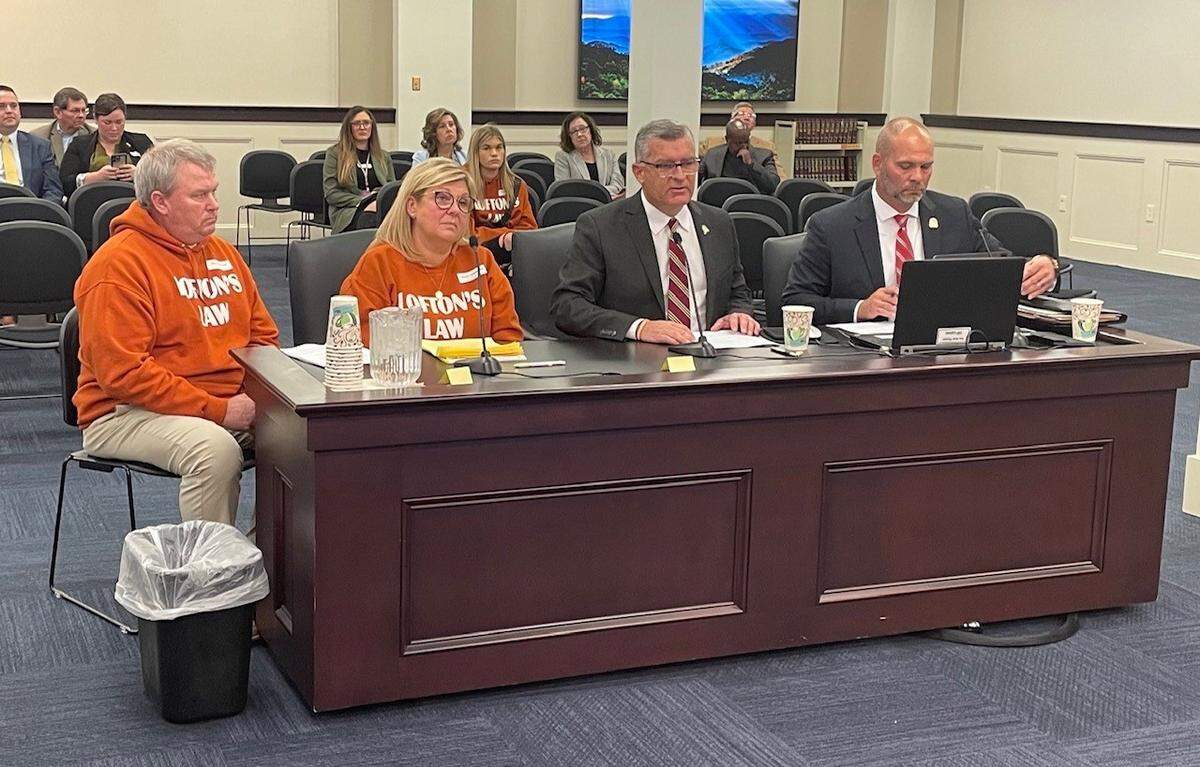
This October, Hazelwood’s family testified before a general assembly committee calling for new anti-hazing legislation to be passed in Kentucky.
In a bill request, intentionally participating in hazing that results in serious physical injury or death to another minor or student would become a Class D felony. It would also make participation in hazing a Class A misdemeanor. The bill would be called Lofton’s Law in honor of Hazelwood.
Hazelwood’s mother, Tracey Hazelwood, said she hopes this law will prevent future deaths from hazing in Kentucky.
“I beg that you please consider this bill,” Hazelwood said. “We need Lofton’s Law in place as soon as possible. It’s not going to bring my son back, but it might save somebody else’s son.”
This story was originally published December 15, 2022 at 10:00 AM.