Prehistoric ocean giant — a right whale ancestor — found as new species in Japan
The largest animal thought to ever live is swimming through the world’s oceans today.
Blue whales can reach lengths of 100 feet, but one of their smaller relatives isn’t too far behind.
Right whales, from the family Balaenidae, include four living species of endangered whale that can reach more than 60 feet long and have existed for about 20 million years.
Small right whale ancestors date back to the early Miocene Epoch, but a 9-million-year gap in the fossil record makes it unclear how these smaller ancient relatives became one of the largest whales in the ocean.
Now, after a set of fossilized remains was found along a river in Japan, a new species of prehistoric right whale has been discovered.
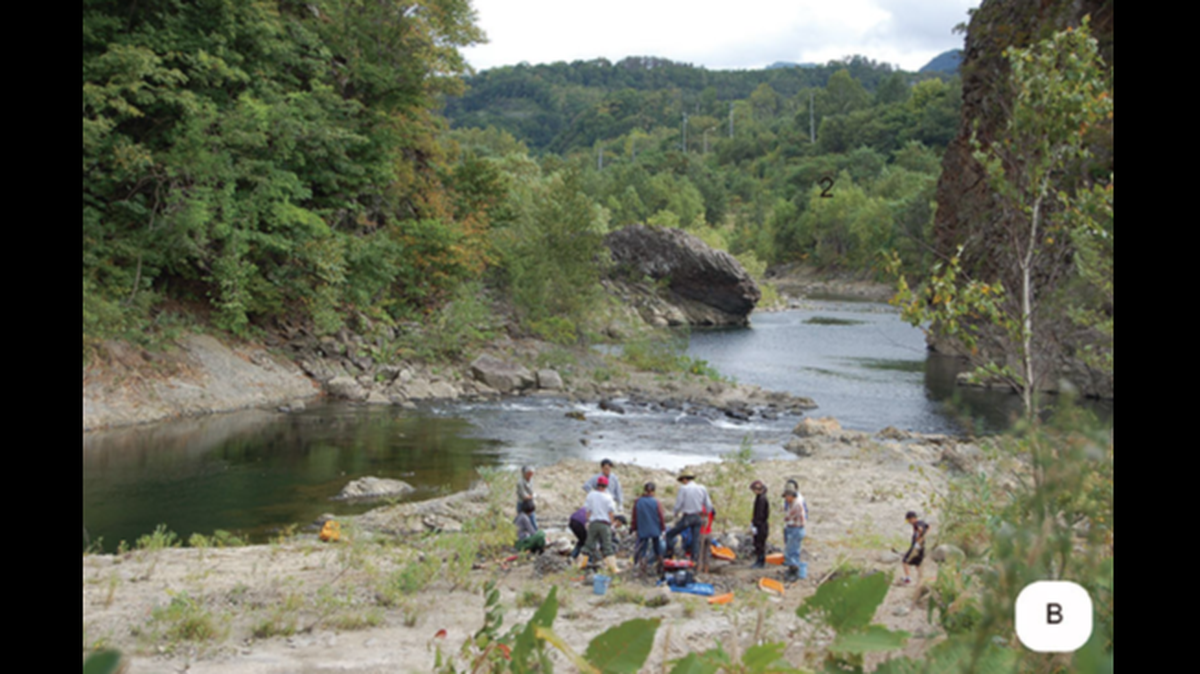
The fossils were first discovered on Oct. 10, 2008, by local Kazuhisa Mori in the riverbed of the Toyohira River in Sapporo City, Hokkaido, Japan, according to a study published Aug. 20 in the peer-reviewed journal Palaeontologia Electronica.
The find was reported to the Sapporo Museum Activity Center, and a research team then spent the better part of a decade carefully removing the bones from the sediment.
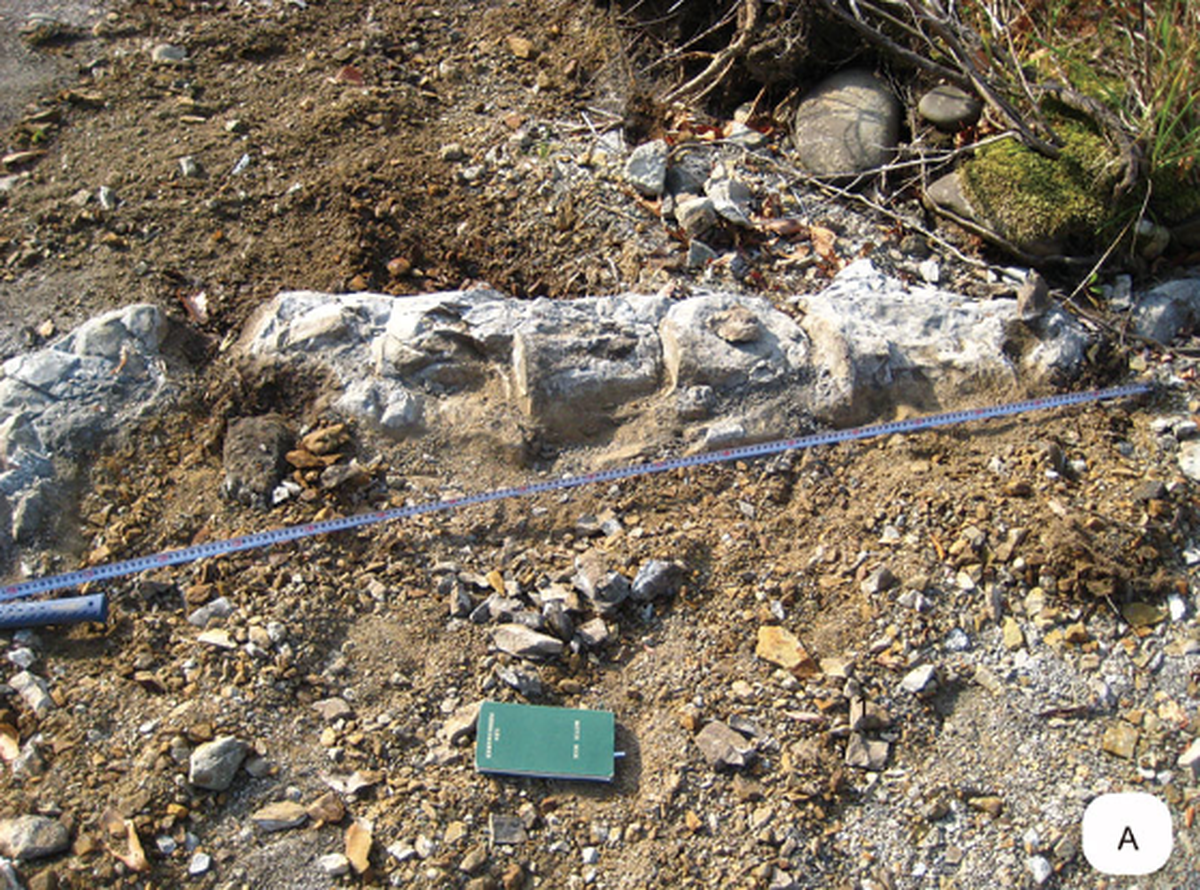
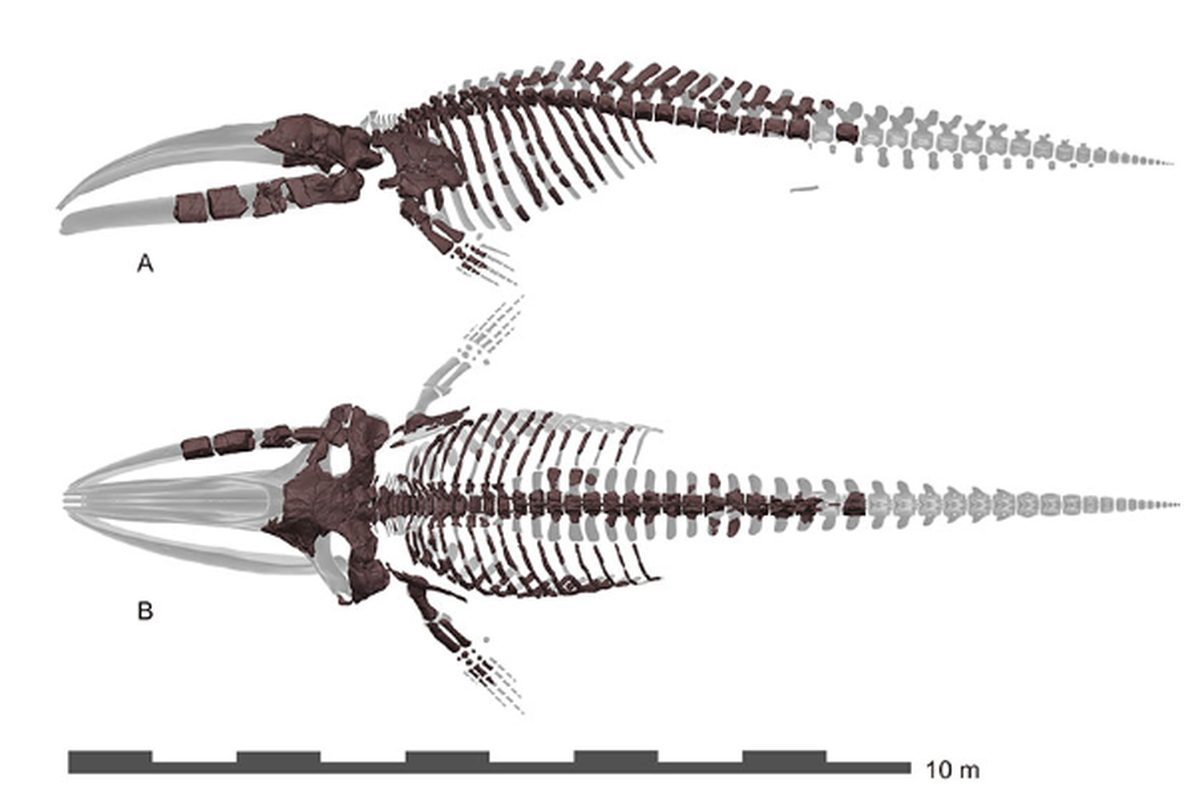
The fossils include the back half of the skull, a significant portion of the spines, parts of rib, shoulder blades, and bones of the front flipper, according to the study.
The skull pieces allowed researchers to identify the whale as part of the Balaenidae family, or right whales that use baleen to feed. Baleen is a specialized type of bone that protrudes from the jaws like teeth and is used to filter small critters from the ocean water to feed.
Other features of the bones, from vertebrae to sections of the jaw, were unique to this fossil, marking it as not only a new species but also the first species in its genus, or a group of species that share similar physical characteristics and an evolutionary history.
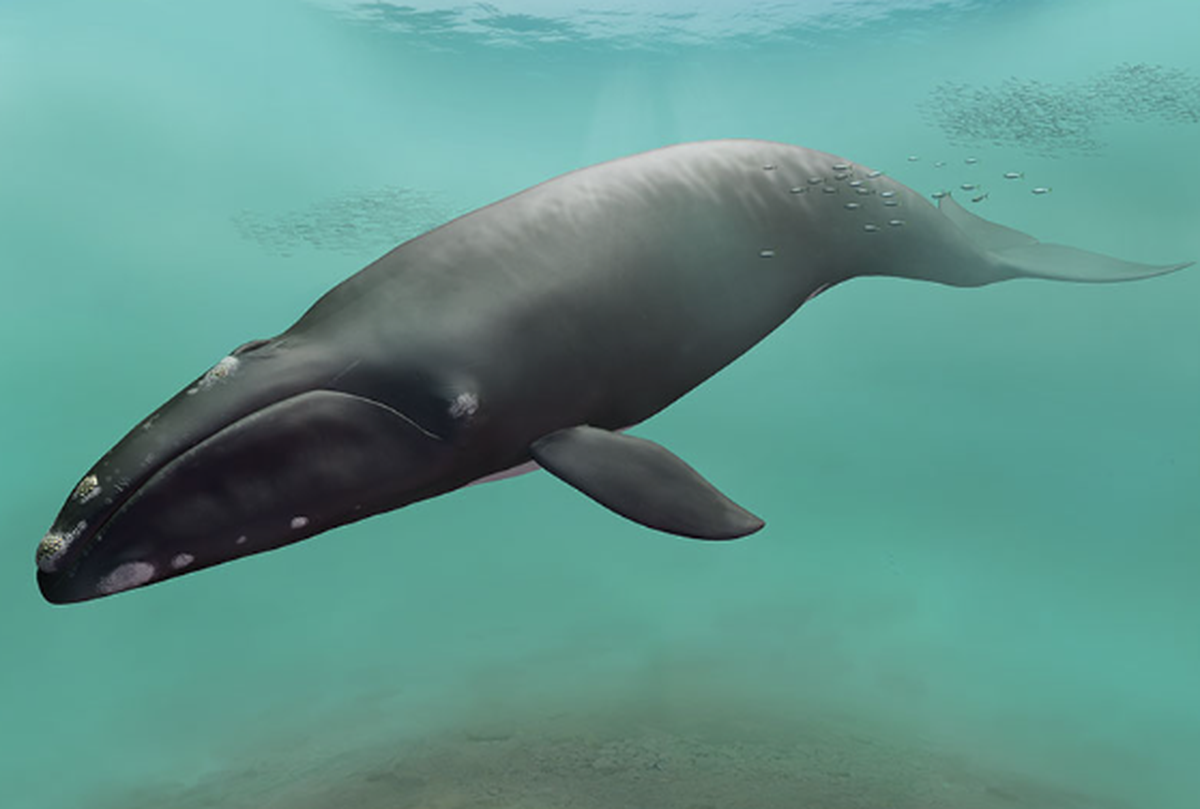
The new species was named Megabalaena sapporoensis, or the great Sapporo right whale.
“The generic name, Megabalaena, is named derived from ancient Greek megas meaning great, large and mighty, and the type genus name of the family Balaenidae,” researchers said. The species name was given for where the bones were found in Sapporo City.
Researchers used formulas in combination with measurements of the fossils to estimate how large the ancient right whale might have been.
The great Sapporo right whale was likely just over 41 feet long, according to the study, classifying the species as a “large” right whale.
The group of baleen whales range in size from small, less than 16 feet long, all the way to “gigantic,” measuring more than 45 feet, researchers said.
The fossils date to 9 million years ago, in the middle of the gap between known balaenids which spanned from 15 million years ago to 6 million years ago, according to the study.
“Currently, M. sapporoensis partly fills the Miocene gap of balaenids, and emphasizes that the origin of gigantism is chronologically deeper than previously considered,” researchers said.
Aside from understanding when the whales began to get larger, researchers said the new species also marks when the flipper shape of ancient right whales changed from slender to the robust flippers seen in living species.
Modern right whale flippers are “paddle-like” and work best for slow speed maneuvering, according to the study, so there is a chance the older right whales, with their slender flippers, swam differently.
Sapporo City is on the western coast of the northern island of Japan.
The research team includes Yoshihiro Tanaka, Toshiyuki Kimura, Tatsuya Shinmura, Hiroto Ohira and Hitoshi Furusawa.
This story was originally published September 22, 2025 at 2:38 PM with the headline "Prehistoric ocean giant — a right whale ancestor — found as new species in Japan."