Medical groups say Bevin’s Medicaid changes could harm or kill, ask judge to block it
The American Medical Association and a dozen other national groups representing doctors, hospitals, the elderly and the disabled are asking a federal judge to again strike down Gov. Matt Bevin’s tougher eligibility rules for Kentucky’s Medicaid program, which are set to take effect April 1.
“Many unemployed and underemployed beneficiaries will simply lose coverage. All will face higher barriers between them and the medical treatment they need. And some could get sicker and even die prematurely,” the AMA and other organizations wrote last week in a “friend of the court” brief.
“Far from yielding better health outcomes and reducing dependence on government programs, (the new rules) will harm the health of Kentucky Medicaid beneficiaries and increase health care provider and government expenditures in the long term,” the groups wrote.
In the case at hand, 16 Kentucky Medicaid recipients are suing the federal government to stop Bevin from adding 80-hour-a-month work requirements, premiums, six-month coverage lock-out periods and monthly reporting duties for able-bodied adults in the state’s $9.7 billion-a-year Medicaid program.
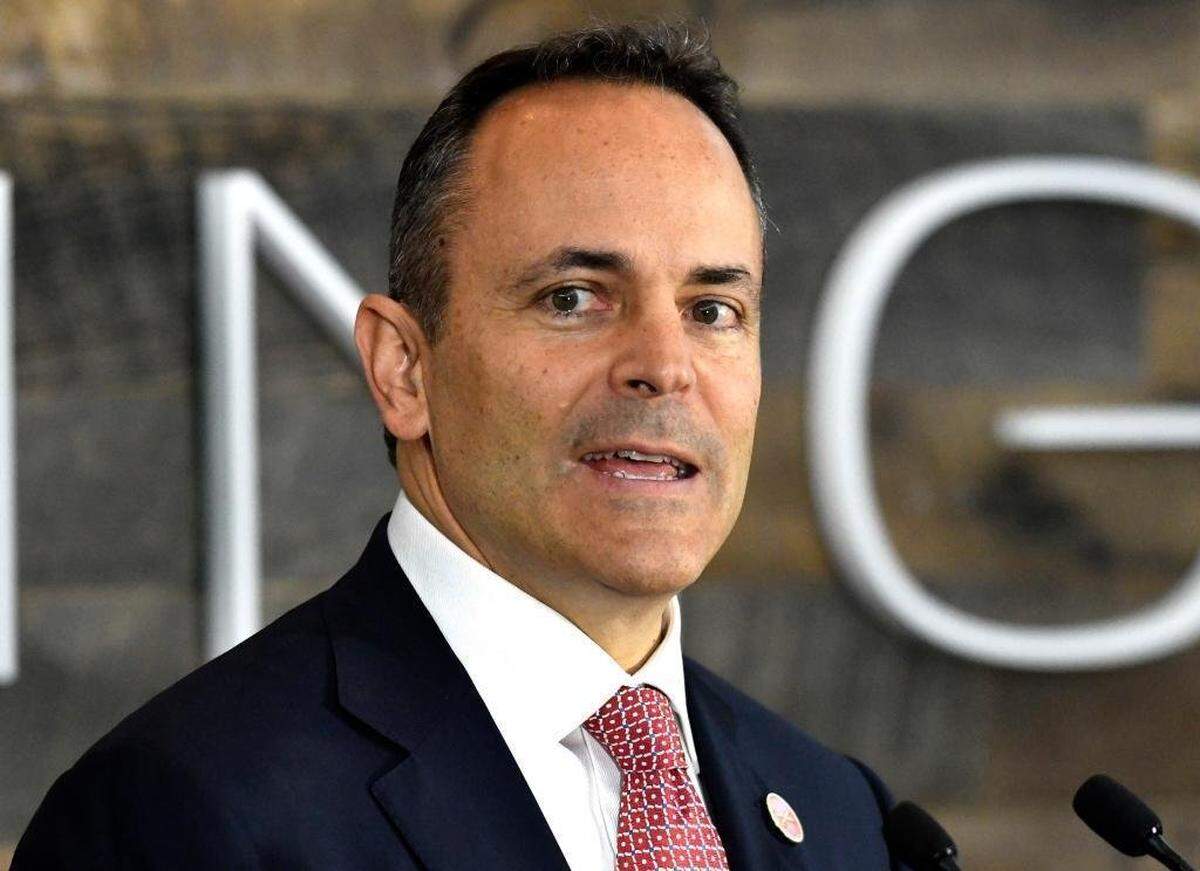
A similar group of plaintiffs successfully blocked Bevin’s Kentucky HEALTH initiative last June.
U.S. District Judge James Boasberg in Washington, D.C., halted the roll-out, ruling that the federal government “never adequately considered whether Kentucky HEALTH would, in fact, help the state furnish medical assistance to its citizens, a central objective of Medicaid. This signal omission renders (the government’s approval) arbitrary and capricious.”
However, in November, the U.S. Centers for Medicare and Medicaid Services re-approved Bevin’s Medicaid waiver proposal with minor changes, prompting an amended lawsuit to be filed this month, again in Boasberg’s court in Washington.
Among the outside groups weighing in so far against Bevin’s plan are the AMA, the American Psychiatric Association, the Catholic Health Association of the United States, the American Academy of Pediatrics, the American College of Physicians, AARP, the National Academy of Elder Law Attorneys, and the Disability Rights Education and Defense Fund.
In their submitted briefs, the groups say tens of thousands of Kentuckians unfairly will be pushed out of Medicaid as the state charges premiums from people living near the poverty line; makes them search for work or volunteer positions even in poor, rural communities where few such opportunities exist; and requires them regularly to report their shifting hours and wages to a state agency, or else be locked out of their coverage.
One big change under Kentucky HEALTH will be the loss of non-medical transportation coverage, which pays for people to travel from their home to doctor’s appointments and lab tests, said the AMA and other groups in one of the briefs. In the first year that Kentucky expanded Medicaid to 454,000 low-income adults, in 2014, the program covered the cost of about 140,000 non-emergency trips.
An estimated 11 percent of Kentuckians who will be affected by the Medicaid changes do not have access to a vehicle, according to the AMA brief. And many counties don’t have public transportation. So even if they keep their Medicaid plan, these people won’t be able to reach their doctors on a reliable schedule, the groups said.
That poses a substantial risk, the groups said. The preventive care that Kentuckians get from regular doctor’s appointments has been a major benefit of the decision to expand Medicaid. Kentucky’s program has seen a 30 percent increase in screenings for breast cancer and a 16 percent increase for colorectal cancer, saving both lives and money, because the cost of advanced cancer treatment is exorbitant, they said.
“Preventive services are especially important for Medicaid-eligible adults because they have significantly higher rates of chronic conditions and risky health behaviors that may be more amenable to preventive care than other adults,” the groups warned. “This is particularly true in Kentucky, which leads the nation in cancer deaths, ranks seventh in rate of diabetes and has the fifth-highest rate of premature death.”
The groups said that at least one in three of the so-called “able-bodied adults” who will be expected to find work has serious health problems that could be an obstacle to regular employment — even if they are not classified as disabled by the federal government — and many live in one of Kentucky’s economically distressed counties where there are more people than jobs. Either way, “handcuffing Medicaid eligibility to employment will lead to worse health outcomes,” they said.
“Although Kentucky exempts the ‘medically frail’ from its new work requirements, the commonwealth’s definition of this term leaves many important questions open,” the groups said.
“For example, it is unclear whether cancer survivors are included in the definition of medically frail. The breadth of that definition is incredibly important, given that many non-working, non-exempt beneficiaries have physical limitations that make it difficult to do everyday tasks, such as walking, climbing stairs and running errands. Even under the most generous definition, however, thousands will fall through the cracks and be deprived of coverage.”
More than 1.3 million Kentuckians were enrolled in Medicaid last fall, about 30 percent of the state’s population.
Bevin has promoted Kentucky HEALTH by saying that able-bodied adults on Medicaid will be healthier if they are engaged in their communities as workers, volunteers or students, and if they contribute toward the cost of their care. Monthly premiums would begin at $1 to $15, eventually topping out at $37.50.
“This idea that we are somehow punishing people — that somehow this will be a detriment to people — I think is a huge, huge misunderstanding of what people need, the dignity and the respect that comes from giving people an opportunity,” Bevin told reporters last year.