House bill would change how Kentucky’s pension debt is paid, with winners and losers
Lawmakers are pushing a proposal to change how the state pension system — and its $14.2 billion unfunded liability — is supported in the future, with some public employers paying less than they presently do and others paying more.
The new model would charge public employers based on their proportionate share of the fund’s liability, rather than continuing to charge everyone the same flat rate.
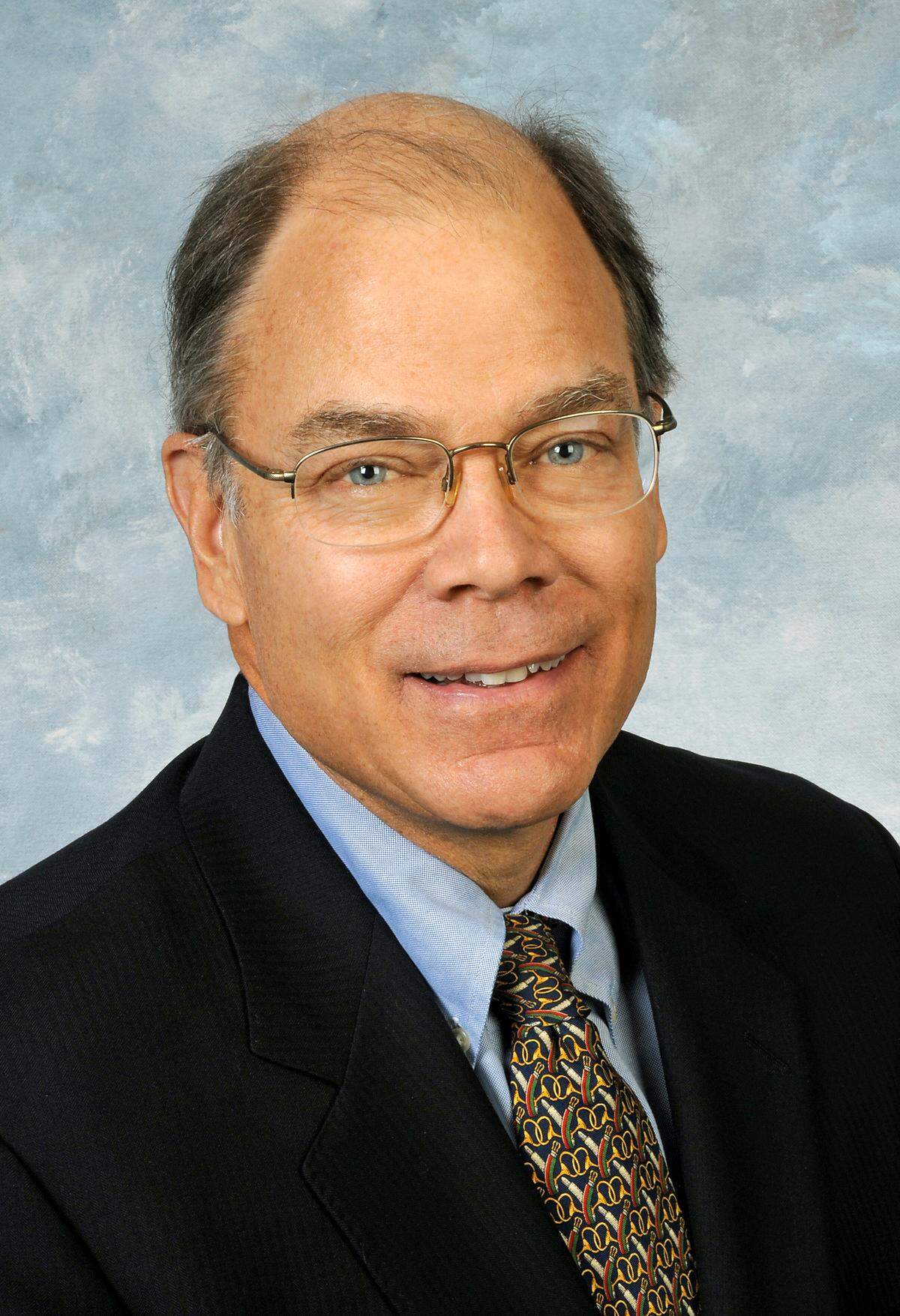
“Under this bill, there will be winners and there will be losers,” said state Rep. Joe Graviss, D-Versailles, one of the bipartisan trio of sponsors of House Bill 171, which the House State Government Committee unanimously approved on Thursday.
The Lexington-Fayette County Health Department, for example, would owe $321,619 more per year under the new pension payment model, while Eastern Kentucky University in Richmond would owe $2.4 million more, according to an actuarial analysis included with the bill.
But the Kentucky Community and Technical College System would owe $6.2 million less. The Montgomery County Health Department would owe $450,671 less — a 31 percent drop from what it otherwise could expect to pay next fiscal year.
Currently, the Kentucky Retirement Systems instructs public employers enrolled in the state pension fund to contribute a specific percentage of their payroll every year to cover the fund’s expenses, which include paying down its massive shortfall over the next three decades.
That percentage of payroll has exploded because of the worsening pension debt. In 2011, it was 17 percent of payroll. In Fiscal Year 2021, starting July 1, it will be 93 percent of payroll — a more than five-fold increase.
This massive cost burdens not only state government but more than 100 other public employers that also are enrolled in KRS’ Kentucky Employees Retirement System (Non-Hazardous) pension fund, including the regional universities, local health departments, regional mental health nonprofits, rape crisis centers and others.
The legislature agreed to partially shield the regional universities and other agencies for the past two years by capping their pension contribution rates at 49 percent. Gov. Andy Beshear has proposed a two-year extension at 67 percent, but there is evidence that lawmakers’ patience with these rate caps is coming to an end.
The current funding model is impractical, lawmakers said at Thursday’s House committee hearing.
Among its problems, it has encouraged public employers to slash their payrolls — either through layoffs or dumping their workers onto private contractors — so they can shrink their pension payments. And it has made hiring new employees all but impossible for some agencies, lawmakers said.
The House bill would scrap the percentage of payroll model and replace it with a new one. Instead of a flat rate charged to everyone, public employers would pay separate rates based on their determined share of the pension fund’s liability. An agency with more past and present employees enrolled in KRS, who collect a pension or who expect to, would carry a greater liability than an agency with fewer such employees.
Overall, state government’s annual liability would rise by $34.2 million, going from $1.03 billion this year to $1.06 billion next year, according to an analysis. The combined liability of all other public employers in the state pension fund would drop by a corresponding amount, although some individual employers would pay more.
“This is the right way to move,” one of the bill’s sponsors, state Rep. Jim DuPlessis, R-Elizabethtown, told the House committee. “What’s fair is, what each entity owes is what each entity pays. Can we take a roll call on that? You pay what you owe — no more, no less. That’s what this bill does.”
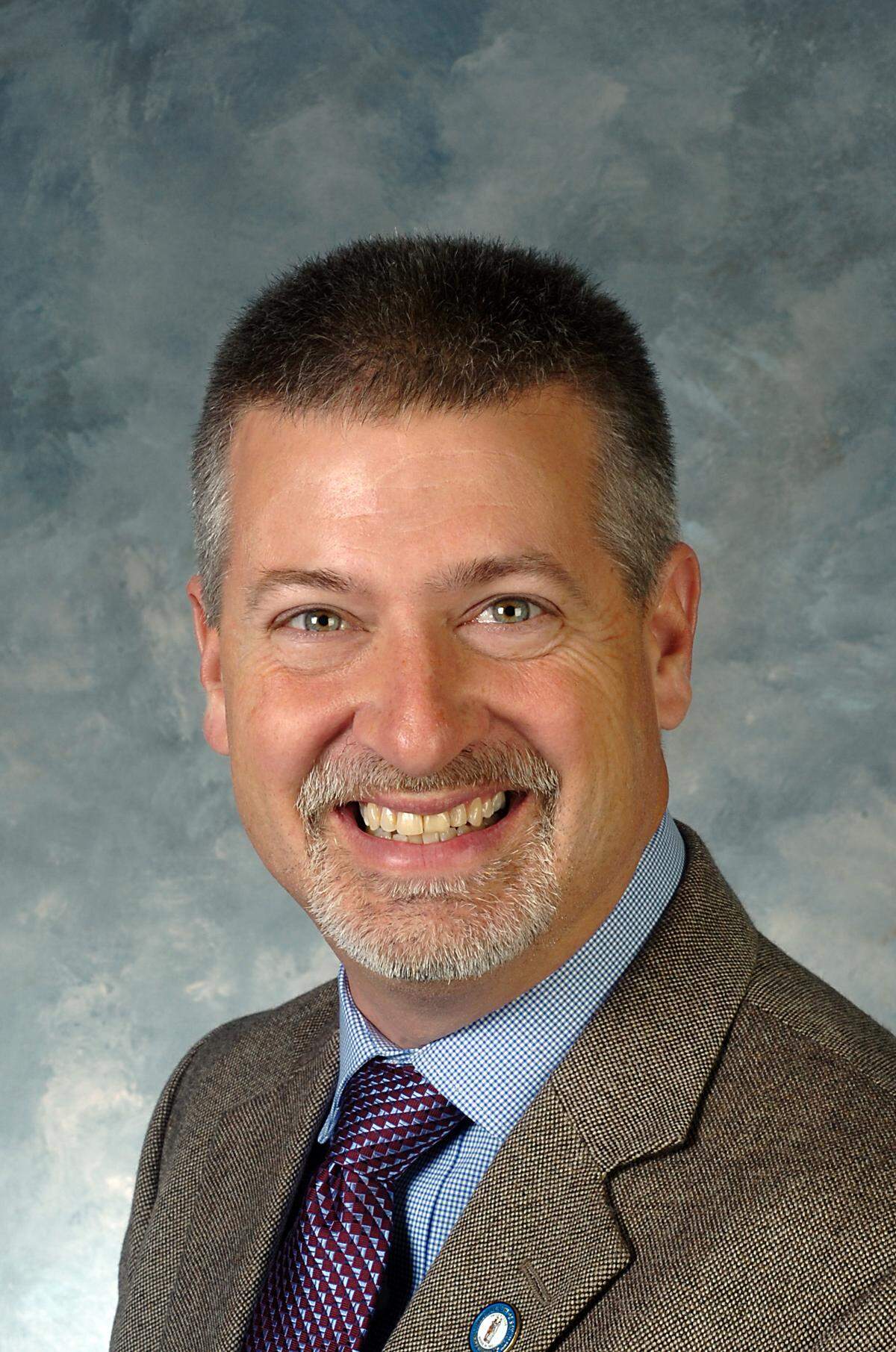
If the bill passes, after July 1, public employers would only have to pay a 10.35 percent payroll contribution for newly hired workers in order to cover their pensions, DuPlessis told the House committee. For past and present workers, the newly established proportionate share payment would cover their pension costs, he said.
“So you can start hiring new employees again,” DuPlessis said. “That rape crisis center that needs a new counselor, it won’t be 93 percent anymore, it will be 10.35 percent. They can afford that.”
Lawmakers said they intend to provide some financial assistance for public employers that owe more money under the new pension funding model.
In his state budget plan, Beshear included $50 million over the next two years to partially subsidize the capped contribution rates for regional universities and other agencies outside of state government. Lawmakers said they will add to that in the budget plan they’re now revising and use it to cushion the blow of higher pension bills.
Some extra money would be made available in the House bill because it would extend the amortization period — the time that the state of Kentucky has given itself to pay down the pension shortfall — by three years.
“We are not going to let any health departments go out of business,” DuPlessis said after the hearing.
In a letter provided to lawmakers, the actuarial consultants to KRS gave their approval for the new funding model. The House bill doesn’t change what KRS is owed, but it seeks to collect it in a smarter way, the consultants wrote.
“We believe this legislation will significantly reduce the (state pension) system’s risk of receiving insufficient contributions because employers will no longer be able to reduce their pension cost by reducing their covered payroll,” GRS Retirement Consulting wrote.