Tracks, top lawmakers, governor want historical horse racing. So what’s the issue?
Legislation filed this week to keep slots-like historical horse racing at Kentucky tracks would seem to have an easy bi-partisan ride.
The top two Republican Senate leaders are behind it, the Republican speaker of the House is for it and Dem. Gov. Andy Beshear is eager to sign it. They all want to find a way to keep the games, also known as “instant racing,” going.
The bill passed out of committee on Thursday and now heads to the Senate floor but it is far from a sure bet because opponents say there is considerable opposition.
Martin Cothran, spokesman for the conservative Family Foundation, which successfully argued to the Kentucky Supreme Court that the existing games are not parimutuel, said he thinks the bill will pass the Senate with the backing of Senate President Robert Stivers, R-Manchester and Senate Majority Floor Leader Damon Thayer, R-Georgetown.
“Obviously, when the Senate President is pushing the legislation, it starts to have a pretty good chance,” Cothran said. “But I think its biggest problem will be the House.”
House Speaker David Osborne, R-Prospect, who owns Thoroughbred racehorses, said Wednesday that he personally supports the bill but would not say if it has broad backing in his socially conservative caucus.
“We’ll see what the Senate does, I understand that there’s a chance that they could move that as early as the first in the week so we’ll continue to have conversations with our members about it,” Osborne said. “I think I know where many if not most of them stand, but we’ve done nothing public about that at this point.”
Conservative opposition to sports wagering
Cothran pointed to last year’s bill to legalize sports wagering, filed by State Rep. Adam Koenig, R-Erlanger, which could not get a majority of the Republican caucus in the chamber.
“I would be surprised to see people who were opposed to sports wagering be in favor of this bill,” Cothran said. “There are a lot of conservative members of the House Republican Caucus who oppose expanded gambling, period.”
Koenig said Wednesday that he thinks the historical horse racing bill is doing better than his sports wagering bill, which passed out of a House committee then stalled.
“I’ve had people say to me basically ‘I’m not a fan of expanded gambling but I’m a fan of jobs.’ They said it in such a way that the jobs are going to win,” Koenig said.
Are there enough of those votes? “I can’t guarantee anything. I hope so, it’s desperately needed,” he said.
Kentucky gambling parlors face closure
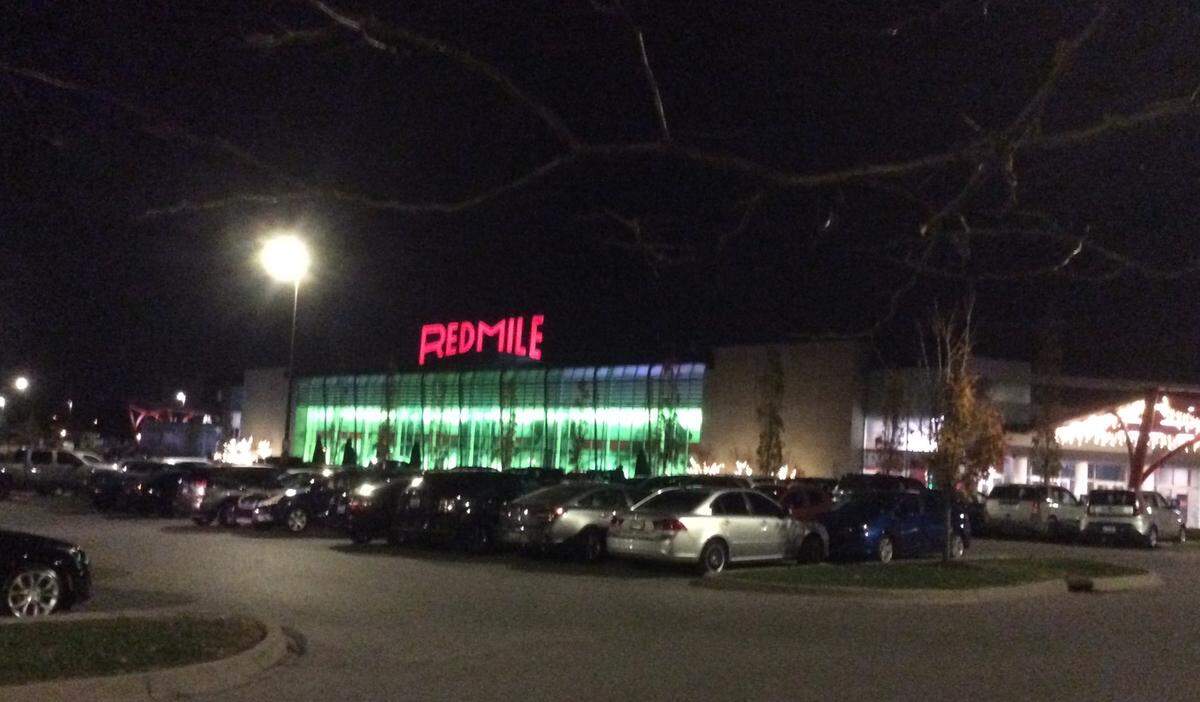
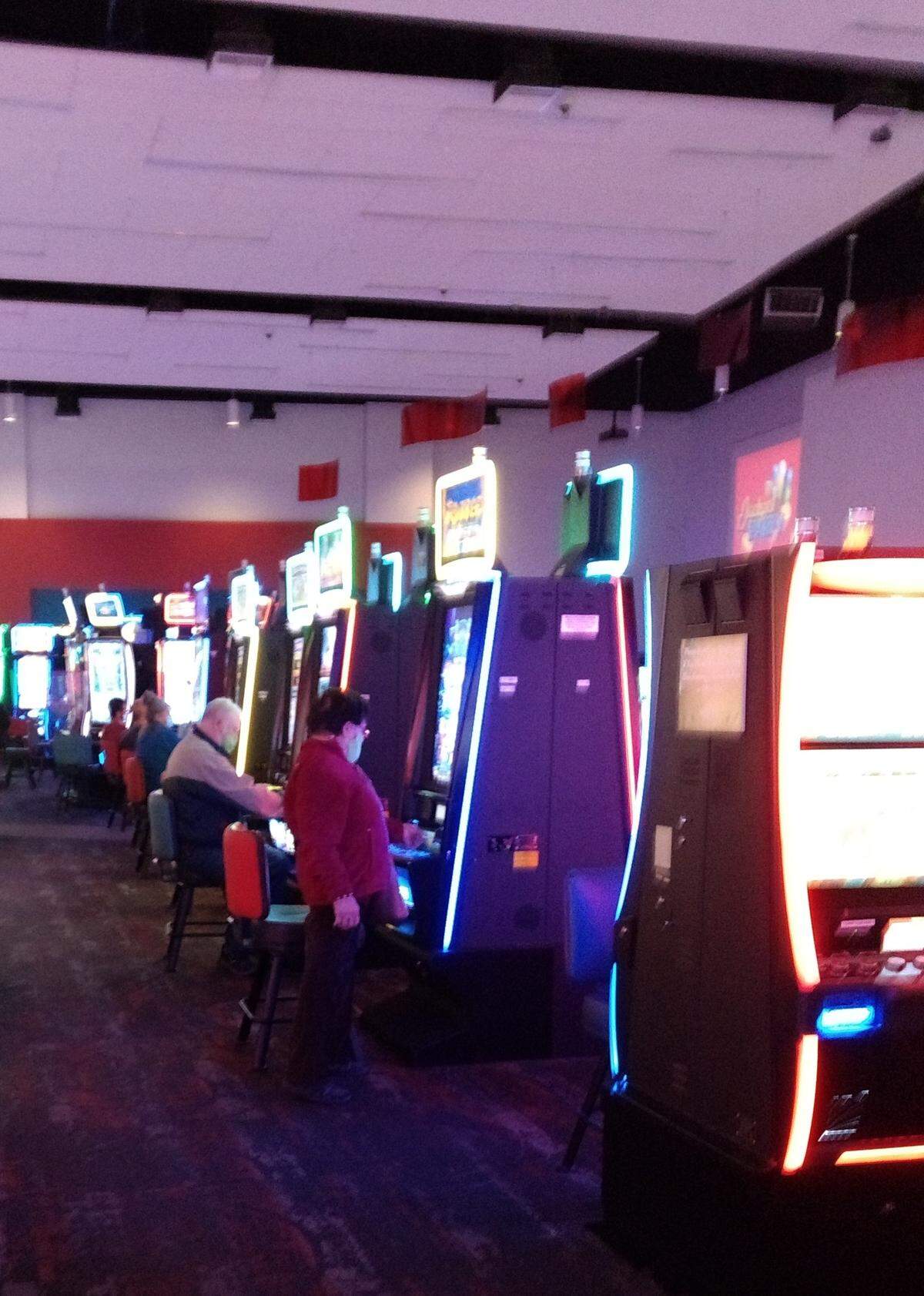
The historical horse racing bill, filed on Feb. 2 by State Sen. John Schickel, would define parimutuel wagering to include the type of bets on the electronic games. The six locations operating thousands of machines likely will have to shut down unless lawmakers act. One, the Red Mile facility jointly owned by Keeneland, already has closed for now.
On Wednesday, Franklin Circuit Court Judge Thomas D. Wingate gave the parties until March 5 to file proposed judgments and responses before he will issue a judgment that conforms with the state Supreme Court’s Sept. 24 opinion that found the games unconstitutional because bettors were not really betting into the same pool to set odds.
Elisabeth Jensen, executive director of the Kentucky Equine Education Project, said that her organization has been “working on this for months,” lobbying lawmakers and marshaling members to send more than 6,000 messages of support. So she thinks they have the votes.
“I’m really confident the General Assembly is going to do the right thing and pass this bill,” Jensen said Wednesday. “If we lose historical horseracing, we will lose Ellis Park, Kentucky Downs and probably Turfway Park. I believe, when it comes to voting, it’s not an easy vote for a lot of legislators but they are convinced it is necessary.”
Kentucky Senate opposition to historical racing
But not everyone has been swayed by the horse industry’s arguments that it should get to keep the games that have generated about $700 million for the tracks since 2011 and more than $60 million for the state’s General Fund, according to the Kentucky Horse Racing Commission.
State Sen. Whitney Westerfield, R-Crofton, has one of the newer gambling parlors in his district, Churchill Downs’ $200 million Oak Grove Racing, Gaming & Hotel, which opened near Fort Campbell in September with room for 1,300 gambling machines.
While he is appreciative of the projected 400 jobs that Churchill says the project created, Westerfield does not plan to vote for Schickel’s bill because he does not believe it is constitutional.
If they want to continue, they will need to pass a constitutional amendment, he said. But he wouldn’t vote for that either.
“I think it’s bad public policy. Gaming is a regressive tax. I don’t think we should be making state ends meet with the losses of our poorest people,” he said.
He said that he is not the only “no” vote in the Senate Republican Caucus but does not know how many others there are.
The horse industry “has been disingenuous to the employees at all levels by making them promises on a method of gambling that is on questionable legal footing,” Westerfield said. “From the outset, they understood it was iffy. And yet here we are. ... I don’t think anyone wants to cost jobs if they want this to be lawful, they need to amend the constitution.”