House GOP wants stricter rules for KY’s anti-poverty benefits. It could cost $535M.
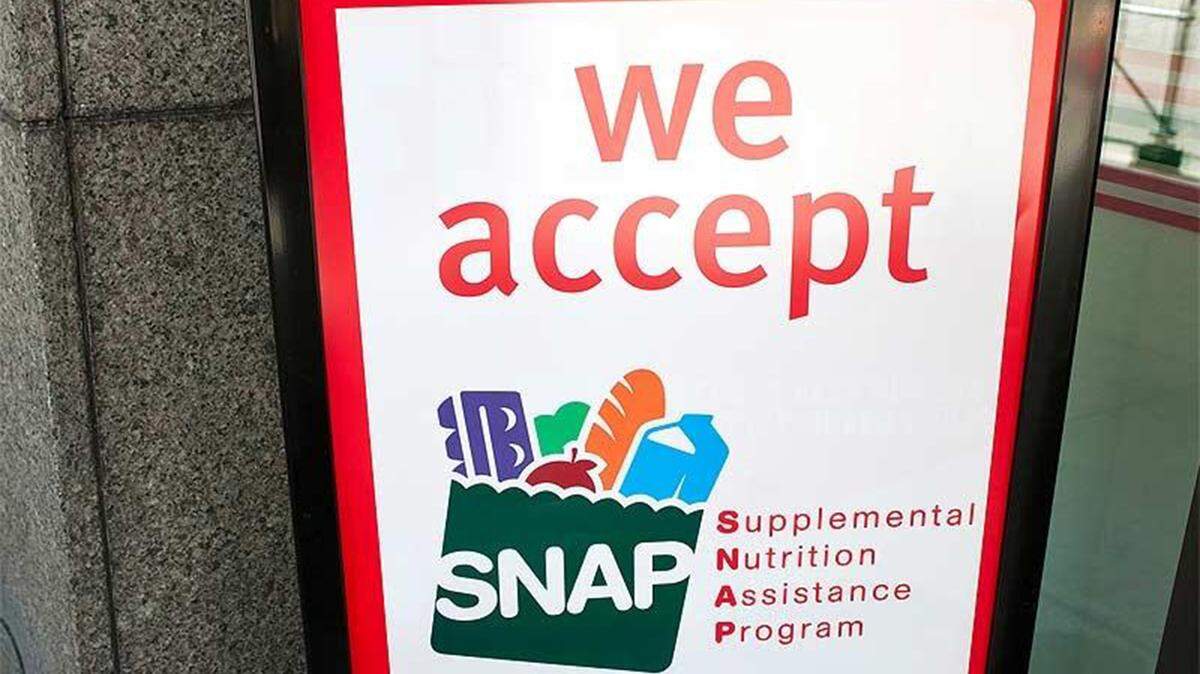
A House Republican plan to add stricter eligibility requirements for Kentucky’s anti-poverty benefits, to prod people into the workforce, would cost an estimated $535 million, according to the Cabinet for Health and Family Services.
The cabinet is warning lawmakers that House Bill 7 “would make it even harder for Kentuckians in need to get assistance for food and health care.” But also, the cabinet says, the cumbersome new reporting and verification rules would cost hundreds of millions of dollars while turning away tens of millions in federal aid.
“CHFS will not be able to meet the unfunded mandates of House Bill 7,” Health and Family Services Secretary Eric Friedlander has written in a letter to lawmakers advancing the bill.
“The workload increase would cause a backlog of cases in many areas, including child care, SNAP (food stamps) and Medicaid and cause major disruptions for individuals attempting to access services,” Friedlander wrote.
The House approved the bill on March 17 and sent it to the Senate, where it’s awaiting a hearing in the Senate Health and Welfare Committee. The committee is scheduled to meet again on Monday.
Friday was the 56th day of the 60-day legislative session.
The legislature did not request a fiscal note estimating the costs of HB 7, as it typically has for such expansive bills in the past. But the cabinet prepared and submitted its own written estimate to lawmakers.
In that estimate, the cabinet put the cost at $431 million from the state’s General Fund and a loss of $104 million in federal funds.
Among the costlier items would be hundreds of new cabinet employees needed to process additional Medicaid and food stamp eligibility reporting; hear complaints and resolve appeals; investigate alleged fraud; and install electronic benefits transfer (EBT) card scanners at child care centers and other places around the state.
Simply providing the new EBT cards and card scanners that are required by the bill would cost millions of dollars, according to the estimate.
Kentucky could lose $104 million in federal food stamp funds due to new work requirements and reporting mandates that would cause some people to lose their eligibility, according to the estimate.
Another cost estimate, prepared by the nonprofit Kentucky Center for Economic Policy in Berea, focused on a revised version of the bill produced by the House Health and Family Services Committee. That estimate put the annual state spending required at $255 million, largely for additional staff, plus the possible annual loss of $104 million in federal food stamps and $630 million in federal Medicaid funds due to the new requirements.
“Spending state money to undercut families’ financial security is both penny and pound foolish, and (it) will have ripple effects throughout the state, costing us jobs and well-being at the same time,” wrote Dustin Pugel, a senior policy analyst at the Kentucky Center for Economic Policy.
In a prepared statement, House Republican leaders expressed skepticism of the stark numbers.
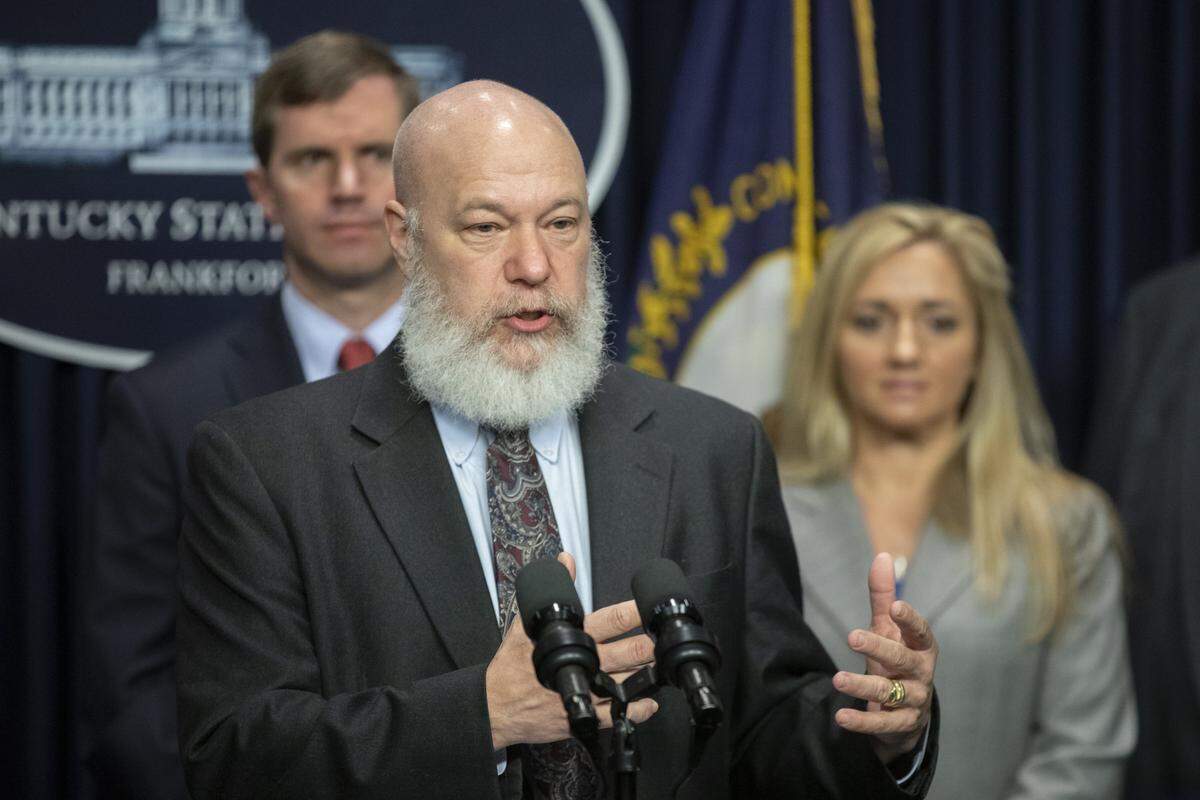
“We are aware of the cabinet’s fiscal impact statement but remain cautiously skeptical since the current administration’s figure is more than ten times the amount we received when a similar piece of legislation was considered before the pandemic began,” said House Speaker Pro Tem David Meade, R-Stanford.
“While we know that inflation caused by the artificial infusion of federal dollars is causing prices to increase across the board, we are seeking additional information to clarify how costs grew from less than $21 million in 2020 to $250 million in 2022,” Meade said. “I would hope it is not a reflection of management at the cabinet level.”
Meade apparently was referring to an earlier bill that House Republicans pushed in the 2020 session that also would have imposed new rules on the state’s public benefits programs. That bill passed in the House but died in the Senate around the same time the emerging COVID-19 pandemic cut short the session.
However, in a fiscal note on the 2020 bill, cabinet officials called its overall costs “indeterminable.” The $21 million price tag that Meade cites — actually, $20.6 million — was only for a portion of the bill.
In HB 7, the current bill moving through the legislature, the House GOP hopes to:
▪ Add an 80-hour monthly “community engagement” requirement for able-bodied adults without dependents who are enrolled in the Medicaid program. Former Gov. Matt Bevin repeatedly attempted this with his Kentucky HEALTH Initiative, to get Medicaid recipients working or enrolled in school or vocational training.
However, the federal courts kept blocking Bevin’s efforts. A judge in Washington, D.C. ruled that Bevin “never adequately considered whether Kentucky HEALTH would, in fact, help the state furnish medical assistance to its citizens, a central objective of Medicaid. This signal omission renders (the plan) arbitrary and capricious.”
▪ Ban the state Medicaid program from using “presumptive eligibility” to more easily enroll Kentuckians in sudden need of health insurance. With federal permission, Kentucky used presumptive eligibility when hundreds of thousands of people lost their jobs during the economic shutdown in 2020 that followed the pandemic.
▪ Set up quarterly verification by the cabinet of recipients’ eligibility to continue receiving benefits. This would include monitoring changes in wages, residency and legal status, requiring the cabinet to check databases at other state agencies, such the departments of Revenue and Corrections and the Administrative Office of the Courts.
▪ Prevent the cabinet from waiving time limits on on non-disabled adults collecting food stamps while they’re unemployed. The bill also would prohibit the cabinet from granting individual exceptions to extend food stamps in extraordinary circumstances, such as during an economic recession or in a particularly poor region of Kentucky.
▪ Reroute different state cash-assistance programs through EBT cards, which are currently used at stores to purchase approved items using federal food stamps. The bill calls for this change in order to discourage fraud and inappropriate spending.
More than 2,000 child care centers, for example, which get state subsidies for the cost of an average of 20,673 children, would need to install EBT card scanners and train their staffs to use them, the cabinet said. More than 13,000 state subsidy recipients in adoptive families also would need to use EBT card scanners, the cabinet said.
“The flexibility adoptive families currently have to purchase items through school, field trips, extracurricular activities, tutoring services, respite care, child care and transportation would be significantly impacted,” the cabinet said.
This story was originally published March 25, 2022 at 1:27 PM.