‘Struggling to feel safe.’ Reports reveal chaos inside KY juvenile justice facilities
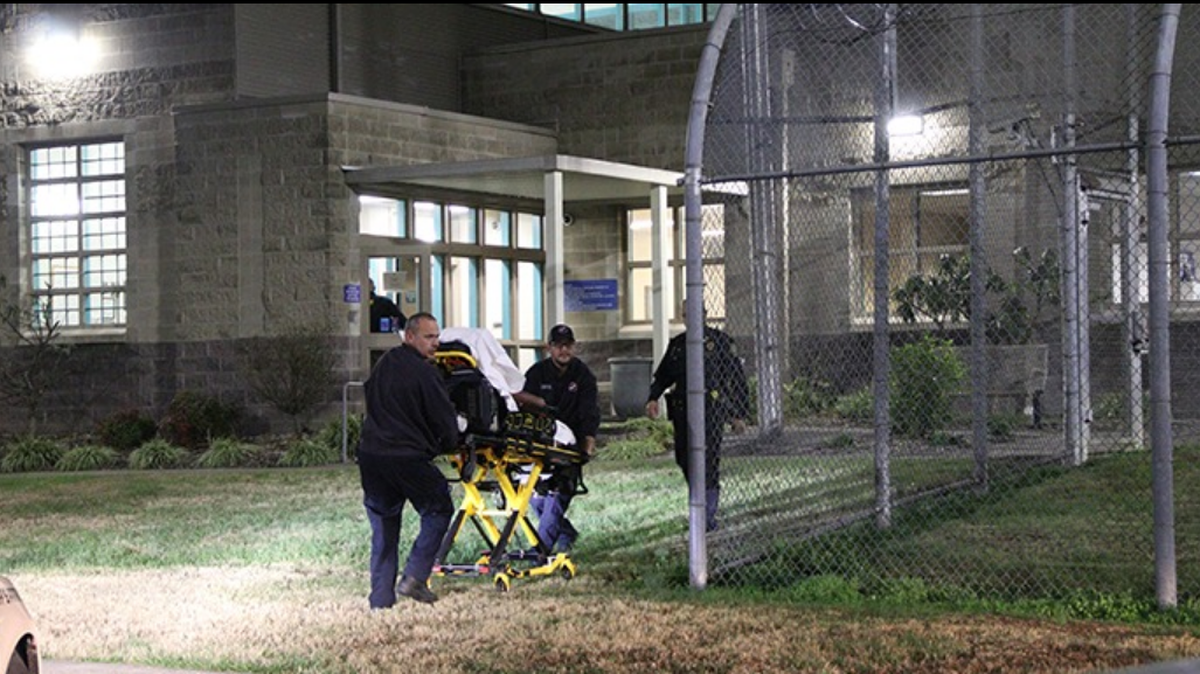
The people who run Kentucky’s overwhelmed juvenile detention facilities spent the year 2022 all but begging their bosses in Frankfort for help, even before a series of dangerous attacks and riots — and the sexual assault of a teen girl during a riot at the Adair County facility — made headlines this fall.
In monthly reports from around the state, obtained by the Herald-Leader, facility superintendents told senior officials at the Kentucky Department of Juvenile Justice that they had nowhere near enough employees to keep control of their facilities or comply with the staffing requirements of the federal Prison Rape Elimination Act.
PREA requires a minimum of one staff for every eight juveniles during the day and 16 juveniles at night.
“Staff morale is very low. Most are overworked and need a break,” the Breathitt Regional Juvenile Detention Center in Jackson reported in May. “We have a lot of Jefferson County youth in rival gangs that we have had to manage this month. This has caused several fights, isolation placement and restraints.”
That same month, the Jefferson Regional Juvenile Detention Center just outside Louisville warned: “Staff are being overworked due to shortages. Staff shortages on weekends pose safety and security issues especially when our population is high. JRJDC administration continues to work on hiring more youth workers, without success.”
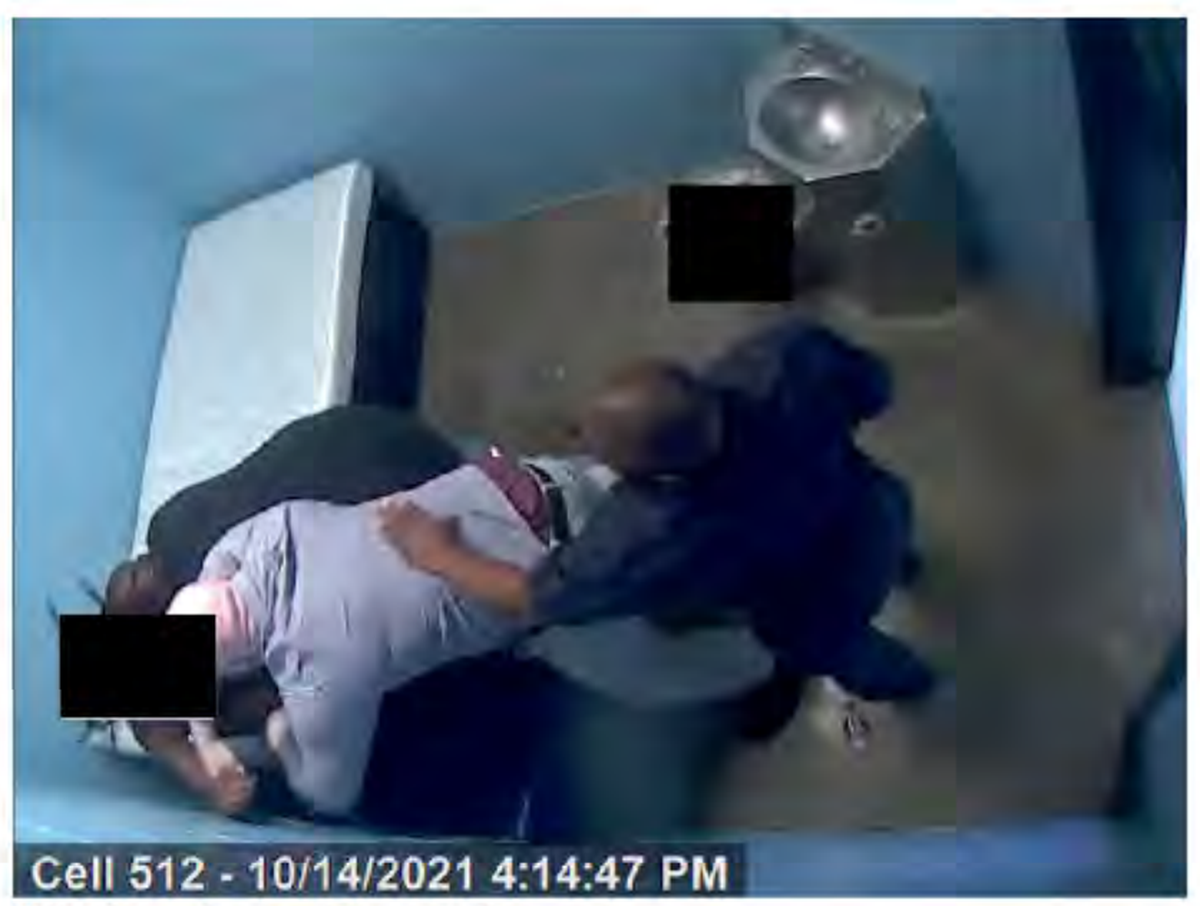
In October, there was a riot at the Boyd Regional Juvenile Detention Center in Ashland — previously undisclosed to the public — where some of the two dozen youths choked and attacked staff with a broom. One employee had the tip of a finger cut off during the riot.
The Boyd facility director wrote to Frankfort to blame the eruption at least in part on low staffing: “Some staff are struggling to feel safe ... Even some residents are expressing concern for staff and wanting to retaliate.”
Throughout 2022, assaults in the facilities sent youths and staff to the hospital, according to the monthly reports. There were sex offenses, attempted suicides, escapes and uprisings where youths briefly took control.
In some facilities, local directors warned, doors could not be securely locked, and drop ceilings with crawl spaces provided for easy movement from room to room for youths seeking to do harm. This structural flaw in the ceilings would lead to a highly destructive riot in August at the facility in Warren County.
“Any time a resident is angry, they begin to beat on the ceiling to gain access. There are also short pieces of metal that can be quickly fashioned into a weapon or used for self-harm,” the Breathitt superintendent wrote in June.
At the Adair Regional Juvenile Detention Center in Columbia, the superintendent agonized over a girl with mental health problems who languished in her cell, naked, unwilling to bathe, participate in activities or communicate.
“It has been a tough month for us in dealing with our residential female,” the Adair superintendent reported in July.
“She continued to refuse her medication, eat or drink,” the superintendent wrote. “We were not able to open her door due to her being naked. ... She went multiple days without sleeping. She refused any medical attention, weight check, blood pressure check or temp check. This took a toll on staff as well.”
Altogether, the facilities reported 119 “significant incidents” during the first 10 months of the year, or one every 2.5 days, on average — and that’s an undercount, because some known incidents were not included on the lists sent to Frankfort, including youth assaults on staff and multiple events in the Jefferson facility during a chaotic summer.
The most common refrain from the detention facilities: We don’t have enough youth workers to safely operate this place because hardly anyone wants to take such a tough job for a salary as low as $35,000 a year.
“Hiring for various positions is still a huge problem, with little interest,” the Fayette Regional Juvenile Detention Center in Lexington reported to Frankfort in June as it housed 40 youths, some of whom “consistently” plotted to attack each other, the superintendent said.
Job applicants are “not showing up for interviews, not showing up when they’ve been hired, and often (because of) the length of the hiring process, candidates lose interest and accept other jobs,” the Fayette facility wrote. “Another major concern is the quality of applicants we must consider and are being forced to hire just to fill positions.”
Critics say the youth riots seen this fall in Adair County and elsewhere were not surprising given the Department of Juvenile Justice’s chronic unsolved problems as documented in the monthly reports.
“The Adair County crisis is the predictable outcome of a lack of sufficient staff, a lack of adequate programming, an overall lack of resources,” said Terry Brooks, executive director of advocacy nonprofit Kentucky Youth Advocates.
“I really hope that we don’t have to experience a series of even worse crises and tragedies in the juvenile justice system in the future to spur the changes we need to see,” Brooks said.
Lockdowns, then a riot
Juvenile Justice Commissioner Vicki Reed declined a request to be interviewed for this story.
Reed, whom Gov. Andy Beshear hired last year after firing her predecessor, is scheduled to appear Thursday before the legislature’s Interim Joint Committee on the Judiciary to answer questions about continuing problems inside her agency.
As it happens, the detention facilities’ monthly reports to Frankfort appear to contradict at least two pieces of testimony given by Beshear appointees to lawmakers over the past 14 months.
One of those appointees was Reed.
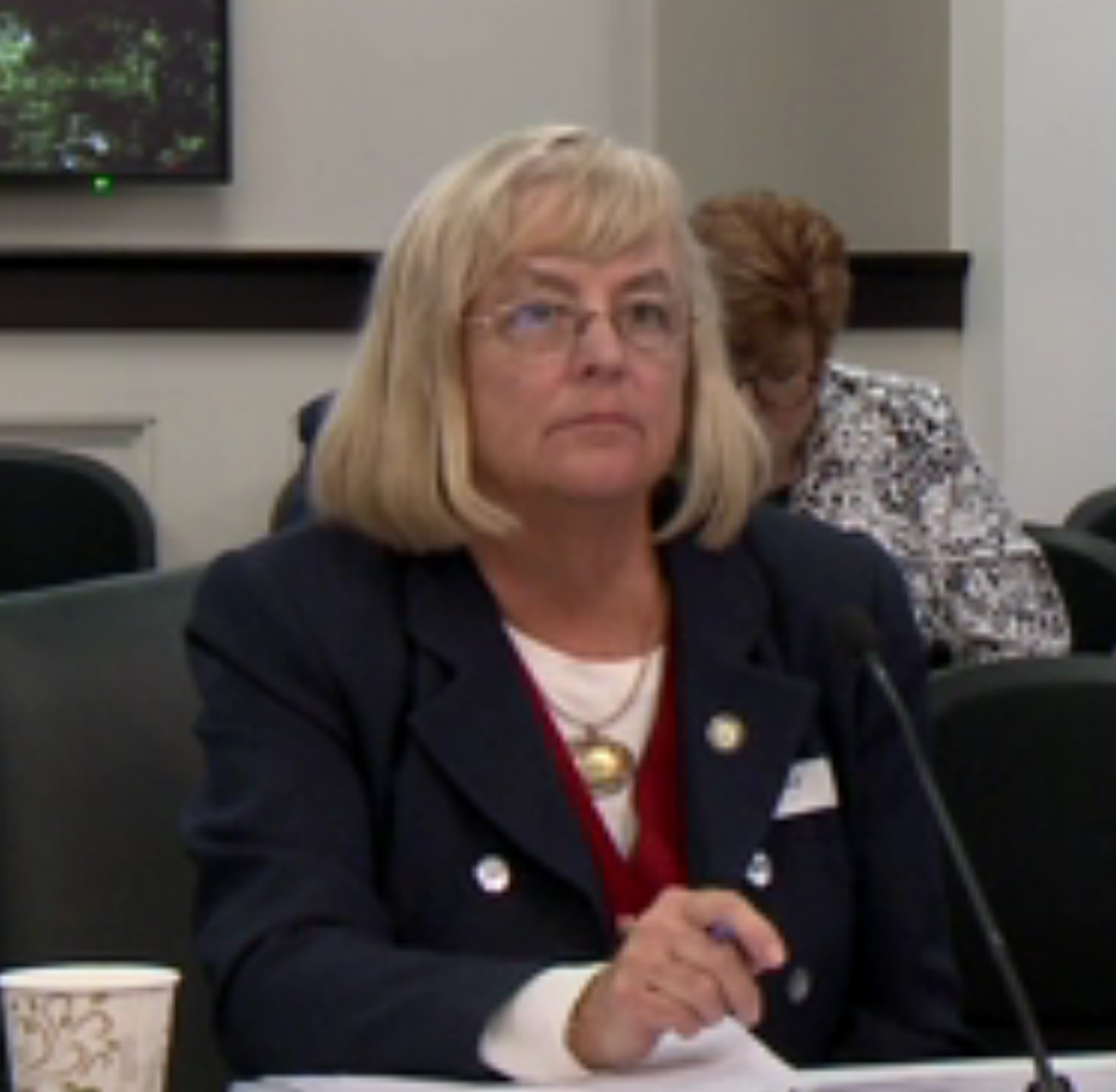
In October 2021, addressing the same interim judiciary committee, Reed disputed a youth worker’s account in the Herald-Leader that suggested the facilities are sometimes “quite literally keeping (youths) in a cell” for lack of any better alternatives. That does not happen, Reed testified.
“We are not locking kids up away in cells,” Reed said.
But reports from the detention facilities suggest otherwise.
For example, the Adair Regional Juvenile Detention Center reported through much of the year that a growing population and staff shortages forced it to keep youths in lockdown.
“We continue to work on decreasing isolation hours and youth being behind a closed door,” the Adair facility wrote in January and February.
In March, it reported: “A shortage of staff has made it difficult to cover all units. We have had to rotate which units are locked down. Most youth understand why this is happening, but others are frustrated that they can’t move.”
In July, it wrote: “Considering we are having to rotate units on lockdown due to staffing, Ms. Graves ... does a fabulous job keeping the kids busy. She ensures, though locked down, youth are getting some type of recreational activity. We have also ensured that they have items in cell to occupy their time.”
In August, it reported: “The youth are struggling because they are spending a majority of time behind a cell door. The youths have little to no interaction with other youths. We are trying to maintain a positive culture; however, it is getting hard as the kids are struggling with day-to-day rules.”
In November, the Adair facility finally exploded in a riot. A youth overpowered a staff member, took the keys and released other youths from their cells to run rampant. A teen girl in a females-only wing of the facility was sexually assaulted during the violence.
The Kentucky State Police, along with other law enforcement, entered the facility and restored order. Injured juveniles and employees were taken to the hospital for medical treatment.
‘Nobody wanted to hear it’
Two months ago, Justice and Public Safety Secretary Kerry Harvey told a legislative oversight panel that he did not ask for additional state funds during the budget process last winter to fix security flaws in the detention facilities — such as the failed door locks and drop ceilings — because he did not know about the flaws at that time.
Only after youths took advantage of those security flaws later in the year to stage riots and escapes did he realize the buildings needed repairs, Harvey testified.
“When we were making our budget request, I can tell you, I was unaware of these problems, and I will take responsibility for that, for these problems with the physical facilities,” Harvey told lawmakers. “I will confess that when I visited some of these facilities, I never looked up.”
But the monthly reports show that facility superintendents were advising their Frankfort bosses throughout the year of the security shortfalls in their buildings. As early as January, for example, the Jefferson facility warned that its magnetic door locks were not holding and some doors needed to be either upgraded or replaced.
In a recent interview, a former youth worker supervisor at the Jefferson facility said the security flaws were known to administrators, staff and youths. If the state’s justice secretary was unaware, then he wasn’t paying any attention, the former supervisor said.
“The kids could just walk in and out of rooms there, and we couldn’t stop them. It was like a camp. And we were telling people about this from day one, that it wasn’t ready to hold anybody. But nobody wanted to hear it,” said Michael Ross, who quit the Jefferson facility a year ago.
Some changes are coming
After this fall’s youth violence and accompanying bad publicity, Beshear acknowledged that he needs to make some changes to the juvenile detention facilities.
The governor recently announced plans to keep boys and girls ages 11 to 18 jailed at separate locations, creating a new girls-only detention facility in Campbell County. Beshear said about 20 girls are currently in state detention.
(Whether the girls-only facility will have enough employees to handle 20 girls remains to be seen. In its reports during 2022, the Campbell Regional Juvenile Detention Center in Newport repeatedly complained that it’s badly under-staffed and can’t compete with better-paying employers in suburban Northern Kentucky and Cincinnati, some of which offer signing bonuses to attract job applicants.)
Beshear also said the state will segregate boys based on the severity of their alleged criminal offenses, rather than assigning everyone to the nearest regional detention facility. Under the current model, he said, juveniles charged with murder have been housed alongside relatively minor offenders, such as habitual truants.
Locking these disparate groups together inside the same facilities is too dangerous, he said.
“We’ve reached a level serving this population within the old regional model that is no longer safe, either to our workers — we just had multiple (workers) very seriously hurt by the juveniles they serve — and it’s also not safe for the juveniles themselves,” Beshear told reporters.
At a Dec. 8 news conference, Beshear said there were 72 boys in state detention for crimes ranging from capital murder to Class C felonies. These most serious cases will be housed in high-security facilities. There were 83 boys charged with Class D felonies, misdemeanors and minor status offenses. They will be held under less rigid conditions where they more safely can receive the rehabilitation services they want, he said.
However, despite all of the warnings about inadequate staffing at the detention facilities, there is no plan to dramatically increase the pay for youth workers, which is currently about $35,000 to $40,000 a year, with small additional incentives available depending on geographic region and shift.
Beshear said youth workers already have gotten some pay raises in recent years, as did other state employees in the current budget.
“We need to pay all our people more, and we certainly need to pay these people more,” he said. “The realistic challenge is, any time you increase salaries in one area of state government, it impacts all of the others, too. You know, we desperately need people here, we desperately need social workers, we desperately need teachers.”
The staffing shortage is only one major problem facing the Department of Juvenile Justice, the governor said. Staff need to be “empowered to protect themselves in these very difficult situations,” he said.
“Even if we had more people right now, they’re not allowed the defensive techniques, if a juvenile gets violent, to quickly stop it. And what that does is potentially expose others to violence or it causes such a disruption that we end up with these lockdowns that we don’t want,” Beshear said.