Can KY lawmakers stop stores from selling cigarettes, vapes to minors? Yes, here’s how
READ MORE
Herald-Leader investigates
Many Kentucky stores ignore law and illegally sell tobacco and vape products to minors
Expand All
When the General Assembly returns to Frankfort on Jan. 2, one of the many problems it’s been asked to address is youth smoking — particularly vaping, which studies suggest has become more far common for Kentucky high school students than cigarette smoking.
State regulators, public health experts and others are urging lawmakers to strengthen the laws against the sale of smoking products to minors.
Here are nine things to know about that challenge:
▪ The minimum legal age to buy tobacco and vape products in the United States is 21. Retailers are required to check government-issued photo identification for anyone who looks younger than 27.
▪ However, Kentucky stores that sell smoking products were cited 883 times for selling to minors during the 21 months between November 2021 and August 2023, according to a Herald-Leader analysis of records from the Kentucky Department of Alcoholic Beverage Control.
▪ The Kentucky ABC is responsible for enforcing state and federal tobacco retail laws. It sends undercover investigative aides, ages 16 to 20, into stores to buy cigarettes, cigars, chewing tobacco and vape products. The aides can’t lie about their age if they’re asked. And they can’t dress to look older.
▪ At least 114 retailers were cited two or more times for selling smoking products to minors during the 21 months included in the Herald-Leader’s analysis. Some were cited again just days or weeks after their previous offense.
▪ Penalties ranged from warning letters — the most common response — to civil fines of $100 and $1,000 for state offenses, going as high as $6,397 for federal offenses in a handful of cases involving five or more violations within a 36-month period.
▪ The U.S. Food and Drug Administration can impose a “no-tobacco-sale order” to stop the further sale of products at the most serious repeat offenders. But it seldom does, even when it can, according to a report issued this year by a federal inspector general. The FDA only has issued one such no-sale order in Kentucky since 2015.
▪ Attempts in the General Assembly to increase the civil fines on retailers caught selling smoking products to minors have gone nowhere in recent years. Last winter, a House bill would have raised the fines as high as $2,000 for first offenses and as high as $3,000 for each subsequent offense. It wasn’t even assigned to a committee.
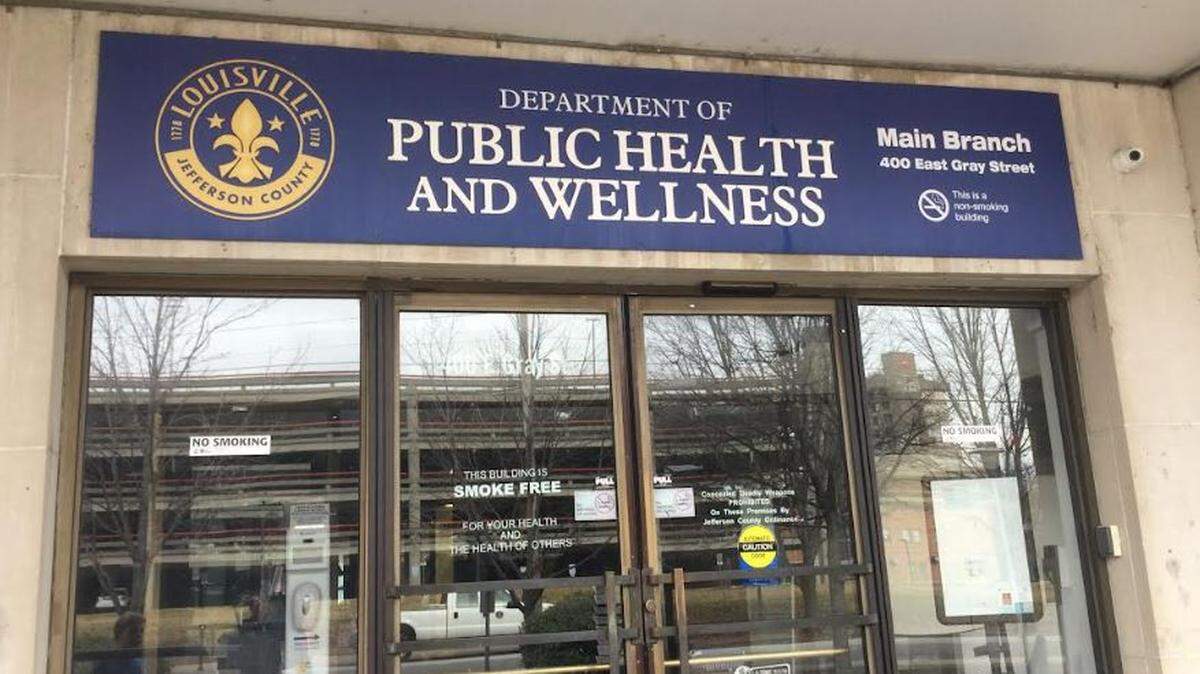
▪ State regulators and health experts repeatedly have asked the General Assembly to pass a tobacco retail licensing law, something that 40 other states do — as does the city of Louisville since 2022.
Under such a law, smoking products retailers must buy a license, register their address and agree to obey certain conditions, such as not selling to minors or risk losing their license.
▪ Health experts say licensing allows state and local governments to know who sells smoking products and where, so all retailers can be inspected, something that’s not currently possible without a comprehensive list of retailers.
Licensing also allows zoning restrictions, such as not letting the retailers open near schools, playgrounds and other places frequented by youths, and it gives regulators something to take away from repeat offenders, beyond hitting them with fines that might not be discouraging future violations.