Herald-Leader used open records law to pull at threads until it got juvenile justice story
READ MORE
Kentucky Department of Juvenile Justice
The Herald-Leader has reported on serious problems inside the Kentucky Department of Juvenile Justice for more than four years.
Expand All
For the past four years, the Lexington Herald-Leader has written extensively about the abuse and neglect of youths held by the Kentucky Department of Juvenile Justice, helping to trigger a civil rights investigation by the U.S. Department of Justice.
To do this, the newspaper frequently uses the state’s Open Records Act to get reports from the Internal Investigations Branch at the Justice and Public Safety Cabinet. The Justice Cabinet oversees the Juvenile Justice Department; its internal investigators typically are the ones dispatched to review things that go wrong.
However, in February, the Herald-Leader came across something a little different.
A guard at the Fayette Regional Juvenile Detention Center was suspended — and chose to quit — after he was accused of allowing two youths to engage in a “fight club” on his watch. The guard said he didn’t deliberately let the youths brawl, but they sneaked into a cell and fought each other when he wasn’t paying attention.
After watching security footage, investigators accepted the guard’s version of events.
The Herald-Leader decided to not write about that incident. Investigators said the youths were not injured and the guard was guilty of incompetence, not malfeasance.
But the newspaper noticed this case wasn’t handled by the cabinet’s Internal Investigations Branch.
Instead, an “ombudsman” working directly for the Juvenile Justice Department reviewed the guard’s actions in Lexington and wrote a report about his findings.
When the Herald-Leader asked about this, the department said it employs two ombudsmen for “monitoring and accountability across all juvenile facilities.” They work separately from the Internal Investigations Branch. A second ombudsman was hired last year, the department said.
Realizing that it’s possibly been missing something in its juvenile justice coverage, the newspaper used the Open Records Act on Feb. 24 to request reports submitted by the ombudsmen since July 1, 2024, the start of the state’s current fiscal year.
The Juvenile Justice Department responded with 326 redacted pages.
Most of those reports didn’t prove particularly newsworthy.
One did.
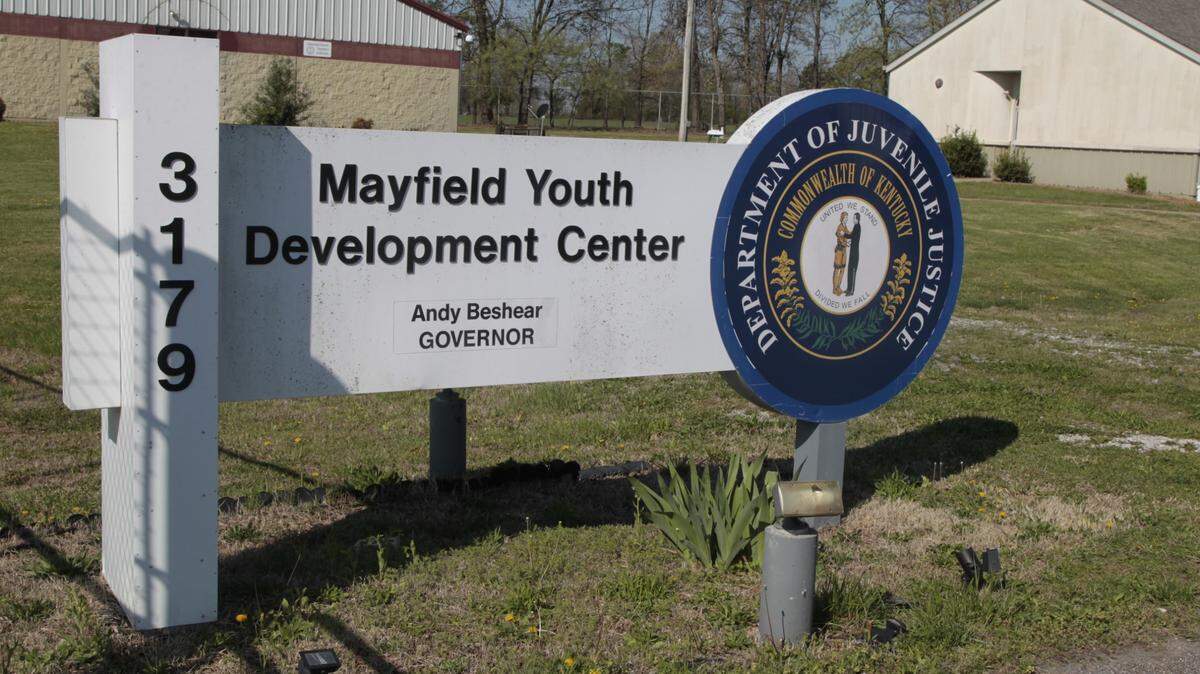
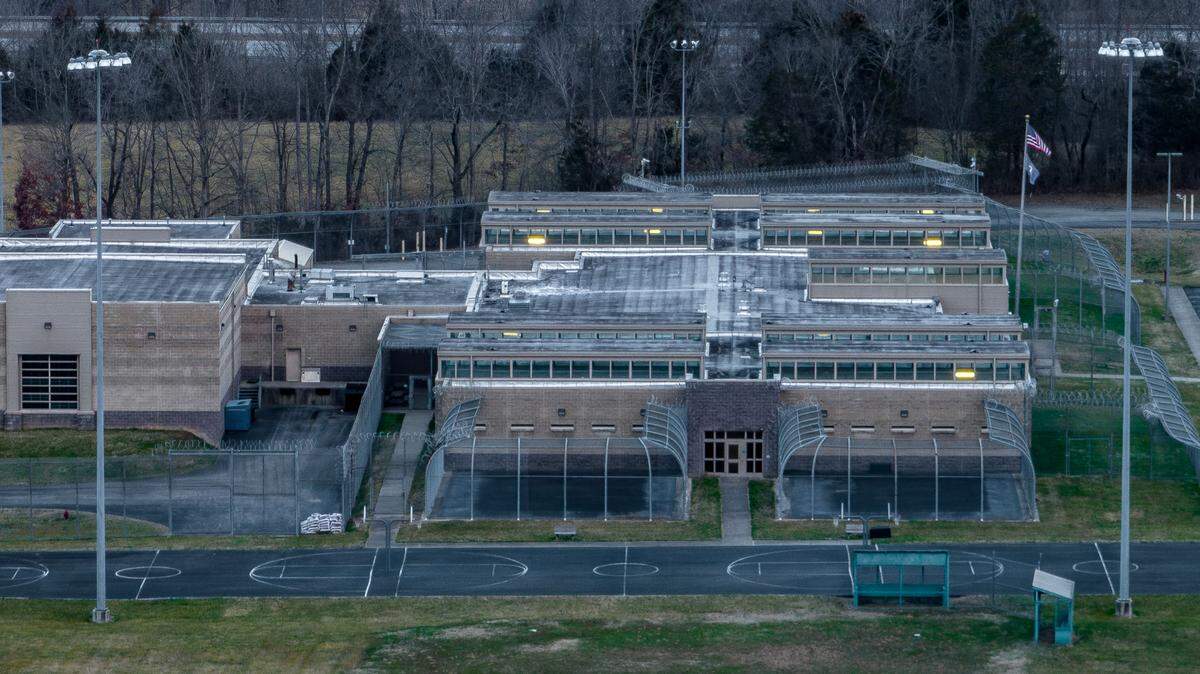
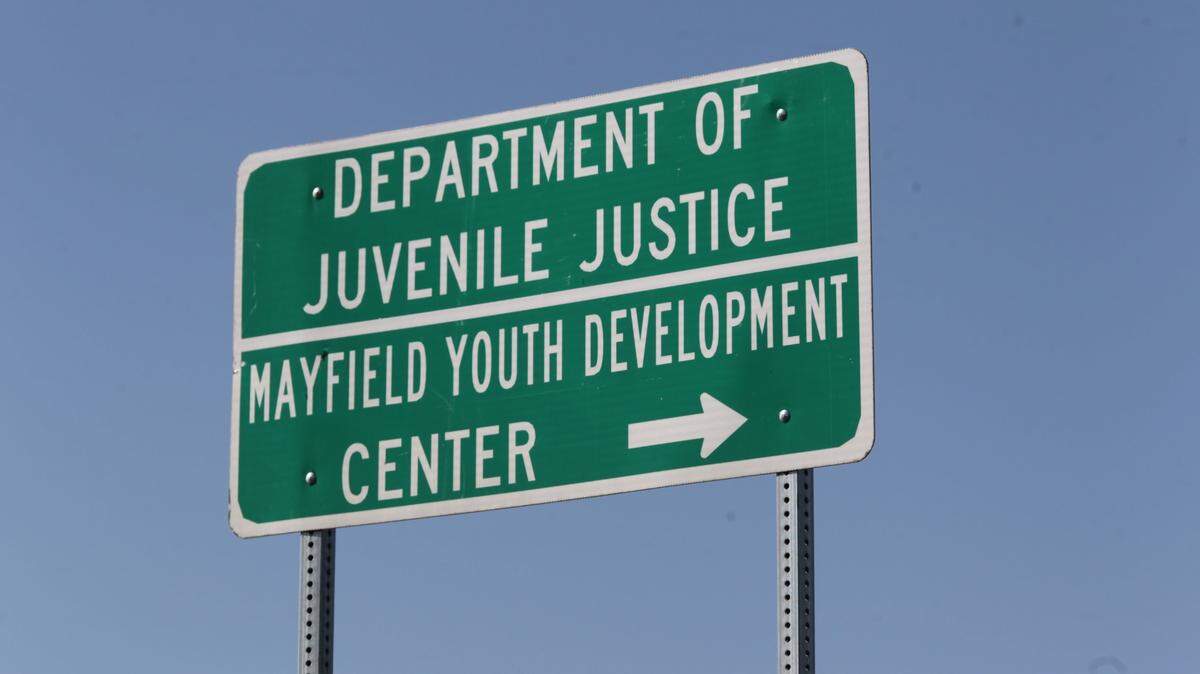
On Dec. 12, ombudsman Tim Corder wrote that he substantiated allegations that Nick Morris, a rehabilitation instructor at the Mayfield Youth Development Center, showed a video of a topless woman to his students. The woman was a counselor at the center who was known to the youths.
Corder said he was not able to determine at that time whether Morris was, as alleged, also allowing a “fight club” between students to take place in his classroom closet.
Morris denied both of those allegations when the Herald-Leader reached him at his home by phone. He said people at the Mayfield facility invented stories to get him in trouble.
Curious to learn more, the Herald-Leader once again turned to the Open Records Act. It requested Morris’ state personnel file, including disciplinary records, and all other investigative reports about Morris or related incidents at the Mayfield Youth Development Center in Graves County.
The department replied with many hundreds of pages.
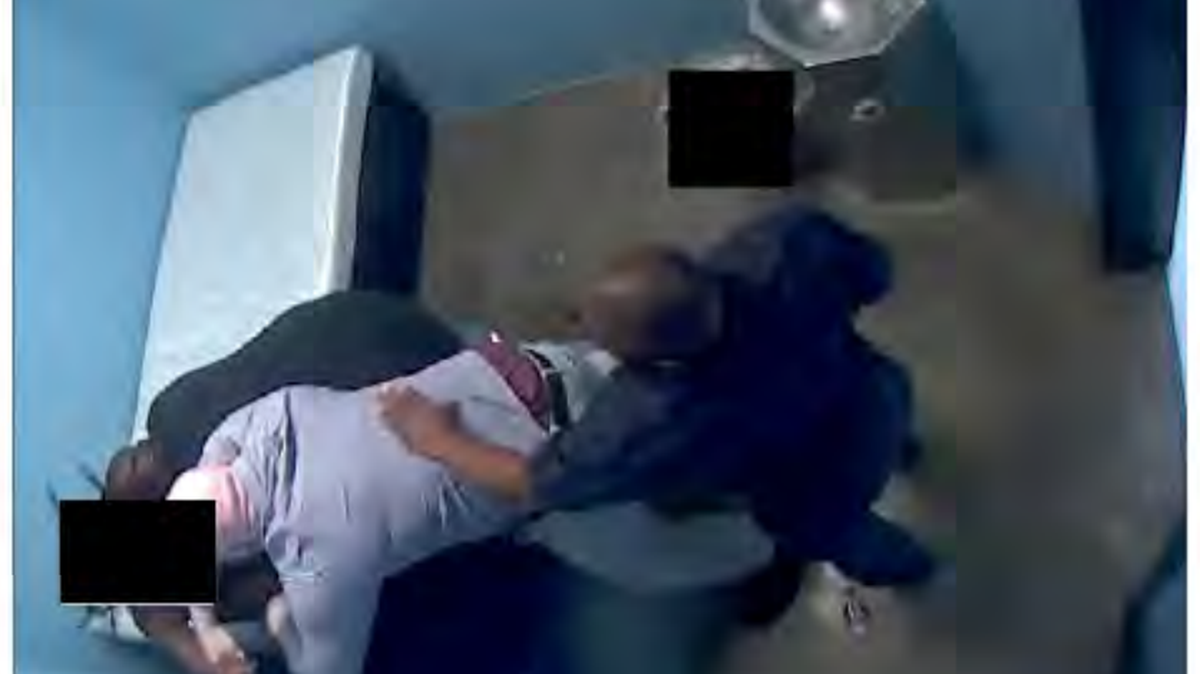
There was a Jan. 14 ombudsman’s report and a Nov. 12, 2024, Internal Investigations Branch Report. They looked into — respectively — allegations of employee sex happening around the Mayfield campus and an incident of Morris needlessly taunting a youth in a hallway altercation in October, leading to the youth getting pepper sprayed.
There also was a Feb. 27 dismissal letter to Morris from Juvenile Justice Commissioner Randy White.
White detailed what the state believed Morris did wrong, such as showing his students the video of the topless woman; the classroom closet fight club; the altercation with the youth that ended with pepper spraying; and withholding a video screenshot of colleagues having oral sex in the facility’s control room last summer.
In their reports, investigators said they substantiated allegations after reviewing relevant video and audio and interviewing witnesses at the Mayfield facility. Apart from Morris, two other Mayfield employees resigned rather than be fired, the department said.
The facility’s manager also has been fired, and the deputy manager was demoted.
Morris told the Herald-Leader he has hired a lawyer and is appealing his firing to the state Personnel Board.
The in-depth reporting by the Herald-Leader staff, spearheaded by John Cheves, underscores the newspaper’s commitment to revelatory, fair and ambitious watchdog reporting, said the newspaper’s executive editor.
“We believe a core mission of the Herald-Leader is to protect the most vulnerable in the commonwealth, and that includes the kids and teens who are being detained in the state’s juvenile justice centers,” said Richard Green, who oversees the Herald-Leader newsroom.
“John is tenacious and knows his job is to keep those state employees accountable for their actions. They are public employees working for the public, and we will leverage the Kentucky Open Records Act to track their performance. and protect those entrusted in their care.”
Green added that the Herald-Leader’s reporting also is focused on Gov. Andy Beshear and his administration’s repeated failings to ensure employees in the Department of Juvenile system are not mistreating the youths they’re charged with protecting.
“Why has this been an embarrassing problem for the governor and his team, over and over again, and nothing, it appears, is being done to alleviate these poor behaviors and practices?” Green asked. “Even a popular governor has to answer to Kentuckians for these repeated failings.”
This story was originally published April 15, 2025 at 5:00 AM.