Kentucky still lags on nursing home inspections, but it’s catching up, officials say
AI-generated summary reviewed by our newsroom.
- Kentucky raised inspection rate of nursing homes from 38% to nearly 70% in 2025.
- Lawmakers questioned how backlog grew as inspectors found serious care failures.
- State used funding to hire staff and reduce over 3,000 unaddressed complaints from 2023.
Kentucky still lags on its annual health and safety inspections of nursing homes, which are required by federal law, but it’s steadily reducing what was once among the nation’s worst inspection backlogs, state health officials told a panel of lawmakers on Tuesday.
During federal fiscal year 2024, state surveyors completed an in-depth, multi-day review of 38% of Kentucky’s 269 nursing homes, Inspector General Tricia Steward told the legislature’s Budget Review Subcommittee on Health and Family Services.
So far during the current federal fiscal year, that number is close to 70%, according to agency data.
“We’re on target that all nursing homes in Kentucky will have received a full certification survey in either 2024 or 2025. We have a goal of December the 31st,” Steward said.
When the Lexington Herald-Leader first began reporting on Kentucky’s nursing home inspection backlog in July 2023, only 23% of the long-term care facilities had received an annual inspection in the previous two years.
Lawmakers congratulated state health officials at their progress over the past two years, but they also raised alarms over how Kentucky fell so far behind in the first place.
As state inspectors belatedly make their way back into some facilities after an absence of several years, they’ve been finding problems such as rodents, resident abuse and neglect, medication errors, chronic under-staffing and poor sanitation.
State Sen. Karen Berg, a doctor, said health care institutions count on regular inspections to keep them on their toes.
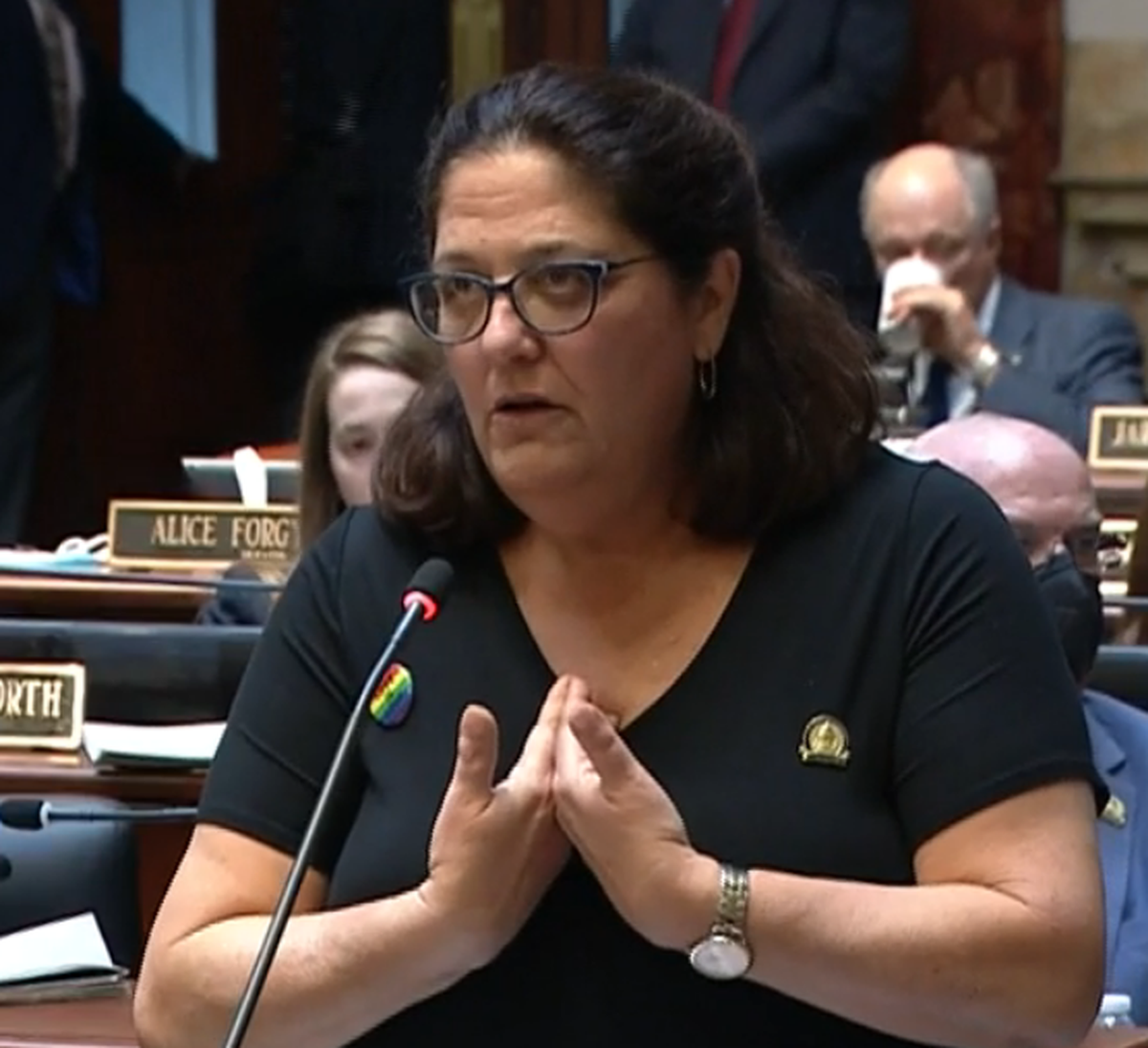
“The fact that we let it get this bad is a shame on the state, and it should not have happened,” said Berg, a Louisville Democrat.
“You are putting people’s lives at risk, and it cannot happen,” Berg said. “These surveys are not just checking boxes. They are real. They actually have a significant impact on the entire framework of the health care system that you’re in. They cannot — they cannot be let drop like this.”
State health officials credited Gov. Andy Beshear and the General Assembly for throwing millions of dollars at the problem. The funds provided salary increases to hire and retain more state inspectors, particularly registered nurses who had been finding much better pay in the private sector, and contracts with private inspectors.
The Herald-Leader reported in 2023 that fewer than one in five of Kentucky’s nursing home inspector posts were filled, the country’s highest vacancy rate for that important public health job.
“We’re in a better place now because we’re closer, we’re much better staffed,” Health and Family Services Secretary Steven Stack testified Tuesday. “We never wanted to be there. I don’t think there’s any difference of opinion between us. You would all say, ‘This is not safe.’ We never wanted to be there.”
Apart from annual inspections of nursing homes, the state health cabinet also is trying to reduce the backlog of inspections that are required after health and safety complaints are made by residents, family members or others as well as serious incidents reported to the state by the facilities themselves.
Some of these complaints allege that harm was caused to a nursing home resident or there was “high potential” that harm was going to be caused to a resident, Steward said.
According to data presented Tuesday, there are 695 nursing home complaints so far this fiscal year that have not been investigated by the state health cabinet. That’s a sharp decrease from two years ago, when 3,028 complaints and 1,033 facility-reported incidents went without investigation by the cabinet, according to the data.
The U.S. Centers for Medicare and Medicaid Services requires all states to conduct nursing home inspections referred to as “certification surveys” every year — during a window of every nine to 15 months, on average — to uncover care deficiencies before they become serious enough to cause harm to residents.
Medicare and Medicaid are the primary sources of revenue for nursing homes.
Every state fell behind on these surveys during the COVID-19 pandemic when they temporarily diverted their attention to infection control. But Kentucky struggled more than most to catch up because of its shortage of inspectors.
This story was originally published July 16, 2025 at 5:00 AM.