‘They didn’t care.’ KY still faces huge backlog of long-overdue nursing home inspections
READ MORE
Kentucky’s nursing home inspection backlog
Herald-Leader investigation shows more than half of Kentucky’s 269 nursing homes have gone two or more years since their last “annual” survey.
Expand All
‘They didn’t care.’ KY still faces huge backlog of long-overdue nursing home inspections

A new rule will make nursing homes hire more staff to improve care. Kentucky opposes it.

‘No quick fix.’ The Herald-Leader has reported on KY nursing home problems for many years

What to look for when you’re picking a nursing home in KY (Hint: Location is key)
Kentucky is slowly reducing its huge pandemic-era backlog of annual inspections of the nursing homes — 80 percent of them owned by private, for-profit corporations — where more than 20,000 vulnerable adults live at the mercy of their caretakers.
But it still has far to go, and residents are at risk, a Herald-Leader investigation reveals.
While state health inspectors struggle to catch up, Kentucky nursing home residents have been assaulted, robbed and neglected in urine-soaked sheets, public records show.
The federal government in August issued a 50-state report card — known as the the State Performance Standards System — showing that Kentucky failed to meet eight of 13 performance measures, including getting its nursing home inspections done on time; following up on serious hazards known as “immediate jeopardies”; and properly responding to complaints from residents and their families.
“That tells you that (nursing home) residents in Kentucky aren’t getting the protection they’re supposed to be getting, that surveyors aren’t going in there as often as they’re supposed to be and doing the investigations we need them to do to catch the problems that put people in harm’s way,” said Toby Edelman, senior policy attorney with the Center for Medicare Advocacy.
The center is a Washington, D.C., nonprofit law organization that advocates for better health care for the elderly and disabled.
As of October, more than half of the state’s 269 nursing homes — 53 percent — had gone two or more years since their previous so-called “annual” inspection by surveyors from the Kentucky Cabinet for Health and Family Services, according to a review of federal health data by the Herald-Leader.
When the Herald-Leader first reported on the delayed inspections in July 2023, the number was 73 percent, the nation’s second-largest backlog after Maryland, forcing Gov. Andy Beshear and Health Secretary Eric Friedlander publicly to acknowledge the seriousness of the problem.
“We need to be clear: We’re way behind. We’re waaay behind,” Friedlander told uneasy state lawmakers a month after the newspaper originally wrote about it.
By the time state surveyors returned to some nursing homes this year for a long-overdue annual inspection, it was their first such visit since the COVID-19 pandemic hit in March 2020, records show.
For instance, the 165-bed Signature Healthcare at Summerfield Rehab & Wellness Center in Louisville went nearly 52 months between annual inspections — from October 2019, when state surveyors cited it for six health deficiencies, to January 2024, when surveyors finally returned to identify 17 health deficiencies and levy a $12,038 fine.
“That’s scary!” said Edelman when told by the Herald-Leader about such delays. “It really matters that the state’s not in there on a regular basis looking into what’s going on.”
Yearly inspections by teams of state surveyors are meant to catch dangerous threats before someone is sickened, hurt or killed.
The surveyors’ annual inspection reports also shape the five-star quality ratings on Nursing Home Compare, a website provided for public use by the federal agency U.S. Centers for Medicare and Medicaid Services, or CMS. Long delays in inspections means the ratings can be badly outdated, leaving consumers unaware of a drop in quality.
State surveyors are a crucial “outside set of eyes” to make sure that health and safety rules are obeyed, said Lisa Circeo, a Lexington attorney whose firm represents people suing nursing homes over poor quality of care.
“When we file a lawsuit, we request the licensure file and all of the state surveys for a facility,” Circeo said.
“Unfortunately, what we’re seeing for a lot of these places is that the state hasn’t been in there for years unless there’s been a serious complaint filed about something — at which point, you know, something already has gone seriously wrong,” she said.
Small problems in a nursing home can develop into widespread systemic failures when nobody is watching, said Sherry Culp, who, as the state’s long-term care ombudsman, oversees a team of advocates for residents and their families.
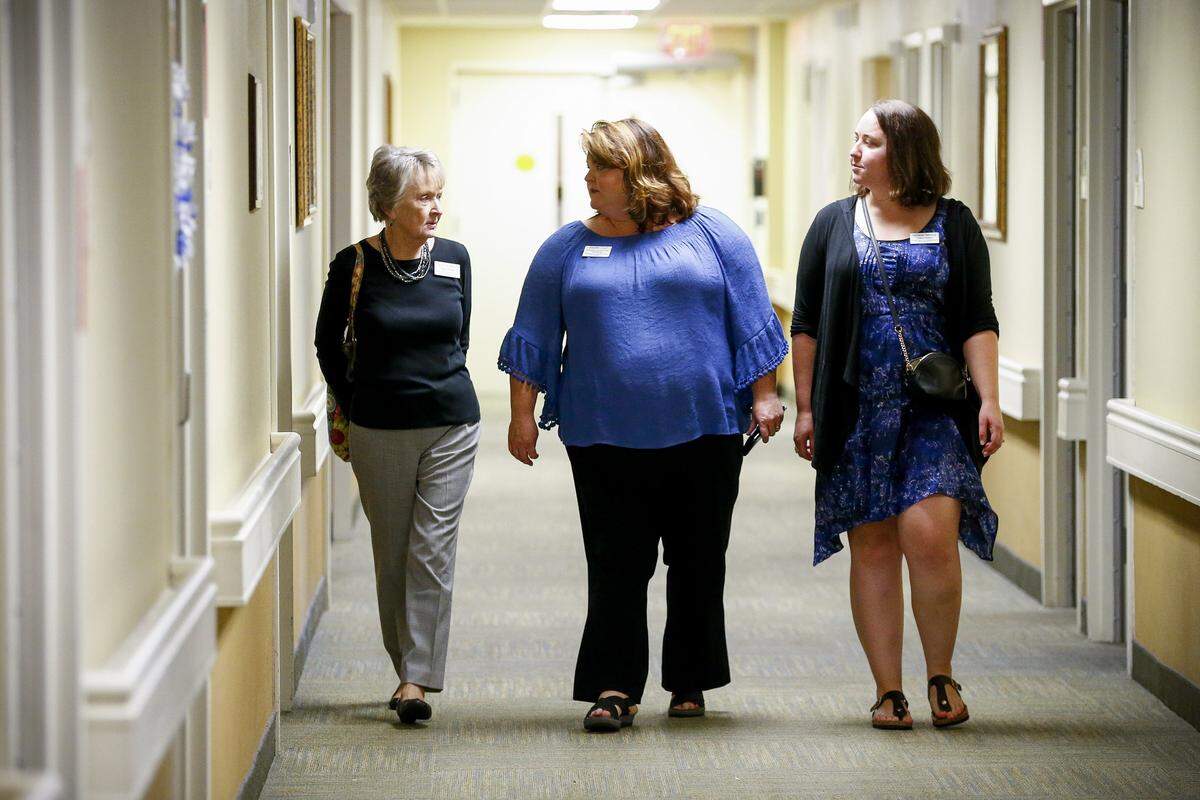
“Things can escalate quickly if you don’t stay on top of it,” Culp said.
“There’s a lot of staff turnover in these facilities,” she added. “Many people don’t stay in the jobs for long. And even though the role of state surveyor is not really to be an educator, when they’re in there, they can help explain to the staff and to the administrators how things are supposed to work, how to keep the residents safe.”
“Kentucky is gonna have to get back into compliance on this,” she added.
The officials in Beshear’s health cabinet who are responsible for nursing home inspections declined the Herald-Leader’s multiple requests to be interviewed for this story. They are acting Inspector General Tricia Steward and, serving beneath her in the health cabinet, Division of Health Care Director Carrie Storms.
In a corrective action plan that Storms sent to CMS in April, she blamed “lack of staff ... numerous resignations and retirements” for her office’s delays.
There also are many complaints about Kentucky nursing homes that must be investigated, adding to the existing workload of annual standard surveys, she said. (Complaint inspections are different from annual inspections; they’re quicker and smaller, focused on the subject of the complaint.)
Storms assured CMS that her office holds weekly meetings to address the inspection backlog, review the complaints it receives and prioritize which facilities are most in need of scrutiny.
But when the Herald-Leader asked through the Kentucky Open Records Act for documents related to these weekly meetings, such as agendas, notes or staff assignments, Storms’ office said it could not locate any such documents.
The man who ran Beshear’s Office of the Inspector General for four years, former nursing home executive Adam Mather, quit earlier this year to take a job as the nursing home industry’s top lobbyist in Frankfort.
Mather is a former vice president with the Signature Healthcare nursing home chain who is now, after his time in a watchdog role in the Beshear administration, president of the Kentucky Association of Health Care Facilities. He also did not respond to the Herald-Leader’s multiple requests for comment about the state’s inspection backlog.
Signature Healthcare’s political action committee gave $2,000 to Beshear’s re-election campaign in 2022. The Kentucky Association of Health Care Facilities gave $5,100 to Beshear’s re-election and 2023 inaugural committee.
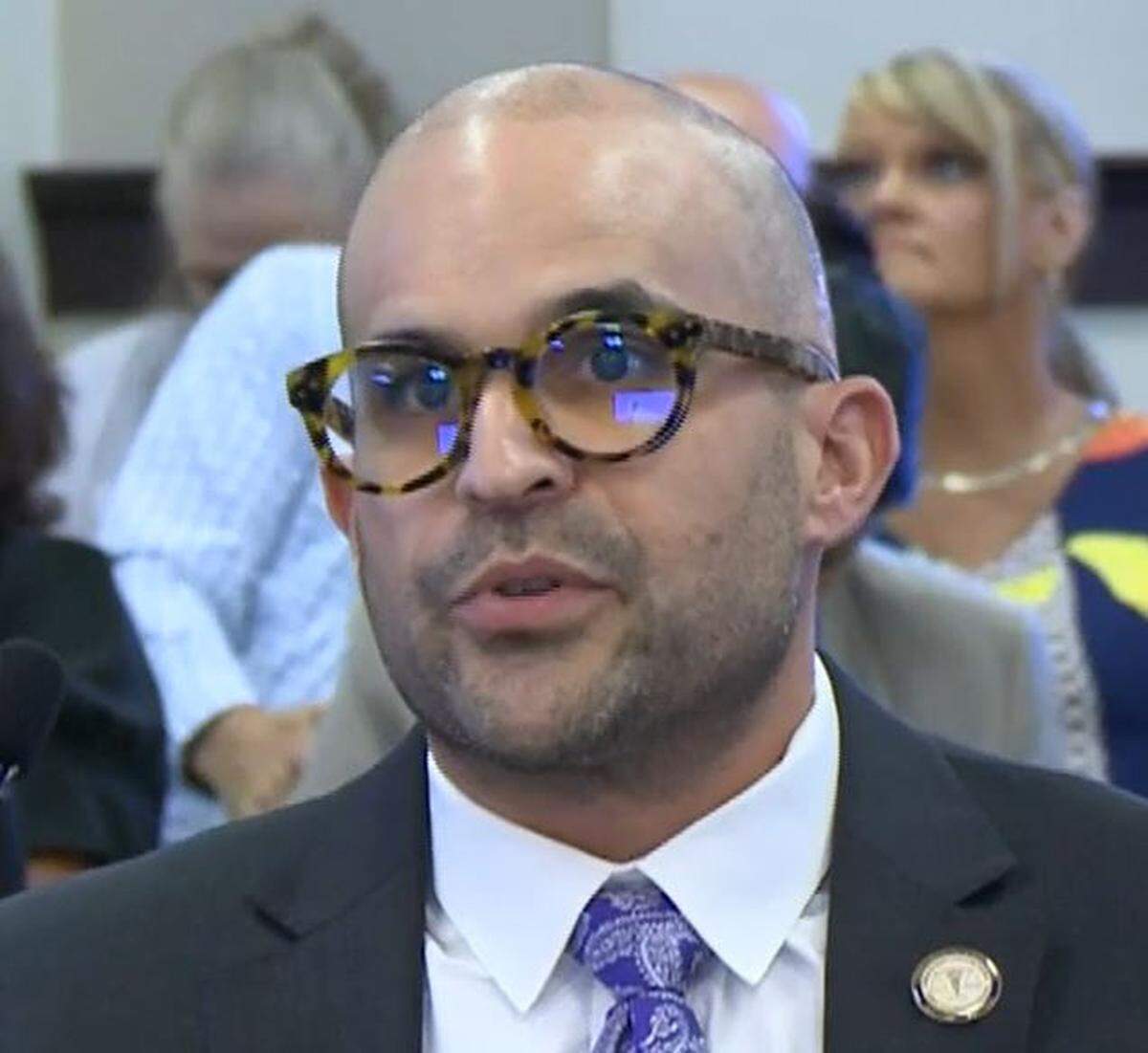
In a prepared statement, Beshear’s office said his administration is aware of the inspection backlog and takes it seriously.
“We are committed to making sure the most vulnerable Kentuckians receive the care they need,” Beshear spokeswoman Crystal Staley told the Herald-Leader.
“The administration has been transparent about how the pandemic impacted medical staff hiring and how we continue to make steady progress,” Staley said. “The governor has secured significant pay raises for state workers, and this year the cabinet hired more staff internally and is also using contract surveyors. These actions have helped increase survey visits by 209 compared with the same time-frame last year.”
What inspectors found
Among the serious problems uncovered as surveyors returned to Kentucky nursing homes after prolonged absences, according to a Herald-Leader review of dozens of inspection records from the past several years:
▪ Clifton Heights in Louisville, which, in July 2021, put a diabetic, incontinent, depressed, wheelchair-dependent resident in a taxi and discharged him to a nearby homeless shelter with no medicine, food or money, and without informing the resident’s legal guardian or doctor, according to an inspection report.
Employees had the resident sign “against medical advice” paperwork authorizing the discharge, surveyors wrote in their report. The next day, the resident was hospitalized with elevated blood sugar and potassium levels.
The resident, a ward of the state, was in cognitive decline and could be difficult to manage, the facility’s staff told surveyors. The resident had been found two days earlier rummaging through someone else’s things. Staff realized they needed to pay closer attention and possibly find a more appropriate place for him, surveyors wrote.
However, a nurse told surveyors “there had to have been a better place to discharge (the) resident to other than a homeless shelter,” they wrote in their inspection report.
Clifton Heights did not respond to the Herald-Leader’s request for comment.
▪ Bourbon Heights Nursing Home in Paris, where different parts of the facility’s water system tested positive in February and March of this year for Legionella pneumophila bacteria, according to microbiology analysis reports produced for the nursing home by a third-party contractor.
The bacteria can cause a dangerous pneumonia called Legionnaires’ disease — and one of the facility’s former care workers became sick with that disease and died last December, alarming county health officials.
Staff said they were not told about the water system’s contamination, so they did not follow infection-control procedures meant to protect residents or themselves. During an interview in late March, a nursing assistant told surveyors that residents continued to drink water out of the sinks in their rooms and used the water to wash their hands and brush their teeth.
On the same day, a different nursing assistant told surveyors “there were rumors the water was contaminated with legionella, but the facility had not apprised staff of any water contamination concerns,” the surveyors wrote.
Bourbon Heights did not respond to the Herald-Leader’s request for comment.
County and state health officials are helping Bourbon Heights with continued water monitoring and mitigation efforts, such as faucet filters, county public health director Andrea Davis-Viney told the Herald-Leader. There have been no additional deaths from Legionnaires’ disease since last December, Davis-Viney said.
“I’m really hoping we don’t see any further problems from it,” Davis-Viney said.
▪ Highlands Nursing and Rehabilitation in Louisville, where a resident with dementia escaped the facility unnoticed in January 2023 when the daytime temperature was 48 degrees. The facility’s receptionist opened the front door for the resident, not realizing the resident wasn’t free to leave, the surveyor noted.
The resident hitched a ride with a trucker back to their home 85 miles away, started a fire at the home and had to be hospitalized for smoke inhalation, surveyors wrote.
Highlands did not respond to the Herald-Leader’s request for comment.
▪ Valhalla Post Acute in Louisville, where an employee, angry at an elderly male resident for making repeated requests of him, allegedly declared, “I’m gonna get that old fu-ker out of here” and set fire to the resident’s room on May 1, 2024.
The resident was not harmed in the fire, which quickly was extinguished, Louisville police wrote in their incident report. Police arrested social service assistant Justin Campisano, 39. He awaits trial on a first-degree arson charge in April 2025.
Valhalla Post Acute did not respond to the Herald-Leader’s request for comment.
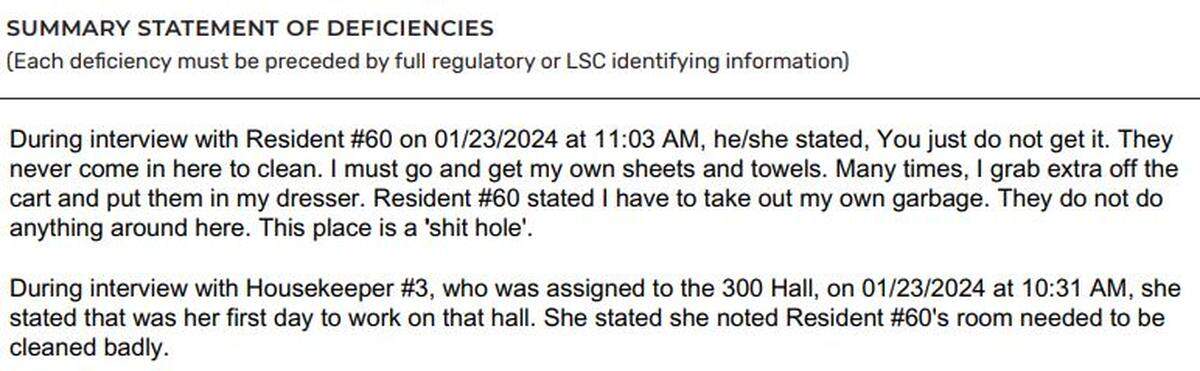
▪ Signature Healthcare at Summerfield Rehab and Wellness Center in Louisville, where residents in January 2024 lay in urine-soaked diapers and sheets, with trash overflowing onto the floor.
There was “a continuous odor of urine,” surveyors wrote in their report. (The word “odor” appeared 15 times in the 64-page report.) One resident had an “excessive amount of dead skin” lying on their sheets, on a bedside table and on the floor, with their clothes smeared in blood.
A nursing assistant said she felt badly about the poor state of the residents, but she was overwhelmed because she had to oversee 22 people — an entire hall — by herself.
“They never come in here and clean,” a miserable resident told surveyors. “I have to take out my own garbage. They do not do anything around here. This place is a shithole.”
A nurse who pricked the fingers of diabetic residents to check blood-sugar levels using a device called a glucose meter failed to either wash her hands or sanitize the device between uses, putting residents at risk of blood-borne infections, surveyors wrote. One of the diabetic residents had HIV, they said, while another had Hepatitis B.
Signature Healthcare at Summerfield referred the Herald-Leader’s request for comment to the chain’s corporate headquarters in Louisville, which requested questions in writing and then declined to respond.
▪ Sycamore Heights Health and Rehabilitation in Louisville, where the staff failed — despite warnings — to keep sharp objects away from a schizophrenic resident who suffered from hallucinations.
In the middle of the night on March 11, 2024, the resident stabbed his roommate in the left eye with a fork that was left behind from a meal, badly wounding the man and splattering both with the victim’s blood.
A Louisville police officer who responded to the assault later told surveyors that when he arrived, the facility’s staff were standing outside the door to the room, afraid to intervene. The officer said “he was taken aback by the fact that nursing staff had done nothing to render aid or evaluate the residents,” surveyors wrote in their report.
“I can’t really participate in any kind of story,” Sycamore Heights administrator Bridgette Beason told the Herald-Leader in response to questions. “I don’t have any comment.”
▪ Mills Nursing & Rehabilitation in Mayfield, where an employee last year stole $166 in cash and spent $257 on a debit card taken from the purse of an elderly woman living at the facility before the woman’s family noticed the thefts, surveyors wrote in their report.
The nursing home failed to properly investigate the family’s initial June 2023 theft complaint to the facility until police brought criminal charges in the case later, surveyors said. The nursing home also failed to conduct the required criminal background check of the employee suspected of the thefts when it hired her in 2022, surveyors said.
In July 2023, the Graves County Sheriff’s Department charged Mills nursing assistant Mindy Marie Issacs, 37, with fraudulent use of a credit card, according to court records. Isaacs pleaded guilty and was sentenced to 90 days in jail.
Mills did not respond to the Herald-Leader’s request for comment.
A system breaks down
In 2022, about 15,000 nursing homes nationwide took more than $191 billion from the federal Medicare and Medicaid programs, private insurance, out-of-pocket payments from residents and their families and other sources, according to the Centers for Medicare and Medicaid Services. Kentucky nursing homes got about $3 billion.
To watchdog that spending and protect vulnerable residents from abuse and neglect, CMS contracts with state agencies to conduct an unannounced, multi-day inspection of every nursing home once a year. Teams of surveyors led by registered nurses identify problems that they uncover and give facilities a chance to correct them.
“Unless you have surveyors in there checking on them, the only ones regulating the nursing homes are themselves, right?” said Circeo, the Lexington lawyer. “And we know that doesn’t work.”

“Apart from the obvious health and safety problems for residents,” the lawyer added, “the public should be concerned about all this, because it’s their Medicare and Medicaid dollars that pay for it.”
In Kentucky, the state health cabinet’s Division of Health Care conducts these “standard surveys” and reports its findings to CMS, which controls the Medicare and Medicaid cash spigot. When CMS cuts off federal funding to a nursing home over poor quality of care, that facility usually must close.
This system completely broke down during the pandemic.
To curb the spread of the highly infectious COVID virus inside nursing homes, CMS told the states temporarily to focus on infection control surveys rather than all-purpose standard surveys from spring 2020 to fall 2021.
By the time standard surveys resumed in fall 2021, state inspectors across the country faced a pile of catch-up work.
Kentucky had a bigger backlog than most states — and more job vacancies among its surveyors. Nurses in particular have quit Kentucky’s health cabinet in large numbers, easily able to find better-paying jobs in the private sector, and often with less travel and better hours.
In October, Kentucky’s Division of Health Care had 69 surveyor positions that were filled and 52 that were unfilled, for a job vacancy rate of 43 percent, the health cabinet said in an email to the Herald-Leader.
The health cabinet is paying millions of dollars to two private contractors, CertiSurv and Health Management Solutions, to assist with nursing home inspections while it scrambles to hire more of its own surveyors.
Recruiting surveyors is difficult, state officials told their federal counterparts in letters obtained by the Herald-Leader under the Kentucky Open Records Act.
“A complex and delayed hiring process. noncompetitive compensation, extensive travel and overtime demands drive recruitment challenges,” Storms, the Division of Health Care director, wrote to CMS in an April 12 letter.
“The hiring process for classified positions is intricate due to state statutes. The Office of Human Resource Management has reported that the average time for hire is 80 days from start to finish. This duration often leads applicants to accept other job offers, exacerbating the challenge of filling vacancies,” Storms wrote.
‘They didn’t care’
For two families who recently spoke to the Herald-Leader about their experiences, the quality of care at the 104-bed Mills Nursing & Rehabilitation in Mayfield worsened during the five years that state surveyors stopped making annual inspections at the facility.
Mills is listed as a one-star facility, or “much below average,” in the five-star ratings posted on CMS’ Nursing Home Compare website.
According to federal data, the state went from July 2019 to May 2024 without performing a standard survey at Mills. On their belated return last May, surveyors issued a total of five health deficiencies — two for immediate jeopardy violations — and levied a $16,801 fine.
The immediate jeopardy violations involved a resident who died from their injuries after falling from a moving wheelchair where they were improperly secured by staff, surveyors wrote.
Surveyors did conduct a brief complaint-based inspection during the five-year span, in October 2023, that resulted in six health deficiencies and a $9,331 fine against Mills.
That complaint involved a number of problems, including the Mills nursing assistant who stole from the purse of the elderly woman at the facility. Surveyors said Mills “failed to protect residents from abuse” because it didn’t adequately investigate the thefts until law enforcement got involved weeks later.
The thefts victim was Linda Johnson, mother of Karen Harrison, who reported the crimes to Mills without much response, surveyors said. Later, Harrison called in the Graves County Sheriff’s Department, which made an arrest after studying video from businesses where the stolen debit card was used and identified the culprit.
Harrison told the Herald-Leader she pulled her mother from Mills, not just because of the thefts but also because the nursing home clearly was in decline. Her father had stayed at Mills a few years earlier with no serious problems, she added.
“I don’t know what it was, but the quality really slipped since COVID,” Harrison said. “You could see it in the management, in the staffing. Mills just wasn’t the nursing home that it used to be.”
Harrison said she didn’t know that Kentucky health officials were failing to conduct inspections during this period.
“I know nursing homes smell like pee. I do,” Harrison said. “But that place was bad. There were people laying in their own (urine). They never got out of their pajamas. They never got out of their beds. Nobody did anything with them. They just weren’t taking care the residents. It was clear when you looked around.”
Another woman, Rose Dismore, is suing Mills for negligence and wrongful death in Graves Circuit Court over the 2021 death of her 51-year-old brother, Terry Ray Crawford. She said Crawford lived at Mills for two years before he died from a fall and a heart attack under circumstances that nobody ever adequately explained to her.
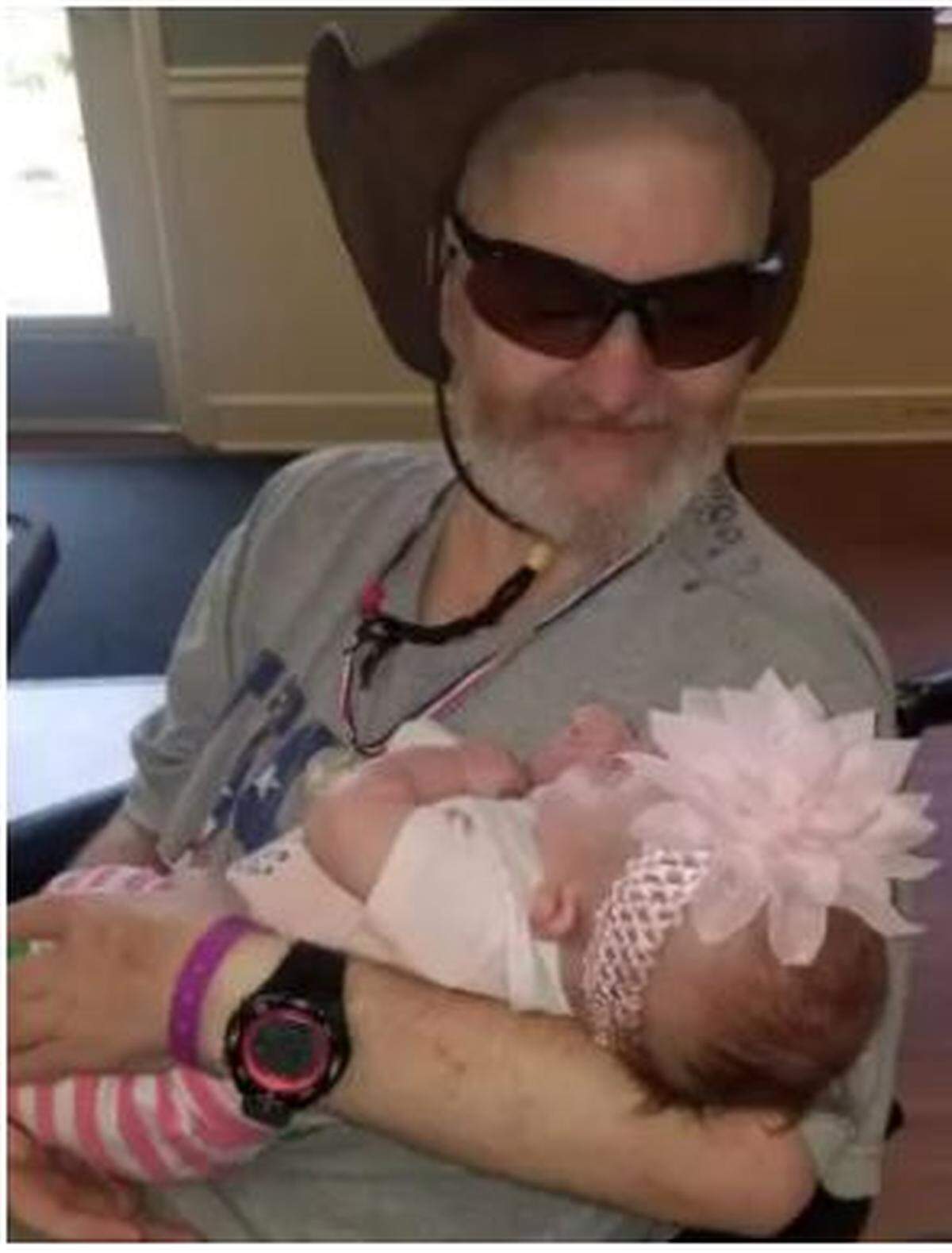
“He suffered, from what I heard,” Dismore told the Herald-Leader.
According to Dismore’s lawsuit, Mills didn’t employ enough staff to properly care for residents. Mills has denied Dismore’s claims in its written response to her suit and says that it was not responsible for any injuries Crawford might have suffered. The case is pending.
The nursing home smelled strongly like urine, Dismore said, and staff didn’t answer residents’ call-lights to provide assistance. People who could have participated in activities with a little help instead were left in their beds all day, she said.
“When they knew they were going to be inspected, they’d be up on their toes,” Dismore said. “Otherwise, they didn’t care.”
This story was originally published December 9, 2024 at 4:00 AM.